

Perishable Prepared Food Manufacturing
Perishable prepared food manufacturers produce ready-to-eat or heat-and-eat items such as fresh salads, cut fruit, sandwiches, soups, entrees and sides with short shelf lives. Orders arrive from retail, foodservice and direct customers; production runs on daily or weekly schedules with tight freshness windows. The specialists convert incoming orders into production schedules, explode recipes into ingredient pulls, manage refrigerated inventory turns, coordinate packaging and labeling, schedule sanitation and temperature validations, and prepare shipping manifests while the production team retains control of food safety, sensory checks and final sign-off.
What makes this business different
- Very short shelf-life products that must ship within 24-48 hours of production
- Daily or shift-based production schedules driven by firm customer orders rather than forecast
- Strict temperature and time controls from ingredient receiving through finished product dispatch
- Recipe-specific allergen, ingredient and nutrition labeling that must match the exact batch
- Frequent sanitation and equipment changeover between runs to prevent cross-contact
- Traceability records for every lot of incoming produce, proteins and packaging
- Retail and foodservice customers each requiring their own label formats, case counts and pallet patterns
- Cold-chain logistics with validated temperature loggers on every outbound shipment
Specialist bots
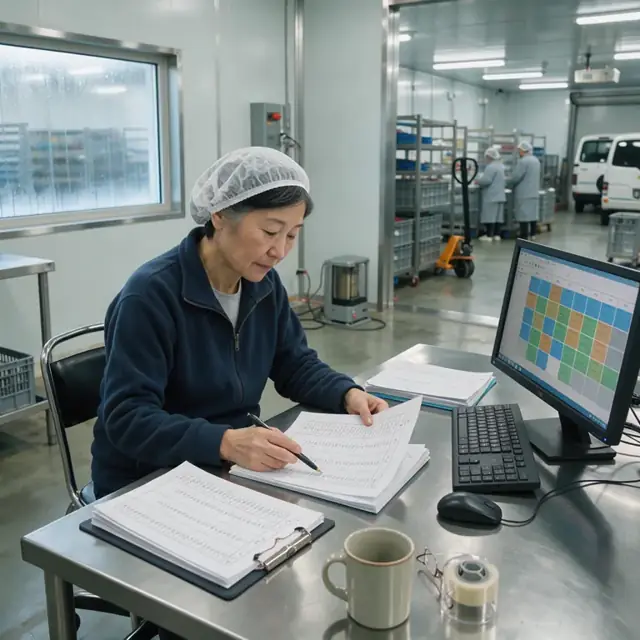
Order Intake Clerk
Convert every incoming customer order into validated production-ready line items with correct labeling and delivery requirements.
Works in: Ambitious Tasks, Ambitious Docs, Email Buckets · Workflows: Customer order intake and validation
Automates
- Reads and parses purchase orders and portal files
- Validates dates against the production calendar
- Pulls correct label and packaging specifications per customer
- Creates order tasks for scheduling
- Drafts acknowledgments
Stops for a person
- Production manager approves any date or volume changes
- A person confirms special certification or label claims before release

Production Scheduler
Build daily run sequences that respect changeover rules, capacity and required ship dates.
Works in: Process Optimizer, Ambitious Sheets · Workflows: Daily production scheduling
Automates
- Aggregates orders by family and due date
- Sequences to minimize sanitation events
- Calculates line time and ingredient needs
- Generates operator work orders
Stops for a person
- The production lead reviews and adjusts the final sequence
- Any rush order insertion is approved by the owner

Ingredient and Packaging Coordinator
Explode production schedules into precise ingredient and packaging pulls from refrigerated storage.
Works in: Ambitious Sheets, Ambitious Tasks, Ambitious Docs · Workflows: Ingredient and packaging pull
Automates
- Calculates exact quantities from recipes
- Reserves specific lots from inventory
- Prints staged pick tickets
- Flags short-dated items
Stops for a person
- A person physically pulls and weighs ingredients
- The production supervisor verifies allergen segregation before use

Sanitation and Verification Clerk
Generate and record pre-operational sanitation checklists, swab schedules and line release documentation.
Works in: Ambitious Tasks, Ambitious Docs, Ambitious Sheets · Workflows: Pre-production sanitation and verification
Automates
- Creates daily swab and cleaning checklists
- Logs ATP and visual results
- Tracks sanitizer concentrations
- Holds line release until all steps complete
Stops for a person
- The sanitation lead performs and signs off on physical cleaning
- Quality manager reviews and approves any corrective actions

Labeling and Packaging Specialist
Generate accurate batch-specific labels and case configurations that meet each customer's exact requirements.
Works in: Ambitious Docs, Ambitious Tasks, Ambitious Sheets · Workflows: Labeling and case packaging
Automates
- Pulls approved label artwork per customer and item
- Inserts lot code, use-by date and nutrition data
- Creates case and pallet labels
- Verifies counts against order
Stops for a person
- Quality assurance visually inspects first-article labels before full run
- A person approves any label changes or reprint requests
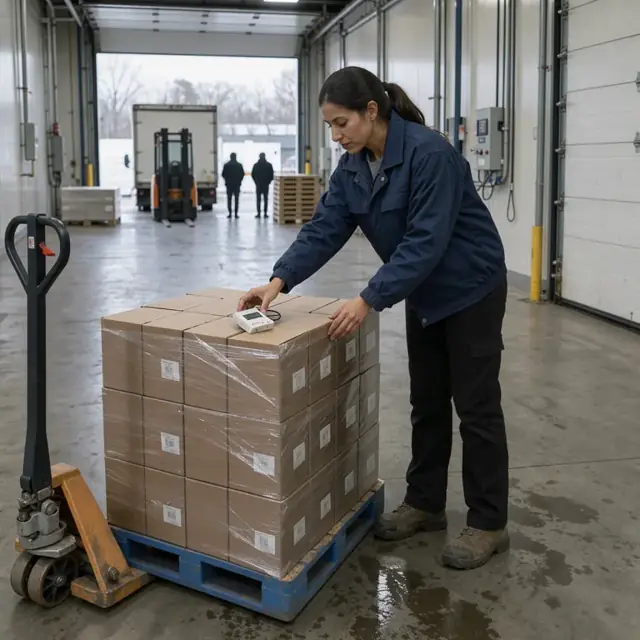
Cold Chain Dispatch Coordinator
Prepare temperature-monitored shipments, manifests and carrier instructions for every outbound load.
Works in: Ambitious Tasks, Ambitious Docs, Ambitious Sheets · Workflows: Cold chain dispatch and manifest
Automates
- Groups orders by carrier and window
- Assigns data loggers to pallets
- Generates bills of lading and manifests
- Records seal and temperature data
Stops for a person
- The shipping lead verifies internal product temperature before loading
- A person releases the final manifest to the carrier

Traceability Record Clerk
Compile and maintain complete one-up one-back lot records and supporting documentation for every production batch.
Works in: Ambitious Docs, Ambitious Sheets, Ambitious Tasks · Workflows: Traceability and lot record keeping
Automates
- Links raw material lots to finished batches
- Compiles temperature, swab and production logs
- Prepares mock recall files
- Maintains required retention archive
Stops for a person
- Quality manager reviews records before archiving
- The owner confirms accuracy when a recall or audit request arrives
Workflows
Customer order intake and validation
Starts when: Purchase order, EDI transmission, email or customer portal submission arrives
- Parse order for item codes, quantities, delivery dates and special instructions
- Validate against current production calendar and available capacity
- Confirm labeling, packaging and certification requirements for that customer
- Create production-ready order lines with lot traceability fields
- Draft order acknowledgment for review
Watch for: Customer-specific pack sizes and label artwork must be pulled exactly; Last-minute volume changes can shift entire daily production mix
Daily production scheduling
Starts when: After daily order cutoff or at start of each shift
- Aggregate orders by product family and required ship date
- Sequence runs to minimize changeover and sanitation time
- Assign batch sizes to available processing lines and kettles
- Calculate required ingredient pull quantities by lot
- Generate operator work orders and quality checkpoint list
Watch for: Changeover times vary significantly between allergen and non-allergen products; Refrigerated holding space limits how far ahead batches can be run
Ingredient and packaging pull
Starts when: Two hours before each production run begins
- Explode recipes into exact ingredient weights and counts per batch
- Reserve specific lot numbers from cold storage inventory
- Print pick tickets for both raw materials and finished-goods packaging
- Flag any short-dated or expiring ingredients for priority use
- Update inventory sheet with pulled quantities
Watch for: All produce and proteins must stay below 40 °F during staging; Packaging must match the exact customer label specification for that run
Pre-production sanitation and verification
Starts when: After every line changeover and at the start of each shift
- Generate ATP swab schedule and allergen cleaning checklist
- Record results from environmental and equipment swabs
- Track sanitizer concentrations and contact times
- Release the line for production only after all checkpoints pass
- Maintain digital log for traceability
Watch for: Allergen protocols differ by customer contract; Any failed swab requires documented corrective action before production
Labeling and case packaging
Starts when: When finished product exits the cooling tunnel or assembly line
- Generate batch-specific labels with ingredient statement, allergens, nutrition and lot code
- Apply labels to primary and secondary packaging
- Build cases to exact customer count and orientation
- Print pallet tags with SSCC numbers
- Record finished case counts against the production order
Watch for: Label artwork and claims must be verified against the customer specification; Case weights must stay within declared tolerances
Cold chain dispatch and manifest
Starts when: When product reaches required internal temperature and is ready to ship
- Group orders by carrier and delivery window
- Assign temperature loggers to each pallet or truckload
- Create bills of lading and customer-specific manifests
- Draft carrier pickup requests
- Log outbound temperatures and seal numbers
Watch for: Product cannot leave the facility above 40 °F; Certain customers require specific temperature recorder models and reports
Traceability and lot record keeping
Starts when: End of each production run and on a weekly cadence
- Compile one-record-forward and one-record-back traceability for every finished lot
- Link raw material lots to finished product batches
- Store temperature logs, swab results and production records
- Prepare mock recall reports on demand
- Archive records for the required retention period
Watch for: Records must be retrievable within four hours for regulatory requests; Each customer may require different data elements on traceability certificates
Bot templates for this industry
Source: U.S. Small Business Administration, Office of Size Standards, Table of Small Business Size Standards Matched to North American Industry Classification System Codes, version March 2023 (effective 2023-03-17, NAICS 2022). Size standards are shown for reference only.