

Soft Drink Manufacturing
Soft drink manufacturers produce carbonated and non-carbonated beverages in bottles and cans from syrups, flavors, sweeteners and water. For a facility that runs weekly production of house flavors plus contract runs, the specialists turn sales orders into batch sheets and ingredient pulls, schedule mixing and filling lines around tank and filler availability, track packaging and raw materials, manage recipe and label changes, and keep regulatory paperwork current. Formulas, quality testing and final release stay with the production manager.
What makes this business different
- Precise formulas that must be followed exactly for each flavor, sweetener type and carbonation level
- Weekly production schedule set around tank availability, filler changeovers and raw material deliveries
- Ingredient and packaging inventory with long lead times for cans, bottles, labels and sweeteners
- Batch traceability from raw materials through finished goods with lot codes for every run
- Quality control checks for brix, pH, carbonation, taste and fill weight on every batch
- Labeling and nutritional requirements that change with formula or regulatory updates
- Contract manufacturing runs that require separate scheduling, billing and customer-specific specs
- Seasonal demand spikes for certain flavors and package sizes around holidays and summer
Specialist bots

Order Coordinator
Convert incoming customer orders into detailed production requests ready for scheduling.
Works in: Ambitious Tasks, Ambitious Docs, Email Buckets · Workflows: Order intake and production request
Automates
- Reads order emails and forms to extract flavor, package and quantity
- Checks against current schedule and minimum batch rules
- Verifies formula and label version
- Creates production request tasks
- Drafts customer order acknowledgments
Stops for a person
- Production manager approves all new contract orders
- Sales confirms pricing and delivery dates
- A person sends all customer communications
Production Line Scheduler
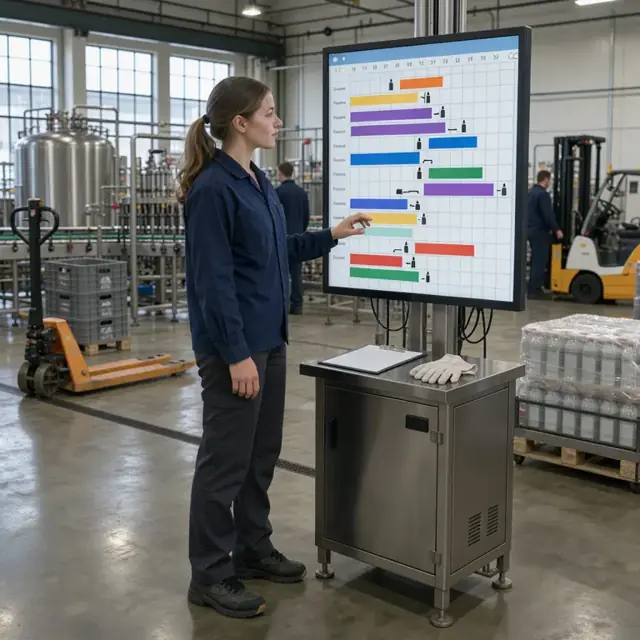
Build the weekly mixing and filling schedule that respects tank availability and changeover requirements.
Works in: Process Optimizer, Ambitious Tasks · Workflows: Production line scheduling
Automates
- Sequences production runs to reduce cleaning time
- Assigns flavors to appropriate tanks and lines
- Generates batch sheets with exact formulas
- Reserves time for quality checks and line clearance
Stops for a person
- The production manager reviews and adjusts the final schedule
- Any schedule changes that affect customer dates require approval

Batch Material Prepper
Generate precise pull lists for ingredients and packaging for each scheduled batch.
Works in: Ambitious Sheets, Ambitious Tasks, Ambitious Docs · Workflows: Raw material and packaging pull
Automates
- Calculates exact quantities from formulas
- Checks and subtracts current inventory
- Creates pull sheets with lot tracking
- Flags items needing reorder
Stops for a person
- Warehouse staff physically pulls and weighs materials
- Production manager verifies concentrates and flavors before mixing

Quality Control Recorder
Capture lab test results and release or hold each batch according to specifications.
Works in: Ambitious Tasks, Ambitious Sheets, Ambitious Docs · Workflows: Batch quality control and release
Automates
- Records brix, pH, carbonation and sensory results
- Compares values against formula limits
- Logs fill weights and package checks
- Drafts certificates of analysis for released batches
Stops for a person
- Lab technician performs all physical tests and enters initial readings
- Production manager decides on any batch that fails specifications
- People confirm all release decisions

Inventory and Replenishment Forecaster
Track raw material and packaging stock and draft purchase orders to maintain production continuity.
Works in: Ambitious Sheets, Ambitious Tasks, Email Buckets · Workflows: Inventory replenishment and supplier coordination
Automates
- Updates inventory from batch usage
- Forecasts needs from the production schedule
- Drafts purchase orders by supplier
- Tracks lead times and adjusts par levels
Stops for a person
- Purchasing manager approves and sends all purchase orders
- A person confirms receipt of incoming materials and updates actual quantities
Labeling and Compliance Specialist
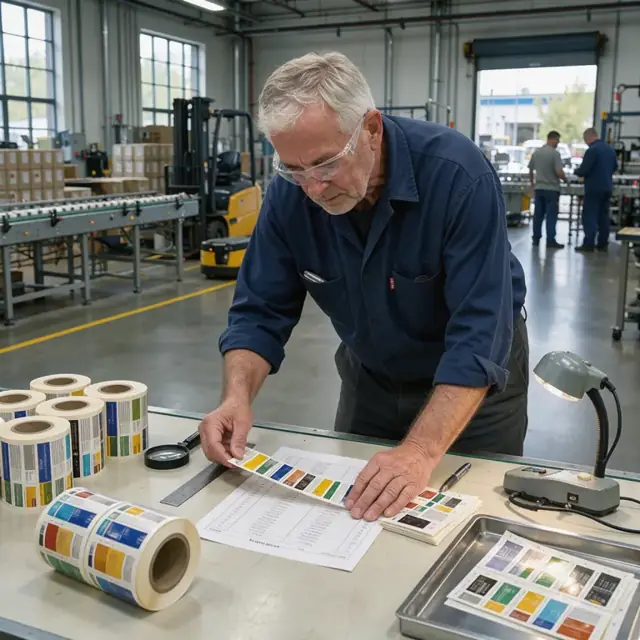
Maintain current formulas, nutritional data and label files for every product.
Works in: Ambitious Docs, Contract Analyzer, Ambitious Tasks · Workflows: Labeling and regulatory updates
Automates
- Updates nutritional statements when formulas change
- Generates label files for production
- Tracks version history of all labels
- Flags upcoming regulatory deadlines
Stops for a person
- Regulatory manager reviews all label changes before use
- A person confirms regulatory requirements are met
- The owner approves any new claims or changes
Traceability and Records Clerk
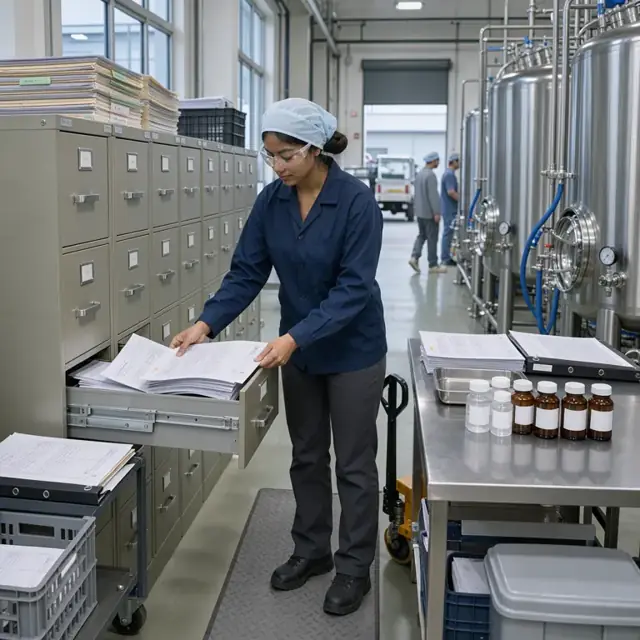
Compile and organize complete batch records and traceability documentation for every production run.
Works in: Ambitious Docs, Ambitious Sheets, Ambitious Tasks · Workflows: Traceability and batch record keeping
Automates
- Compiles ingredient lot and test data into batch records
- Links finished goods to raw materials
- Generates traceability reports on demand
- Archives completed production documentation
Stops for a person
- Production manager reviews batch records before archiving
- A person handles any customer or regulatory requests for records
Workflows
Order intake and production request
Starts when: New customer order arrives by email, EDI or sales entry
- Capture flavor, package type, quantity, due date and any special specs
- Check against current production schedule and tank availability
- Confirm formula version and label requirements
- Create production request task with all batch details
- Draft order acknowledgment for customer approval
Watch for: Contract orders require signed spec sheets before scheduling; Minimum batch sizes apply to each flavor and package type
Production line scheduling
Starts when: Weekly on Monday or after major order changes
- Review all open orders and forecast demand
- Assign flavors to mixing tanks and filling lines
- Sequence runs to minimize changeover and cleaning time
- Reserve time for quality testing and line clearance
- Generate daily batch sheets with exact formulas
Watch for: Changeover between flavors requires full cleaning and flushing; Carbonated and non-carbonated products cannot share certain lines without validation
Raw material and packaging pull
Starts when: One day before each scheduled batch
- Explode batch requirements into exact ingredient quantities
- Check current inventory and flag shortages
- Generate pull sheets for syrup room, warehouse and can or bottle staging
- Record lot numbers for each ingredient used
- Draft reorder quantities for items below par
Watch for: Sweeteners, flavors and acids must be weighed precisely; Packaging materials must match the exact label and can or bottle specifications
Batch quality control and release
Starts when: After each mixing and filling run
- Record lab results for brix, pH, carbonation and sensory
- Compare results against formula specifications
- Log fill weights, seam checks and label placement
- Hold or release each batch based on test results
- Create certificate of analysis draft for released batches
Watch for: Any out-of-spec batch must be documented and isolated; Retain samples from every batch for shelf-life testing
Inventory replenishment and supplier coordination
Starts when: Daily and end of each week
- Update inventory from production usage and receipts
- Forecast needs based on scheduled runs and seasonal trends
- Draft purchase orders for flavors, sweeteners, cans, bottles and labels
- Track supplier lead times and incoming shipments
- Adjust par levels for high-turnover items
Watch for: Cans and bottles often ordered in truckload quantities with long lead times; Flavor and sweetener concentrates are expensive and must be stored under controlled conditions
Labeling and regulatory updates
Starts when: When formula changes or on regulatory deadlines
- Update nutritional and ingredient statements for each formula
- Generate new label artwork files for approval
- Check labels against current regulations for claims and allergens
- Track version history of all labels and formulas
- Distribute updated labels to production before use
Watch for: Changes to sweeteners or flavors trigger full label revision; Allergen and calorie statements must be exact
Traceability and batch record keeping
Starts when: End of each production day and on request
- Compile batch records with all ingredient lots and test results
- Link finished goods to raw material lots
- Maintain records for recall readiness
- Generate reports for customer or regulatory request
- Archive completed batch documentation
Watch for: Full traceability required from raw material to finished product; Records must be kept for multiple years per industry practice
Bot templates for this industry
- Soft Drink Manufacturing (7 bots)
Source: U.S. Small Business Administration, Office of Size Standards, Table of Small Business Size Standards Matched to North American Industry Classification System Codes, version March 2023 (effective 2023-03-17, NAICS 2022). Size standards are shown for reference only.