

Bottled Water Manufacturing
Bottled water manufacturers take orders for still, sparkling, flavored and custom-labeled water, run source water through treatment and bottling lines, track cases and pallets, manage inventory of bottles, caps, labels and cases, schedule production runs and deliveries, and maintain water quality, sanitation and labeling records. Specialists turn customer requests into production schedules, raw material orders and delivery routes while the production team keeps source testing, treatment logs, line sanitation and regulatory sampling with the plant operator.
What makes this business different
- Source water testing, treatment validation, and daily quality logs that must be kept for regulatory review
- Production runs scheduled by SKU, bottle size, still versus sparkling, and private-label runs
- Inventory of preforms, bottles, caps, labels, shrink film and pallets that must stay above minimums without overstocking
- Sanitation cycles between every flavor or label change and end-of-shift deep cleans
- Case and pallet tracking for traceability from source lot to customer delivery
- Customer-specific labeling, nutritional panels, barcode assignment and allergen-free declarations
- Delivery of full pallets or mixed skids to stores, offices, events and direct consumers with temperature-controlled transport where required
- Seasonal demand spikes in summer and for events that require advance forecasting and line capacity planning
Specialist bots

Order Taker
Convert every incoming customer request into a confirmed, production-ready order specification.
Works in: Ambitious Tasks, Ambitious Docs, Email Buckets · Workflows: Order intake and customization
Automates
- Parses incoming order messages and online forms
- Captures bottle size, carbonation level, flavor, label requirements and quantity
- Checks against current schedule and inventory
- Drafts order confirmation with pricing and date
- Creates the production task with full specifications
Stops for a person
- Plant manager approves any off-schedule or custom-label requests
- A person reviews and sends all confirmations and handles payment
- Artwork for private labels is verified by the owner before production

Production Scheduler
Turn aggregated orders into an efficient bottling line schedule with changeover and sanitation slots.
Works in: Ambitious Tasks, Process Optimizer, Ambitious Sheets · Workflows: Production scheduling and line changeover, Line capacity forecasting and planning
Automates
- Groups orders by SKU, size and label type
- Sequences runs to reduce changeovers
- Inserts required sanitation and CIP cycles
- Assigns quantities to each filling line
- Flags special private-label runs
- Projects seasonal demand and flags line bottlenecks
Stops for a person
- The plant operator reviews and adjusts the final schedule
- Any change to source water treatment schedule requires operator approval
- The owner sets final production caps for peak seasons

Materials Coordinator
Convert the production schedule into precise raw material and packaging orders while maintaining minimum stock levels.
Works in: Ambitious Sheets, Ambitious Tasks · Workflows: Raw material and packaging procurement
Automates
- Calculates required preforms, caps, labels and film from the schedule
- Subtracts current inventory and safety stock
- Drafts purchase orders grouped by supplier
- Updates traceability lot information on receipt
- Tracks usage of flavor concentrates and sanitizers
Stops for a person
- The owner approves and places all purchases
- Any substitution of bottle or label stock must be cleared by the plant manager
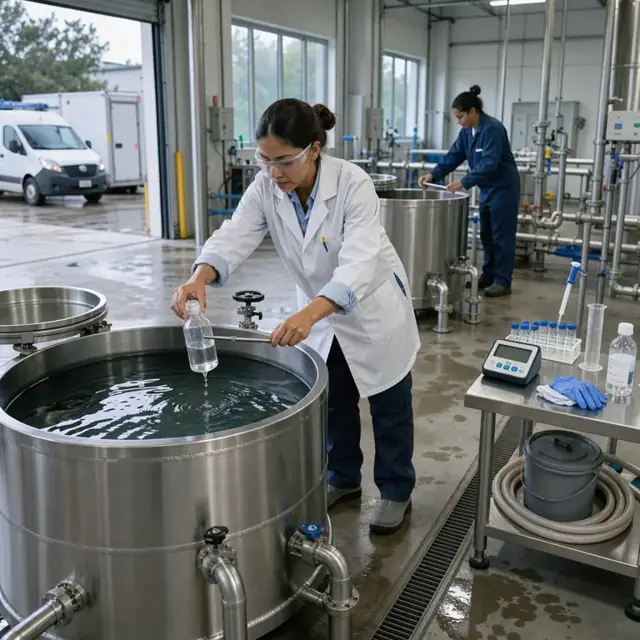
Quality and Compliance Clerk
Maintain daily water quality testing checklists, sanitation logs and regulatory record keeping.
Works in: Ambitious Tasks, Ambitious Docs, Ambitious Sheets · Workflows: Water quality testing and compliance logging
Automates
- Generates daily sampling and testing checklists
- Logs results for pH, TDS, microbial counts and residuals
- Records sanitation and CIP verification
- Tracks permit and lab certification renewal dates
- Maintains lot traceability documentation
Stops for a person
- The plant operator or certified lab technician performs all actual testing and enters results
- The owner confirms which local and state testing requirements apply
- All regulatory paperwork is reviewed by people before filing

Finished Goods Inventory Manager
Track finished cases and pallets by lot, location and age to ensure accurate inventory and traceability.
Works in: Ambitious Sheets, Ambitious Tasks · Workflows: Finished goods inventory and lot tracking
Automates
- Records completed production by lot and pallet count
- Assigns warehouse locations for full and mixed loads
- Monitors stock rotation using first-in-first-out logic
- Flags lots approaching shelf-life limits
- Reconciles daily physical counts
Stops for a person
- Warehouse staff perform physical counts and confirm system entries
- Any lot flagged for hold or recall is managed by the plant manager

Dispatch and Route Coordinator
Convert ready orders into load plans, carrier arrangements and optimized delivery routes.
Works in: Ambitious Tasks, Ambitious Docs · Workflows: Shipment dispatch and delivery routing
Automates
- Groups orders by region and customer type
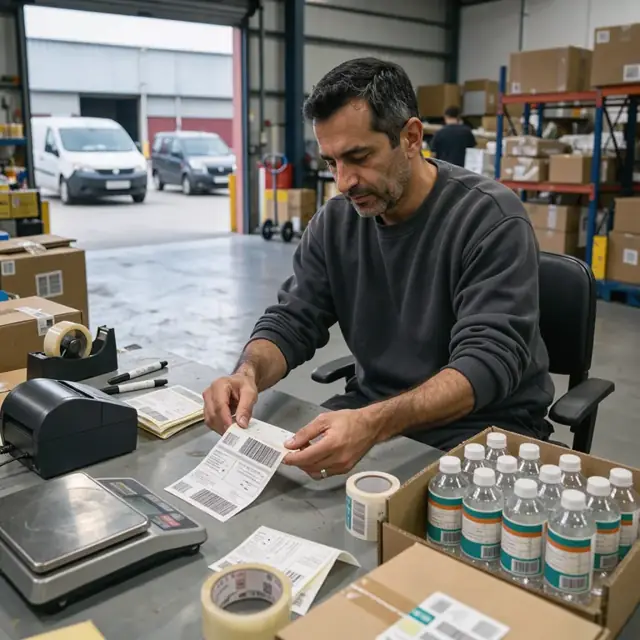
- Builds truck load plans and schedules carrier pickups
- Creates sequenced delivery routes with time windows
- Generates bills of lading and lot traceability paperwork
- Logs delivery confirmations and exceptions
Stops for a person
- The driver or warehouse lead confirms load condition and count before departure
- All shipping documents are reviewed and approved by a person before release
Customer Follow-up Host
Send post-delivery confirmations, gather feedback and prompt repeat customers for reorders.
Works in: Ambitious Tasks, Ambitious Docs, Email Buckets · Workflows: Customer follow-up and reorder management
Automates
- Drafts delivery confirmation and feedback requests
- Tracks customer preferences for sizes, flavors and labels
- Generates reorder reminders for standing accounts
- Drafts seasonal and promotional messages
Stops for a person
- The owner reviews and approves every outbound message and offer
- Adjustments to standing orders are confirmed with the customer by a person
Workflows
Order intake and customization
Starts when: A customer submits an order by form, email, portal or sales call
- Capture SKU, bottle size, still or sparkling, flavor if any, label type and quantity
- Check against current production schedule and available inventory
- Confirm delivery date or pickup window against the bottling calendar
- Draft order confirmation with pricing and lead time
- Create a production-ready order task with all specifications
Watch for: Private-label artwork and nutritional information must be verified before production; Minimum order quantities apply for custom labels and flavors
Production scheduling and line changeover
Starts when: Weekly forecast update and after every new order batch
- Aggregate orders by SKU, size and label type
- Sequence runs to minimize changeovers between still, sparkling and flavored water
- Schedule sanitation cycles and line CIP between flavor or label changes
- Assign run quantities to filling lines based on speed and availability
- Flag any private-label runs that require special caps or shrink sleeves
- Compare total volume against line capacity and suggest adjustments for seasonal peaks
Watch for: Source water treatment must be validated before each run; Line changeover time increases with flavor and label complexity
Raw material and packaging procurement
Starts when: After production schedule is locked and on a weekly cadence
- Explode the production schedule into required preforms, caps, labels, film and pallets
- Subtract current inventory and safety stock
- Draft purchase orders by supplier for bottles, caps, labels and shrink materials
- Track incoming lots for traceability and update par levels
- Monitor shelf life of flavor concentrates and sanitizers
Watch for: Bottle and cap lots must match production dates for traceability; Flavor concentrates and sanitizing chemicals have strict storage requirements
Water quality testing and compliance logging
Starts when: Every production run and on fixed testing schedule
- Generate daily source, treatment and finished-product sampling checklist
- Record test results for pH, TDS, microbial counts and disinfectant residuals
- Log sanitation verification, CIP records and equipment cleaning
- Track renewal dates for permits, licenses and lab certifications
- Maintain lot traceability records from source to finished pallet
Watch for: Testing frequency and parameters vary by state and source type; All logs must be kept in a format ready for inspection
Finished goods inventory and lot tracking
Starts when: After each bottling run and daily warehouse scan
- Record completed cases and pallets by lot number
- Update warehouse locations for full pallets and mixed skids
- Monitor aging of stock to prioritize first-in-first-out shipments
- Flag any lots that require special handling or recalls
- Reconcile physical counts against system records
Watch for: Full traceability from each production lot back to source water batch; Temperature and humidity control in finished-goods warehouse
Shipment dispatch and delivery routing
Starts when: When orders are ready for shipment or pickup
- Group orders by delivery region and customer type
- Build load plans for trucks or arrange carrier pickups
- Draft route sequences with time windows for deliveries
- Generate packing slips, bills of lading and lot traceability documents
- Record proof of delivery and any damage or shortage notes
Watch for: Refrigerated or insulated transport required for flavored or sparkling products in hot weather; Driver must confirm pallet counts and condition at loading
Customer follow-up and reorder management
Starts when: After delivery and on a regular cadence for repeat accounts
- Draft delivery confirmation and request feedback on product and service
- Remind office, retail and event customers when standing orders are due for replenishment
- Track customer preferences for bottle size, flavor and label style
- Draft seasonal or promotional offers for approval
Watch for: Never send offers or reorder prompts without explicit approval; Event customers often need last-minute volume adjustments
Line capacity forecasting and planning
Starts when: Monthly and before seasonal peaks
- Review historical order volumes by month and customer type
- Project demand for still, sparkling and flavored SKUs
- Identify potential bottlenecks on filling lines, labeling and palletizing
- Recommend production caps or additional shifts for summer spikes
- Adjust raw material safety stock targets based on the forecast
Watch for: Seasonal demand spikes require early ordering of bottles and labels
Bot templates for this industry
- Bottled Water Manufacturing (7 bots)
Source: U.S. Small Business Administration, Office of Size Standards, Table of Small Business Size Standards Matched to North American Industry Classification System Codes, version March 2023 (effective 2023-03-17, NAICS 2022). Size standards are shown for reference only.