

Breweries
Breweries produce beer in batches from recipes, manage ingredient and packaging inventory, schedule production and tank usage, fulfill distributor and taproom orders, track compliance paperwork and maintain equipment. Specialists turn orders into a production schedule, raw materials into a brew-day plan, track fermentation and packaging, manage inventory reorders and prepare compliance logs while the brewmaster confirms recipes, quality and regulatory filings.
What makes this business different
- Multi-stage production with precise timing for mash, boil, fermentation, conditioning and packaging that spans days or weeks
- Tank and equipment scheduling to avoid cross-contamination between batches and styles
- Inventory of grains, hops, yeast and packaging materials with lot tracking and just-in-time ordering for freshness
- Distributor and taproom orders that require release after lab or sensory checks
- Compliance records for alcohol production, labeling, excise taxes and reporting to TTB and state agencies
- Seasonal demand peaks around holidays and local events requiring forecast-based production planning
- Equipment maintenance logs, CIP cycles and water-quality records that must be kept current
Specialist bots
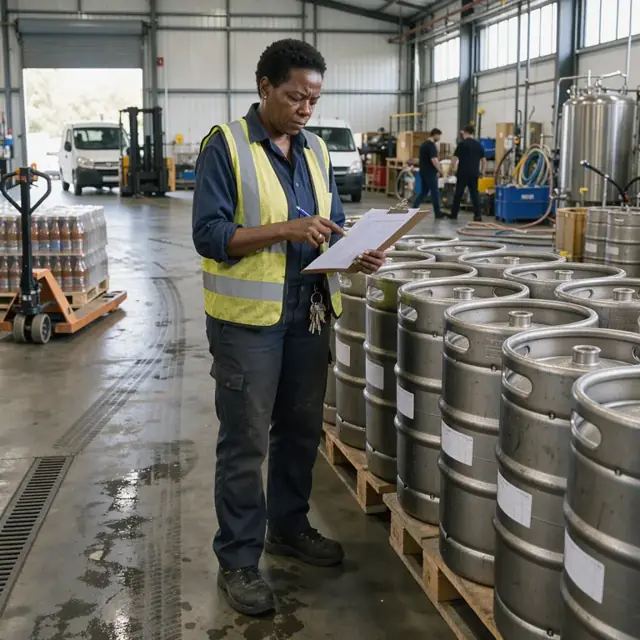
Order Coordinator
Turn incoming distributor and taproom orders into confirmed production and fulfillment tasks.
Works in: Ambitious Tasks, Ambitious Docs, Email Buckets · Workflows: Order intake and confirmation
Automates
- Reads order messages and forms
- Checks availability against inventory and schedule
- Drafts confirmations with pricing and dates
- Creates linked fulfillment tasks
Stops for a person
- The brewmaster approves any special recipe requests
- A person sends final confirmations and handles pricing exceptions
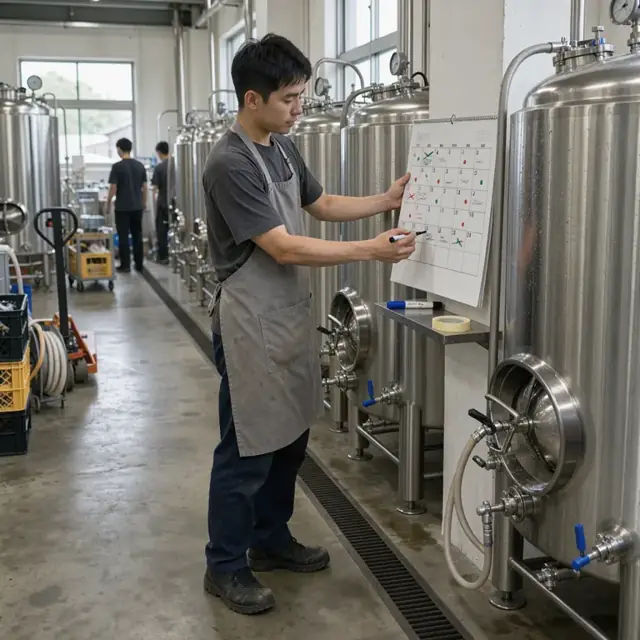
Brew Scheduler
Build weekly brew calendars that respect tank availability, yeast schedules and order deadlines.
Works in: Ambitious Sheets, Ambitious Tasks · Workflows: Brew production scheduling
Automates
- Reviews open orders and demand forecast
- Assigns brews to fermenters and bright tanks
- Creates multi-week production calendar
- Calculates ingredient needs and flags maintenance windows
Stops for a person
- The brewmaster reviews and adjusts the schedule
- Changes to yeast strains or hop schedules require approval
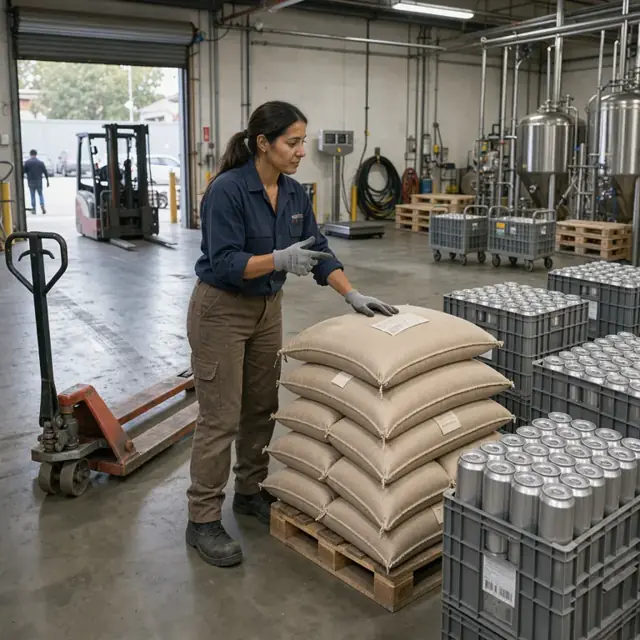
Inventory Manager
Convert the brew schedule into accurate ingredient and packaging purchase lists while tracking lots and par levels.
Works in: Ambitious Sheets, Ambitious Tasks · Workflows: Ingredient and packaging purchasing
Automates
- Explodes schedule into raw material requirements
- Subtracts current stock and lot data
- Drafts supplier purchase lists
- Tracks packaging and yeast inventory
Stops for a person
- The owner approves all purchases and spending
- Any ingredient substitution must be approved by the brewmaster
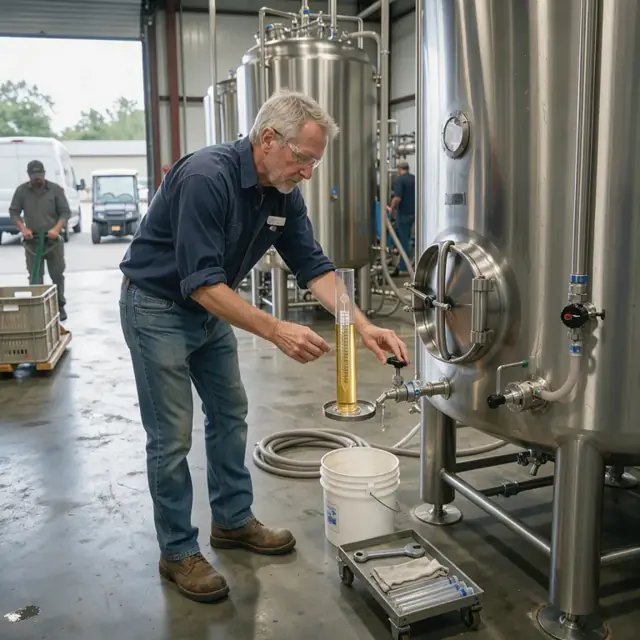
Brew Day Clerk
Generate recipe checklists, record process measurements and track fermentation progress for each batch.
Works in: Ambitious Tasks, Ambitious Sheets, Ambitious Docs · Workflows: Brew day and fermentation tracking
Automates
- Creates daily brew checklists from recipes
- Logs temperatures, gravities and additions
- Tracks fermentation timelines
- Schedules dry hopping and transfers
Stops for a person
- The brewmaster records and verifies all critical measurements
- Any deviation from the recipe is approved by the brewmaster
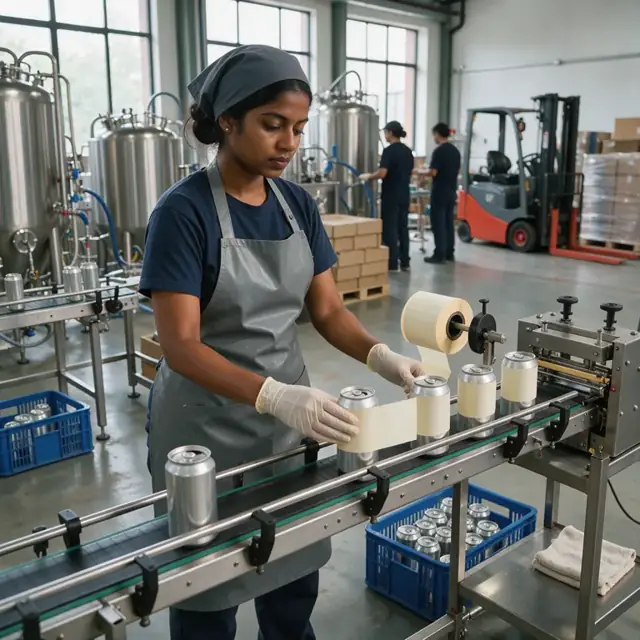
Packaging Coordinator
Schedule packaging runs, generate labels and prepare orders for distributor and taproom pickup or delivery.
Works in: Ambitious Tasks, Ambitious Docs, Ambitious Sheets · Workflows: Packaging and order fulfillment
Automates
- Confirms quality clearance before packaging
- Generates lot-coded labels
- Plans canning or kegging runs
- Prepares order pick lists and updates inventory
Stops for a person
- The brewmaster releases beer for packaging
- A person verifies labels against approved artwork
- The owner approves final shipments

Compliance Clerk
Compile production data, draft tax and regulatory reports and keep permits and logs current.
Works in: Ambitious Docs, Ambitious Sheets, Ambitious Tasks · Workflows: Compliance and reporting
Automates
- Aggregates production volumes and ingredients
- Drafts monthly and quarterly reports
- Tracks permit and label approval dates
- Organizes cleaning and calibration records
Stops for a person
- The brewmaster reviews all reports before filing
- People confirm requirements with regulators
- The bot never certifies compliance

Maintenance Coordinator
Create and track cleaning, sanitation and preventive maintenance schedules for all brewery equipment.
Works in: Ambitious Tasks, Ambitious Sheets, Process Optimizer · Workflows: Equipment maintenance and CIP
Automates
- Generates CIP checklists after each use
- Schedules preventive maintenance
- Logs chemical concentrations and temperatures
- Tracks calibration records and flags repairs
Stops for a person
- Brewery staff perform and verify all cleaning and maintenance
- The brewmaster approves any equipment changes
- Records are reviewed by people before inspections
Workflows
Order intake and confirmation
Starts when: A distributor, retailer or taproom submits an order by email, form or portal
- Capture beer style, batch or keg quantity, packaging type and delivery date
- Check against current inventory and scheduled production
- Draft order confirmation with pricing and availability
- Create a fulfillment task linked to the production schedule
- Flag any special requirements such as dry-hopping or special labeling
Watch for: Beer cannot be released until it passes final checks; Distributor orders often require lead time for conditioning
Brew production scheduling
Starts when: Weekly or when new orders are confirmed
- Review open orders and forecast demand
- Assign recipes to available fermenters and bright tanks
- Build a multi-week brew calendar with mash, boil and transfer dates
- Calculate required ingredients and packaging
- Flag any tank cleaning or maintenance windows
Watch for: Yeast pitch rates and fermentation schedules must align with tank availability; Avoid scheduling conflicting hop varieties in shared equipment
Ingredient and packaging purchasing
Starts when: After production schedule is set and on a weekly cadence
- Explode the brew schedule into grain, hop, yeast and adjunct requirements
- Subtract current inventory and lot numbers
- Draft purchase orders by supplier for malt, hops and packaging
- Track par levels for cans, kegs, labels and yeast propagation
- Log incoming receipts and update inventory sheets
Watch for: Hops and yeast have limited shelf life and must be ordered for specific batches; Packaging materials must match label artwork for each style
Brew day and fermentation tracking
Starts when: Start of each scheduled brew day
- Generate the day’s recipe and process checklist
- Record mash temperatures, boil times and gravity readings
- Track transfer to fermenter and pitching details
- Monitor fermentation progress with daily gravity and temperature logs
- Schedule dry hopping or other additions at correct timing
Watch for: Precise timing and temperature control are critical to beer quality; All measurements must be logged for each batch
Packaging and order fulfillment
Starts when: When beer reaches conditioning target or on a packaging day
- Confirm beer has passed quality checks
- Schedule canning, kegging or bottling line time
- Generate batch-specific labels and lot codes
- Pick and pack distributor orders or prepare for taproom delivery
- Update inventory and mark orders as fulfilled
Watch for: Labeling must match approved formulas and TTB requirements; Kegs must be cleaned and pressure tested before filling
Compliance and reporting
Starts when: Monthly, quarterly and on renewal dates
- Compile production volumes, ingredients used and alcohol content
- Draft excise tax reports and state filings
- Track formula approvals, label certificates and brewery permits
- Maintain equipment cleaning and calibration logs
- Prepare audit-ready records for inspections
Watch for: Different rules apply for brewpubs versus production breweries; The brewmaster confirms all regulatory filings before submission
Equipment maintenance and CIP
Starts when: After each use and on a preventive schedule
- Create cleaning-in-place and sanitation checklists per vessel
- Schedule preventive maintenance for pumps, valves and chillers
- Log water usage, chemical concentrations and temperatures
- Track calibration of thermometers and pressure gauges
- Flag any equipment that needs repair before next brew
Watch for: Cross-contamination prevention requires documented cleaning between styles; Records must be available for health and alcohol regulators
Bot templates for this industry
Source: U.S. Small Business Administration, Office of Size Standards, Table of Small Business Size Standards Matched to North American Industry Classification System Codes, version March 2023 (effective 2023-03-17, NAICS 2022). Size standards are shown for reference only.