

Wineries
Wineries grow or purchase grapes and other fruit, ferment juice into wine in tanks and barrels, age the product, bottle or keg it, and sell direct to consumers, distributors or tasting rooms. The specialists turn incoming orders and tasting-room sales into production schedules, track harvest and crush plans, manage tank and barrel inventory, generate labels and compliance paperwork, and prepare shipments while the winemaker retains all decisions on blends, aging and final sensory approval.
What makes this business different
- Harvest windows driven by grape ripeness, weather and sugar levels that shift yearly
- Tracking of each lot from vineyard block or supplier through crush, fermentation, aging and bottling with chain-of-custody records
- Regulatory paperwork for TTB, state ABC, COLAs and ingredient statements that must be filed before any wine is sold
- Inventory of bulk wine in tanks and barrels plus finished cases and packaging materials
- Seasonal production cadence of crush, fermentation, racking, blending, bottling and release
- Direct-to-consumer club shipments, tasting-room sales, distributor orders and online orders with varying shipping rules by state
- Temperature-controlled storage and transport to preserve wine quality
- Allergen, sulfite and alcohol-content labeling that changes with each vintage and blend
Specialist bots

Harvest Coordinator
Turn ripeness data and weather forecasts into a daily crush and harvest schedule.
Works in: Ambitious Sheets, Ambitious Tasks, Process Optimizer · Workflows: Harvest and crush planning
Automates
- Aggregates sugar and acid sample results by block
- Builds the crush calendar against tank and equipment availability
- Flags weather or capacity conflicts
- Creates crew and equipment tasks
Stops for a person
- The winemaker sets final pick dates and approves any changes
- Growers or vineyard managers confirm the schedule

Order Intake Specialist
Convert every incoming order or tasting-room sale into an allocated fulfillment task.
Works in: Ambitious Tasks, Ambitious Docs, Email Buckets · Workflows: Order intake and allocation
Automates
- Reads order messages and point-of-sale entries
- Checks finished-goods availability and allocation lists
- Verifies shipping-state compliance
- Drafts confirmations and creates linked fulfillment tasks
Stops for a person
- The owner approves any allocation exceptions or off-list sales
- A person handles payment and final confirmation

Production Planner
Maintain the 90-day wine production schedule from bulk lots through bottling.
Works in: Ambitious Sheets, Process Optimizer, Ambitious Tasks · Workflows: Wine production scheduling
Automates
- Rolls forward tank and barrel statuses
- Suggests racking, blending and bottling dates
- Aligns bottling runs to order backlog
- Calculates packaging and label requirements
Stops for a person
- The winemaker approves all blend and timing decisions
- Bottling schedule is confirmed by the cellar team
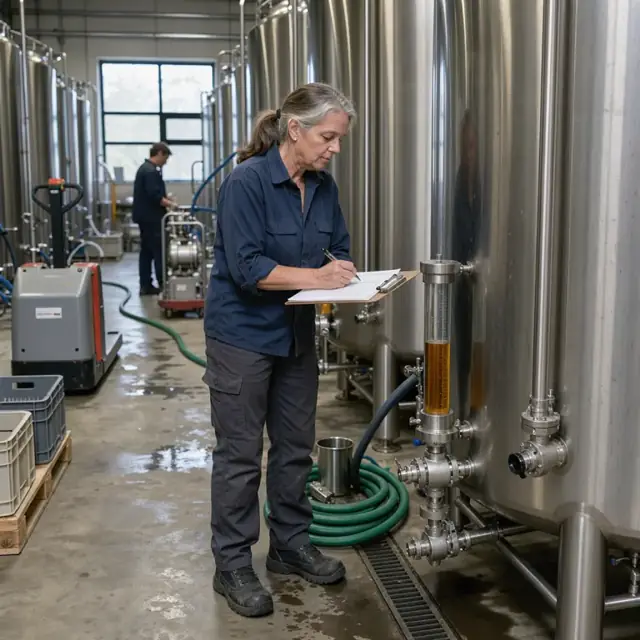
Lot and Inventory Tracker
Track every movement of bulk wine and finished goods and maintain accurate lot records.
Works in: Ambitious Sheets, Ambitious Tasks, Ambitious Docs · Workflows: Bulk and finished inventory tracking
Automates
- Logs transfers and updates tank and barrel inventories
- Calculates remaining volumes after racking and topping
- Links analysis results to each lot
- Generates inventory and cost reports
Stops for a person
- Cellar staff confirm every physical transfer
- The owner reviews month-end inventory adjustments

Label and Compliance Clerk
Prepare label content, COLA applications and regulatory filings from production data.
Works in: Ambitious Docs, Contract Analyzer, Ambitious Tasks · Workflows: Label and regulatory compliance
Automates
- Pulls composition and analysis data into label drafts
- Generates required government warning statements
- Prepares COLA and formula filings
- Tracks permit and license renewal deadlines
Stops for a person
- The winemaker reviews and approves all label copy and filings
- A person submits applications and handles any agency correspondence
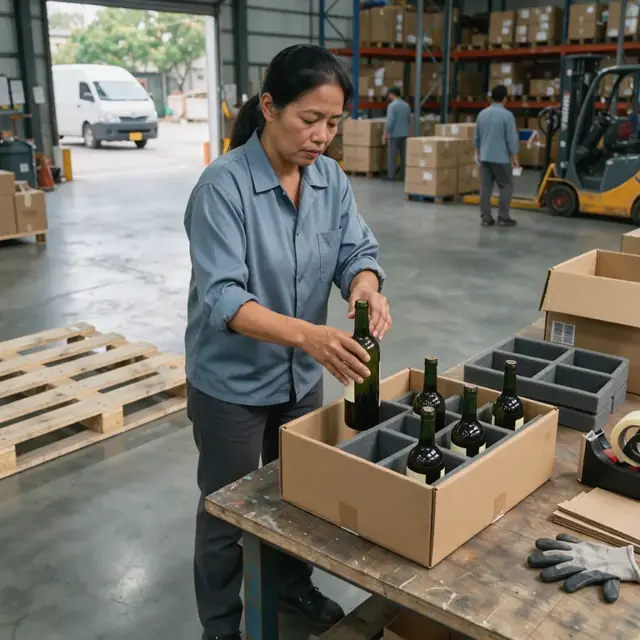
Fulfillment and Shipping Dispatcher
Turn approved orders into picked, packed and tracked shipments.
Works in: Ambitious Tasks, Ambitious Docs, Ambitious Sheets · Workflows: Order fulfillment and shipping
Automates
- Generates daily pick lists from allocated orders
- Creates packing slips and shipping labels
- Prepares temperature-controlled cartons when needed
- Logs tracking numbers and drafts customer notifications
Stops for a person
- A person verifies each picked case against the order
- The owner approves any international or high-value shipments
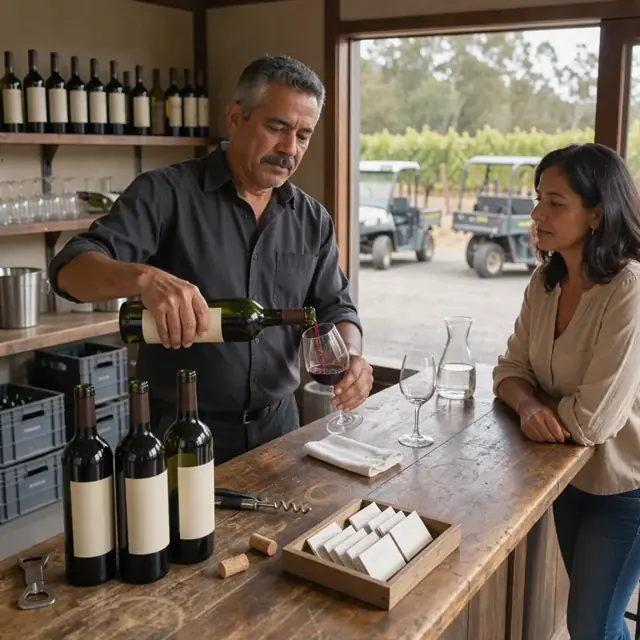
Wine Club and Tasting Room Host
Manage club shipments, capture tasting-room sales and prompt reorders.
Works in: Ambitious Tasks, Email Buckets, Ambitious Sheets · Workflows: Wine club and tasting-room operations
Automates
- Identifies members due for allocation
- Drafts personalized shipment offers
- Reconciles daily tasting-room sales to inventory
- Tracks member preferences for future selections
Stops for a person
- The owner selects which wines go to club members
- All outbound messages and offers are approved before sending

Equipment Maintenance Coordinator
Maintain sanitation, calibration and preventive-maintenance schedules for all winery equipment.
Works in: Ambitious Tasks, Ambitious Sheets, Process Optimizer · Workflows: Winery equipment and facility maintenance
Automates
- Generates daily and weekly sanitation checklists
- Schedules calibration and preventive maintenance
- Tracks chemical usage and cleaning logs
- Flags upcoming inspections or service dates
Stops for a person
- Cellar staff confirm completion of every sanitation task
- The winemaker approves any deviation from standard cleaning protocols
Workflows
Harvest and crush planning
Starts when: Weekly during growing season and when sugar sampling begins
- Pull current vineyard-block or supplier ripeness data into a forecast sheet
- Draft a daily crush schedule by variety and lot with tank availability
- Flag weather risks and adjust pick dates
- Create tasks for crew, equipment and receiving
- Update the master production calendar
Watch for: Sugar, acid and pH readings determine exact harvest day; Crush capacity and tank space limit daily tonnage
Order intake and allocation
Starts when: A customer or distributor places an order by form, email or tasting-room sale
- Capture wine name, vintage, bottle size or keg, quantity and any special requests
- Check against available finished-goods inventory and upcoming bottling
- Confirm shipping state rules and allocate specific lots when required
- Draft order confirmation and payment request
- Create a fulfillment task linked to the lot history
Watch for: Allocation lists for club members and high-demand releases; State-by-state shipping restrictions must be respected before confirmation
Wine production scheduling
Starts when: End of each month and after harvest
- Roll forward all current tank and barrel lots with their current status
- Draft next 90-day schedule for racking, blending, fining, filtration and bottling
- Match bottling runs to order backlog and club shipment dates
- Calculate projected case production and packaging needs
- Flag any lot that will require new label approval
Watch for: Barrel and tank turnover rates constrain the schedule; Bottling line setup times vary by closure and label type
Bulk and finished inventory tracking
Starts when: After every movement and weekly
- Record transfers between tanks, barrels, filtration or bottling
- Subtract from bulk wine inventory and add to finished-goods cases
- Maintain lot numbers, dates and analysis results
- Generate inventory reports for cost and tax purposes
- Alert when any wine approaches minimum stock thresholds
Watch for: Each barrel and tank is a separate tracked lot; Evaporation and topping losses must be logged
Label and regulatory compliance
Starts when: Before any new bottling run and on renewal dates
- Pull blend composition, alcohol, sulfite and allergen data from production records
- Draft COLA application and ingredient statements
- Generate label artwork with required government warnings
- Track TTB, state and FDA permit and license renewal dates
- Keep vintage and lot-specific records for audits
Watch for: Label copy must be approved by TTB before printing; Rules differ by sales channel and destination state
Order fulfillment and shipping
Starts when: Daily when orders are ready to ship
- Pull allocated cases or kegs from finished-goods inventory
- Generate pick lists, packing slips and shipping labels
- Draft commercial invoices and shipper's letters of instruction for international orders
- Prepare temperature-controlled packaging when required
- Record tracking numbers and send customer notifications
Watch for: Wine must stay within safe temperature range in transit; Direct-to-consumer shipments limited by state laws
Wine club and tasting-room operations
Starts when: Monthly for club shipments and daily for tasting-room sales
- Identify club members due for shipment
- Draft personalized allocation offers and reorder prompts
- Capture tasting-room sales by bottle and glass pour
- Reconcile daily cash and card sales to inventory depletion
- Track member preferences for future offers
Watch for: Club members expect allocated wines before public release; Tasting-room inventory must be refreshed from cellar daily
Winery equipment and facility maintenance
Starts when: Weekly and before each major production step
- Generate sanitation and calibration checklists for tanks, barrels, bottling line, filters and pumps
- Schedule preventive maintenance on presses, crushers, forklifts and temperature control systems
- Track cleaning logs, chemical usage and water quality tests
- Flag upcoming inspections or service due dates for refrigeration and bottling equipment
- Maintain records of repairs and parts inventory
Watch for: Sanitation between lots is mandatory to prevent cross-contamination; Temperature control units and barrel washers have strict maintenance windows
Bot templates for this industry
- Wineries Dtc Wine Club (3 bots)
- Wineries (8 bots)
Source: U.S. Small Business Administration, Office of Size Standards, Table of Small Business Size Standards Matched to North American Industry Classification System Codes, version March 2023 (effective 2023-03-17, NAICS 2022). Size standards are shown for reference only.