

Distilleries
Distilleries produce spirits from fermented mashes, age them in barrels, bottle and label for sale. For a craft distillery that makes whiskey, gin and seasonal releases, the specialists turn raw material orders into mash bills and distillation schedules, track barrel inventories through aging, manage bottling runs and labels, handle TTB paperwork and compliance checks, and coordinate direct-to-consumer and distributor shipments. Recipes, proofing decisions, label approvals and regulatory filings stay with the distiller.
What makes this business different
- Mash bills, yeast strains and distillation cuts that must be tracked precisely for each batch
- Barrel aging with entry and exit dates, proof changes and warehouse conditions
- Federal TTB formulas, label approvals, COLAs and production reports
- State and local distillery licenses, bonded warehouse permits and excise tax payments
- Inventory of spirits in tanks, barrels and bottles with proof and volume tracking
- Seasonal releases and limited editions that require pre-orders and allocation lists
- Direct-to-consumer shipping compliance including age verification and dry county rules
- Bottling lines with label placement, corking, wax dipping and case packing
- Allergen and ingredient labeling for any flavored spirits, plus temperature and sanitation logs
- Repeat distributor and tasting-room customers who reorder core expressions
Specialist bots

Grain and Ingredient Buyer
Convert upcoming mash bills and production plans into precise grain and supply orders while maintaining par levels.
Works in: Ambitious Sheets, Ambitious Tasks, Ambitious Docs · Workflows: Grain purchasing and mash bill planning
Automates
- Calculates grain quantities from mash bills
- Subtracts current inventory levels
- Drafts purchase orders by supplier
- Tracks special ingredient certifications
- Maintains recipe percentages for each spirit
Stops for a person
- The distiller approves all grain and yeast selections
- A person places and pays for all purchase orders
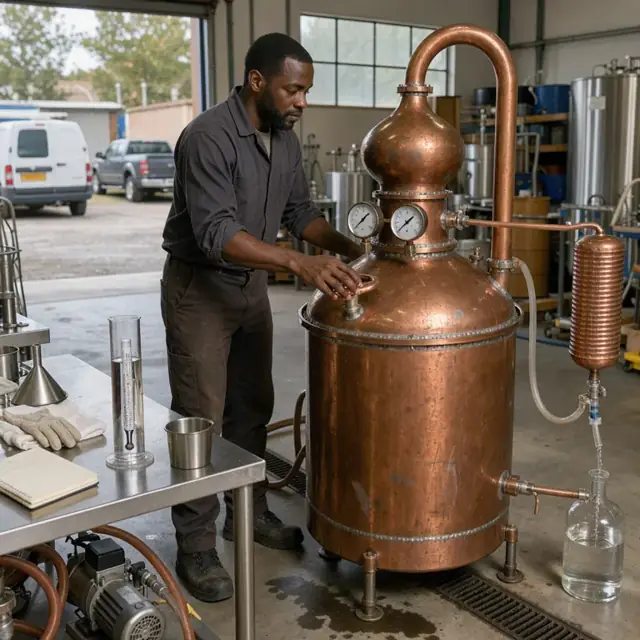
Distillation Scheduler
Turn production targets into a still and fermenter schedule while tracking each batch from mash to new make.
Works in: Ambitious Tasks, Process Optimizer, Ambitious Sheets · Workflows: Distillation scheduling and batch tracking
Automates
- Builds the weekly distillation calendar
- Assigns mash bills to equipment slots
- Generates batch numbers and logs
- Tracks progress from fermentation to spirit cut
- Moves completed runs into barrel or tank tasks
Stops for a person
- The distiller decides cut points and spirit quality
- Equipment cleaning verification is performed by people
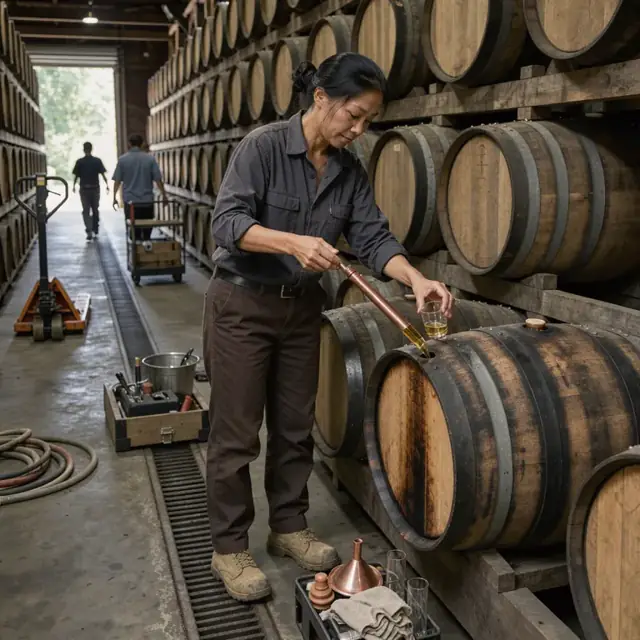
Barrel and Aging Manager
Maintain barrel inventory, aging records and plan dumping dates as spirits mature.
Works in: Ambitious Sheets, Ambitious Tasks, Ambitious Docs · Workflows: Barrel entry, aging and inventory
Automates
- Records barrel entry details and locations
- Tracks proof and volume changes over time
- Schedules sampling and dumping
- Calculates current inventory by age and type
- Flags barrels ready for bottling
Stops for a person
- The distiller approves all dumping and blending decisions
- Warehouse physical counts are verified by people
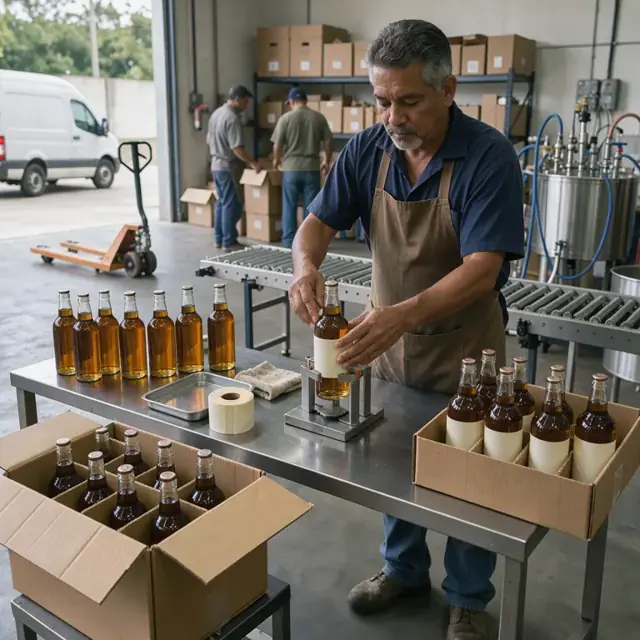
Bottling and Labeling Coordinator
Prepare bottling runs by generating approved labels, case counts and packaging specifications.
Works in: Ambitious Docs, Ambitious Sheets, Ambitious Tasks · Workflows: Bottling and labeling preparation
Automates
- Calculates bottling volumes from inventory
- Generates labels matching approved formulas
- Creates case and pallet counts
- Builds the bottling line schedule
- Tracks closure and packaging needs
Stops for a person
- The distiller reviews and approves all labels before use
- A person performs final label and fill checks

Regulatory Compliance Clerk
Organize production reports, track permit renewals and maintain formula and label approval records.
Works in: Ambitious Docs, Ambitious Sheets, Ambitious Tasks · Workflows: Regulatory compliance and reporting
Automates
- Compiles monthly production and storage reports
- Tracks tax payment and filing deadlines
- Monitors status of pending label approvals
- Maintains current permit and license lists
- Logs ingredient receipts against usage
Stops for a person
- The distiller confirms which federal and state requirements apply
- All reports and filings are reviewed and signed by people
- The bot never certifies compliance
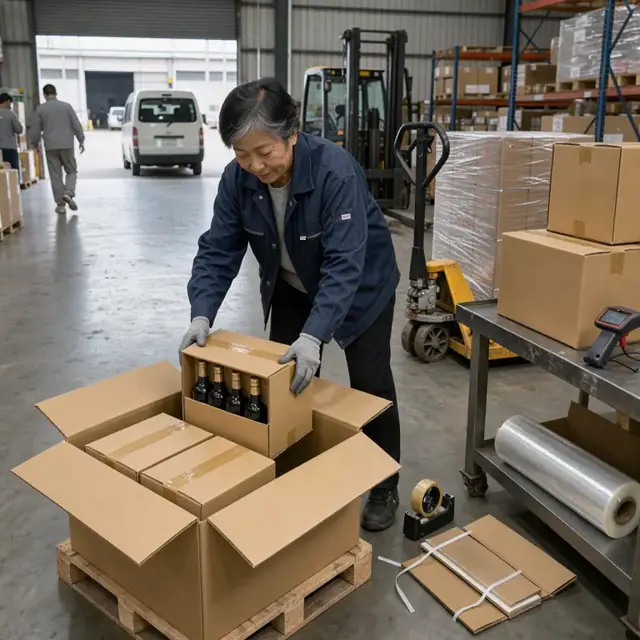
Order and Shipping Coordinator
Process customer and distributor orders, check inventory and prepare shipping documents.
Works in: Ambitious Tasks, Ambitious Docs, Ambitious Sheets · Workflows: Order intake and shipping preparation
Automates
- Captures order details and verifies stock
- Checks against allocation lists
- Drafts shipping labels and declarations
- Performs basic age verification steps
- Generates invoices with tax details
Stops for a person
- The owner approves all shipments to restricted states
- A person handles final age verification and carrier handoff

Release and Pre-order Planner
Manage seasonal and limited edition releases by handling pre-orders, allocations and customer communications.
Works in: Ambitious Tasks, Ambitious Docs, Email Buckets · Workflows: Seasonal release and pre-order management
Automates
- Builds pre-order forms and tracks reservations
- Maintains waiting lists and allocation counts
- Drafts announcement and availability messages
- Coordinates bottling windows with production
- Organizes customer communications
Stops for a person
- The owner approves all customer messages and offers
- Allocation limits and pricing are set by people
Workflows
Grain purchasing and mash bill planning
Starts when: Weekly or when inventory drops below par
- Review current grain, malt, yeast and enzyme inventory in sheets
- Calculate needs for upcoming mash bills and distillation runs
- Draft purchase orders for grains, malts, yeast and enzymes by supplier
- Update mash bill recipes with exact percentages
- Flag any organic or special-sourced ingredients for tracking
Watch for: Grain must meet exact moisture and quality specs for fermentation; Supplier lead times vary for specialty malts and rare grains
Distillation scheduling and batch tracking
Starts when: After grain intake and on a weekly cadence
- Build a production calendar matching fermenter and still availability
- Assign mash bills to specific still runs and record planned cut points
- Track fermentation progress and distillation logs
- Move new make spirit to designated barrels or tanks
- Generate batch numbers and initial production reports
Watch for: Still capacity and cleaning cycles limit daily runs; Different spirits cannot share equipment without thorough cleaning
Barrel entry, aging and inventory
Starts when: After each distillation run and monthly
- Record barrel entry details including date, proof, volume and warehouse location
- Track aging progress and sample schedules
- Calculate proof loss and volume changes over time
- Plan barrel dumping and blending dates
- Maintain barrel inventory by type, age and spirit
Watch for: Temperature and humidity in rickhouses affect aging rates; Barrel tracking must follow TTB identification requirements
Bottling and labeling preparation
Starts when: When sufficient aged spirit is ready and orders are confirmed
- Calculate bottling volume needed for orders and inventory
- Draft bottle, label and closure specifications
- Generate case counts and packaging requirements
- Prepare bottling line schedule and crew assignments
- Create batch-specific labels with proof and lot codes
Watch for: Label designs must match previously approved COLAs; Bottling must occur in the bonded area with precise volume fills
Regulatory compliance and reporting
Starts when: Monthly, quarterly and on permit renewal dates
- Compile production, storage and processing reports
- Track excise tax liabilities and payment due dates
- Monitor formula and label approval statuses
- Maintain distillery and bonded warehouse permits
- Log ingredient receipts and usage for audits
Watch for: Rules differ by federal, state and local jurisdictions; The distiller confirms which reports and approvals apply
Order intake and shipping preparation
Starts when: When a customer or distributor places an order
- Capture order details including spirit type, bottle size and quantity
- Check against available inventory and allocation lists
- Draft shipping documents and labels
- Perform age verification for direct consumer orders
- Prepare invoices and compliance declarations
Watch for: Certain states prohibit direct shipping of spirits; Excise taxes must be accounted for in pricing
Seasonal release and pre-order management
Starts when: Quarterly for new releases and limited editions
- Build pre-order forms with allocation limits
- Track reservations and waiting lists
- Coordinate with marketing on announcement timing
- Plan bottling and shipping windows for releases
- Draft customer communications about availability
Watch for: Limited editions require strict allocation to avoid overselling; Pre-orders must convert to confirmed paid orders before bottling
Bot templates for this industry
- Distilleries (7 bots)
Source: U.S. Small Business Administration, Office of Size Standards, Table of Small Business Size Standards Matched to North American Industry Classification System Codes, version March 2023 (effective 2023-03-17, NAICS 2022). Size standards are shown for reference only.