

Tobacco Manufacturing
Tobacco manufacturers blend, process, cut, and package leaf into cigarettes, cigars, pipe tobacco, chewing tobacco and snuff. For a facility that receives bulk cured leaf, blends custom recipes, runs cutting and rolling lines, and ships to distributors on fixed schedules, the specialists turn supplier deliveries into inventory, leaf and flavor orders into a production schedule, schedule into line setup and quality checks, and finished cases into labeling, excise paperwork and distributor shipments. Leaf aging, recipe fidelity, excise tax stamps and FDA requirements stay with the master blender and compliance lead.
What makes this business different
- Bulk leaf tobacco received in bales or cases that must be aged, stored by grade and kept at controlled humidity and temperature
- Proprietary blend recipes with exact ratios of leaf types, cuts, flavors, casings and top notes that cannot vary
- Production lines that require changeovers between cigarette, cigar, loose cut, chew and snuff runs with cleaning protocols
- Excise tax stamps, ingredient reporting, warning labels and child-resistant packaging that must be applied correctly per batch
- Distributor orders with fixed ship dates, minimum case quantities and pallet configurations
- Traceability from incoming leaf lot through finished product with lot codes on every case
- Seasonal spikes around holidays and regulatory reporting deadlines for ingredients and sales
Specialist bots

Leaf Receiver
Log every incoming tobacco bale or case, assign storage and keep leaf inventory accurate by grade and age.
Works in: Ambitious Sheets, Ambitious Tasks, Ambitious Docs · Workflows: Leaf receiving and aging
Automates
- Records supplier lot, weight and moisture data
- Assigns aging locations and projects ready dates
- Updates master inventory by grade
- Flags out-of-spec lots
Stops for a person
- The master blender approves any early use of leaf
- A person physically verifies moisture meter readings and bale condition

Blend and Production Planner
Convert distributor orders and forecasts into a detailed weekly production schedule and material reservations.
Works in: Ambitious Sheets, Process Optimizer, Ambitious Tasks · Workflows: Blend and production scheduling
Automates
- Explodes orders into leaf and flavor requirements using recipes
- Sequences runs to minimize changeovers
- Reserves inventory and identifies shortages
- Builds the line-by-line schedule
Stops for a person
- The master blender reviews and approves the schedule and any suggested substitutions
- The owner confirms production targets

Line Setup and Quality Technician
Prepare each production line according to the recipe, run first-article checks and record quality measurements.
Works in: Ambitious Tasks, Ambitious Docs, Ambitious Sheets · Workflows: Line setup and quality checks
Automates
- Pulls the correct recipe and materials list
- Generates setup checklist for the line
- Records first-article weight, moisture and appearance data
- Flags any parameter deviations
Stops for a person
- A qualified technician performs the physical line changeover and first-article inspection
- The master blender must sign off before the full run begins

Packaging and Labeling Clerk
Ensure every package receives the correct labels, tax stamps, lot codes and child-resistant features before casing.
Works in: Ambitious Tasks, Ambitious Docs, Contract Analyzer · Workflows: Packaging, labeling and excise application
Automates
- Generates the correct label and stamp requirements per product and destination
- Creates lot code sequences
- Checks packaging against regulatory rules for that product type
- Logs cases produced per batch
Stops for a person
- A person applies and visually inspects tax stamps and labels on the line
- The compliance lead confirms that all warning language matches current requirements
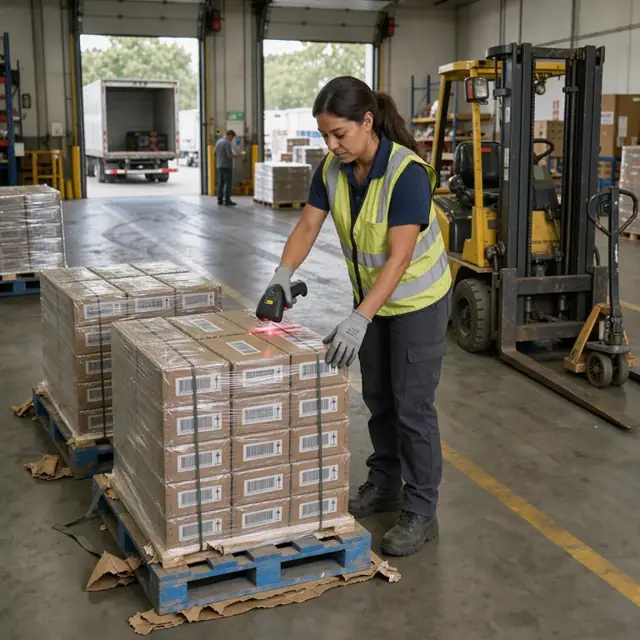
Distributor Shipment Coordinator
Match finished goods to distributor orders, prepare manifests, bills of lading and schedule pickups.
Works in: Ambitious Tasks, Ambitious Docs, Ambitious Sheets · Workflows: Distributor order fulfillment and shipping
Automates
- Matches inventory lots to orders
- Builds pallet manifests with traceability
- Generates invoices and excise summaries
- Drafts carrier pickup requests
Stops for a person
- The warehouse lead verifies physical pallet contents before loading
- A person signs and files all shipping documents
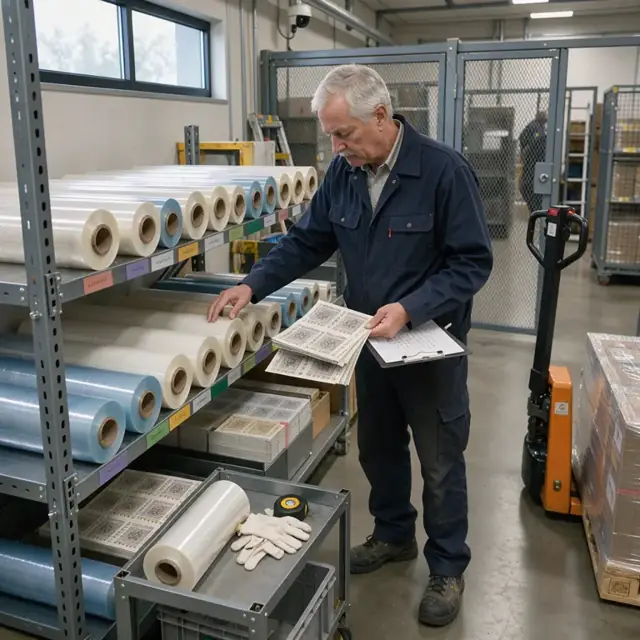
Inventory Replenishment Analyst
Track consumption, maintain par levels and draft reorder lists for leaf, flavors, packaging and tax stamps.
Works in: Ambitious Sheets, Ambitious Tasks · Workflows: Inventory and leaf reorder
Automates
- Subtracts usage after each run
- Compares stock to par and schedule needs
- Projects leaf availability from aging rooms
- Creates supplier reorder drafts
Stops for a person
- The owner approves and places all purchases
- The master blender reviews leaf grade substitutions

Regulatory Compliance Coordinator
Compile batch records, prepare ingredient reports and track permit and license renewal dates.
Works in: Ambitious Docs, Ambitious Sheets, Ambitious Tasks · Workflows: Regulatory and compliance documentation
Automates
- Assembles batch records and lot traceability files
- Prepares ingredient usage templates
- Tracks renewal dates for permits and licenses
- Maintains current master recipe versions
Stops for a person
- The compliance lead reviews every report before filing
- People confirm which regulatory requirements apply and sign all submissions
- The bot never certifies compliance
Workflows
Leaf receiving and aging
Starts when: Supplier delivery of tobacco bales or cases arrives
- Record supplier, grade, lot number, weight and moisture reading for each incoming lot
- Assign to aging room or silo by type and projected use date
- Update inventory sheets with available leaf by grade and age
- Flag any lots outside moisture or quality specs for review
- Generate receiving report for the blender
Watch for: Humidity and temperature must be logged daily in each aging area; Leaf cannot be used before minimum aging period per recipe
Blend and production scheduling
Starts when: Weekly or when distributor orders are confirmed
- Combine confirmed distributor orders with forecast demand
- Explode each order into required leaf grades and flavor quantities using the master recipes
- Create a sequenced production schedule showing line, run date, product type and changeover needs
- Reserve leaf and casing inventory for the schedule
- Flag any shortages and suggest substitutions for the master blender to approve
Watch for: Changeover time between flavored and unflavored or between cut types is significant; Certain blends can only run on specific lines
Line setup and quality checks
Starts when: Start of each production run
- Pull the exact recipe sheet and required leaf, flavor and casing materials to the line
- Verify line cleaning and changeover checklist is complete
- Set machine parameters for cut, moisture, weight and packaging
- Run first-article samples and record weight, moisture, blend appearance and seal integrity
- Approve run only after first-article samples pass
Watch for: Moisture content must stay within tight tolerances or product is rejected; Any deviation from the exact recipe voids the batch
Packaging, labeling and excise application
Starts when: After product exits the making line
- Apply correct packaging, tax stamps, health warning labels and lot codes per product type
- Check that each case carries the required child-resistant features and ingredient list
- Generate and attach excise tax documentation for the batch
- Record number of cases, pallets and lot codes produced
- Move completed pallets to finished goods holding with updated inventory
Watch for: Label and stamp placement is regulated and inspected; Different states and export markets require different warning language and packaging
Distributor order fulfillment and shipping
Starts when: Distributor purchase order received and production complete
- Match finished goods inventory to the order by lot and product
- Build pallet manifest with correct case counts and lot traceability
- Generate bill of lading, invoice and excise summary for the shipment
- Draft carrier pickup request with delivery window
- Close order and update distributor account
Watch for: Ship dates are often fixed by distributor contracts; Traceability must be maintained through the entire chain
Inventory and leaf reorder
Starts when: Weekly and after each production run
- Subtract consumed leaf, flavors, casings, packaging and stamps from inventory
- Compare remaining stock to minimum par levels and upcoming schedule
- Draft reorder list for leaf grades, flavors and packaging materials
- Track aging leaf that will become available in coming weeks
- Flag any packaging or stamp items nearing regulatory expiration
Watch for: Leaf must be ordered months in advance due to curing and shipping times; Packaging with tax imprints cannot be stockpiled too far ahead of regulatory changes
Regulatory and compliance documentation
Starts when: End of each production run and on regulatory deadlines
- Compile batch records, ingredient usage, lot codes and test results
- Generate ingredient submission files for FDA review
- Track and renew tobacco manufacturing permits, facility licenses and bonded warehouse status
- Prepare excise tax reports and payment summaries
- Maintain master recipe files with any approved changes
Watch for: Exact ingredient lists and quantities must be reported; The compliance lead confirms which reports are required each period
Bot templates for this industry
- Tobacco Manufacturing (7 bots)
Source: U.S. Small Business Administration, Office of Size Standards, Table of Small Business Size Standards Matched to North American Industry Classification System Codes, version March 2023 (effective 2023-03-17, NAICS 2022). Size standards are shown for reference only.