

Fiber, Yarn, and Thread Mills
Fiber, yarn and thread mills convert raw fibers into spun yarn, plied thread and wound packages for weaving, knitting and industrial use. For a mill that takes custom fiber blend orders and ships weekly, the specialists turn customer specifications into confirmed production orders, orders into a spinning schedule and material requirements, and the schedule into dyeing, winding, packaging and shipping plans. Fiber properties, twist specifications and quality testing stay with the mill technicians.
What makes this business different
- Custom fiber blends with precise percentages of wool, cotton, synthetics, recycled content and performance additives that must be mixed exactly
- Weekly production cadence with order cutoff before each spin run and dyeing batch
- Batch processing: one fiber mix, draft and spin plan for multiple customer orders sharing the same specification
- Raw fiber inventory with moisture content tracking, bale weights and lot traceability
- Dyeing and finishing with water usage logs, pH testing and color matching against standards
- Yarn count, twist per inch, ply and tensile strength testing with lab equipment and records
- Packaging on cones, tubes, skeins or beams with barcoded labels containing fiber content, lot number and care instructions
- Repeat industrial and craft customers who reorder specific yarn counts and blends for ongoing production runs
Specialist bots

Order Taker
Turn every custom fiber and yarn specification into a confirmed, mill-ready production order.
Works in: Ambitious Tasks, Ambitious Docs, Email Buckets · Workflows: Order intake and specification capture
Automates
- Reads incoming specification messages and order forms
- Captures blend percentages, count, twist, ply and testing needs
- Checks against running counts and next production week
- Drafts the order confirmation
- Creates the production order task
Stops for a person
- The mill manager approves any non-standard fiber blends
- Special testing requirements are reviewed by a technician
- A person sends confirmations and handles pricing exceptions

Production Scheduler
Turn each week's orders into a detailed spinning and processing schedule with machine assignments.
Works in: Ambitious Tasks, Process Optimizer · Workflows: Weekly production scheduling
Automates
- Groups orders by fiber blend and yarn count
- Builds the hour-by-hour schedule for opening through twisting
- Sequences sensitive fiber runs first
- Generates production tickets for each machine
Stops for a person
- The mill manager adjusts the schedule for maintenance or urgent orders
- Final machine assignments are approved by a supervisor before starting
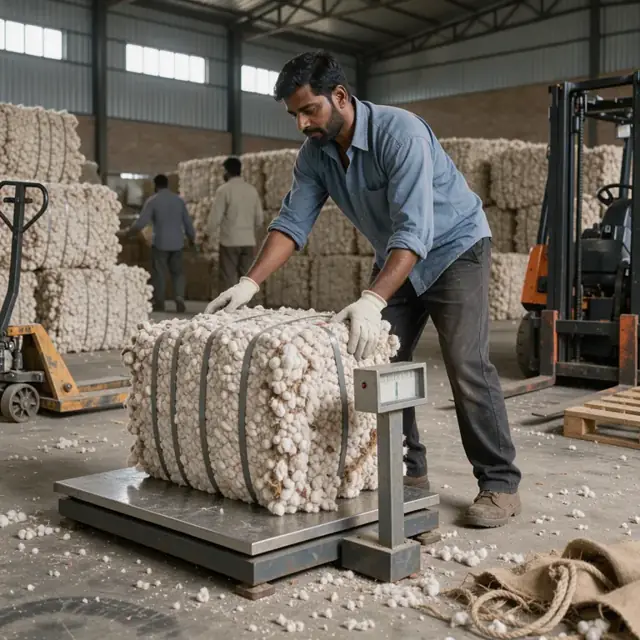
Fiber and Materials Planner
Turn the production schedule into precise fiber purchasing lists and maintain inventory traceability.
Works in: Ambitious Sheets, Ambitious Tasks · Workflows: Fiber purchasing and inventory planning
Automates
- Calculates required fiber by blend percentage and total weight
- Subtracts current stock by lot and bale
- Drafts purchase lists by supplier
- Tracks moisture content and waste
Stops for a person
- The owner places all purchases and approves spending
- Fiber substitutions that change blend properties require technician approval
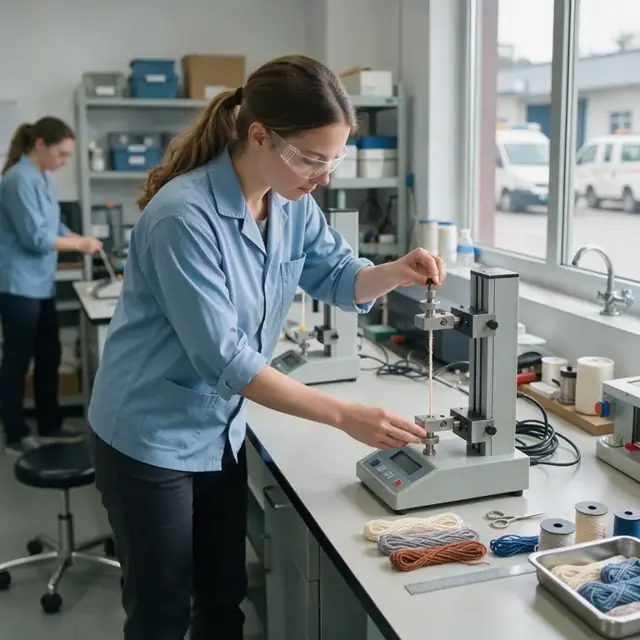
Quality Testing Coordinator
Run testing schedules, record lab results and maintain lot traceability for every production run.
Works in: Ambitious Tasks, Ambitious Sheets, Ambitious Docs · Workflows: Quality testing and lab tracking
Automates
- Generates daily testing checklists
- Logs results for count, twist, strength and evenness
- Compares results to customer specifications
- Maintains complete lot traceability records
Stops for a person
- A technician performs all physical tests and confirms results
- Any out-of-spec material decisions are made by the mill manager

Dyeing Batch Coordinator
Plan dyeing batches, create chemical addition logs and coordinate color matching and finishing.
Works in: Ambitious Tasks, Process Optimizer, Ambitious Sheets · Workflows: Dyeing batch and finishing coordination
Automates
- Groups yarn by color formula and fiber type
- Builds the dyeing schedule with required water and chemical volumes
- Creates pH and temperature tracking templates
- Drafts color approval sheets for review
Stops for a person
- The dyer verifies color matches before committing full batches
- All chemical additions and wastewater entries are confirmed by a person
- Water discharge records are reviewed by the mill manager

Packaging and Shipping Coordinator
Prepare packaging labels, packing lists and coordinate carrier pickups for finished yarn shipments.
Works in: Ambitious Tasks, Ambitious Docs, Ambitious Sheets · Workflows: Packaging and shipping preparation
Automates
- Groups packages by customer order
- Generates barcoded labels with all required information
- Drafts packing lists and shipping documents
- Plans pickup times and records shipment status
Stops for a person
- The owner approves all shipping documents before release
- Final package counts and weights are verified by a person
- A person handles all carrier communications

Maintenance and Compliance Clerk
Track equipment maintenance schedules and organize regulatory paperwork and permit renewals.
Works in: Ambitious Tasks, Ambitious Docs, Ambitious Sheets · Workflows: Equipment maintenance and regulatory paperwork
Automates
- Generates weekly maintenance checklists for all machines
- Tracks lubrication, calibration and inspection dates
- Warns before permit and testing renewals
- Organizes safety data sheets and environmental logs
Stops for a person
- Technicians perform all physical maintenance and record actual work done
- The mill manager confirms which local regulatory requirements apply
- Inspections and any corrective actions are handled by people
Workflows
Order intake and specification capture
Starts when: A customer submits specifications by form, email or purchase order
- Capture fiber blend percentages, yarn count, twist per inch, ply, color and end use
- Check the order against current running counts, available fiber stock and machine capabilities
- Confirm production week against the next spin run cutoff
- Record any special testing or certification requirements
- Create one production order task with a mill-ready specification sheet
Watch for: Fiber percentages must be captured exactly and never rounded; Orders after cutoff roll to the next run unless the mill manager approves an exception
Weekly production scheduling
Starts when: Order cutoff for each production week
- Lock the order list for the run
- Group orders by fiber blend, yarn count and ply type
- Build a timed schedule for opening, blending, carding, drafting, spinning, winding and twisting
- Flag orders needing separate runs for sensitive fibers or color changes
- Generate draft production tickets with machine assignments
Watch for: Spinning frame capacity and changeover times limit each run; Color or fiber contamination requires thorough cleaning between batches
Fiber purchasing and inventory planning
Starts when: After cutoff and monthly
- Explode the production schedule into raw fiber and additive requirements by blend
- Subtract current stock and open bales by lot
- Draft purchase lists by supplier for wool, cotton, synthetics and dyes
- Track bale weights, moisture content and inventory par levels
- Log fiber waste from opening and carding
Watch for: Natural fibers bought seasonally with storage for humidity control; Dyes and chemicals ordered with shelf-life considerations
Quality testing and lab tracking
Starts when: During and after each production run
- Generate daily testing checklist for yarn count, twist, strength and evenness
- Record lab results from each machine and lot
- Compare results against customer specifications
- Flag any out-of-spec production for rework or downgrade
- Maintain lot traceability records
Watch for: Each lot must be traceable back to specific fiber bales; Test equipment calibration dates must be tracked
Dyeing batch and finishing coordination
Starts when: After spinning for dyed orders
- Group spun yarn by color formula and fiber type
- Build a dyeing schedule with water volumes and chemical additions
- Create pH and temperature logs for each batch
- Schedule drying, winding and any final treatments
- Draft color match approval sheets
Watch for: Water treatment and discharge logs required for each run; Color matching must be verified before full batch dyeing
Packaging and shipping preparation
Starts when: End of each production week
- Group finished packages by customer and order
- Generate barcoded labels with fiber content, lot number, net weight and care instructions
- Draft packing lists and commercial invoices
- Plan carrier pickup or customer collection
- Record any returns or quality issues
Watch for: Yarn must be protected from moisture and contamination in transit; Industrial customers often require specific pallet configurations
Equipment maintenance and regulatory paperwork
Starts when: Weekly and on scheduled dates
- Generate preventive maintenance checklist for cards, draw frames, ring spinners and winders
- Track lubrication, belt tension and bearing checks
- Monitor renewal dates for operating permits, environmental reports and wastewater testing
- Keep safety data sheets for all chemicals current
- Log any downtime or machine adjustments
Watch for: Rules for dust control, noise and wastewater differ by location; The mill manager confirms which regulatory requirements apply
Bot templates for this industry
- Fiber, Yarn, and Thread Mills (7 bots)
Source: U.S. Small Business Administration, Office of Size Standards, Table of Small Business Size Standards Matched to North American Industry Classification System Codes, version March 2023 (effective 2023-03-17, NAICS 2022). Size standards are shown for reference only.