

Broadwoven Fabric Mills
Broadwoven fabric mills produce woven textiles from cotton, wool, synthetic and blended yarns on wide looms for apparel, home goods and industrial uses. For a mill running multiple styles and fiber types on a weekly production schedule, the specialists turn customer specifications into loom setups and dye formulas, track yarn and dye inventory against the weave plan, schedule loom changes and maintenance, generate quality inspection checklists, and prepare shipping documents and compliance paperwork. Loom operators and dyers keep final control of machine settings and color approval.
What makes this business different
- Customer-specified constructions including yarn count, weave pattern, width, weight and finish that must be replicated exactly on each run
- Weekly production schedules with loom changeovers between styles and fiber types
- Large yarn inventories in many counts, colors and fiber compositions with precise usage tracking to minimize waste
- Dyeing and finishing processes that require water treatment records, chemical logs and effluent compliance
- In-process and final quality checks for defects, colorfastness, tensile strength and dimensional stability
- Loom maintenance, downtime tracking and preventive schedules to maximize uptime on capital-intensive equipment
- Shipment paperwork, packing lists, invoices and certificates of conformity that travel with each roll or bale
- Repeat mill customers who reorder staple fabrics on blanket orders with call-off dates
Specialist bots

Order Engineer
Convert customer fabric specifications into precise loom setup sheets, yarn calculations and technical production instructions.
Works in: Ambitious Docs, Ambitious Sheets, Ambitious Tasks · Workflows: Order specification and loom setup
Automates
- Parses order details into standardized construction parameters
- Calculates yarn requirements and draft ratios
- Generates loom setup documents with all technical details
- Checks against historical production records for repeat styles
Stops for a person
- The head weaver reviews and approves all new or modified setups
- Any deviation from customer specifications requires owner approval
- Final technical package is confirmed by a person before release to the floor
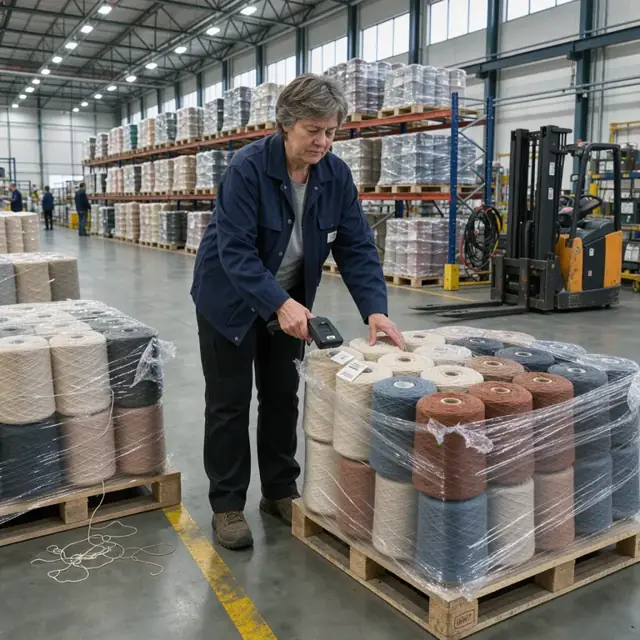
Yarn and Materials Manager
Track yarn and chemical inventories, explode production schedules into purchase needs, and maintain par levels for all raw materials.
Works in: Ambitious Sheets, Ambitious Tasks, Ambitious Docs · Workflows: Yarn purchasing and inventory management
Automates
- Calculates exact yarn quantities needed per style and color
- Subtracts current stock and pending receipts
- Drafts purchase requisitions by supplier and fiber type
- Tracks consumption rates and waste percentages
Stops for a person
- The purchasing manager approves and places all yarn and dye orders
- Any substitution of yarn type or supplier requires technical approval
- Physical inventory counts are performed and reconciled by people
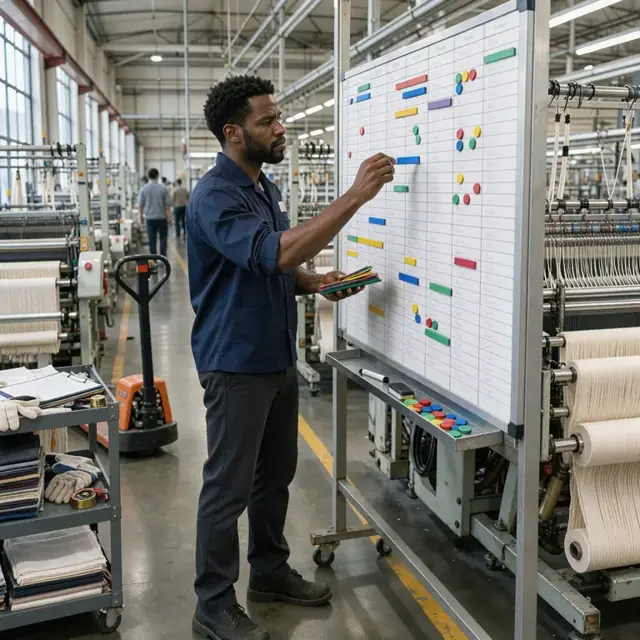
Loom Scheduler
Create efficient weekly loom schedules that minimize changeovers while meeting delivery dates and maintenance requirements.
Works in: Ambitious Sheets, Ambitious Tasks · Workflows: Loom scheduling and changeover planning
Automates
- Sequences orders to reduce setup time between styles
- Assigns production to appropriate loom types and widths
- Builds detailed changeover and startup timelines
- Highlights conflicts with maintenance windows
Stops for a person
- The production manager reviews and adjusts the final schedule
- Any schedule that delays a customer order must be approved by the owner
- Changes to loom assignments are confirmed by the weave room supervisor

Dye and Finish Coordinator
Generate dye formulas, finishing sequences and environmental logs for each production batch.
Works in: Ambitious Docs, Ambitious Sheets, Ambitious Tasks · Workflows: Dyeing and finishing coordination
Automates
- Creates dye recipes based on color specifications and fiber type
- Calculates chemical and water requirements for each batch
- Produces required environmental and process logs
- Schedules lab testing for color and performance
Stops for a person
- The dyer approves all formulas before production
- Color standard approval is performed by a person
- All environmental records are reviewed and signed by the responsible manager
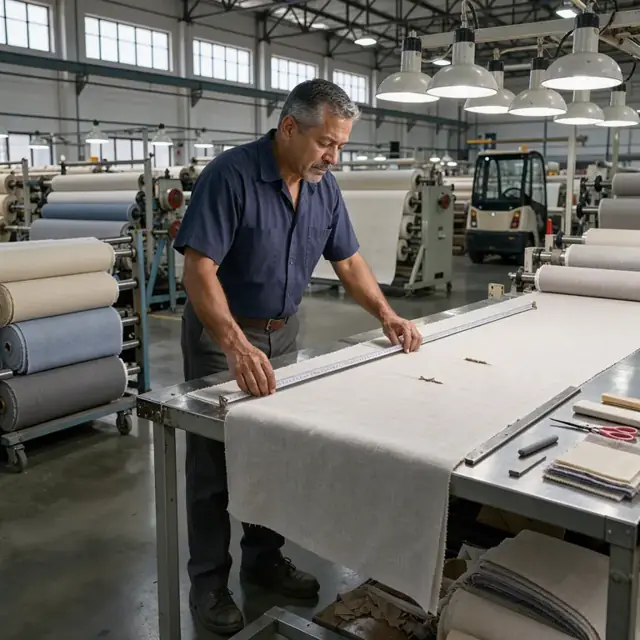
Quality Inspection Coordinator
Create inspection checklists tailored to each fabric style and customer, then compile test results and certificates.
Works in: Ambitious Docs, Ambitious Tasks, Ambitious Sheets · Workflows: Quality inspection and defect tracking
Automates
- Generates defect and specification checklists for each roll
- Compiles test data from lab and floor inspections
- Flags rolls that fall outside customer tolerances
- Drafts certificates when all requirements are met
Stops for a person
- Inspectors perform all physical examinations and enter results
- The quality manager reviews and signs all certificates before release
- Any disposition of defective material is decided by people

Shipping and Documentation Clerk
Prepare all packing lists, invoices, bills of lading and compliance certificates that accompany each shipment.
Works in: Ambitious Docs, Ambitious Tasks, Contract Analyzer · Workflows: Shipping and compliance documentation
Automates
- Generates packing lists from inspected roll data
- Compiles required certificates and test reports
- Drafts commercial documents for each customer order
- Creates shipment tasks with carrier instructions
Stops for a person
- All documents are reviewed and approved by a person before release
- The shipping supervisor verifies physical contents against documents
- Any special compliance statements are confirmed by the compliance officer

Equipment Maintenance Coordinator
Track loom runtime, generate preventive maintenance schedules, and create work orders based on usage and calendar triggers.
Works in: Ambitious Sheets, Ambitious Tasks, Process Optimizer · Workflows: Loom and equipment maintenance tracking
Automates
- Calculates runtime hours and production meters per loom
- Generates maintenance checklists based on accumulated hours
- Schedules maintenance windows around production
- Tracks parts inventory and replacement cycles
Stops for a person
- All maintenance work is performed and signed off by certified mechanics
- The maintenance manager approves schedule changes
- Any major repair decisions are made by the owner or plant engineer
Workflows
Order specification and loom setup
Starts when: Receipt of customer purchase order or blanket order release
- Extract required yarn type, count, weave pattern, width, pick count, color and finish from the order
- Check against current loom capabilities and available yarn stock
- Generate draft loom setup sheet with warp and weft specifications
- Calculate required yarn quantities and draft dye formula if needed
- Create production task with full technical specification for the weave floor
Watch for: Exact replication of historical constructions for repeat orders; Different setup requirements for cotton, wool, synthetics and blends
Yarn purchasing and inventory management
Starts when: After order specification and weekly
- Explode the production schedule into yarn requirements by count, color and fiber
- Subtract current stock and work-in-process usage
- Draft purchase orders for yarn and dyes by supplier
- Track par levels for staple yarns and update consumption rates
- Log returns, defects and waste from each beam
Watch for: Yarn must be ordered with sufficient lead time for dyeing or texturing; Moisture-sensitive fibers require controlled storage conditions
Loom scheduling and changeover planning
Starts when: Weekly and after each major order confirmation
- Sequence current and incoming orders to minimize loom changeovers
- Assign orders to specific looms based on width, speed and attachments
- Build timed schedule including warp-out, cleaning, new warp tying and startup
- Flag any required maintenance or beam changes
- Use the construction scheduler to optimize run lengths and efficiency
Watch for: Loom changeovers can take hours or days depending on warp complexity; Certain weave patterns require specific loom configurations that limit flexibility
Dyeing and finishing coordination
Starts when: After greige fabric is woven or on dyed-yarn orders
- Generate dye formulas and process instructions from color specifications
- Track batch numbers and liquor ratios for each dye lot
- Create finishing sequence for required treatments such as mercerizing, sanforizing or coating
- Draft water usage and chemical logs for environmental reporting
- Schedule testing for colorfastness and shrinkage
Watch for: Color approval must occur before full production runs; Effluent treatment records are required for every dye and finish run
Quality inspection and defect tracking
Starts when: End of each loom run and after finishing
- Generate inspection checklist for the specific construction and customer requirements
- Record results for defects, width, weight, tensile strength and color
- Flag any rolls that fail specifications and suggest disposition
- Maintain digital defect map for each roll
- Draft certificate of analysis or conformity when all checks pass
Watch for: Different customers have unique acceptance criteria for the same fabric style; Certain defects only appear after finishing or dyeing
Shipping and compliance documentation
Starts when: When fabric is inspected, packed and ready to ship
- Generate packing list with roll or bale numbers, lengths and net weights
- Draft commercial invoice and bill of lading
- Compile any required certificates of origin, conformity or test reports
- Create shipment task with delivery address and special instructions
- Track shipment status until carrier confirmation
Watch for: Many export orders require specific origin and compliance documentation; Hazardous finishing chemicals may require special transport declarations
Loom and equipment maintenance tracking
Starts when: After each loom run and on fixed calendar intervals
- Log runtime hours and production meters for each loom
- Generate preventive maintenance checklist based on hours and style
- Track parts usage and upcoming replacement schedules
- Record downtime causes and duration
- Draft work orders for mechanics when issues are detected
Watch for: Looms are high-capital assets requiring meticulous maintenance to avoid costly breakdowns; Maintenance windows must be coordinated with production schedule
Bot templates for this industry
- Broadwoven Fabric Mills (7 bots)
Source: U.S. Small Business Administration, Office of Size Standards, Table of Small Business Size Standards Matched to North American Industry Classification System Codes, version March 2023 (effective 2023-03-17, NAICS 2022). Size standards are shown for reference only.