

Narrow Fabric Mills and Schiffli Machine Embroidery
Narrow fabric mills and schiffli embroidery operations produce woven tapes, ribbons, elastics, labels, trims and embroidered goods to customer specifications. For a shop that receives custom width, color, yarn and embroidery pattern orders, the specialists turn order details into confirmed production specs, production specs into weaving and embroidery schedules, schedules into material pulls and quality checkpoints, and finished goods into labeled packs and shipping labels. Weave patterns, thread colors, tension settings and quality standards stay with the machine operators.
What makes this business different
- Custom specifications for width, length, yarn type, color, weave structure, elasticity and embroidery design that must be captured exactly
- Production runs that range from small sample orders to large batch repeats with strict matching requirements
- Multiple machine types including needle looms, shuttle looms and schiffli embroidery machines that require specific setup and changeover times
- Yarn, thread and backing inventory with color matching, lot tracking and minimum order quantities from suppliers
- In-process and final quality checks for tension, alignment, colorfastness, edge finish and embroidery stitch accuracy
- Compliance paperwork including fiber content labels, care instructions, flammability certificates and country of origin markings
- Repeat customers who reorder exact previous runs and require sample approvals before full production
Specialist bots
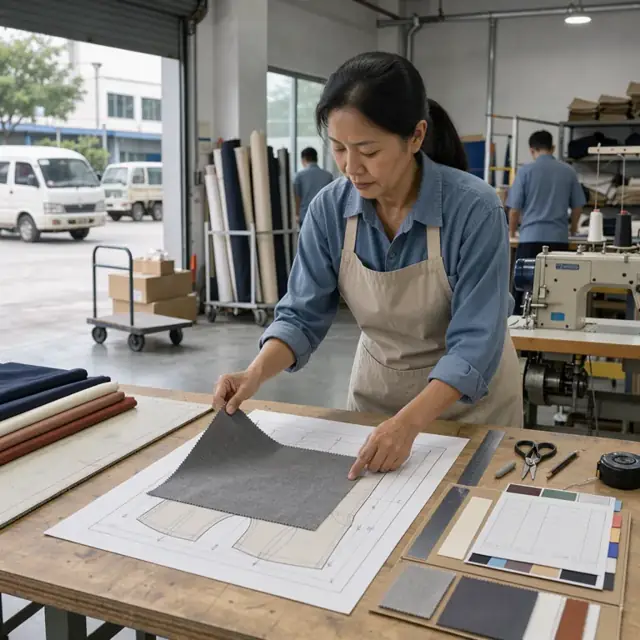
Order Specification Specialist
Turn every custom narrow fabric or embroidery request into a complete, machine-ready production specification.
Works in: Ambitious Tasks, Ambitious Docs, Contract Analyzer · Workflows: Order intake and specification capture
Automates
- Reads incoming order messages, forms and purchase orders
- Extracts width, yarn type, color, pattern, quantity and delivery requirements
- Checks against machine capabilities and current stock
- Drafts confirmation and specification sheet
- Creates the production task with attached design files
Stops for a person
- The lead operator reviews and approves complex weave or embroidery specifications
- Any deviation from standard offerings is confirmed with the owner before acceptance
- A person sends order confirmations and handles deposit or payment questions

Production Scheduler
Convert confirmed orders into an optimized schedule across looms and schiffli embroidery machines.
Works in: Ambitious Tasks, Process Optimizer, Ambitious Sheets · Workflows: Weaving and embroidery scheduling
Automates
- Groups orders by machine type and yarn requirements
- Calculates run times and changeover requirements
- Builds the weekly machine schedule with maintenance windows
- Generates setup instructions for each job
- Flags conflicts with sample or rush orders
Stops for a person
- The machine operators review and adjust the schedule for practical constraints
- The owner approves any changes to promised delivery dates
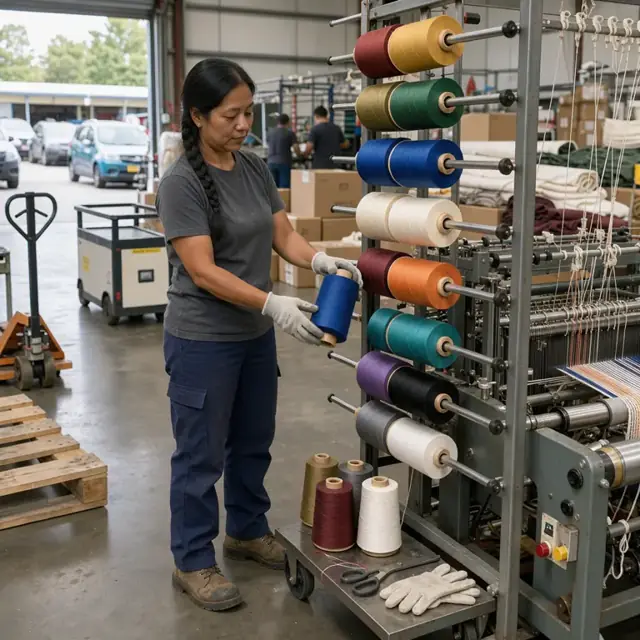
Yarn and Materials Coordinator
Prepare exact yarn, thread and backing materials needed for each scheduled production run.
Works in: Ambitious Sheets, Ambitious Tasks · Workflows: Yarn and material preparation
Automates
- Creates material pull lists from the production schedule
- Checks and reserves current stock by lot number
- Generates reorder lists when stock falls below par
- Tracks conditioning time for yarns
- Logs material usage and waste
Stops for a person
- The owner places and approves all purchases
- Color matching of new dye lots is verified by a person before use

Quality Verification Specialist
Run in-process and final inspections against customer specifications and record all measurements.
Works in: Ambitious Tasks, Ambitious Docs, Ambitious Sheets · Workflows: In-process and final quality inspection
Automates
- Generates inspection checklists specific to each order
- Records tension, width, stitch density and color match data
- Compares results against tolerance requirements
- Creates visual records of the product at key stages
- Flags any items needing rework or rejection
Stops for a person
- The lead operator performs final visual approval of finished goods
- The owner reviews and signs off on all quality reports before shipment

Finishing and Packaging Coordinator
Manage all post-production steps including labeling, finishing and customer-specific packaging.
Works in: Ambitious Docs, Ambitious Tasks, Ambitious Sheets · Workflows: Finishing, labeling and packaging
Automates
- Generates all required content and care labels from order specifications
- Creates packing lists and shipping labels
- Tracks custom put-up requirements for each customer
- Updates inventory records after packaging
- Prepares documentation packets for each order
Stops for a person
- A person applies all physical labels and performs final packing check
- The owner approves any custom labeling or special packaging requests

Inventory Replenishment Planner
Maintain appropriate stock levels of yarns, threads and supplies based on the production schedule.
Works in: Ambitious Sheets, Ambitious Tasks · Workflows: Inventory and supplier replenishment
Automates
- Monitors stock against par levels and upcoming orders
- Drafts purchase orders with correct minimum quantities
- Tracks supplier lead times and adjusts reorder points
- Identifies and flags slow-moving inventory
- Updates records when shipments arrive
Stops for a person
- The owner reviews and approves every purchase order before sending
- Incoming materials are physically inspected and accepted by a person

Compliance and Labeling Documenter
Generate and organize all required labels, certificates and traceability documents for each production batch.
Works in: Ambitious Docs, Ambitious Sheets, Ambitious Tasks · Workflows: Compliance and certification paperwork
Automates
- Creates fiber content and care instruction labels from yarn data
- Attaches applicable test certificates to orders
- Tracks batch and lot numbers for traceability
- Prepares market-specific compliance packets
- Reminds about renewal dates for any required certifications
Stops for a person
- The owner confirms which requirements apply to each destination market
- All documents that will be sent to customers are reviewed and approved by a person
Workflows
Order intake and specification capture
Starts when: A customer submits an order by form, email, purchase order or direct message
- Capture exact width, length, color, yarn type, weave structure, elasticity, embroidery design file and quantity
- Check the order against current machine capabilities and available yarn stock
- Confirm delivery or pickup date against the production calendar
- Record any sample or approval requirements and payment status
- Create one production task with a machine-ready specification sheet
Watch for: Design files must be verified as compatible with schiffli machines; Color matching often requires physical swatches rather than digital references
Weaving and embroidery scheduling
Starts when: After order confirmation and weekly
- Group orders by machine type, yarn color family and width
- Build a timed schedule accounting for setup, run time, changeover and maintenance
- Assign jobs to specific looms or schiffli machines based on capabilities
- Flag rush orders and sample runs that must be completed first
- Generate operator instruction sheets with tension, stitch and pattern settings
Watch for: Machine changeovers can take several hours when switching yarn or patterns; Schiffli machines require precise alignment of backing and top threads
Yarn and material preparation
Starts when: Before each production run
- Explode the production schedule into a yarn and thread pull list by color and lot
- Check current inventory and draft reorder quantities for low stock items
- Stage bobbins, beams and backing materials for each machine
- Track dye lot numbers for color consistency across orders
- Log any waste or leftover materials from previous runs
Watch for: Yarn must be conditioned in the production environment before use; Specialty threads often have short shelf life and minimum purchase quantities
In-process and final quality inspection
Starts when: During and at completion of each production run
- Generate inspection checklist for tension, edge finish, stitch density and color match
- Record measurements at set intervals during the run
- Flag any deviations and alert for machine adjustment
- Create final inspection report with photos of finished product
- Approve or quarantine goods before moving to finishing
Watch for: Certain defects can only be caught under specific lighting conditions; Elastic fabrics must be checked at both relaxed and stretched states
Finishing, labeling and packaging
Starts when: After quality approval
- Generate required labels with fiber content, care instructions, origin and batch numbers
- Cut or roll goods to ordered lengths and apply edge treatments if needed
- Pack according to customer requirements including spools, reels, folded cards or bulk
- Create shipping labels and packing lists
- Update inventory with completed quantities and move to shipping area
Watch for: Many customers require specific put-up styles and packaging materials; Custom labels must match the customer's brand specifications exactly
Inventory and supplier replenishment
Starts when: Weekly and when stock falls below par
- Review current yarn, thread, backing and packaging stock levels
- Compare against upcoming production schedule and par levels
- Draft purchase orders for suppliers with lead time considerations
- Track incoming shipments and update inventory records
- Identify slow moving or obsolete stock for review
Watch for: Many specialty yarns have long lead times from international suppliers; Color consistency between dye lots must be verified before acceptance
Compliance and certification paperwork
Starts when: With each production run and on renewal dates
- Generate fiber content and care labels based on yarn specifications
- Track and attach flammability test results or other required certificates
- Maintain country of origin documentation for each batch
- Log production dates, batch numbers and operator details
- Prepare customer-specific compliance packets
Watch for: Labeling requirements vary by destination market and end use; Certain medical or safety applications require additional traceability
Bot templates for this industry
Source: U.S. Small Business Administration, Office of Size Standards, Table of Small Business Size Standards Matched to North American Industry Classification System Codes, version March 2023 (effective 2023-03-17, NAICS 2022). Size standards are shown for reference only.