

Nonwoven Fabric Mills
Nonwoven fabric mills produce rolls and sheets of bonded fiber material through processes such as carding, needling, thermal bonding, chemical saturation or hydroentanglement. For a mill that runs custom basis-weight, width and finish orders on a weekly production schedule, the specialists turn incoming specs into confirmed production orders, orders into a line schedule and raw-fiber blend plan, and the schedule into material requisitions, quality-test checkpoints and shipment labels. Fiber recipes, line settings, bonding parameters and test methods stay with the line operators and lab.
What makes this business different
- Custom specifications for basis weight, width, fiber blend, bonding type, finish and color that must be captured exactly for each order
- Weekly production cadence with order cutoff before each run to allow fiber and additive procurement
- Batch and continuous production: one fiber blend and machine setup for multiple customer orders of the same spec
- Raw fibers, binders, additives and packaging consumed in large quantities with minimum-order quantities and lot traceability
- Roll or sheet cutting, slitting, winding and core specifications, with finished-goods inventory of standard items
- In-process and final quality testing for tensile strength, absorbency, thickness, uniformity and regulatory requirements with documented results
- Repeat industrial customers who reorder standard grades and request material certifications for each lot
Specialist bots
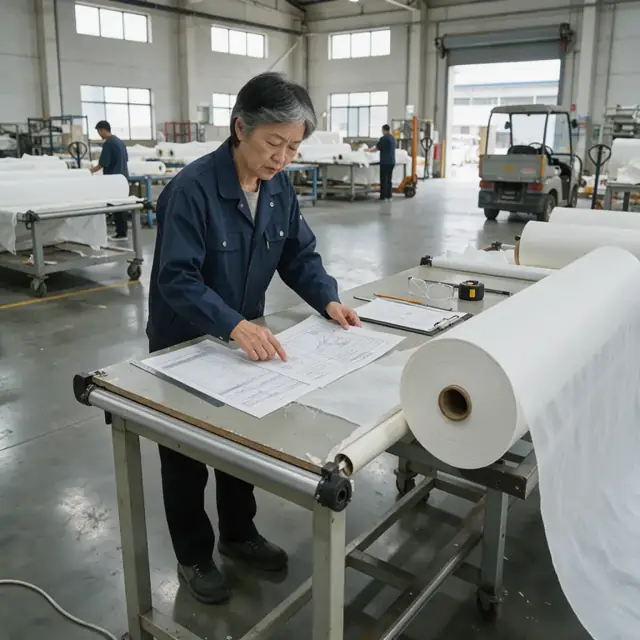
Order Taker
Turn every custom nonwoven specification into a confirmed, machine-ready production order.
Works in: Ambitious Tasks, Ambitious Docs, Email Buckets · Workflows: Order intake and specification capture
Automates
- Reads incoming specification forms and purchase orders
- Extracts basis weight, width, blend, bonding type, finish and quantity
- Checks against current line capabilities and minimum runs
- Drafts the order acknowledgment
- Creates the production task with full specification sheet
Stops for a person
- The production manager approves non-standard blends or bonding methods
- Special testing or certification requirements are reviewed by the lab
- A person sends acknowledgments and resolves pricing discrepancies
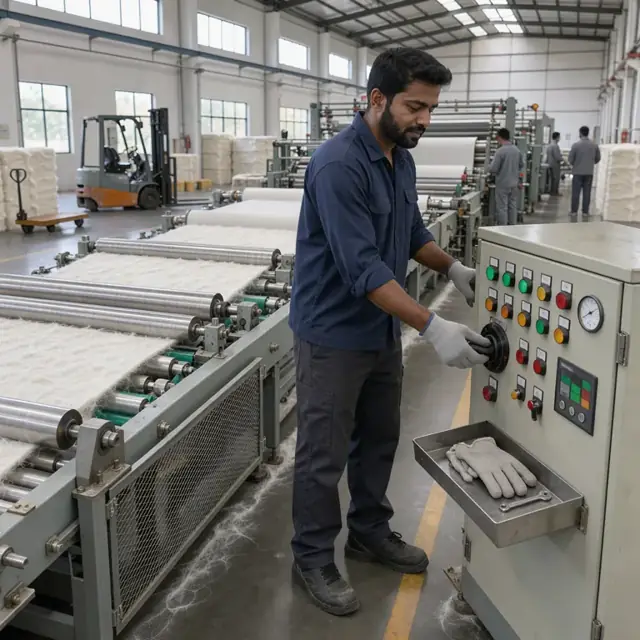
Production Line Scheduler
Turn the weekly order list into a sequenced line schedule with setup parameters.
Works in: Ambitious Tasks, Ambitious Sheets, Process Optimizer · Workflows: Weekly production line scheduling
Automates
- Groups compatible orders by fiber blend and bonding method
- Calculates run times and changeover allowances
- Sequences special orders after standard material
- Generates machine setup sheets with speed, temperature and pressure values
Stops for a person
- The line operator reviews and adjusts the schedule
- Final setup sheets are confirmed by a person before startup

Raw Material Planner
Convert the production schedule into fiber, binder and packaging requisitions while tracking inventory.
Works in: Ambitious Sheets, Ambitious Tasks, Ambitious Docs · Workflows: Raw material and inventory planning
Automates
- Calculates required fiber and additive quantities from the schedule
- Subtracts current stock and pending receipts
- Drafts purchase requisitions by supplier
- Monitors par levels and yield loss
Stops for a person
- The owner approves and places all purchases
- Any fiber substitution that affects specifications requires production manager approval

Quality Testing Clerk
Generate and record test schedules and prepare lot-specific test reports and certifications.
Works in: Ambitious Tasks, Ambitious Sheets, Ambitious Docs · Workflows: In-process and final quality testing
Automates
- Creates test schedules matched to each order's requirements
- Logs test results for basis weight, tensile and other properties
- Compares results to required limits
- Drafts material certification reports
Stops for a person
- Lab technicians perform the physical tests and enter raw data
- The quality manager reviews and signs all certifications before release
- The bot never certifies compliance

Shipping and Labeling Coordinator
Prepare roll labels, packing lists and shipping documents for each completed order.
Works in: Ambitious Tasks, Ambitious Docs, Ambitious Sheets · Workflows: Finished goods labeling and shipment preparation
Automates
- Generates roll and pallet labels with all required identifiers
- Groups finished goods by customer order
- Drafts packing lists and bills of lading
- Records shipment details and carrier information
Stops for a person
- The warehouse team verifies label accuracy and roll condition before loading
- A person reviews and approves all shipping documents

Maintenance and Permit Clerk
Run pre-production checklists, track equipment maintenance and monitor permit and calibration dates.
Works in: Ambitious Tasks, Ambitious Sheets, Ambitious Docs · Workflows: Line maintenance and permit tracking
Automates
- Generates daily pre-run checklists for line components
- Tracks preventive maintenance schedules
- Logs environmental and safety records
- Issues warnings before permits or calibrations expire
Stops for a person
- The production manager confirms applicable local requirements
- All maintenance, inspections and corrective actions are performed and documented by people
- The bot never certifies compliance
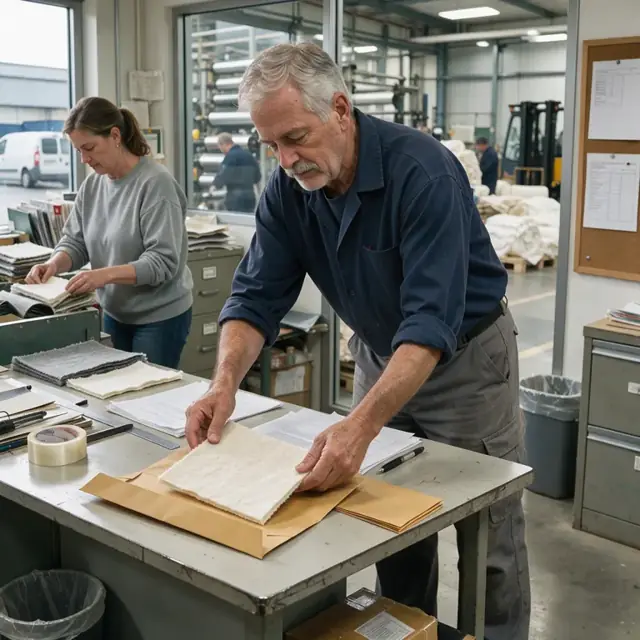
Customer Follow-up and Reorder Host
Deliver test reports, request feedback and prompt repeat customers to place next orders.
Works in: Ambitious Tasks, Email Buckets, Ambitious Docs · Workflows: Customer follow-up and reorder management
Automates
- Drafts shipment confirmations with attached test reports
- Sends performance feedback requests
- Reminds customers of standard-grade reorder windows
- Drafts volume or new-grade offers
Stops for a person
- The owner approves every communication and document before sending
- Material certifications are reviewed by a person prior to release
Workflows
Order intake and specification capture
Starts when: A customer submits specifications by form, email, purchase order or portal
- Capture basis weight, width, length, fiber blend, bonding method, finish, color and quantity
- Check the order against current machine capabilities and minimum run sizes
- Confirm production week against the next run schedule and cutoff
- Record pricing status and draft an order acknowledgment
- Create one production task with a machine-ready specification sheet
Watch for: Fiber blend and bonding parameters must be captured exactly as stated and never approximated; Orders arriving after cutoff move to the following week's run unless the production manager approves
Weekly production line scheduling
Starts when: Order cutoff for each production week
- Lock the order list for the upcoming run
- Group orders by fiber blend, bonding method and target basis weight
- Build a sequenced line schedule: changeover times, setup, run, doffing and cleanup
- Flag orders requiring special additives or post-treatments to be run after standard material
- Generate setup sheets with line speed, temperature, pressure and calender settings
Watch for: Line width and throughput constrain each run; Changeover between incompatible fiber types requires thorough cleaning
Raw material and inventory planning
Starts when: After weekly cutoff and on consumption cadence
- Explode the production schedule into fiber, binder, additive and packaging requirements
- Subtract current inventory and open receipts
- Draft purchase requisitions by supplier with lot-number requirements
- Maintain par levels for staple fibers and consumables
- Track usage, yield and waste from each run
Watch for: Fibers and chemicals ordered with sufficient lead time for delivery before run date; Lot traceability required for medical, automotive or filtration grades
In-process and final quality testing
Starts when: At start of each run and every roll or batch
- Generate test schedule based on order specifications
- Record results for basis weight, tensile, thickness, air permeability and other required metrics
- Compare results against customer and internal limits
- Flag out-of-spec material for rework or quarantine
- Prepare lot-specific test reports and material certification drafts
Watch for: Test frequency and methods vary by end-use industry; All test equipment must be calibrated on schedule
Finished goods labeling and shipment preparation
Starts when: After each roll is doffed and passes final inspection
- Generate roll labels with order number, specification, lot number, test results and roll weight
- Group rolls or sheets for each customer order
- Draft packing list and bill of lading
- Schedule carrier pickup or customer collection
- Record shipment and any damage notes
Watch for: Core type, roll diameter and wrapping must match customer requirements; Hazardous or regulated additives require specific shipping documentation
Line maintenance and permit tracking
Starts when: Before each run and on fixed calendar dates
- Run pre-production checklist for needles, belts, ovens, calenders and safety devices
- Track preventive maintenance due dates for each piece of equipment
- Monitor air-emission, wastewater and chemical-handling logs
- Warn before permits, licenses or calibration certificates lapse
Watch for: Environmental and safety rules differ by state and locality; The production manager confirms which permits and logs apply to the current process
Customer follow-up and reorder management
Starts when: After shipment and on reorder cadence
- Draft shipment confirmation and test-report delivery
- Request feedback on material performance
- Remind repeat customers when their standard grade is due for reorder
- Track preferred specifications and past test results for next orders
- Draft volume-discount or new-grade offers
Watch for: Never send documents or offers without owner approval; Material certifications must be reviewed before release
Bot templates for this industry
- Nonwoven Fabric Mills (7 bots)
Source: U.S. Small Business Administration, Office of Size Standards, Table of Small Business Size Standards Matched to North American Industry Classification System Codes, version March 2023 (effective 2023-03-17, NAICS 2022). Size standards are shown for reference only.