

Knit Fabric Mills
Knit fabric mills produce circular and flat-bed knit fabrics in greige, dyed and finished states. Orders arrive with exact specifications for yarn type, stitch construction, weight, width, color and performance finishes. The specialists convert customer specs into machine setups and production schedules, track yarn and dye inventories, schedule dyeing and finishing sequences, and prepare shipment documentation while the mill owner and operators retain control of machine settings, quality approvals and chemical usage.
What makes this business different
- Exact replication of stitch construction, yarn count, gauge, weight, width and color across production runs
- Yarn inventory with dye-lot tracking and minimums for each fiber type and color
- Machine scheduling that respects setup times between different gauges, stitch types and yarn changes
- Dyeing and finishing sequences that minimize water use, chemical waste and cross-contamination
- Testing and logging of fabric weight, shrinkage, colorfastness and pilling per customer or industry standard
- Greige, dyed and finished rolls tracked with roll numbers, yardage and defects
- Customer-specific labeling, packing lists and certificates of conformity that must be reviewed before shipment
Specialist bots
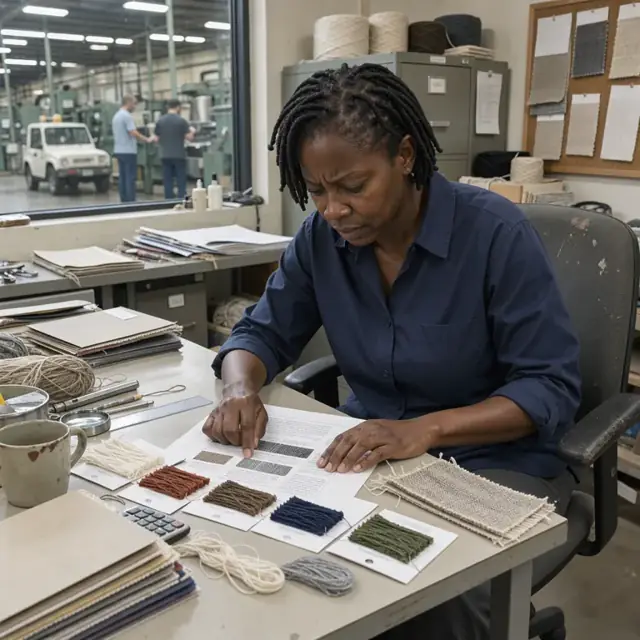
Order Spec Intake
Convert incoming purchase orders and specification sheets into confirmed, machine-ready production tasks.
Works in: Ambitious Docs, Ambitious Tasks, Contract Analyzer · Workflows: Order specification and confirmation
Automates
- Extracts yarn, stitch, gauge, weight, width, color and finish requirements
- Checks against current machine capabilities and yarn stock
- Drafts confirmation and lead-time estimate
- Attaches full technical specification to the production task
- Flags special testing requirements
Stops for a person
- Mill owner reviews and approves any exceptions or substitutions
- Technical specification is confirmed by the head knitter before scheduling
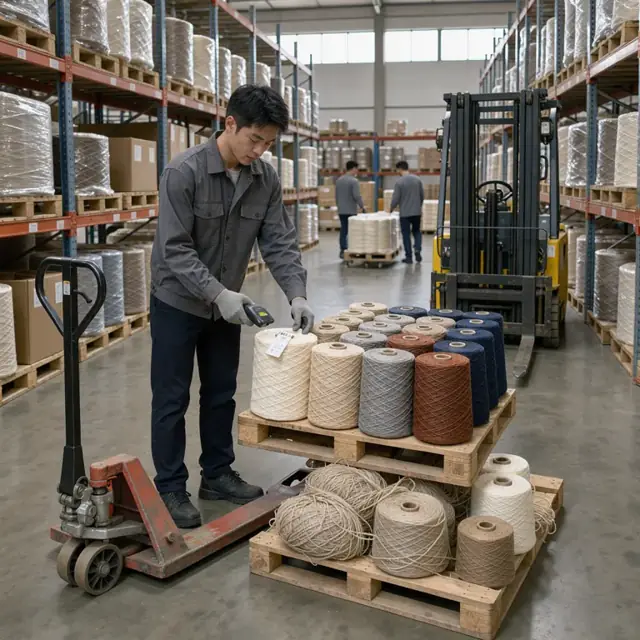
Yarn and Supply Manager
Maintain accurate yarn, dye and chemical inventory and generate timely purchase lists.
Works in: Ambitious Sheets, Ambitious Tasks · Workflows: Yarn purchasing and inventory management
Automates
- Calculates yarn requirements from production orders
- Subtracts current stock and open orders
- Drafts purchase requisitions by supplier and fiber type
- Tracks dye lots and shelf-life dates
- Maintains minimum stock levels
Stops for a person
- Mill owner approves and places all purchases
- Incoming yarn is physically inspected and logged by a person

Knitting Scheduler
Create efficient knitting schedules that group compatible orders and minimize machine changeovers.
Works in: Ambitious Tasks, Ambitious Sheets · Workflows: Knitting machine scheduling
Automates
- Groups orders by gauge, stitch and yarn family
- Sequences jobs to reduce setup time
- Generates setup sheets with tension and feed settings
- Calculates expected production hours and yardage
- Flags orders needing greige inspection
Stops for a person
- Head knitter reviews and adjusts the machine schedule
- Operators confirm setup before running

Dyeing and Finishing Planner
Sequence dyeing and finishing batches to optimize color order, water use and chemical application.
Works in: Process Optimizer, Ambitious Tasks, Ambitious Sheets · Workflows: Dyeing and finishing sequence
Automates
- Groups rolls by color family and finish type
- Builds temperature curves and chemical addition schedules
- Optimizes bath sequences from light to dark
- Generates in-process testing requirements
- Assigns batch numbers and retain sample labels
Stops for a person
- Dye house supervisor confirms chemical recipes and bath order
- All chemical additions and temperatures are verified by the operator

Quality and Testing Clerk
Generate inspection checklists, record test results and compile quality documentation for each lot.
Works in: Ambitious Tasks, Ambitious Sheets, Ambitious Docs · Workflows: Quality inspection and testing
Automates
- Creates roll-by-roll inspection lists
- Logs lab results for weight, shrinkage and colorfastness
- Flags failing rolls and isolates them
- Compiles digital test reports and certificates
- Links retain samples to production batches
Stops for a person
- Quality manager reviews all test data before release
- Physical fabric inspection and defect grading performed by trained personnel
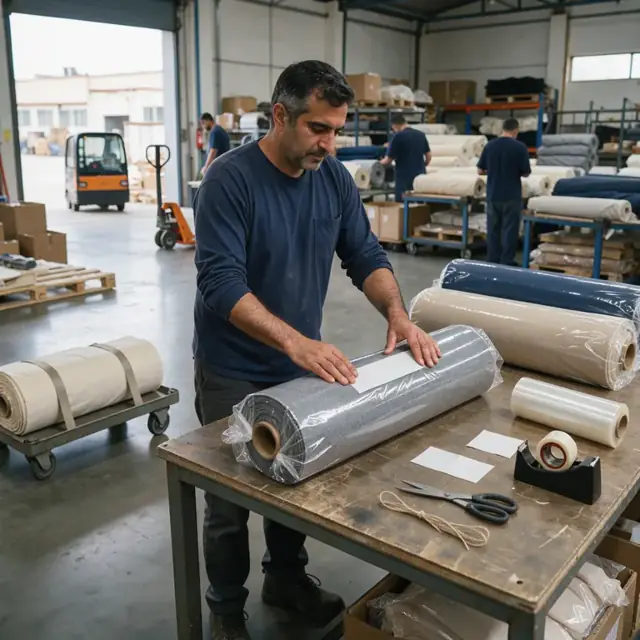
Shipment and Documentation Coordinator
Prepare accurate packing lists, bills of lading and customer certificates once rolls are approved.
Works in: Ambitious Docs, Ambitious Tasks, Ambitious Sheets · Workflows: Shipment preparation and documentation
Automates
- Generates packing lists with roll numbers and yardages
- Drafts bills of lading and carrier labels
- Compiles certificate of conformity and test summaries
- Creates final invoice draft
- Closes production orders and updates stock
Stops for a person
- Mill owner approves all shipping documents before release
- Final roll counts and yardages are physically verified before loading

Maintenance and Compliance Tracker
Maintain equipment checklists, calibration records and environmental logs required for mill operation.
Works in: Ambitious Tasks, Ambitious Sheets, Ambitious Docs · Workflows: Equipment maintenance and permit tracking
Automates
- Generates preventive maintenance schedules for machines
- Tracks calibration due dates for all test equipment
- Logs chemical usage and water discharge
- Alerts before permit or inspection deadlines
- Archives machine settings used per order
Stops for a person
- Maintenance technicians perform and sign off on all repairs
- Mill owner confirms which local environmental requirements apply
Workflows
Order specification and confirmation
Starts when: A new customer purchase order or specification sheet arrives by email or portal
- Parse the requested yarn type, stitch construction, gauge, weight, width, color and finish requirements
- Check against current machine capabilities and available yarn stock
- Draft a confirmation with projected lead time and any exceptions
- Create a production task with full technical specification sheet attached
- Flag any special testing or certification needs
Watch for: Stitch construction and gauge must match exactly or the order is rejected; Color matching often requires lab dips before production approval
Yarn purchasing and inventory management
Starts when: After order confirmation and on a weekly cadence
- Explode each confirmed order into yarn requirements by count, fiber and color
- Subtract current stock and open purchase orders
- Draft purchase requisitions for yarn and dyes by supplier
- Update minimum and reorder levels for each yarn lot
- Track dye-lot traceability for each incoming shipment
Watch for: Yarn must be ordered in dyeable lots; substitutions change the final color; Perishable dyes and chemicals have shelf-life limits
Knitting machine scheduling
Starts when: After yarn availability is confirmed
- Group orders by machine gauge, stitch type and yarn family to minimize changeovers
- Build a sequenced schedule that respects setup times and operator availability
- Assign specific machines and draft setup sheets with stitch, tension and feed settings
- Calculate expected roll yardage and production hours
- Flag any orders needing greige inspection before dyeing
Watch for: Changeovers between fine and coarse gauges require different needle sets and significant downtime; Some machines run only specific yarn counts
Dyeing and finishing sequence
Starts when: When greige rolls for an order are completed and inspected
- Group rolls by color family and finish type to optimize dye baths
- Create a dyeing schedule with liquor ratios, temperature curves and chemical additions
- Draft finishing sequence for washing, drying, compacting and any topical treatments
- Generate in-process testing requirements for shade, hand and performance
- Record batch numbers and retain samples for each lot
Watch for: Dyeing order must follow light-to-dark sequence to reduce cleaning between batches; Finishing chemicals must be added in exact sequence per recipe
Quality inspection and testing
Starts when: After knitting, dyeing and finishing steps
- Generate inspection checklists for each roll including defects, weight, width and shrinkage
- Record laboratory test results for colorfastness, pilling, tensile strength and dimensional stability
- Flag rolls that fail any measured parameter
- Compile test data into a digital report for customer review
- Maintain retain samples linked to each production batch
Watch for: Certain customers require third-party lab reports on every lot; Defective yardage must be isolated and reported before shipment
Shipment preparation and documentation
Starts when: When final inspected rolls meet order quantity
- Generate packing lists with roll numbers, net and gross yardage and weights
- Draft bills of lading and shipping labels grouped by carrier and destination
- Compile certificate of conformity or test reports per customer requirement
- Create final invoice draft with accurate yardage and any upcharges
- Close the production order and update inventory
Watch for: Rolls must be rolled, wrapped and labeled to prevent damage in transit; Export orders require specific origin and fiber content declarations
Equipment maintenance and permit tracking
Starts when: On a scheduled cadence and after each major run
- Generate preventive maintenance checklists for each knitting machine, dye vessel and finishing range
- Track calibration dates for scales, tension meters and lab equipment
- Monitor water discharge and chemical usage logs
- Alert before any operating permits or boiler inspections are due
- Maintain records of machine settings used for each production order
Watch for: Dyeing and finishing equipment requires rigorous cleaning between color changes; Local regulations govern wastewater and chemical storage
Bot templates for this industry
- Knit Fabric Mills (7 bots)
Source: U.S. Small Business Administration, Office of Size Standards, Table of Small Business Size Standards Matched to North American Industry Classification System Codes, version March 2023 (effective 2023-03-17, NAICS 2022). Size standards are shown for reference only.