

Textile and Fabric Finishing Mills
Textile and fabric finishing mills receive greige goods from weavers and knitters, then apply wet or dry processes such as dyeing, printing, bleaching, mercerizing, coating, heat-setting, sanforizing and flame-retardant treatments. For a mill that runs weekly production batches of custom-dyed and finished rolls for apparel, home and industrial clients, the specialists turn incoming fabric and specs into scheduled dye and finish runs, track chemical and dye inventories, generate compliance test samples, and prepare shipping documents. Formulas, safety data sheets and quality standards stay with the finishing supervisor.
What makes this business different
- Incoming greige rolls with lot-specific fiber content, weight and defects that must be logged before processing
- Custom color matching and finish formulas that require lab dips before full batch runs
- Batch scheduling around dye-bath availability, machine widths, drying ovens and curing calendars
- Hazardous chemicals, water discharge permits, wastewater treatment logs and VOC monitoring
- Quality testing for colorfastness, shrinkage, tensile strength and flame retardancy with retained samples
- Roll-by-roll tracking through each process stage with defect mapping and customer approvals
- Seasonal demand peaks for apparel and home textiles with just-in-time delivery windows
Specialist bots
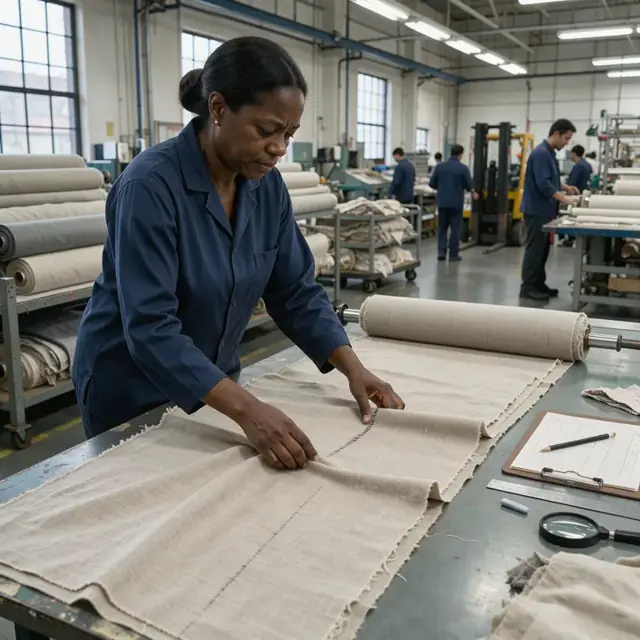
Order Specification Clerk
Convert incoming fabric orders and specifications into production-ready tasks with complete details.
Works in: Ambitious Tasks, Ambitious Docs, Ambitious Sheets · Workflows: Order intake and specification review
Automates
- Reads purchase orders and specification sheets
- Logs greige roll data and defect notes
- Checks against current machine schedule and capacity
- Drafts order acknowledgment
- Creates the production task
Stops for a person
- The finishing supervisor approves any non-standard finishes or expedited requests
- A person reviews and sends all customer communications

Color Lab Technician
Develop and iterate lab dips until the exact color and finish match is achieved for production.
Works in: Ambitious Docs, Ambitious Sheets, Process Optimizer · Workflows: Lab dip and formula development
Automates
- Prepares formula calculations from historical database
- Records each lab dip result with spectrophotometry data
- Suggests formula adjustments
- Releases approved formulas to the production schedule
Stops for a person
- The colorist visually approves every lab dip under multiple light sources
- Customer color approval is obtained by a person before scaling

Production Scheduler
Create weekly machine schedules that sequence dye, finish and curing operations efficiently.
Works in: Ambitious Tasks, Ambitious Sheets · Workflows: Dye and finish production scheduling
Automates
- Groups compatible orders by fiber and color family
- Assigns jobs to available machines and processes
- Builds detailed hour-by-hour process timelines
- Reserves time for cleaning and test runs
Stops for a person
- The finishing supervisor adjusts the schedule for unexpected machine downtime or priority orders
- A person confirms final daily assignments
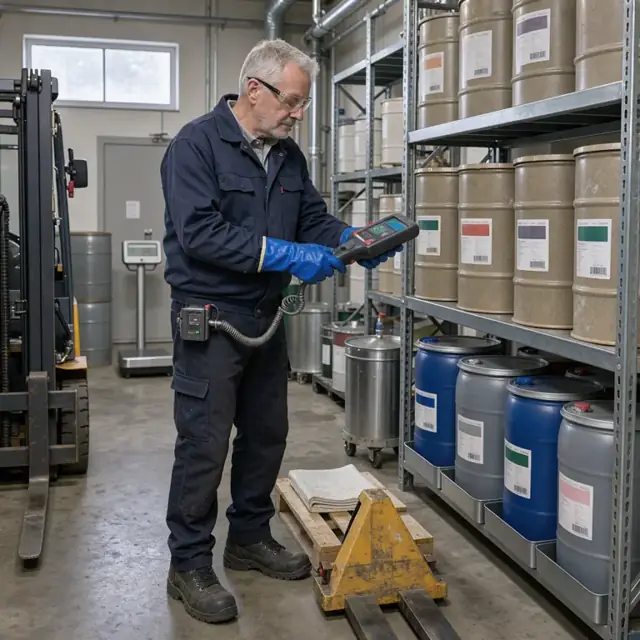
Chemical and Dye Inventory Manager
Calculate exact chemical and dye requirements from formulas and maintain safe stock levels.
Works in: Ambitious Sheets, Ambitious Tasks, Ambitious Docs · Workflows: Dyes, chemicals and consumables inventory
Automates
- Explodes formulas into precise quantities
- Subtracts current inventory and shelf-life data
- Generates reorder lists by supplier
- Tracks hazardous material usage logs
Stops for a person
- The owner approves all chemical purchases and expenditures
- Safety and storage compliance checks are performed by a person

Quality Verification Specialist
Track and record test results at each stage and generate reports for customer approval.
Works in: Ambitious Docs, Ambitious Sheets, Ambitious Tasks · Workflows: In-process and final quality testing
Automates
- Creates sampling checklists for each lot
- Logs test results against specification limits
- Flags out-of-spec material for review
- Compiles retained sample lists and test reports
Stops for a person
- A technician performs all physical tests and visually confirms results
- The finishing supervisor reviews and approves all final test reports before release
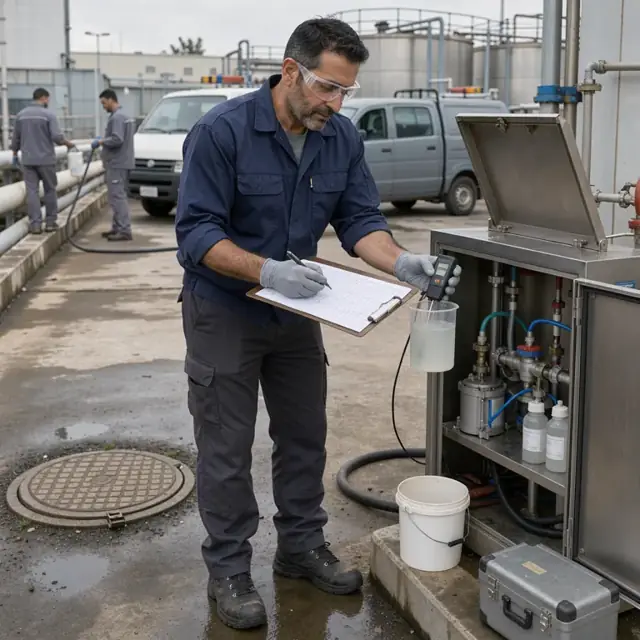
Compliance and Permit Coordinator
Maintain daily environmental logs, track permit renewals and organize required documentation.
Works in: Ambitious Tasks, Ambitious Docs, Ambitious Sheets · Workflows: Regulatory and permit documentation
Automates
- Generates daily wastewater and chemical usage checklists
- Alerts before permit or reporting deadlines
- Organizes safety data sheets by finish type
- Compiles traceability records by lot
Stops for a person
- The finishing supervisor confirms which local regulatory requirements apply
- All reports sent to agencies or customers are reviewed and signed by a person
- People handle all inspections and corrective actions
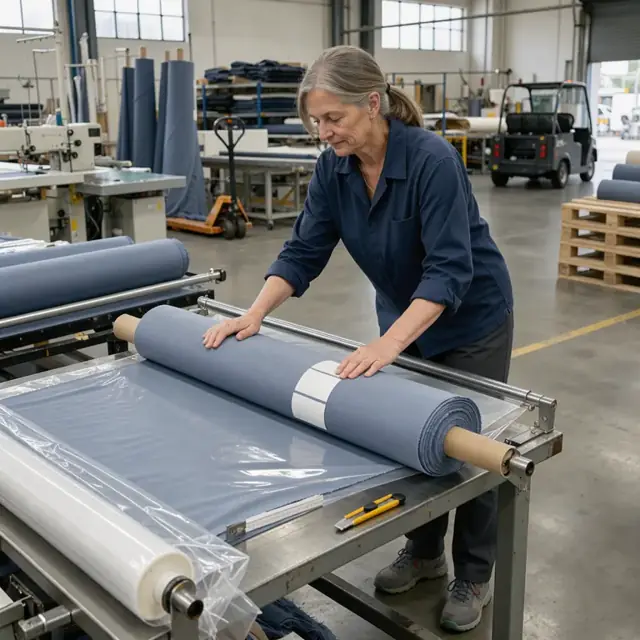
Shipping and Roll Preparation Coordinator
Inspect finished rolls, prepare packing documents and organize shipments.
Works in: Ambitious Tasks, Ambitious Docs, Ambitious Sheets · Workflows: Roll inspection, packing and shipping
Automates
- Creates roll tickets and barcode labels from production data
- Generates packing lists and bills of lading
- Groups orders by customer and carrier
- Drafts shipment notification messages
Stops for a person
- A person performs the final roll inspection and defect mapping
- The owner approves all shipping documents before they are sent or filed
Workflows
Order intake and specification review
Starts when: A customer sends a purchase order, fabric sample or color request
- Capture the fabric type, construction, current weight, desired color, finish type and quantity
- Log incoming greige roll numbers, supplier lots and any visible defects
- Check against available machine widths, current dye-bath schedule and lab capacity
- Create a production task with exact specifications and target delivery date
- Draft acknowledgment with estimated lead time for approval
Watch for: Color standards and finish requirements must be recorded exactly as specified; Any fiber content or prior processing that affects dye uptake must be flagged
Lab dip and formula development
Starts when: New color or finish request after order intake
- Prepare small swatches from the greige lot
- Run lab dips using the recipe database and record results
- Compare to customer standard under standard lighting conditions
- Adjust formula and iterate until match is achieved
- Release approved formula to production scale
Watch for: Multiple lighting sources required for color approval; Formulas must be stored with exact dyestuff percentages and auxiliaries
Dye and finish production scheduling
Starts when: After formula approval and weekly
- Group orders by fiber type, color family and finish requirements
- Assign to available dye machines, stenters, calendars or coating lines
- Build timed schedule including scour, dye, rinse, finish application, drying and curing
- Reserve capacity for test rolls and quality samples
- Flag any special handling such as flame-retardant or enzyme washes
Watch for: Machine availability and water temperature constraints limit sequencing; Color contamination risks require dedicated cleaning between certain shades
Dyes, chemicals and consumables inventory
Starts when: After schedule is locked and monthly
- Explode approved formulas into exact dyestuff, salt, auxiliary and chemical requirements
- Subtract current stock levels from inventory sheets
- Draft purchase orders for dyes, auxiliaries, softeners and packaging materials
- Track lot numbers and expiration dates for regulated chemicals
- Log wastewater treatment chemicals and filter usage
Watch for: Many chemicals are hazardous and subject to storage and reporting rules; Dye powders and pastes must be kept dry and at controlled temperatures
In-process and final quality testing
Starts when: At key process checkpoints and before shipment
- Pull samples after dyeing, after finishing and after curing
- Run standardized tests for colorfastness, shrinkage, pH, tensile and hand feel
- Record results and retain physical samples for each lot
- Flag any rolls that fail specifications for rework or customer notification
- Generate test reports for customer review
Watch for: Test methods follow industry standards such as AATCC or ASTM; Certain finishes require specific curing verification
Regulatory and permit documentation
Starts when: Every production day and on renewal or reporting dates
- Generate daily wastewater discharge logs and pH readings
- Track chemical usage against permitted limits
- Maintain current permits for air emissions, wastewater and hazardous waste
- Prepare safety data sheet packets for each shipped finish type
- Compile lot traceability records for customer or auditor requests
Watch for: Local water authority and environmental agency rules vary by mill location; The finishing supervisor confirms which requirements apply to each process
Roll inspection, packing and shipping
Starts when: After final quality approval
- Inspect finished rolls for defects and map any remaining issues
- Apply customer labels, barcodes and roll tickets
- Prepare packing lists, bills of lading and certificates of conformity
- Group shipments by customer and carrier
- Draft shipment notifications
Watch for: Rolls must be protected from moisture and dirt during storage and transit; Certain industrial finishes require special hazard labeling
Bot templates for this industry
- Textile and Fabric Finishing Mills (7 bots)
Source: U.S. Small Business Administration, Office of Size Standards, Table of Small Business Size Standards Matched to North American Industry Classification System Codes, version March 2023 (effective 2023-03-17, NAICS 2022). Size standards are shown for reference only.