

Fabric Coating Mills
Fabric coating mills receive customer-specified base fabrics and coating compounds, apply finishes such as waterproofing, flame retardant, adhesive, or decorative layers, then cure, inspect, and ship rolls on agreed schedules. For a mill that runs water-repellent outdoor fabric and adhesive-backed material for industrial clients, the specialists turn incoming coating orders into machine-ready specs, batch the production calendar, generate chemical and fabric pick lists, schedule coating lines with curing constraints, track roll inventory and defects, and prepare shipping documents and compliance logs. Recipes, safety data sheets, and quality sign-offs stay with the production manager.
What makes this business different
- Customer-specified base fabrics, widths, coatings, add-ons and performance targets that must match exactly
- Coating line scheduling with setup times between incompatible chemistries and curing cycles
- Batch production of coated rolls with minimum run lengths and yield tracking
- Hazardous coating compounds, solvents and waste that require documented handling, storage and disposal
- In-process and final inspection for coating weight, adhesion, color, flame retardancy and defects
- Roll labeling, lot traceability, safety data sheets and shipping paperwork for each customer order
- Repeat industrial customers who reorder standard finishes on a quarterly or seasonal cadence
Specialist bots

Order Specifier
Turn every customer coating request into a complete, machine-ready production specification.
Works in: Ambitious Tasks, Ambitious Docs, Contract Analyzer · Workflows: Order intake and specification
Automates
- Reads incoming purchase orders and specification sheets
- Extracts fabric, chemistry, performance targets and delivery requirements
- Checks against machine capabilities and open capacity
- Drafts the order acknowledgment
- Creates the production task with all attachments
Stops for a person
- The production manager approves any non-standard chemistry or test methods
- Pricing and terms are confirmed by a person before acknowledgment is sent
- A person handles exceptions and special testing requests

Coating Line Scheduler
Sequence compatible orders on coating lines to minimize changeovers while meeting delivery dates.
Works in: Ambitious Tasks, Process Optimizer · Workflows: Coating line scheduling
Automates
- Groups orders by chemistry family and width
- Optimizes sequence to reduce clean-down time
- Assigns line speed, tension, oven zones and dwell times
- Publishes the weekly schedule and flags test requirements
Stops for a person
- The production manager reviews and adjusts the final schedule
- Any change that affects a customer promise is approved by a person

Materials and Chemicals Coordinator
Convert the coating schedule into accurate fabric and chemical pick lists while tracking hazardous materials.
Works in: Ambitious Sheets, Ambitious Tasks, Ambitious Docs · Workflows: Material and chemical preparation
Automates
- Calculates required base fabric and coating volumes
- Reserves inventory or drafts purchase requests
- Generates staged pick lists for mixing and fabric areas
- Logs chemical lot numbers and expiration dates
Stops for a person
- A person places all purchases and approves chemical substitutions
- Hazardous material handling and weighing is performed and verified by trained staff

Quality and Test Coordinator
Collect in-process measurements, schedule performance tests and maintain lot records for each coated roll.
Works in: Ambitious Tasks, Ambitious Sheets, Ambitious Docs · Workflows: In-process and final quality inspection
Automates
- Creates roll-specific inspection checklists
- Logs coating weight, thickness and defect data
- Schedules and records lab test results
- Flags failing rolls and updates yield tracking
Stops for a person
- Production staff enter actual measurements and observations
- The quality manager reviews and signs off on all test failures and concessions
- Third-party lab results are evaluated by people

Roll Inventory and Traceability Manager
Assign lot numbers, track finished coated rolls and maintain full traceability from base fabric through chemicals.
Works in: Ambitious Sheets, Ambitious Tasks, Ambitious Docs · Workflows: Roll inventory and traceability
Automates
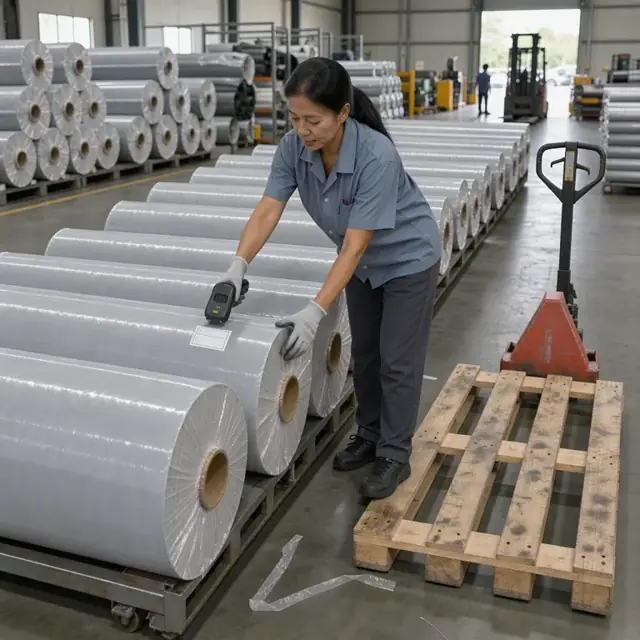
- Generates unique lot labels for each roll
- Updates location and allocation status in inventory records
- Reconciles unused materials after each run
- Produces traceability reports on demand
Stops for a person
- A person performs physical cycle counts and verifies label application
- The production manager approves any downgraded or scrapped material
Shipping and Documentation Coordinator
Prepare accurate packing lists, bills of lading, certificates and safety data sheets for each shipment.
Works in: Ambitious Docs, Ambitious Tasks, Contract Analyzer · Workflows: Shipping and compliance documentation
Automates
- Pulls allocated rolls and confirms order quantities
- Generates packing lists and bills of lading
- Attaches required test reports and safety data sheets
- Drafts certificates of conformance for approval
Stops for a person
- A person reviews and signs all certificates and declarations
- The warehouse team performs final physical count before loading

Regulatory and Safety Clerk
Maintain daily safety checklists, emission logs, permit renewal reminders and current safety data sheets.
Works in: Ambitious Tasks, Ambitious Sheets, Ambitious Docs · Workflows: Regulatory and safety logging
Automates
- Generates daily line checklists and emission logs
- Tracks permit and test renewal dates
- Maintains the master library of safety data sheets
- Archives all inspection and test records by lot
Stops for a person
- The production manager confirms which permits and test methods apply
- All waste disposal, emissions reports and regulatory filings are reviewed and submitted by people
Workflows
Order intake and specification
Starts when: A customer submits a purchase order, specification sheet or request for quote
- Capture base fabric type, width, coating chemistry, performance requirements, quantity and target delivery date
- Check the order against current machine capabilities, minimum runs and open capacity
- Confirm any special testing, color matching or certification needs
- Draft the order acknowledgment with price and terms
- Create a production-ready order task with all specifications attached
Watch for: Performance targets such as hydrostatic head, flame spread rating or peel strength must be captured verbatim; Incompatible chemistries cannot share the same line without full clean-down
Coating line scheduling
Starts when: New orders received or weekly capacity review
- Group compatible orders by chemistry family and fabric width
- Sequence runs to minimize changeover time and solvent use
- Assign coating line, speed, tension, oven temperatures and curing dwell
- Flag any orders needing offline testing or special post-treatment
- Publish the weekly schedule and notify upstream fabric receiving
Watch for: Curing ovens have fixed heat profiles that limit simultaneous recipes; Regulatory limits on volatile organic compounds per shift
Material and chemical preparation
Starts when: One day before each scheduled coating run
- Explode the production schedule into required base fabric rolls and coating compound quantities
- Reserve or order specific base fabrics from suppliers
- Calculate and stage coating mixes, solvents and additives from inventory
- Generate pick lists for the mixing room and fabric staging area
- Record batch numbers and expiration dates for every chemical lot
Watch for: Many coating compounds have limited pot life once mixed; Hazardous materials must be weighed and logged in the correct containment area
In-process and final quality inspection
Starts when: At completion of each coated roll and on testing cadence
- Record coating weight, thickness and visual defect data from each roll
- Schedule and log results of adhesion, flame, water column or other performance tests
- Flag any rolls that fail specifications for rework or downgrade
- Attach test results and inspection checklist to the lot record
- Update yield and scrap tracking for the production order
Watch for: Certain performance tests require third-party lab confirmation; Defect types must be classified and photographed for customer review
Roll inventory and traceability
Starts when: After inspection and on a weekly cycle
- Assign unique lot numbers and bar-coded labels to each finished roll
- Update finished goods inventory with location, status and customer allocation
- Reconcile unused base fabric and return remaining coating compounds to stock
- Track shelf life of stored coated rolls
- Generate inventory aging and slow-moving reports
Watch for: Traceability from finished roll back to base fabric lot and chemical batch is mandatory for many customers; Coated fabric can have limited shelf life before it blocks or degrades
Shipping and compliance documentation
Starts when: When an order is ready to ship or on customer pickup date
- Pull allocated rolls and confirm quantities against the order
- Generate packing list, bill of lading, lot traceability report and safety data sheets
- Draft customer certificate of conformance when required
- Prepare hazardous materials declarations if applicable
- Record shipment details and update order status
Watch for: Many shipments require specific labeling and documentation for transport of coated textiles; Customer-specific certificates must be signed by authorized personnel
Regulatory and safety logging
Starts when: Each production day and on renewal or testing dates
- Generate daily coating line checklist for ventilation, PPE, spill kits and waste drums
- Log solvent usage, VOC emissions and hazardous waste volumes
- Track renewal dates for air permits, wastewater permits and chemical approvals
- Maintain current safety data sheets for every coating compound in use
- Archive test results and inspection records by lot
Watch for: Local, state and federal environmental rules govern emissions and waste; The production manager confirms which permits and test methods apply to each chemistry
Bot templates for this industry
- Fabric Coating Mills (7 bots)
Source: U.S. Small Business Administration, Office of Size Standards, Table of Small Business Size Standards Matched to North American Industry Classification System Codes, version March 2023 (effective 2023-03-17, NAICS 2022). Size standards are shown for reference only.