

Carpet and Rug Mills
Carpet and rug mills produce broadloom, area rugs, custom rugs and carpet tiles from fiber, yarn, backing and dyes. For a mill that runs both stock patterns and made-to-order area rugs with customer-selected colors, sizes and edge treatments, the specialists turn sales orders into dye and yarn requirements, production schedules into loom and tufting runs, track dye lots and backing inventory, manage cutting and binding for custom sizes, and prepare shipping labels and compliance paperwork. Recipes for dye formulas, pile heights and quality standards stay with the mill owner and lead operators.
What makes this business different
- Custom orders specifying fiber type, color, pile height, pattern, size, shape and edge finish that must match the approved sample exactly
- Dye lot consistency across runs and reorders, with tracking of batch numbers and expiration
- Loom and tufting machine scheduling limited by width, speed and changeover time between patterns
- Inventory of bulk yarn, dyes, latex backing, and edge binding materials with minimum order quantities and lead times
- Quality inspections for tuft bind, colorfastness, wear tests and backing adhesion at multiple production stages
- Cutting, serging, binding or fringing for custom rugs, plus labeling with fiber content, care instructions and origin
- B2B orders for commercial carpet tiles or hospitality rugs that require fire-resistance and VOC testing documentation
- Seasonal demand peaks for residential rugs in fall and commercial projects tied to construction calendars
Specialist bots
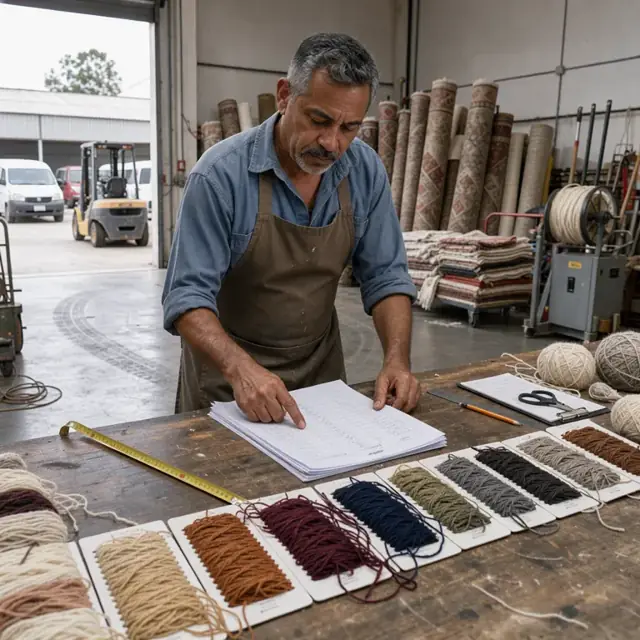
Order Specifier
Turn every custom rug or carpet order into a complete, production-ready specification.
Works in: Ambitious Tasks, Ambitious Docs, Contract Analyzer · Workflows: Order intake and specification
Automates
- Reads incoming order forms, emails and purchase orders
- Extracts fiber type, color, dimensions, pattern and edge details
- Checks against loom capabilities and current dye formulas
- Drafts digital proofs for approval
- Creates the production order task
Stops for a person
- The lead operator approves any non-standard specifications
- Color matching decisions and sample approvals are made by a person
- A person sends order confirmations and handles deposits
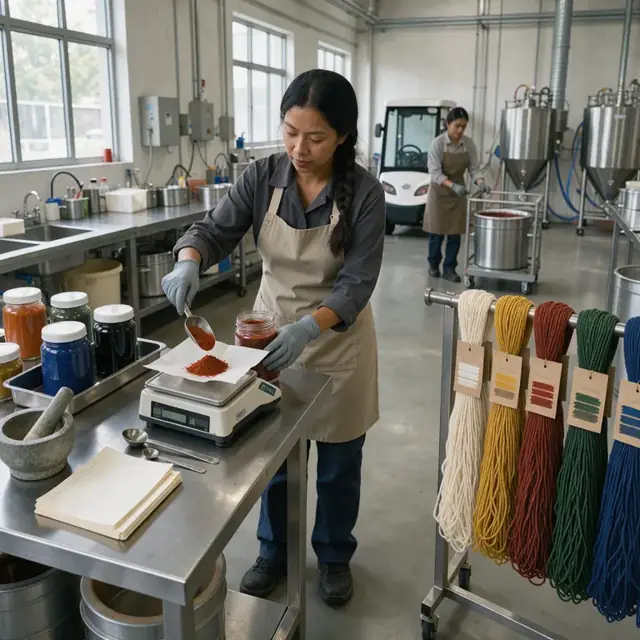
Dye and Yarn Planner
Convert confirmed orders into exact dye formulas, yarn requirements and lot tracking.
Works in: Ambitious Sheets, Ambitious Docs, Ambitious Tasks · Workflows: Dye formula and yarn requirement planning
Automates
- Calculates yarn weights and dye quantities per order
- Matches colors to existing formulas or creates new ones
- Assigns and tracks dye lot numbers
- Drafts yarn and dye purchase lists
- Updates the master color and formula library
Stops for a person
- The dyer confirms all new or modified formulas
- Purchasing and spending decisions are made by the owner
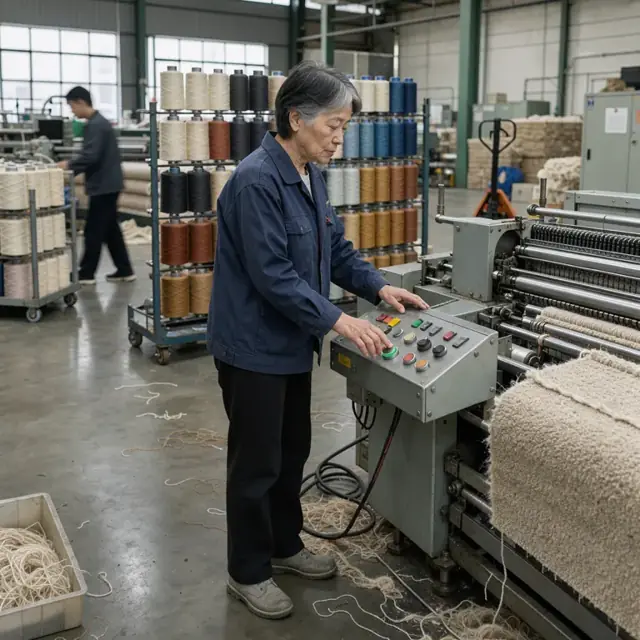
Loom and Tufting Scheduler
Create efficient weekly loom and tufting schedules that minimize changeovers while meeting delivery dates.
Works in: Process Optimizer, Ambitious Tasks · Workflows: Loom and tufting production scheduling
Automates
- Groups orders by compatible fiber, width and pattern
- Assigns runs to available machines
- Calculates setup times and total run durations
- Generates daily operator and material lists
- Flags short custom runs
Stops for a person
- The production manager adjusts the final schedule
- Maintenance windows are set by the lead technician

Materials and Inventory Clerk
Maintain accurate stock levels of yarn, dyes, backing and binding materials and draft replenishment orders.
Works in: Ambitious Sheets, Ambitious Tasks, Ambitious Docs · Workflows: Yarn, dye and backing inventory management
Automates
- Tracks consumption from each production run
- Calculates reorder quantities and timing
- Drafts purchase orders by supplier
- Reconciles physical counts
- Flags slow-moving or expiring stock
Stops for a person
- The owner approves and places all purchases
- Physical inventory counts are performed by people
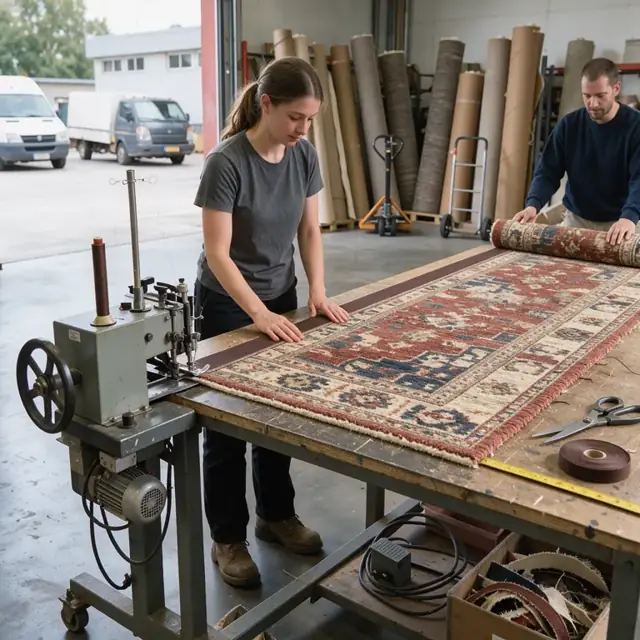
Finishing and Inspection Coordinator
Schedule cutting, binding and quality inspections for each completed rug or carpet run.
Works in: Ambitious Tasks, Ambitious Docs, Process Optimizer · Workflows: Finishing, inspection and binding
Automates
- Creates cutting templates and binding instructions
- Generates step-by-step inspection checklists
- Logs test results and defect notes
- Produces fiber content and care labels
- Attaches documentation to each order
Stops for a person
- Inspectors and finishers perform the physical checks and sign off
- Any rework or rejection decisions are made by a person
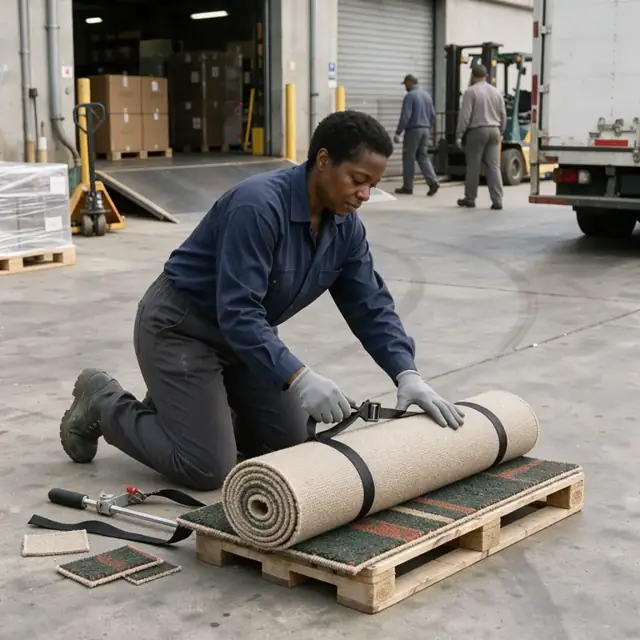
Shipping and Logistics Coordinator
Prepare accurate shipping documents, labels and delivery instructions for completed orders.
Works in: Ambitious Docs, Ambitious Tasks, Ambitious Sheets · Workflows: Shipping and logistics preparation
Automates
- Groups orders by destination and carrier
- Generates packing lists and bills of lading
- Creates carrier labels and tracking numbers
- Drafts customer shipment notifications
- Records shipment status updates
Stops for a person
- The warehouse team verifies physical packing and loading
- A person releases final shipping documents

Quality and Compliance Clerk
Maintain testing records, generate compliance documentation and track certification renewals.
Works in: Ambitious Docs, Ambitious Sheets, Ambitious Tasks · Workflows: Quality testing and compliance documentation
Automates
- Generates daily and lot-based test checklists
- Logs results from quality tests
- Tracks renewal dates for certifications and licenses
- Compiles customer-specific compliance packets
- Keeps material safety and formula records current
Stops for a person
- The mill owner confirms which tests and requirements apply
- All test results and certifications are reviewed and approved by qualified people
- The bot never certifies compliance
Workflows
Order intake and specification
Starts when: A customer submits an order by form, email, purchase order or sales rep
- Capture fiber, color, pile height, pattern, exact dimensions, edge treatment and quantity
- Check against available loom widths, current dye formulas and production constraints
- Draft a digital proof or sample request for approval
- Record order status, deposit and delivery date
- Create a production-ready order task with all specifications
Watch for: Exact color matching to customer swatch or Pantone number; Oversized rugs may require seaming or special loom setup
Dye formula and yarn requirement planning
Starts when: After order confirmation and weekly for stock runs
- Explode orders into yarn weights, colors and dye formulas required
- Check against current dye lot inventory and projected usage
- Draft purchase orders for additional yarn or dyes
- Assign unique dye lot numbers for traceability
- Update the master color library with any new formulas
Watch for: Dye formulas must be reproducible across different yarn bases; Waste and over-dye tracking to control costs
Loom and tufting production scheduling
Starts when: Weekly and when new orders are confirmed
- Group orders by fiber type, width and pattern family to minimize changeovers
- Assign runs to specific looms or tufting machines based on availability and capability
- Calculate run lengths, including setup and cleanup time
- Flag custom orders that require dedicated short runs
- Generate daily operator schedules and material pull lists
Watch for: Loom changeover can take several hours and generates waste yarn; Machine maintenance windows must be preserved
Yarn, dye and backing inventory management
Starts when: Daily consumption update and monthly physical count
- Track yarn and backing usage from production runs
- Calculate reorder points based on supplier lead times
- Draft purchase orders for bulk yarn, latex, dyes and binding materials
- Reconcile physical inventory against system records
- Flag slow-moving or expired dye stock
Watch for: Yarn must be stored in climate-controlled conditions to prevent moisture damage; Minimum order quantities from fiber suppliers are large
Finishing, inspection and binding
Starts when: After each production run is tufted or woven
- Schedule cutting to exact customer sizes or standard widths
- Assign edge treatment such as serging, binding or fringing
- Perform visual and physical quality checks for tuft bind, color uniformity and defects
- Generate inspection reports and attach to each order
- Create labels with fiber content, care instructions, lot numbers and origin
Watch for: Custom shapes require precise templates and hand-finishing; Commercial orders often require additional flammability or VOC testing
Shipping and logistics preparation
Starts when: When finishing and inspection are complete
- Group finished rugs by customer and destination
- Draft packing lists, bills of lading and commercial invoices
- Generate carrier-specific labels and delivery windows
- Track large or heavy rolls that require special handling
- Record shipment confirmation and any damage notes
Watch for: Rolled or folded rugs must be protected from crushing and soiling in transit; International shipments require additional documentation
Quality testing and compliance documentation
Starts when: After each lot or on a scheduled cadence
- Generate checklists for tuft bind, colorfastness, wear and backing adhesion tests
- Log results from lab equipment or third-party tests
- Track renewal dates for any required certifications or mill licenses
- Maintain records of dye formulas and material safety data sheets
- Prepare customer-specific compliance packets
Watch for: Test methods and pass criteria vary by end-use market such as residential versus hospitality; The mill owner confirms which requirements apply to each order
Bot templates for this industry
- Carpet and Rug Mills (7 bots)
Source: U.S. Small Business Administration, Office of Size Standards, Table of Small Business Size Standards Matched to North American Industry Classification System Codes, version March 2023 (effective 2023-03-17, NAICS 2022). Size standards are shown for reference only.