

Curtain and Linen Mills
Curtain and linen mills produce made-to-order and stock window treatments, bedding, table linens and related textile goods. Orders arrive with fabric selections, measurements, hemming styles, lining needs and quantities. The specialists turn custom requests into cut lists and sewing schedules, manage fabric and trim inventory, schedule production runs on industrial machines, track quality checkpoints and prepare shipments. Pattern accuracy, fabric yield calculations, labeling and packaging stay with the sewing-floor lead.
What makes this business different
- Custom measurements and fabric choices that must be recorded exactly to avoid costly errors
- Multiple production runs mixing made-to-order and stock items on shared cutting tables and sewing lines
- Fabric and trim inventory with minimum cuts, roll tracking and waste minimization
- Industrial equipment scheduling for cutting, serging, hemming, pleating and pressing machines
- Quality inspection points for seam allowance, pattern matching and finished dimensions
- Labeling, care instructions, barcodes and packaging requirements that vary by retailer or direct customer
- Seasonal demand spikes for curtains, draperies and linens around major holidays and moving seasons
- Supplier lead times for specialty fabrics, linings, hooks, rings and trim
Specialist bots
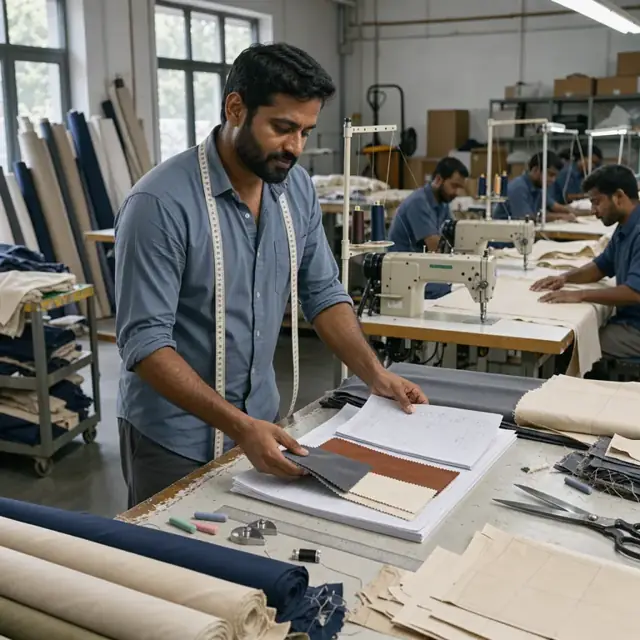
Order Specifier
Turn every custom curtain or linen request into a confirmed, production-ready specification.
Works in: Ambitious Tasks, Ambitious Docs, Ambitious Sheets · Workflows: Custom order intake and specification
Automates
- Reads incoming order forms, emails and purchase orders
- Extracts measurements, fabric choices, lining, heading and quantity details
- Calculates preliminary fabric yield and flags shortages
- Drafts the confirmation and lead-time summary
- Creates the order task with full specifications
Stops for a person
- The sewing lead approves any non-standard heading styles or fabric substitutions
- A person sends all customer confirmations and handles pricing questions
- Special measurements are verified with the customer by staff

Cutting and Sewing Scheduler
Combine orders into efficient daily cut lists and assign work to sewing stations.
Works in: Ambitious Tasks, Process Optimizer, Ambitious Sheets · Workflows: Cutting and sewing schedule
Automates
- Groups orders by fabric type and urgency
- Optimizes marker layouts to reduce waste
- Assigns stations and generates work tickets
- Flags high-priority items for first run
Stops for a person
- The floor lead adjusts machine assignments based on operator skill
- Final work tickets are reviewed before cutting begins

Fabric and Trim Manager
Convert production plans into purchase needs and maintain accurate fabric and trim inventory.
Works in: Ambitious Sheets, Ambitious Tasks, Ambitious Docs · Workflows: Fabric and trim purchasing and inventory
Automates
- Calculates total yardage required by style and color
- Subtracts current stock and roll balances
- Drafts purchase orders by supplier
- Tracks incoming lots and waste metrics
Stops for a person
- The owner approves and places all purchases
- Any fabric substitution that affects appearance requires lead approval
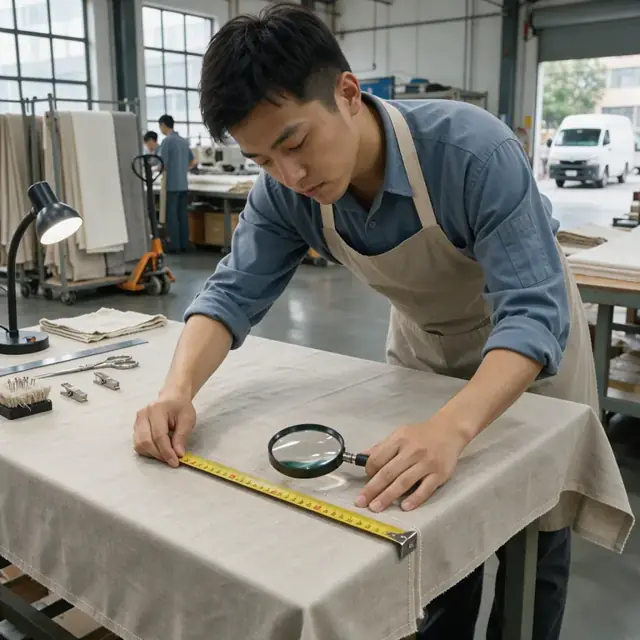
Quality and Finishing Inspector
Run inspection checklists on finished curtains and linens and prepare them for shipment.
Works in: Ambitious Tasks, Ambitious Docs, Ambitious Sheets · Workflows: Quality inspection and finishing
Automates
- Generates item-specific inspection checklists
- Logs dimensions, seam quality and defects
- Routes rework items back to operators
- Applies correct labels and tags
Stops for a person
- The production lead reviews and signs off on all rework decisions
- Final packaged goods are visually checked by a person

Production Capacity Coordinator
Forecast capacity against orders, identify machine bottlenecks and recommend schedule adjustments.
Works in: Process Optimizer, Ambitious Sheets, Ambitious Tasks · Workflows: Production capacity planning
Automates
- Compares order volume to available machine and labor hours
- Simulates schedule scenarios to find constraints
- Suggests daily or weekly production limits
- Highlights peak-season overtime needs
Stops for a person
- The owner sets final production caps and approves overtime
- The sewing lead confirms realistic output rates

Shipping and Dispatch Coordinator
Prepare packing lists, schedule carriers and track shipment of finished textile orders.
Works in: Ambitious Tasks, Ambitious Docs, Ambitious Sheets · Workflows: Shipping preparation and dispatch
Automates
- Groups completed orders by destination and carrier
- Generates packing lists and labels
- Drafts shipment notifications
- Records tracking information
Stops for a person
- The owner approves all shipping documents before release
- A person physically packs and verifies large or fragile shipments
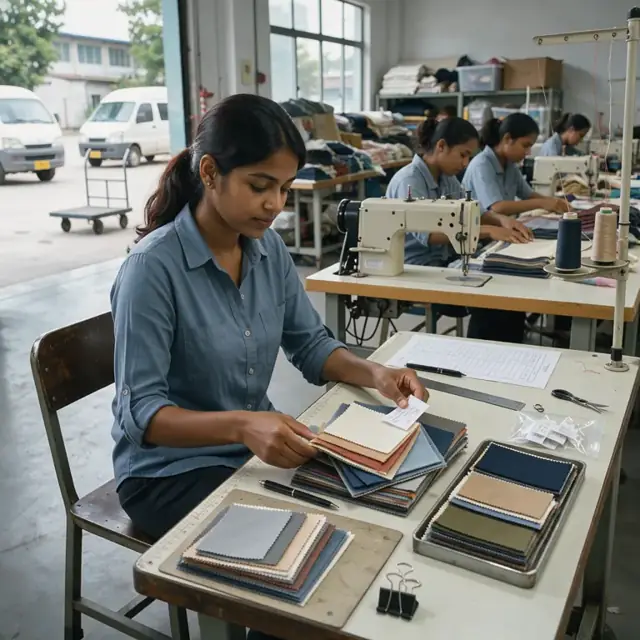
Compliance and Documentation Clerk
Maintain material inspection records, supplier documents and production batch files.
Works in: Ambitious Docs, Ambitious Tasks, Ambitious Sheets · Workflows: Supplier and compliance documentation
Automates
- Generates incoming fabric inspection checklists
- Tracks supplier documents and renewal dates
- Keeps care label wording synchronized with fabric data
- Organizes quality records by batch
Stops for a person
- The production lead confirms which documents apply to each material
- People review, file and handle all regulatory or customer audits
Workflows
Custom order intake and specification
Starts when: A customer submits an order by form, email, portal or purchase order
- Capture all measurements, fabric selections, lining type, heading style, quantities and special notes
- Check against available fabrics, minimums and current production schedule
- Calculate estimated fabric yield and flag any shortages
- Draft order confirmation with pricing, lead time and production window
- Create a production-ready order task with cut list and sewing instructions
Watch for: Exact measurements and fabric direction must be captured without assumption; Special requests such as blackout lining, interlining or custom pleat ratios require lead approval
Cutting and sewing schedule
Starts when: Daily after new orders are confirmed or on weekly production meeting
- Combine new and backlog orders into daily cut lists by fabric type
- Optimize marker layouts to minimize yardage waste using the process optimizer
- Assign jobs to specific cutting tables, sewing stations and pressing equipment
- Flag urgent or high-priority orders for first cut
- Generate work tickets with pattern piece counts and seam specifications
Watch for: Pattern repeat and directional fabrics require precise alignment during cutting; Shared equipment means schedule changes affect multiple orders
Fabric and trim purchasing and inventory
Starts when: After order intake and on a weekly cadence
- Explode all active orders into total fabric and trim requirements by style and color
- Subtract current roll and bin inventory to generate net needs
- Draft purchase orders by supplier for upcoming production runs
- Track incoming rolls with yardage, lot numbers and quality notes
- Monitor waste percentages from each cut and adjust par levels
Watch for: Dye-lot matching is critical for large orders or reorders; Minimum order quantities from mills affect purchasing timing
Quality inspection and finishing
Starts when: After each sewing batch is completed
- Create inspection checklist for each item type covering seams, hems, pattern match and dimensions
- Log measurements and defects found at each station
- Route items needing rework back to the correct sewing operator
- Apply care labels, barcodes and hang tags per customer requirements
- Prepare finished goods for packing once all checkpoints pass
Watch for: Certain retailers require specific tolerance ranges for finished sizes; Defect tracking helps identify recurring machine or operator issues
Production capacity planning
Starts when: Weekly and before accepting large orders
- Compare incoming and forecasted orders against available machine hours and labor
- Identify bottlenecks on cutting tables, sergers or specialized hemming stations
- Use the process optimizer to simulate schedule changes and recommend adjustments
- Suggest production caps or overtime needs for peak seasons
Watch for: Specialty operations like pleating or grommeting have limited capacity; Seasonal surges require advance planning with suppliers
Shipping preparation and dispatch
Starts when: When orders are marked complete and ready to ship
- Group finished orders by customer, carrier and destination
- Draft packing lists, commercial invoices and shipping labels
- Schedule pickups or prepare for customer collection
- Record tracking numbers and send shipment notifications for approval
- Log any damage or shortages noted at final packing
Watch for: Curtains and draperies require specific folding or rolling to prevent creasing; Large linen orders may need palletization and freight coordination
Supplier and compliance documentation
Starts when: On receipt of new materials and at renewal dates
- Generate incoming material inspection checklist for each fabric roll
- Track supplier certifications, safety data sheets and origin documentation
- Monitor expiration or renewal dates for business licenses and insurance
- Maintain care-label wording current with fabric supplier updates
- File completed quality and inspection records by production batch
Watch for: The production lead confirms which supplier and regulatory documents apply to each fabric; People handle all final approvals, filings and corrective actions
Bot templates for this industry
- Curtain and Linen Mills (7 bots)
Source: U.S. Small Business Administration, Office of Size Standards, Table of Small Business Size Standards Matched to North American Industry Classification System Codes, version March 2023 (effective 2023-03-17, NAICS 2022). Size standards are shown for reference only.