

Textile Bag and Canvas Mills
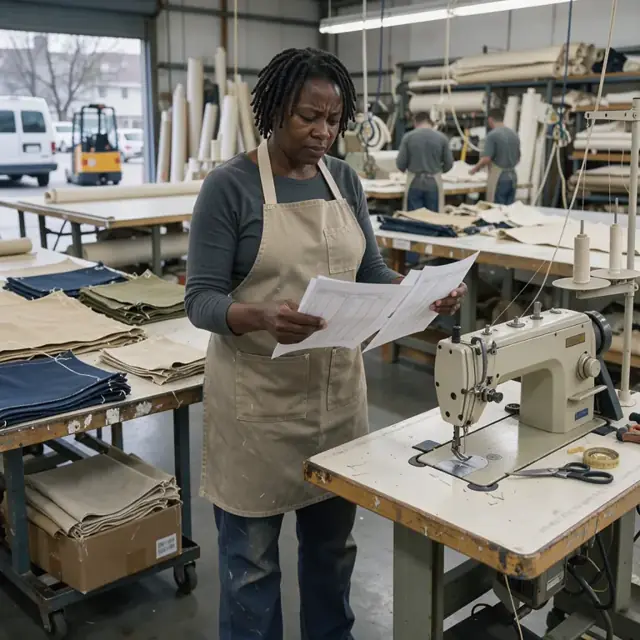
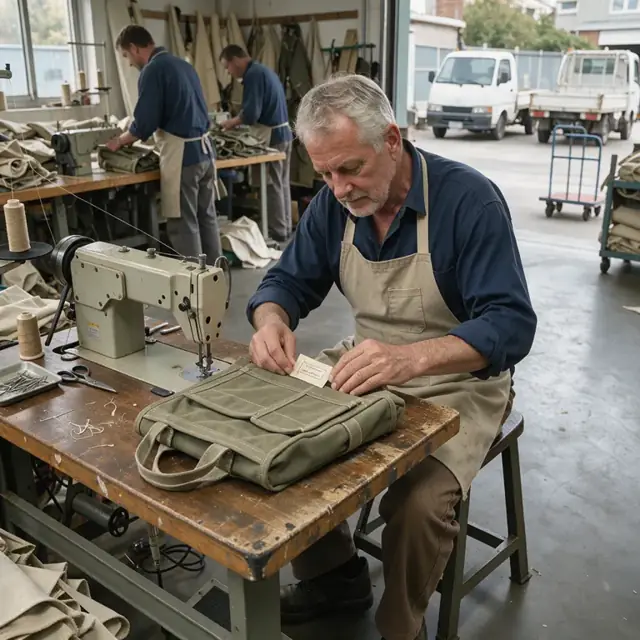
Textile bag and canvas mills produce custom and standard canvas tote bags, duffels, tool bags, tarps and covers from bulk fabric rolls. For a mill that cuts, sews and finishes made-to-order canvas products on a weekly production cadence, the specialists turn customer specs into cut lists and sewing schedules, track fabric and hardware inventory, schedule machine time around custom runs, generate labels and compliance paperwork, and manage shipments. Pattern accuracy, seam tolerances and material certifications stay with the sewing floor lead.
What makes this business different
- Custom specifications for size, fabric weight, weave type, color, reinforcement, handles, closures and printing that must match the customer's exact requirements
- Weekly production runs with order cutoff before each cut day to combine similar jobs for efficient fabric use
- Bulk fabric rolls, webbing, thread, grommets and hardware that must be tracked by yardage and unit with waste and yield calculations
- Industrial sewing machines, cutting tables and heat-press equipment with maintenance logs and capacity limits
- Shipment of finished goods with labeling, folding, packing and carrier documentation
- Material safety data sheets, flame-retardant certifications, tensile-strength test results and country-of-origin labeling
- Repeat business customers who reorder standard sizes and request modifications for events, industrial use or retail
Specialist bots

Order Taker
Turn every custom canvas product request into a confirmed, production-ready specification.
Works in: Ambitious Tasks, Ambitious Docs, Email Buckets · Workflows: Order intake and specification review
Automates
- Reads incoming order messages, forms and purchase orders
- Captures dimensions, fabric specifications, hardware and finishing details
- Checks against available materials and production calendar
- Drafts the confirmation and specification sheet
- Creates the order task with all attachments
Stops for a person
- The sewing lead approves non-standard materials or construction methods
- Any questions about material certifications are routed to the owner
- A person sends order confirmations and handles payment

Cut and Sew Scheduler
Turn each weekly production order set into an efficient cut and sew schedule with markers.
Works in: Ambitious Tasks, Ambitious Docs, Process Optimizer · Workflows: Cut-day production schedule
Automates
- Groups orders by fabric type and color to reduce changeovers
- Builds the hour-by-hour production plan from cutting through finishing
- Prioritizes jobs with special material handling requirements
- Generates cut markers and sewing instruction packets
Stops for a person
- The sewing lead adjusts the schedule based on machine availability
- Final instruction sheets are reviewed by a person before cutting begins

Material and Hardware Manager
Convert production schedules into precise fabric and hardware purchase lists while tracking stock and waste.
Works in: Ambitious Sheets, Ambitious Tasks, Ambitious Docs · Workflows: Fabric and hardware purchasing and inventory
Automates
- Calculates total yardage and units required from the production plan
- Subtracts current inventory by roll and lot
- Drafts purchase orders by supplier
- Tracks remnant yardage and material waste
Stops for a person
- The owner approves and places all purchases
- Material substitutions that affect product specifications require sewing lead approval
Production Capacity Planner
Forecast weekly production volume against machine and labor capacity and identify process bottlenecks.
Works in: Process Optimizer, Ambitious Sheets, Ambitious Tasks · Workflows: Machine capacity and production planning
Automates
- Compares order volume to available cutting, sewing and finishing hours
- Recommends maximum order quantities per fabric category
- Maps the full production process and flags slowest steps
- Factors in scheduled maintenance downtime
Stops for a person
- The owner sets final weekly production limits

Shipping Coordinator
Prepare finished textile products for shipment with all required packing and carrier documentation.
Works in: Ambitious Tasks, Ambitious Docs, Ambitious Sheets · Workflows: Shipping and logistics preparation
Automates
- Groups completed orders by destination and shipping method
- Creates packing lists, labels and commercial invoices
- Drafts shipment notification messages
- Records tracking information after dispatch
Stops for a person
- The owner reviews and approves all shipping documents
- A person physically packs and labels heavy shipments

Customer Follow-up Host
Thank customers after delivery, collect feedback and prompt reorders for repeat business.
Works in: Ambitious Tasks, Ambitious Docs, Email Buckets · Workflows: Customer follow-up and reorder management
Automates
- Drafts delivery confirmations and quality feedback requests
- Remembers customer preferences for sizes and materials
- Drafts reorder reminders and special offers
Stops for a person
- The owner approves every outbound customer message
Compliance and Certification Clerk
Maintain production checklists, test logs and material certification records for every run.
Works in: Ambitious Tasks, Ambitious Docs, Ambitious Sheets · Workflows: Certification and compliance documentation
Automates
- Generates daily production checklists for material traceability and quality checks
- Logs test results from sewing floor entries
- Tracks renewal dates for licenses and certifications
- Keeps material safety and origin documentation current by lot
Stops for a person
- The owner confirms which certification requirements apply to each customer or product type
- All test results and corrective actions are reviewed by people
- The bot organizes records but people confirm requirements are met
Workflows
Order intake and specification review
Starts when: A customer submits an order by form, email or purchase order
- Capture exact dimensions, fabric type and weight, color, handle style, closure hardware, reinforcement needs and any printing or embroidery details
- Check the order against available materials, current patterns and production capabilities
- Confirm due date against the next cut day and production cutoff
- Draft a production-ready specification sheet
- Create one order task with all measurements and special instructions attached
Watch for: Exact fabric and hardware specifications must be captured without assumption; Large or complex orders after cutoff roll to the next weekly run unless the sewing lead approves
Cut-day production schedule
Starts when: Order cutoff for each weekly production run
- Lock the order list for the production week
- Group orders by fabric type, color and weight to minimize roll changes
- Build a timed cut and sew plan including marker layout, cutting, sewing sequence and finishing
- Flag jobs needing special handling such as flame-retardant fabric or reinforced seams
- Generate cut markers and sewing instruction sheets for each grouped batch
Watch for: Fabric roll widths and lengths limit marker efficiency and create yield targets; Specialty materials require separate cutting to avoid cross-contamination
Fabric and hardware purchasing and inventory
Starts when: After weekly cutoff and on a monthly cadence
- Explode the production schedule into total yardage and unit requirements by material type
- Subtract current inventory by roll and lot number
- Draft purchase lists by supplier for fabric, thread, webbing, grommets and other hardware
- Track minimum stock levels for common materials and packaging supplies
- Log fabric waste, remnant yardage and defective returns
Watch for: Bulk fabric is purchased in full rolls with minimum order quantities; Dye-lot and certification documents must travel with each fabric purchase
Machine capacity and production planning
Starts when: Weekly before cut day
- Compare confirmed orders to available cutting table time, sewing machine hours and finishing capacity
- Suggest maximum order volume per fabric type for the coming week
- Use the process optimizer to identify bottlenecks in cutting, sewing or finishing steps
- Adjust schedule for planned machine maintenance
Watch for: Industrial machines have limited daily run hours and require operator breaks; Custom jobs with many reinforcements can double sewing time per unit
Shipping and logistics preparation
Starts when: After finishing each production batch
- Group finished orders by destination and carrier
- Generate packing lists, shipping labels and commercial invoices
- Draft shipment notifications for approval
- Record tracking numbers and any damage or shortage notes
Watch for: Heavy canvas products require specific carton strength and pallet configurations; International shipments need additional documentation for origin and material composition
Customer follow-up and reorder management
Starts when: After delivery and on a quarterly cadence
- Draft a delivery confirmation and quality feedback request
- Remind repeat customers when their standard items are due for reorder
- Update records with any modifications or new specifications from the last order
- Draft seasonal or volume-discount offers for approval
Watch for: Never send customer communications without owner approval; Track specific customer preferences for fabric weight and hardware brands
Certification and compliance documentation
Starts when: Every production run and on renewal dates
- Generate production-day checklist for material traceability, seam testing and labeling
- Log test results for tensile strength, flame retardancy or other required certifications
- Track renewal dates for business licenses, insurance and vendor certifications
- Maintain current material safety and country-of-origin records for each fabric lot
Watch for: Requirements vary by customer industry including industrial, marine and event sectors; The sewing lead confirms which test methods and documentation standards apply to each order
Bot templates for this industry
- Textile Bag and Canvas Mills (7 bots)
Source: U.S. Small Business Administration, Office of Size Standards, Table of Small Business Size Standards Matched to North American Industry Classification System Codes, version March 2023 (effective 2023-03-17, NAICS 2022). Size standards are shown for reference only.