

Rope, Cordage, Twine, Tire Cord, and Tire Fabric Mills
Mills that twist, braid, weave and treat fibers into rope, cordage, twine, tire cord and tire fabric take bulk fiber orders, run production on scheduled shifts, track raw material inventory and maintain equipment. For a mill producing custom braided ropes, industrial twine and tire cord on monthly runs, the specialists turn customer specs into confirmed production orders, orders into a fiber and machine schedule, raw materials into consumption tracking and reorders, and finished goods into quality-checked inventory and shipments. Recipes for twist, braid patterns, coatings and treatments stay with the production manager.
What makes this business different
- Custom specifications for material type, diameter, tensile strength, braid or twist pattern, coatings and end treatments that must be followed exactly
- Scheduled production runs with machine changeovers between fiber types and constructions
- Bulk fiber inventory with moisture sensitivity, lot traceability and just-in-time reorders
- Heavy equipment including twisters, braiders, winders, extruders and treaters that require daily setup, calibration and maintenance logs
- Quality testing for break strength, abrasion, elongation and adhesion that must be documented per run
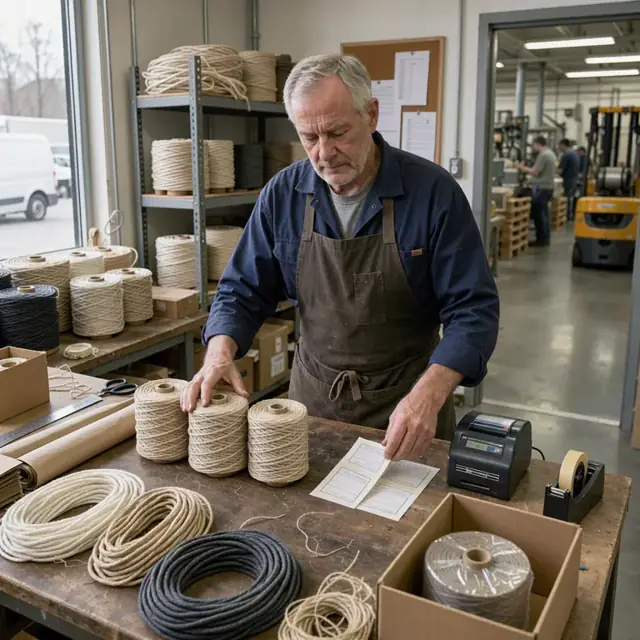
- Finished goods stored on spools, reels, pallets or in coils with proper labeling for traceability
- Compliance paperwork for lot numbers, test results, shipping manifests and customer certifications
- Repeat industrial customers who reorder standard constructions and request samples for new projects
Specialist bots

Order Taker
Turn every custom rope and cordage inquiry into a confirmed production-ready specification.
Works in: Ambitious Tasks, Ambitious Docs, Contract Analyzer · Workflows: Order intake and specification confirmation
Automates
- Reads incoming order messages and extracts technical requirements
- Populates specification sheets with fiber, construction and performance details
- Checks against current production capabilities and inventory
- Drafts confirmation and specification sheet
- Creates the production order task
Stops for a person
- Production manager approves any non-standard constructions
- Engineering reviews tensile or performance requirements outside normal range
- A person sends all confirmations and handles pricing questions

Production Scheduler
Turn confirmed orders into an efficient machine schedule with changeovers and testing time.
Works in: Ambitious Tasks, Process Optimizer · Workflows: Production scheduling and machine assignment
Automates
- Groups orders by fiber and machine type
- Builds the production calendar with run times and changeovers
- Sequences special treatment orders appropriately
- Generates detailed work orders for each machine
Stops for a person
- Production manager adjusts the schedule for priorities and maintenance
- Final schedule is reviewed and approved before release to the floor

Fiber Inventory Manager
Convert the production schedule into accurate fiber purchasing lists while tracking lots and usage.
Works in: Ambitious Sheets, Ambitious Tasks, Ambitious Docs · Workflows: Raw material inventory and purchasing
Automates
- Calculates exact fiber quantities needed per order
- Subtracts current inventory by lot number
- Drafts purchase lists by supplier
- Tracks consumption and waste per run
- Monitors shelf life and storage conditions
Stops for a person
- The owner places all fiber and material orders
- Any substitution of fiber type requires production manager approval
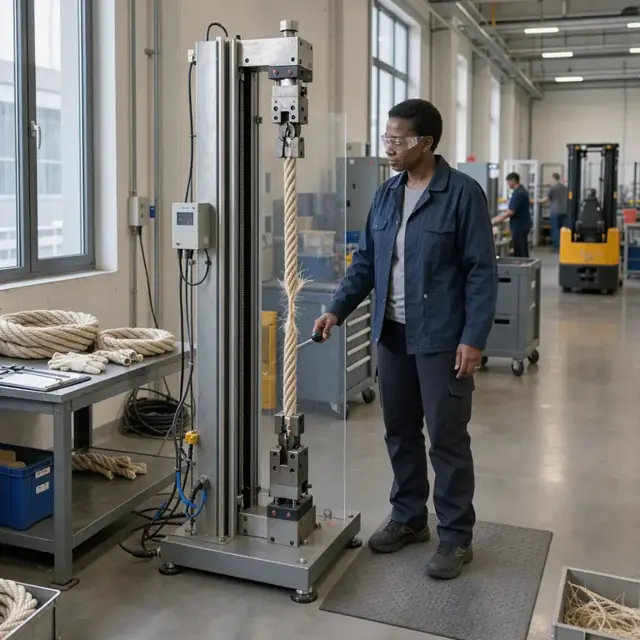
Quality Verifier
Run product testing protocols and generate test reports and certificates against customer requirements.
Works in: Ambitious Tasks, Ambitious Docs, Ambitious Sheets · Workflows: Quality testing and documentation
Automates
- Generates testing checklists for each production run
- Records test values for strength, abrasion and elongation
- Compares results against the confirmed specifications
- Prepares certificates when requirements are met
- Flags any deviations for review
Stops for a person
- Production manager reviews all test results
- The owner confirms which customer requirements apply to each order
- A person performs the physical break tests and signs off on documentation

Shipping Coordinator
Prepare finished rope and cordage for shipment with proper labeling, manifests and notifications.
Works in: Ambitious Tasks, Ambitious Docs, Ambitious Sheets · Workflows: Finished goods labeling and shipment preparation
Automates
- Creates labels with lot numbers and specifications
- Generates packing lists and manifests
- Groups shipments by customer and destination
- Drafts customer shipping notifications
- Updates inventory after shipment
Stops for a person
- The owner approves all shipping documents before they are sent
- Warehouse staff physically verifies quantities and labels before loading

Equipment Maintenance Coordinator
Maintain daily and periodic equipment checklists and track calibration and repair records.
Works in: Ambitious Tasks, Ambitious Docs, Ambitious Sheets · Workflows: Equipment maintenance and calibration
Automates
- Generates daily setup and calibration checklists
- Tracks maintenance history for each machine
- Schedules preventive work to avoid production conflicts
- Logs any machine issues reported during runs
Stops for a person
- Maintenance technicians perform and document all repairs
- Production manager approves timing of major maintenance activities
Customer Account Manager
Send shipment confirmations, test documentation and prompt repeat customers for reorders.
Works in: Email Buckets, Ambitious Docs, Ambitious Tasks · Workflows: Customer follow-up and reorder management
Automates
- Drafts shipment confirmations with tracking
- Attaches test summaries and certificates
- Reminds customers of upcoming reorder windows
- Prepares performance feedback requests
- Maintains customer specification history
Stops for a person
- The owner approves every communication before it is sent
- Sales reviews any requests for samples or new product development

Compliance and Safety Clerk
Track permit renewals, generate safety checklists and assemble required lot and test documentation packages.
Works in: Ambitious Tasks, Ambitious Docs, Ambitious Sheets · Workflows: Permit, license and safety paperwork
Automates
- Generates daily safety and calibration checklists
- Tracks renewal dates for permits, licenses and insurance
- Assembles traceability and test result packages per run
- Flags upcoming deadlines for review
Stops for a person
- The production manager confirms which local, state and federal rules apply
- A person reviews and files all official paperwork and signs off on test records
- The bot never certifies compliance
Workflows
Order intake and specification confirmation
Starts when: A customer submits an order by email, form or direct message
- Capture fiber type, construction, diameter, length, tensile requirements, coating and any special end treatments
- Check the order against current machine capabilities and available fiber stock
- Confirm production window against the monthly schedule and changeover needs
- Draft a specification sheet for production and send confirmation to the customer
- Create a production order task with full technical specifications
Watch for: Tensile strength and material requirements must be captured exactly as specified; Custom constructions may require engineering review before acceptance
Production scheduling and machine assignment
Starts when: Weekly and after each new confirmed order batch
- Group orders by fiber type, construction and machine requirements
- Assign orders to braiders, twisters or treaters based on capacity and setup
- Build a timed schedule including setup, run time, changeover and testing
- Flag orders needing special coatings or treatments to be sequenced properly
- Generate work orders with full specifications for each machine operator
Watch for: Machine changeovers between different fiber diameters or coatings take significant time; Production must maintain minimum run lengths for efficiency
Raw material inventory and purchasing
Starts when: After schedule is locked and monthly
- Explode the production schedule into fiber, coating and packaging requirements
- Subtract current inventory and lot numbers
- Draft purchase orders by supplier for fibers, chemicals and packaging
- Track moisture levels, shelf life and lot traceability for all incoming materials
- Log usage and waste per production run
Watch for: Fibers are sensitive to humidity and must be stored properly; Lot traceability must be maintained through the entire production process
Quality testing and documentation
Starts when: At completion of each production run
- Generate testing checklist for break strength, abrasion, elongation and adhesion
- Record test results against customer specifications
- Create certificates of conformance when all tests pass
- Flag any out-of-spec material for review
- Update inventory with tested and approved quantities
Watch for: Each customer may have unique testing and documentation requirements; Test equipment must be calibrated on a regular schedule
Finished goods labeling and shipment preparation
Starts when: After quality approval and before shipment
- Generate labels with lot numbers, specifications, length and handling instructions
- Prepare packing lists and shipping manifests
- Group orders by customer and destination
- Draft shipping notifications for approval
- Record shipment details and update inventory
Watch for: Large spools and reels require special handling and shipping methods; Traceability documentation must accompany each shipment
Equipment maintenance and calibration
Starts when: Daily, weekly and on scheduled intervals
- Generate daily machine setup and calibration checklists
- Track maintenance logs for each piece of equipment
- Schedule preventive maintenance to minimize production downtime
- Record any issues found during runs that require repair
- Maintain records of calibrations for test equipment
Watch for: Braiders and twisters require precise tension calibration; Downtime for maintenance must be coordinated with the production schedule
Customer follow-up and reorder management
Starts when: After shipment and on a regular cadence
- Draft shipment confirmation and tracking information
- Send test result summaries and certificates of conformance
- Remind repeat customers when their standard orders are due for reorder
- Draft requests for feedback on product performance
- Track customer preferences and specifications for future orders
Watch for: Industrial customers often require detailed technical documentation; Never send documents without owner approval
Permit, license and safety paperwork
Starts when: On renewal dates, after each audit and every production run
- Generate production-run safety checklist covering lockout-tagout, PPE, dust control and chemical handling
- Log calibration dates for test equipment and maintenance records for braiders and twisters
- Track renewal dates for operating permits, environmental permits and insurance
- Assemble lot traceability, test results and material safety data for each shipment
- Prepare documentation packages the production manager reviews before filing
Watch for: Local, state and federal rules for industrial textile operations differ by location; The production manager confirms which permits and reporting requirements apply
Bot templates for this industry
Source: U.S. Small Business Administration, Office of Size Standards, Table of Small Business Size Standards Matched to North American Industry Classification System Codes, version March 2023 (effective 2023-03-17, NAICS 2022). Size standards are shown for reference only.