

All Other Miscellaneous Textile Product Mills
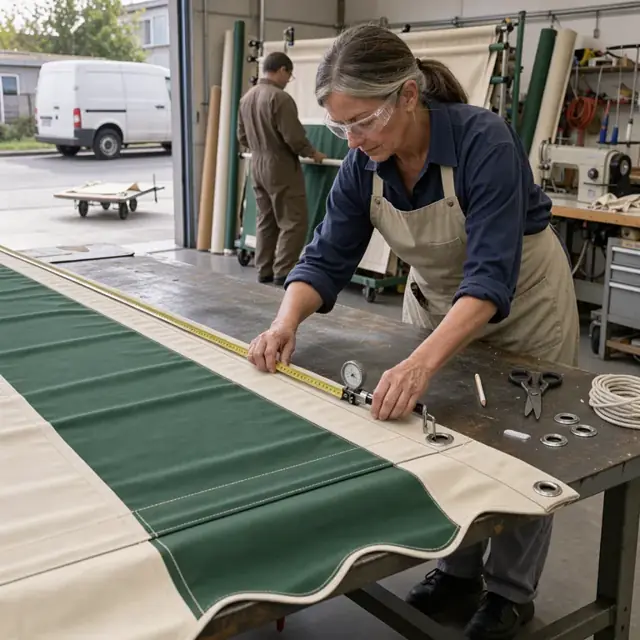
All other miscellaneous textile product mills produce custom and small-batch sewn and fabricated textile goods such as banners, flags, awnings, pads, slings, bags, straps, covers and specialized industrial textiles. For a shop that takes orders for made-to-spec items from canvas, nylon, polyester and technical fabrics, the specialists turn customer specifications into confirmed production orders, orders into cut lists and sewing schedules, cut lists into material purchases, and finished goods into packing and shipping labels. Pattern making, seam specifications and material testing stay with the sewing lead.
What makes this business different
- Custom specifications with exact dimensions, fabric types, thread, hardware, stitching patterns, reinforcement and finishing details that must be followed precisely
- Small-batch or one-off production runs mixed with occasional repeat orders
- Material cutting optimization to minimize waste on expensive technical fabrics
- Specialized equipment including industrial sewing machines, heat sealers, grommet presses and cutting tables that require scheduling
- Traceability for materials including lot numbers for safety-rated or outdoor fabrics
- Packaging and labeling requirements that vary by customer and end use including barcodes, tags and care instructions
- Seasonal demand peaks for outdoor and promotional textile products
- Compliance paperwork for flame retardancy, UV resistance, tensile strength and other performance requirements that the sewing lead confirms
Specialist bots
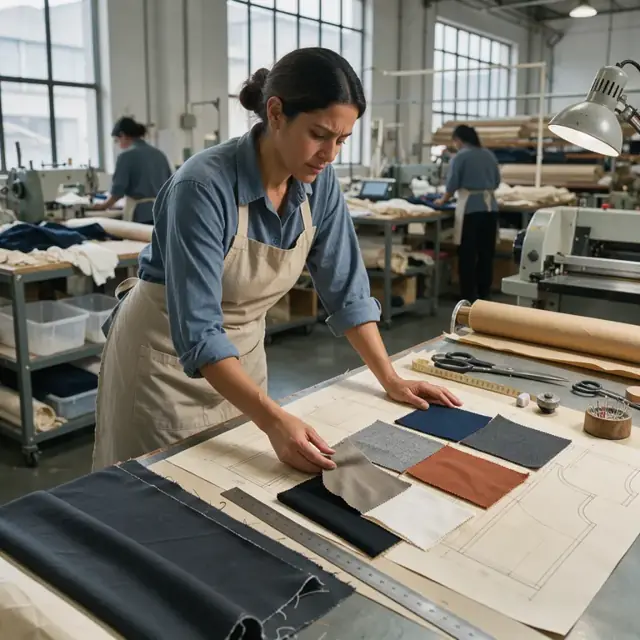
Order Specification Specialist
Convert every custom textile order into a complete, unambiguous production specification.
Works in: Ambitious Tasks, Ambitious Docs, Contract Analyzer · Workflows: Order intake and specification capture
Automates
- Reads incoming order messages, drawings and specification sheets
- Extracts dimensions, materials, stitching, hardware and performance requirements
- Creates a standardized production specification sheet
- Checks against menu of available capabilities
- Generates the order task with all reference files attached
Stops for a person
- The sewing lead approves any non-standard construction methods
- Performance requirements such as flame retardancy are confirmed by the sewing lead
- A person sends order confirmations and handles pricing questions
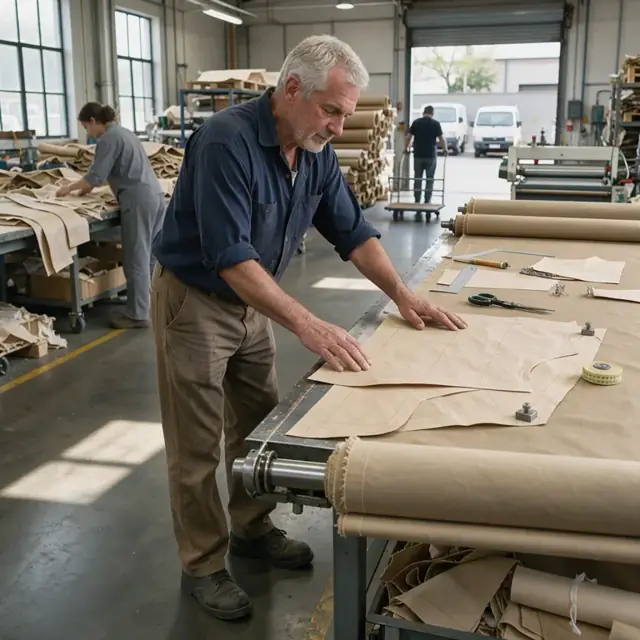
Pattern and Cutting Planner
Create efficient patterns and cutting plans that minimize fabric waste while meeting specifications.
Works in: Ambitious Docs, Ambitious Sheets, Process Optimizer · Workflows: Pattern making and cutting schedule
Automates
- Generates or adjusts patterns from order dimensions
- Nests patterns across available fabric widths
- Calculates material usage and waste
- Creates cut lists and piece labels
- Flags directional or special cutting requirements
Stops for a person
- The sewing lead reviews and approves all new patterns
- Any changes to customer-supplied patterns require owner approval
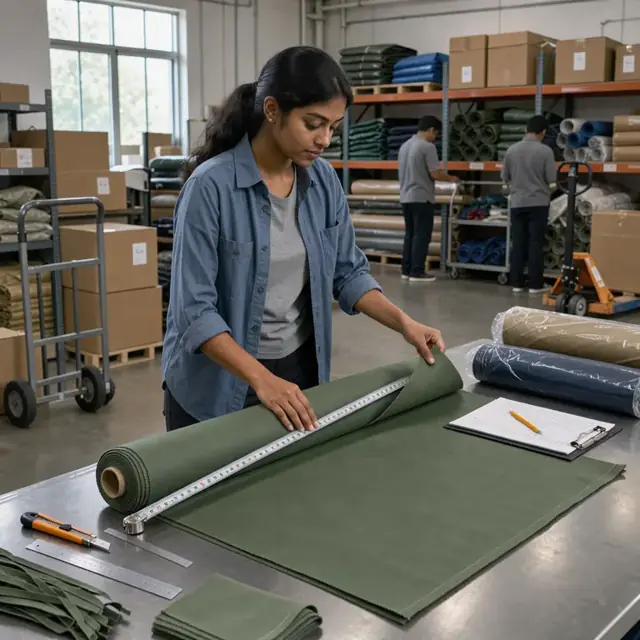
Materials and Hardware Coordinator
Calculate exact material needs, maintain inventory and prepare purchase lists for fabrics and hardware.
Works in: Ambitious Sheets, Ambitious Tasks, Ambitious Docs · Workflows: Fabric and hardware purchasing, Inventory and equipment tracking
Automates
- Calculates fabric, thread and hardware quantities from patterns
- Subtracts current stock and lot numbers
- Drafts purchase orders by supplier
- Updates inventory after receipts and production
- Tracks material lot numbers for traceability
Stops for a person
- The owner approves and places all purchases
- Material substitutions that affect performance must be approved by the sewing lead
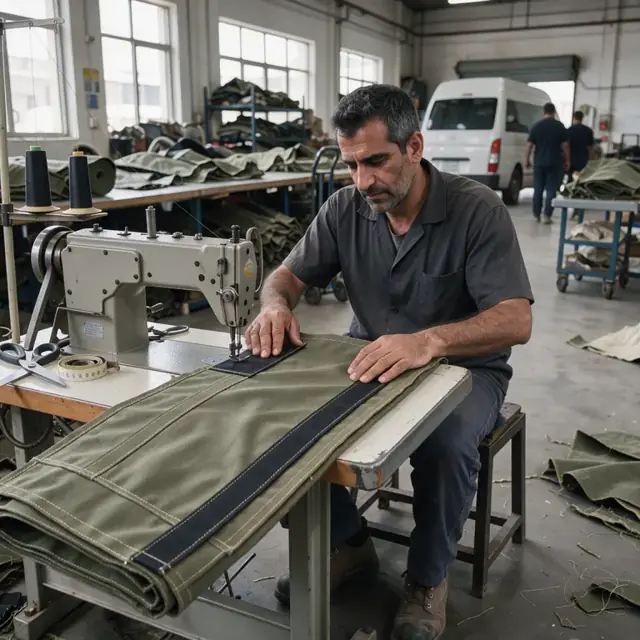
Production Scheduler
Sequence all cutting, sewing and finishing operations across machines and team members to meet delivery dates.
Works in: Ambitious Tasks, Process Optimizer · Workflows: Sewing and fabrication scheduling
Automates
- Sequences orders by due date and equipment needs
- Assigns operations to specific machines and stations
- Builds daily and weekly production schedules
- Identifies changeover times between operations
- Adjusts schedule for new priority orders
Stops for a person
- The sewing lead adjusts the schedule based on actual sewing times
- Machine maintenance windows are set by the owner
Quality and Testing Verifier
Create inspection checklists, record test results and document that each item meets the confirmed specifications.
Works in: Ambitious Tasks, Ambitious Docs, Ambitious Sheets · Workflows: Quality control and testing
Automates
- Generates order-specific inspection checklists
- Logs dimensional, seam strength and hardware attachment results
- Records performance test data where required
- Flags items needing rework with detailed instructions
- Prepares final approval documentation
Stops for a person
- The sewing lead performs and confirms all physical tests and inspections
- The owner confirms which performance tests apply to each order
- Final release for shipment is done by a person

Shipping and Packing Coordinator
Prepare all packing lists, labels, tags and shipping documentation once products pass inspection.
Works in: Ambitious Tasks, Ambitious Docs, Ambitious Sheets · Workflows: Packing and shipping preparation
Automates
- Generates packing lists and customer-specific tags
- Determines packing configuration for each product type
- Creates shipping labels and routing information
- Drafts shipment notifications
- Records tracking details after dispatch
Stops for a person
- A person verifies the physical packing matches the list
- The owner approves all shipping documents before they are sent
- Special crating instructions are reviewed by the sewing lead
Compliance and Test Clerk
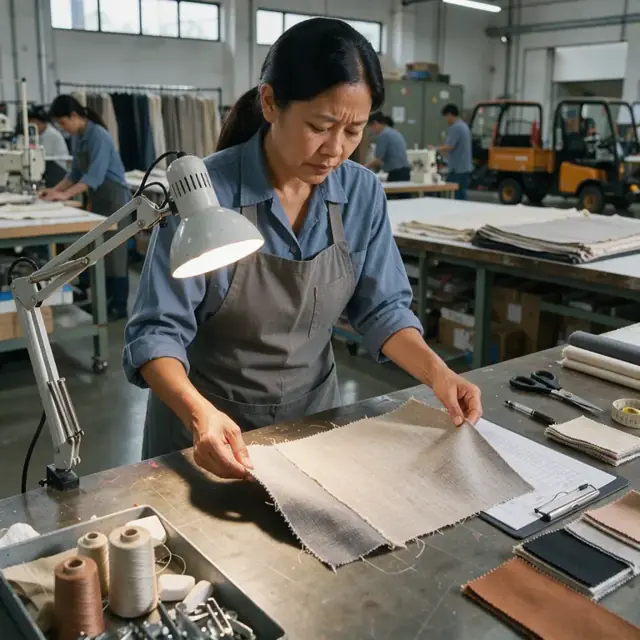
Generate performance-test checklists, record results and track required test reports and certifications.
Works in: Ambitious Tasks, Ambitious Docs, Ambitious Sheets · Workflows: Performance testing and compliance paperwork
Automates
- Creates order-specific test and certification checklists
- Logs flame, UV, tensile and abrasion test results
- Tracks renewal dates for certifications and lab reports
- Attaches test documentation to each order file
Stops for a person
- The sewing lead confirms which performance requirements and tests apply
- The sewing lead performs physical tests and signs off on results
- People handle any third-party lab submissions and final sign-off
Workflows
Order intake and specification capture
Starts when: A customer submits an order by form, email, drawing or specification sheet
- Extract all dimensions, fabric type, color, hardware, stitching and finishing requirements
- Check the order against available materials and equipment capabilities
- Create a production-ready specification sheet with diagrams
- Confirm pricing, quantity and delivery date
- Generate a unique order task with attached reference files
Watch for: Exact matching of customer-provided drawings or samples is required; Special performance requirements such as flame retardant or UV resistant must be flagged for the sewing lead
Pattern making and cutting schedule
Starts when: After order confirmation and material receipt
- Draft or adjust patterns based on final specifications
- Nest patterns on available fabric widths to minimize waste
- Create a cutting schedule by fabric type and order priority
- Generate cut-piece labels with order number and piece identifier
- Flag any special cutting instructions such as directional fabrics
Watch for: Expensive technical fabrics require maximum yield; Directional prints or coated fabrics have strict orientation rules
Fabric and hardware purchasing
Starts when: After pattern nesting is complete and weekly
- Calculate total fabric, thread, webbing and hardware by order and batch
- Subtract current inventory and lot numbers
- Draft purchase orders by supplier for approval
- Track incoming shipments and update inventory
- Maintain minimum stock levels for common fasteners and thread
Watch for: Many fabrics are sold by the roll with minimum order quantities; Special order materials for performance specifications have long lead times
Sewing and fabrication scheduling
Starts when: Daily at start of shift and after new orders
- Sequence orders by due date, equipment needs and fabric type
- Assign tasks to specific machines and operators
- Build a daily schedule showing cutting, sewing, finishing and inspection steps
- Flag orders needing specialized operations such as heat sealing or riveting
- Adjust schedule when equipment maintenance is required
Watch for: Machine changeover time between different thread weights and needle sizes; Some operations require two people for large items like awnings
Quality control and testing
Starts when: After each major production step and before shipment
- Generate inspection checklist based on order specifications
- Record results of seam strength, dimensional accuracy and hardware attachment
- Log any performance test results such as flame or abrasion tests
- Flag items needing rework with specific instructions
- Create final approval record for each completed order
Watch for: Certain customers require documented test results with each shipment; The sewing lead confirms which tests apply to each order
Packing and shipping preparation
Starts when: When goods pass final inspection
- Generate packing list, shipping labels and customer-specific tags
- Determine optimal packing method and materials for each item type
- Create routing and delivery instructions when applicable
- Draft shipment notification for customer approval
- Record tracking information once shipped
Watch for: Large or heavy items such as industrial slings require special crating; Some textiles must be folded or rolled using specific methods to prevent creasing
Inventory and equipment tracking
Starts when: Weekly and after major purchases
- Update fabric, hardware and finished goods inventory from production records
- Track equipment usage hours and maintenance schedules
- Forecast reordering points for high-volume materials
- Identify slow-moving inventory for potential repurposing
- Maintain lot traceability for safety-critical materials
Watch for: Many materials have shelf-life or UV degradation concerns; Equipment such as industrial sewing machines requires documented maintenance
Performance testing and compliance paperwork
Starts when: Before production of regulated items and on renewal dates
- Generate test and certification checklist based on order specifications and applicable requirements
- Record test results for flame retardancy, UV resistance, tensile strength and abrasion
- Track certification, test report and material safety data sheet renewal dates
- Attach test documentation to the order file
- Flag any items needing third-party lab verification
Watch for: Rules vary by product end-use such as marine, industrial or public assembly; The sewing lead confirms which performance tests and paperwork apply
Bot templates for this industry
Source: U.S. Small Business Administration, Office of Size Standards, Table of Small Business Size Standards Matched to North American Industry Classification System Codes, version March 2023 (effective 2023-03-17, NAICS 2022). Size standards are shown for reference only.