

Cut and Sew Apparel Contractors
Cut and sew apparel contractors take production orders for garments from designers and brands, cut fabric from markers, sew in batches on industrial machines, finish and pack for shipment on agreed dates. For a shop that receives cut files or patterns, cuts marker lays, assembles garments in lots and ships weekly, the specialists turn order messages into confirmed production specs, specs into cutting and sewing schedules, schedules into material and trim orders, and finished goods into packing lists and shipping labels. Patterns, grading, sewing methods and quality standards stay with the owner and lead sewers.
What makes this business different
- Production orders with exact style numbers, sizes, colors, fabric types, trims and construction details that must match the provided tech pack
- Weekly or bi-weekly production runs with firm ship dates and penalties for late delivery
- Batch cutting from markers laid on multiple fabric plies and sewing of like styles together
- Raw materials and trims purchased to exact order quantities with minimums from mills and suppliers
- Industrial cutting tables, sewing lines, pressing and finishing equipment that require daily maintenance logs
- Garment quality inspections, size measurements, labeling, hang tags and packing per buyer requirements
- Repeat designers who send seasonal collections with carry-over styles and fabric approvals
Specialist bots

Order Taker
Turn incoming purchase orders and tech packs into confirmed production specifications and tasks.
Works in: Ambitious Tasks, Ambitious Docs, Email Buckets · Workflows: Order intake and specification
Automates
- Reads order emails and attached tech packs
- Extracts style, quantity, color, fabric and construction details
- Checks against production calendar and capacity
- Drafts order acknowledgment
- Creates the production task with full spec
Stops for a person
- The owner approves any deviations from standard lead times
- A person sends the final acknowledgment and handles payment terms
- Technical questions about construction go to the owner

Production Scheduler
Create weekly cutting and sewing schedules that meet ship dates and balance shop capacity.
Works in: Process Optimizer, Ambitious Sheets · Workflows: Production scheduling and capacity
Automates
- Loads orders into the master schedule by due date
- Assigns styles to cutting tables and sewing lines
- Calculates daily output targets
- Highlights capacity conflicts and bottlenecks
- Suggests schedule adjustments
Stops for a person
- The owner approves the final weekly schedule
- Changes to operator assignments are decided by the lead sewer
Materials Coordinator
Convert production schedules into accurate fabric and trim purchase orders and track receipts.
Works in: Ambitious Sheets, Ambitious Tasks, Ambitious Docs · Workflows: Material and trim purchasing
Automates
- Explodes schedules into bills of materials
- Subtracts current stock levels
- Drafts purchase orders by supplier and required date
- Logs incoming rolls and trim against orders
- Flags low stock or late deliveries
Stops for a person
- The owner places all purchase orders and approves spending
- Fabric substitutions or dye lot changes require owner approval

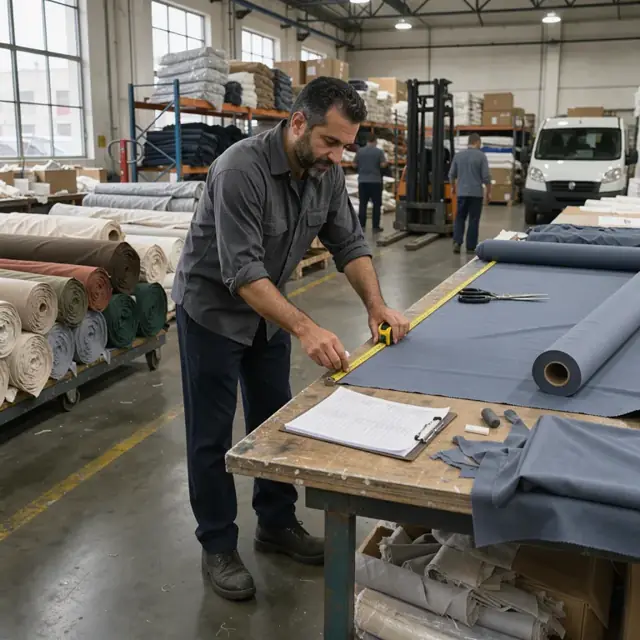
Cutting Planner
Create efficient markers, plan fabric lays and track cutting yields for each style.
Works in: Ambitious Tasks, Ambitious Sheets, Process Optimizer · Workflows: Marker making and cutting
Automates
- Generates marker plans from patterns and size ratios
- Calculates fabric requirements and estimated yield
- Tracks actual usage versus estimate after each lay
- Bundles cut pieces with bundle tickets
- Records defects found during spreading
Stops for a person
- The cutter approves final marker placement especially for patterned fabrics
- A person inspects cut bundles before they move to sewing
Sewing Coordinator
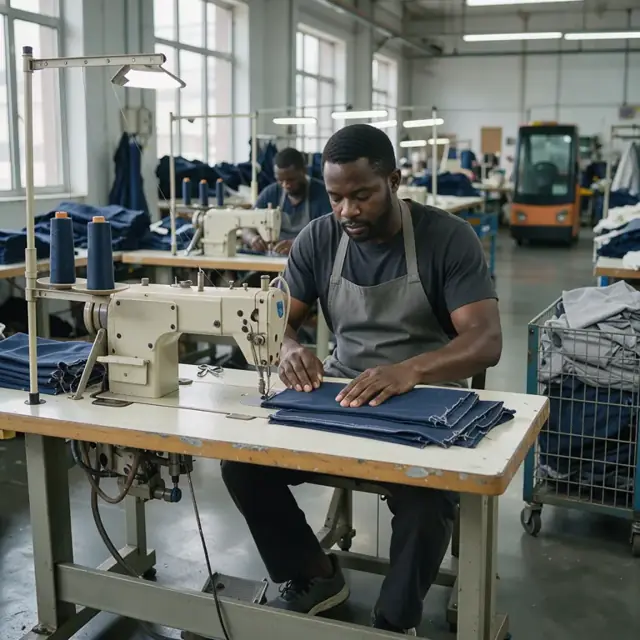
Assign cut bundles to sewing operations, track progress and manage in-process quality checks.
Works in: Ambitious Tasks, Ambitious Sheets, Process Optimizer · Workflows: Sewing and in-process quality
Automates
- Assigns bundles to specific sewing lines and operations
- Tracks daily output per operator and operation
- Schedules in-line quality audits
- Logs measurements and rework
- Moves completed bundles to finishing
Stops for a person
- The lead sewer decides operator assignments and machine setups
- Quality issues and rework decisions are made by people

Finishing and Shipping Coordinator
Manage final garment inspection, labeling, packing into cartons and creation of shipping documents.
Works in: Ambitious Tasks, Ambitious Docs, Ambitious Sheets · Workflows: Finishing, packing and shipping
Automates
- Generates final inspection checklists
- Creates carton packing lists and labels
- Produces shipping labels and invoices
- Records carton counts and weights
- Drafts shipment notifications
Stops for a person
- A person performs the final quality audit and signs off on each style
- The owner approves all documents before shipment leaves
- Any third-party inspection results are reviewed by people
Compliance and Paperwork Clerk
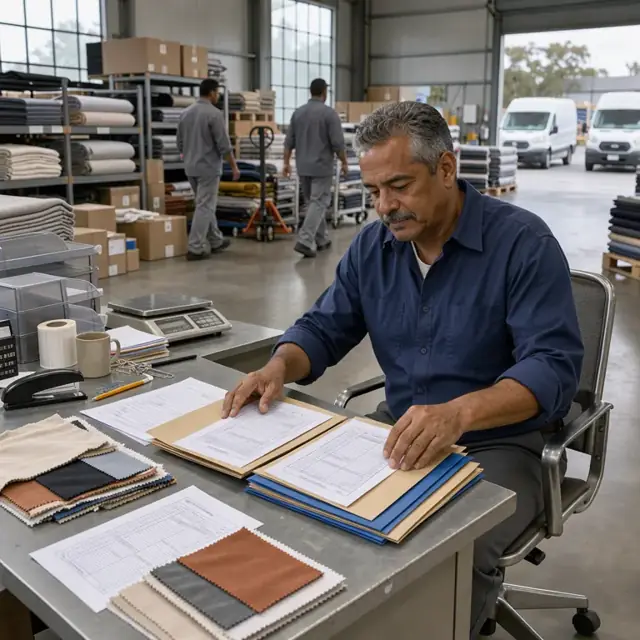
Maintain production checklists, track certifications, licenses and prepare shipment documentation packages.
Works in: Ambitious Tasks, Ambitious Docs, Ambitious Sheets · Workflows: Compliance and permit tracking
Automates
- Generates style-specific compliance checklists
- Tracks supplier certifications and test reports
- Monitors renewal dates for licenses and insurance
- Compiles shipment document packages
- Maintains equipment maintenance logs
Stops for a person
- The owner confirms which compliance requirements apply to each buyer and order
- People review and approve all documents before they are sent or filed
- The bot never certifies compliance
Workflows
Order intake and specification
Starts when: A designer or brand sends a purchase order, tech pack or email
- Capture style number, quantity per size and color, fabric and trim details
- Check the order against current cutting capacity and agreed lead times
- Confirm ship date and any special packing or labeling instructions
- Record payment terms and create a production task with full spec
- Draft acknowledgment for approval
Watch for: Tech packs must be attached and all measurements and construction notes preserved exactly; Changes after cutting begins require written approval and may incur costs
Production scheduling and capacity
Starts when: After order confirmation and weekly
- Load confirmed orders into the master schedule by ship date
- Assign cutting and sewing lines based on machine availability and operator skills
- Calculate total fabric and trim requirements per style
- Flag rush orders or bottlenecks on the cutting table or specific sewing operations
- Use process optimization to balance daily output targets
Watch for: Sewing lines are limited by number of machines and skilled operators for each operation; Fabric lays must be scheduled when the right width and color rolls are in house
Material and trim purchasing
Starts when: After schedule is set and on supplier lead times
- Explode the production schedule into a bill of materials by style and color
- Subtract current inventory of fabric, thread, buttons, zippers and labels
- Draft purchase orders by supplier with exact yardage and delivery dates
- Track incoming receipts against orders and update inventory
- Flag any substitutions or shortages for approval
Watch for: Fabric must be ordered in specific dye lots and widths to match the approved sample; Trim minimums often exceed the exact order quantity
Marker making and cutting
Starts when: When fabric and approved patterns are ready
- Import or create markers for each style and size ratio
- Check fabric for defects before spreading
- Cut the lay and bundle cut pieces with proper tags
- Record actual fabric usage versus estimated yield
- Move bundles to sewing stations with accompanying trim
Watch for: Marker efficiency directly affects fabric cost and waste; Directional prints, plaids and one-way fabrics require special layout rules
Sewing and in-process quality
Starts when: After cutting bundles are ready and daily
- Assign operations to sewing lines and track progress per bundle
- Perform in-line quality checks at critical operations
- Log operator output and any rework needed
- Measure sample garments against size specs
- Prepare finished garments for final pressing and inspection
Watch for: Each garment type has specific seam allowances, stitch types and finishing methods; Operator training and machine settings must match the construction bulletin
Finishing, packing and shipping
Starts when: When sewing and final inspection are complete
- Perform final quality audit and measurements on finished garments
- Attach labels, hang tags, poly bags and size stickers per buyer spec
- Pack into cartons with correct carton marking and packing lists
- Generate shipping labels and commercial invoices
- Record shipment tracking and notify the customer
Watch for: Carton counts and labeling must match the buyer's routing guide exactly; Some buyers require third-party inspections before release
Compliance and permit tracking
Starts when: On order intake and renewal dates
- Generate production checklist for each style including safety testing requirements
- Track fabric and trim certifications received from suppliers
- Monitor renewal dates for business licenses, contractor registrations and insurance
- Maintain sewing and maintenance logs for equipment
- Prepare documentation packages for each shipment
Watch for: Different states and buyers have distinct labeling, flammability and chemical compliance rules; The owner confirms which requirements apply to each order
Bot templates for this industry
- Cut and Sew Apparel Contractors (7 bots)
Source: U.S. Small Business Administration, Office of Size Standards, Table of Small Business Size Standards Matched to North American Industry Classification System Codes, version March 2023 (effective 2023-03-17, NAICS 2022). Size standards are shown for reference only.