

Cut and Sew Apparel Manufacturing (except Contractors)
Cut and sew apparel manufacturers take fabric, patterns and custom specs, cut marker layouts, sew garments in batches or to order, finish with labels and tags, then pack and ship. For a shop that produces custom uniforms, performance outerwear or made-to-measure shirts, the specialists turn order details into approved patterns and markers, markers into cut plans and fabric pulls, cut plans into sewing schedules and quality checklists, and finished goods into packed shipments with correct labeling. Pattern accuracy, fabric yield, sizing consistency and safety standards stay with the owner and sewers.
What makes this business different
- Custom measurements, fabric choices, color matching, embroidery or print placement and fit notes that must be captured exactly
- Marker making and nesting to minimize fabric waste on rolls of varying widths and content
- Batch cutting of multiple sizes or styles from the same fabric lay, followed by bundling for sewing
- Sewing sequences that respect construction order, seam finishes, topstitching and hardware attachment
- Quality checkpoints for stitch count, seam strength, measurements and colorfastness
- Care labels, size tags, content labels and country-of-origin markings that match regulatory requirements
- Inventory of piece goods, trims, buttons, zippers and thread with minimums and reorders
- Production calendars that balance custom rush orders with standard seasonal runs
- Permit, license and safety paperwork that tracks workplace safety logs, equipment maintenance and labeling compliance
Specialist bots
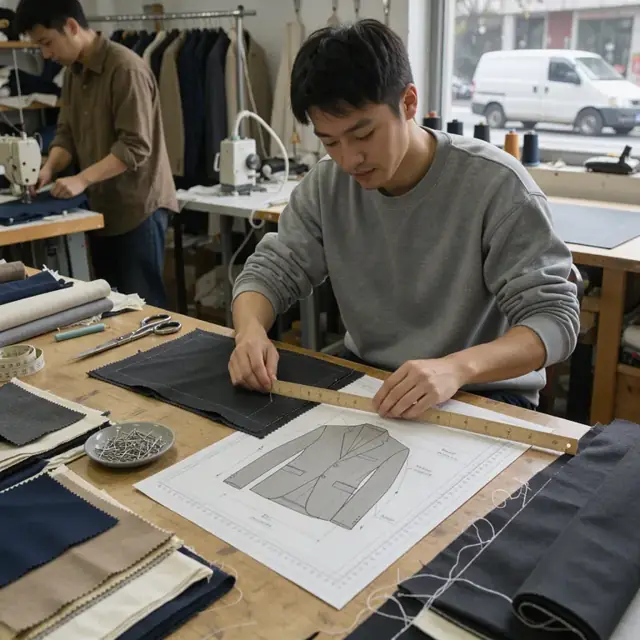
Order Specifier
Turn every incoming order into a complete technical package with all specifications.
Works in: Ambitious Tasks, Ambitious Docs, Contract Analyzer · Workflows: Order intake and specification
Automates
- Reads order forms, emails and purchase orders
- Extracts style, fabric, sizing, trim and customization details
- Builds the technical package with measurement charts
- Checks against production calendar for feasibility
- Drafts the order confirmation
Stops for a person
- The owner approves any custom pattern modifications
- Fabric availability and pricing are confirmed by a person before commitment
- A person sends the final confirmation and handles exceptions

Pattern and Marker Maker
Create graded patterns and efficient markers that minimize fabric waste while meeting specifications.
Works in: Ambitious Docs, Ambitious Sheets, Process Optimizer · Workflows: Pattern and marker development
Automates
- Pulls base patterns and applies size grading rules
- Nests pattern pieces on virtual fabric rolls
- Calculates fabric yield and efficiency for each marker
- Adjusts for fabric width, nap and print repeats
- Outputs cut tickets and marker plots
Stops for a person
- The owner reviews and approves every marker before cutting
- Pattern adjustments for custom fits are decided by a person
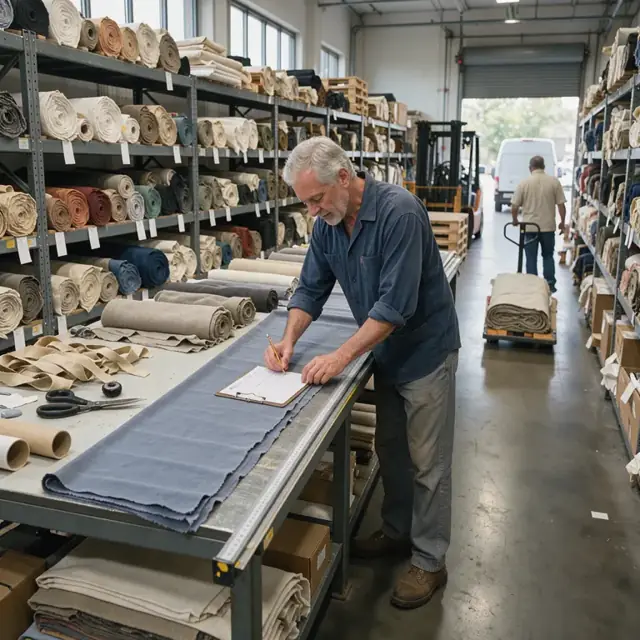
Materials Coordinator
Calculate and track all fabric, trim and supply needs, then draft purchase orders to maintain proper stock levels.
Works in: Ambitious Sheets, Ambitious Tasks, Ambitious Docs · Workflows: Fabric and trim purchasing and inventory, Inventory replenishment and forecasting
Automates
- Explodes markers into total fabric and trim requirements
- Subtracts current inventory by lot and roll
- Generates purchase lists by supplier
- Tracks receipts and updates stock records
- Flags low-stock items and suggests reorder quantities
Stops for a person
- The owner places and approves all purchases
- Dye lot approvals for fabrics are handled by a person
- A person confirms substitutions or alternatives

Cutting Planner
Create daily cutting schedules, spread plans and bundle tickets that feed the sewing floor efficiently.
Works in: Ambitious Tasks, Ambitious Sheets · Workflows: Cutting schedule and bundling
Automates
- Sequences cutting orders by due date and sewing capacity
- Calculates ply heights and spread lengths
- Generates bundle tickets with order and size information
- Compares actual versus projected fabric usage
- Moves completed cut bundles into the production queue
Stops for a person
- The cutter confirms the spread setup before cutting begins
- A person verifies bundle contents before they leave the cutting area

Production and Quality Tracker
Track sewing progress, generate quality checklists and ensure garments meet measurement and construction standards.
Works in: Ambitious Tasks, Ambitious Docs, Ambitious Sheets · Workflows: Sewing production and quality control, Compliance, safety and permit paperwork
Automates
- Assigns bundles to sewing operations and tracks completion
- Creates daily quality inspection checklists
- Records measurements and defect information
- Flags items needing rework for separate handling
- Moves approved garments to the finishing queue
- Compiles daily safety and equipment logs
Stops for a person
- Sewers and quality inspectors perform all physical checks
- The owner determines final disposition of any reworked garments
- A person performs the final pre-shipment inspection
- The owner confirms which regulatory requirements apply to each batch
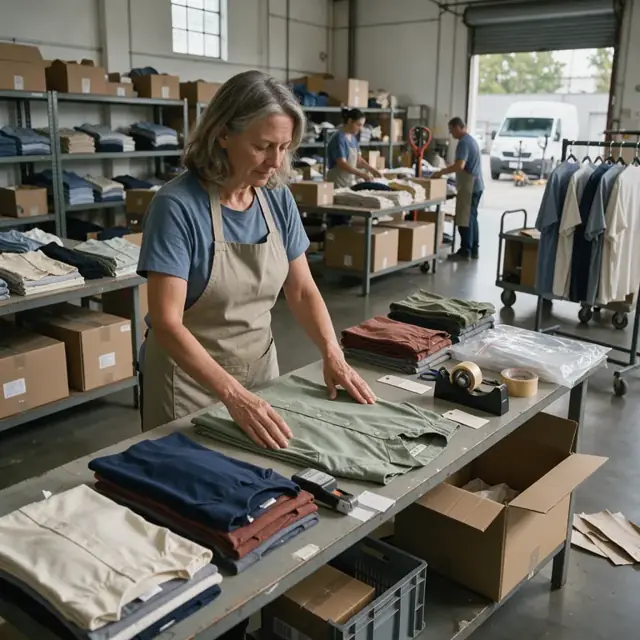
Finishing and Shipping Coordinator
Manage labeling, final pressing, packing and shipment documentation for completed orders.
Works in: Ambitious Tasks, Ambitious Docs, Email Buckets · Workflows: Finishing, labeling and shipping
Automates
- Generates correct care labels, size tags and content markings
- Creates packing lists and carton labels
- Drafts shipping labels and carrier paperwork
- Prepares customer notification messages
- Updates order status across systems
Stops for a person
- The owner approves all labeling content before printing
- A person performs the final visual inspection and packing
- A person reviews and sends all customer communications

Compliance and Safety Clerk
Run daily safety checklists, track equipment maintenance and keep labeling, permit and production records current.
Works in: Ambitious Tasks, Ambitious Docs, Ambitious Sheets · Workflows: Compliance, safety and permit paperwork
Automates
- Generates daily equipment and safety checklists
- Logs inspection and maintenance records
- Tracks renewal dates for licenses and certificates
- Verifies label content against order specifications
- Compiles batch traceability and quality records
Stops for a person
- The owner confirms which local, state and market requirements apply
- All physical inspections, corrective actions and filings are performed by people
- The owner reviews and approves every record before shipment
Workflows
Order intake and specification
Starts when: A customer submits an order by form, email, purchase order or portal
- Capture style, sizes, quantities, fabric, trim, color, embroidery or print details and special fit notes
- Check against available fabrics, current patterns and production calendar
- Create a technical package with measurements, construction notes and reference images
- Draft order confirmation including estimated ship date and pricing breakdown
- Generate a unique order task with all specifications attached
Watch for: Exact fabric and color must be confirmed before cutting; Custom measurements require pattern adjustment before marker creation
Pattern and marker development
Starts when: After order confirmation and fabric approval
- Pull or digitize the base pattern for the style
- Grade the pattern to all required sizes
- Create marker layouts to maximize fabric utilization for the cut quantity
- Check marker against fabric width, nap direction and print repeat
- Output cut-ready marker files and cutting instructions
- Draft marker for owner review before any cutting begins
Watch for: Fabric directionality and one-way prints affect nesting efficiency; Marker must be approved before any fabric is spread
Fabric and trim purchasing and inventory
Starts when: After marker is approved and weekly for stock items
- Calculate total fabric needed from marker reports and current open orders
- Subtract from on-hand inventory by roll and lot
- Draft purchase orders for piece goods, thread, buttons, zippers and labels
- Track incoming receipts against purchase orders
- Maintain minimum stock levels for trims and frequently used fabrics
- Flag low-stock or expiring materials for reorder
Watch for: Dye-lot matching is critical for color consistency across orders; Specialty fabrics may have long lead times
Cutting schedule and bundling
Starts when: When fabric and marker are ready
- Sequence cuts based on sewing line capacity and due dates
- Generate spread and cut tickets with ply counts and bundle sizes
- Record actual fabric usage and yield against marker projection
- Bundle cut pieces with attached tickets showing style, size and order number
- Move completed bundles to sewing stations
- Log any cutting variances for quality review
Watch for: Cut accuracy directly affects final garment measurements; Remnant tracking prevents small pieces from being lost
Sewing production and quality control
Starts when: When cut bundles reach the sewing floor
- Assign bundles to sewing operators or lines based on operation sequence
- Track progress through each construction step using checkpoints
- Generate daily quality checklists for critical measurements and seam integrity
- Flag and segregate any garments needing rework
- Move passed garments to finishing for labels and pressing
- Record operator and machine usage for each operation
Watch for: Different operations require specific machines and skilled operators; In-process quality checks catch defects before finishing
Finishing, labeling and shipping
Starts when: After sewing and quality approval
- Attach all required labels, tags and hangtags per order specifications
- Press or steam garments and perform final inspection
- Pack according to customer requirements with packing lists
- Generate shipping labels and carrier documentation
- Update order status and notify customer of shipment
- File completed production and inspection records
Watch for: Label content and placement must match order and regulatory needs; Certain customers require specific carton labeling and pallet configurations
Inventory replenishment and forecasting
Starts when: Weekly and at season start
- Review consumption rates for fabrics and trims against open and forecast orders
- Identify items below minimum stock levels
- Draft reorder suggestions with lead times
- Forecast fabric needs for upcoming seasonal styles
- Adjust safety stock based on supplier performance
- Generate report of on-hand inventory versus upcoming production calendar
Watch for: Seasonal demand spikes require advance fabric commitments; Slow-moving trims can tie up capital
Compliance, safety and permit paperwork
Starts when: Daily before production, after each run and on renewal dates
- Generate daily safety and machine-maintenance checklist for cutting, sewing and pressing equipment
- Log operator hours, equipment inspections and any incident reports
- Track renewal dates for business licenses, fire-safety certificates and import/export documents
- Verify that all care, content, size and country-of-origin labels match current order specs and requirements
- Compile production records, quality logs and material traceability for each batch
- Prepare files for owner review before any shipment leaves the facility
Watch for: Rules differ by product type, sales channel and destination market; The owner confirms which requirements apply to each order and production run
Bot templates for this industry
Source: U.S. Small Business Administration, Office of Size Standards, Table of Small Business Size Standards Matched to North American Industry Classification System Codes, version March 2023 (effective 2023-03-17, NAICS 2022). Size standards are shown for reference only.