

Footwear Manufacturing
Footwear manufacturers produce made-to-order and batch shoes, boots and sandals from patterns and materials. For a shop that cuts leather, assembles uppers, stitches soles and ships on set production days, the specialists turn customer specs into confirmed patterns, patterns and material orders into a cutting and assembly schedule, and the schedule into packing lists and reorders. Lasts, sizing, stitching tolerances and material safety data stay with the leatherworker and stitcher.
What makes this business different
- Custom orders with many options (sizes, widths, leathers, colors, hardware, linings and footbed types) that must reach the shop exactly as specified
- Fixed production cadence with an order cutoff before each cutting day
- Batch production: one cutting list and stitching schedule for many different custom and stock orders
- Leather, rubber and textile materials bought just in time with hide yields, color matching and waste tracking
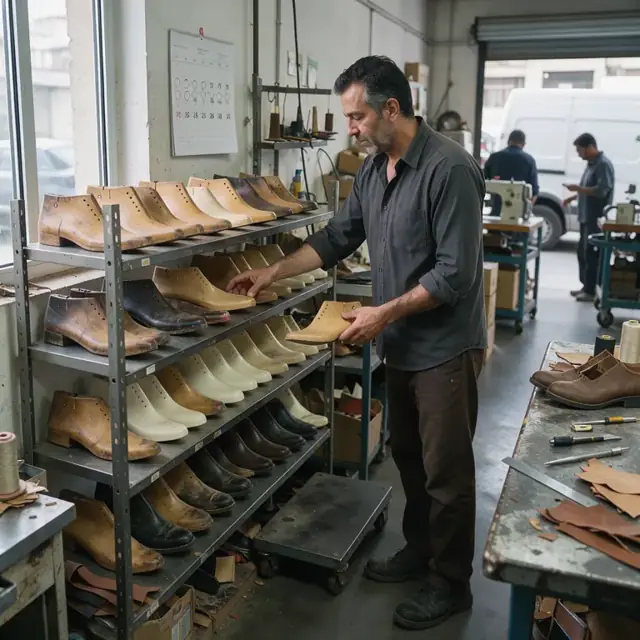
- Lasts, dies and molds managed as reusable assets with sizing and wear logs
- Stitching tolerances, adhesive cure times, safety testing and labeling requirements
- Repeat customers who reorder favorite lasts or styles and wholesale accounts with minimum runs
- Compliance paperwork including material safety data sheets, country-of-origin labeling and any required testing reports
Specialist bots

Order Taker
Turn every custom footwear order into a confirmed, shop-ready specification.
Works in: Ambitious Tasks, Ambitious Docs, Email Buckets · Workflows: Order intake and specification
Automates
- Reads incoming order forms and messages
- Populates size, width, material, color and custom options
- Checks against available lasts and next production slot
- Drafts the confirmation and specification sheet
- Creates the order task with pattern references
Stops for a person
- The leatherworker approves any off-menu materials or modifications
- Fit questions are escalated to a person, never assumed
- A person sends confirmations and handles payment
Pattern and Cutting Scheduler
Turn each production run's orders into a leather cutting plan and pattern set.
Works in: Ambitious Tasks, Ambitious Docs, Process Optimizer · Workflows: Pattern making and leather cutting
Automates
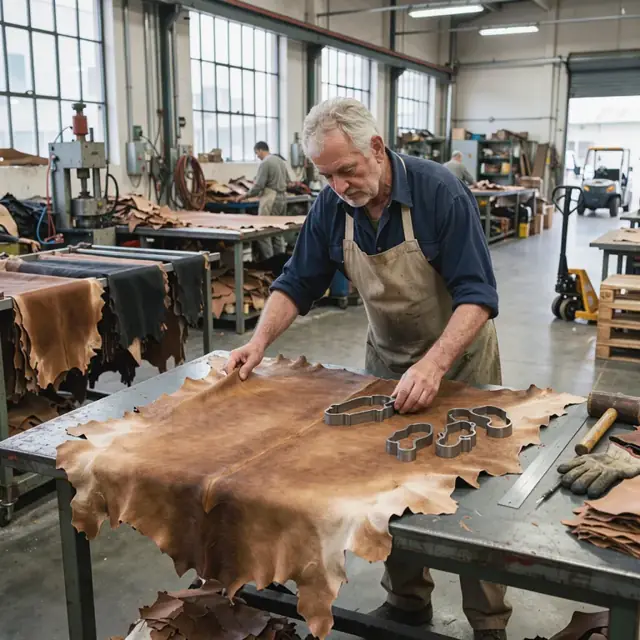
- Groups orders by last size and leather type
- Retrieves or grades patterns for each width
- Calculates hide yields and drafts the cutting sequence
- Flags matched-hide or specialty material orders for first cut
Stops for a person
- The leatherworker reviews and adjusts the cutting plan
- Final pattern placement on each hide is confirmed by a person

Material Buyer
Turn the cutting plan into material purchase lists and maintain stock par levels.
Works in: Ambitious Sheets, Ambitious Tasks, Ambitious Docs · Workflows: Material purchasing and inventory
Automates
- Explodes orders into leather, sole and hardware requirements
- Subtracts current inventory and calculated yields
- Drafts supplier orders by category
- Tracks offcuts and packaging supplies
Stops for a person
- The owner approves and places all purchases
- Any material substitution that affects appearance or performance is confirmed by the leatherworker
Production Capacity Planner
Build weekly production schedules and identify capacity bottlenecks.
Works in: Process Optimizer, Ambitious Sheets, Ambitious Tasks · Workflows: Production scheduling and capacity
Automates
- Compares confirmed orders to station and curing capacity
- Builds the day-by-day cutting and assembly timeline
- Highlights the current bottleneck operation
- Suggests maximum order quantities per run
Stops for a person
- The owner sets final production limits
- The stitcher and leatherworker adjust station assignments

Assembly and Quality Tracker
Track each pair through assembly stations and record measurements against tolerances.
Works in: Ambitious Tasks, Ambitious Sheets, Ambitious Docs · Workflows: Assembly and quality tracking
Automates
- Assigns station tasks from the master schedule
- Logs checkpoint measurements for each pair
- Flags out-of-tolerance items for rework
- Generates the final inspection checklist
Stops for a person
- A person performs all physical inspections and signs off on tolerances
- Any rework decision is made by the leatherworker or stitcher

Shipping Coordinator
Prepare packing lists, labels and shipping notifications after inspection.
Works in: Ambitious Tasks, Ambitious Docs, Ambitious Sheets · Workflows: Packing and shipping preparation
Automates
- Groups finished orders by destination
- Generates packing lists and box labels
- Drafts customer shipping notifications
- Records carrier tracking information
Stops for a person
- A person verifies contents before sealing boxes
- All shipping messages and customs documents are approved before sending

Customer Reorder Host
Thank customers after shipment, gather feedback and prompt reorders of favorite styles.
Works in: Ambitious Tasks, Email Buckets, Ambitious Docs · Workflows: Customer reorders and maintenance
Automates
- Drafts post-shipment thank-you and feedback requests
- Maintains a library of customer last and color preferences
- Drafts reorder reminders and wholesale restock offers
Stops for a person
- The owner approves every customer message and offer
- Any change to stored fit or style notes is confirmed by a person

Compliance and Safety Clerk
Run production-run checklists, log measurements and keep material safety sheets and license renewals current.
Works in: Ambitious Tasks, Ambitious Docs, Ambitious Sheets · Workflows: Compliance and safety documentation
Automates
- Generates daily tolerance and inspection checklists
- Logs measurements and test results from stations
- Warns before licenses, insurance or lab-test reports lapse
- Keeps material safety data sheets matched to current leather and adhesive batches
Stops for a person
- The owner confirms which local and destination-market rules apply
- Inspections, testing and corrective actions are handled by people
- The bot never certifies compliance
Workflows
Order intake and specification
Starts when: A customer submits an order by form, email or portal
- Capture size, width, upper material, color, sole type, hardware, lining and any custom notes
- Check the order against available lasts, dies and current production constraints
- Confirm production slot against the next cutting day and cutoff
- Draft a specification sheet and confirmation for approval
- Create one order task with a shop-ready pattern and material spec
Watch for: Foot measurements and width fittings must be captured precisely and never approximated; Orders after the cutoff roll to the next production run unless the leatherworker approves
Pattern making and leather cutting
Starts when: Order cutoff for each production run
- Lock the order list for the run
- Group orders by last size, upper style and leather type
- Generate or retrieve graded patterns for each size and width
- Calculate leather yield and draft a cutting plan that minimizes waste
- Flag any orders needing matched hides or specialty materials for first cut
Watch for: Leather grain direction and defects affect every cut; Limited table space and knife or clicker press capacity constrain batch size
Material purchasing and inventory
Starts when: After cutoff and weekly
- Explode the cutting plan into a leather, lining, sole, thread and hardware list
- Subtract current stock and hide yields
- Draft purchase orders by supplier for approval
- Track par levels for thread, eyelets and packaging
- Log offcuts, defects and leftover material for reuse
Watch for: Natural hides vary in size and quality so purchases are calculated per run; Dyes and finishes must match previous batches for repeat orders
Production scheduling and capacity
Starts when: Weekly before each cutting day
- Compare confirmed orders to bench space, stitching machines and curing racks
- Build a timed schedule for cutting, skiving, stitching, lasting, sole attachment and finishing
- Use the Process Optimizer to identify the current bottleneck step
- Suggest a maximum order cap per production run
Watch for: Hand-finishing steps limit daily throughput; Curing and drying times for adhesives and finishes dictate flow
Assembly and quality tracking
Starts when: Start of each production day
- Assign tasks to each station from the schedule
- Track each pair through cutting, stitching, lasting and finishing
- Record measurements against tolerances at each checkpoint
- Flag any rework or material substitutions
- Generate a final inspection checklist for each order
Watch for: Stitch density, edge finishing and sole adhesion have strict tolerances; Each pair must be matched left and right before boxing
Packing and shipping preparation
Starts when: After final inspection of each run
- Group completed orders by customer or carrier
- Generate packing lists, labels and any required compliance declarations
- Draft shipping notifications for approval
- Record tracking numbers and any damage notes
Watch for: Footwear must be packed with tissue, heel supports and moisture absorbers; International orders require specific labeling and documentation
Customer reorders and maintenance
Starts when: After shipment and on a set cadence
- Draft thank-you messages and quality feedback requests
- Remind repeat customers when their preferred styles are scheduled
- Maintain a library of past lasts, colors and notes for each customer
- Draft restock offers for wholesale accounts
Watch for: Never send messages without owner approval; Favorite last and fit notes must carry forward accurately
Compliance and safety documentation
Starts when: Every production run and on renewal dates
- Generate the production-day checklist for tolerances, adhesive cure times and visual inspections
- Log test results and measurements from each station
- Track renewal dates for business licenses, any required testing lab reports and insurance
- Maintain current material safety data sheets and country-of-origin labels with each material batch
Watch for: Rules differ by destination market for labeling and testing; The leatherworker confirms which testing and documentation requirements apply
Bot templates for this industry
- Footwear Manufacturing (8 bots)
Source: U.S. Small Business Administration, Office of Size Standards, Table of Small Business Size Standards Matched to North American Industry Classification System Codes, version March 2023 (effective 2023-03-17, NAICS 2022). Size standards are shown for reference only.