

Other Leather and Allied Product Manufacturing
Makers of leather and allied products create custom and batch orders for items such as tool belts, knife sheaths, pet collars, wallets, bags and horse tack. Orders arrive with specific dimensions, hardware, leather grades, stitching and personalization. The specialists turn customer specs into cut lists and patterns, patterns into material orders and cutting schedules, and finished goods into shipping labels and reorder prompts. Leather grading, hide yields, tooling patterns and safety data sheets remain with the maker.
What makes this business different
- Custom specifications for dimensions, hardware choices, leather grades, colors, stitching patterns and personalization such as initials or brands
- Irregular raw material: whole hides or sides with varying usable yield, defects and thickness
- Batch cutting from shared patterns or dies to minimize waste across multiple orders
- Tooling, stamping and edge finishing that require specific sequences and drying times
- Inventory of hides, hardware, thread, dyes and finishes with minimum purchase quantities
- Compliance paperwork for material safety data sheets, labeling and shipping regulations
- Repeat business from tradespeople, equestrian customers and retailers who reorder standard lines with occasional custom runs
Specialist bots

Order Taker
Turn every custom product inquiry into a complete, production-ready order specification.
Works in: Ambitious Tasks, Ambitious Docs, Email Buckets · Workflows: Order intake and specification
Automates
- Reads incoming order messages and forms
- Captures dimensions, materials, hardware, personalization and quantities
- Checks against existing patterns and current leather grades
- Drafts order confirmation with lead time
- Creates the production task with full specifications
Stops for a person
- The maker approves any non-standard tooling or leather requests
- A person reviews and sends all confirmations and handles payment
- Specialized personalization wording is confirmed by the owner

Pattern and Cutting Scheduler
Convert grouped orders into efficient hide layouts, cut lists and work tickets.
Works in: Ambitious Tasks, Ambitious Sheets, Process Optimizer · Workflows: Pattern and cutting schedule
Automates
- Groups orders by product type and leather grade
- Nests patterns to maximize usable area per hide
- Generates detailed cut lists and piece labels
- Flags items needing unique hand tooling
- Creates work tickets for each workstation
Stops for a person
- The leather cutter reviews and adjusts final nest layouts
- Any unusual hide defects require maker approval before cutting

Material Buyer
Convert cut lists into accurate material orders while maintaining leather and hardware stock levels.
Works in: Ambitious Sheets, Ambitious Tasks, Ambitious Docs · Workflows: Material purchasing and inventory
Automates
- Calculates total leather area and hardware quantities needed
- Subtracts current inventory and pending receipts
- Drafts purchase orders by supplier
- Tracks hide yields and waste
- Maintains safety data sheet references for chemicals
Stops for a person
- The owner approves and places all purchases
- Material substitutions that affect appearance or strength require maker review

Production Capacity Planner
Build weekly production schedules and identify bottlenecks in cutting, stitching and finishing.
Works in: Process Optimizer, Ambitious Sheets, Ambitious Tasks · Workflows: Production scheduling and capacity
Automates
- Compares order volume to available bench and machine hours
- Creates detailed weekly schedule by process step
- Highlights drying time and station constraints
- Suggests adjustments for capacity or rush orders
Stops for a person
- The maker sets final production priorities and approves schedule changes
- Overtime or additional help decisions are made by people

Quality Inspector
Run standardized inspection checklists and track finishing steps for each completed item.
Works in: Ambitious Tasks, Ambitious Docs, Ambitious Sheets · Workflows: Quality inspection and finishing
Automates
- Generates item-specific inspection checklists
- Records results for stitch quality, edge finish and hardware
- Tracks completion of conditioning and polishing steps
- Flags items needing rework before packing
Stops for a person
- The maker performs final visual approval on all items
- Rework decisions and corrections are handled by the craftspeople
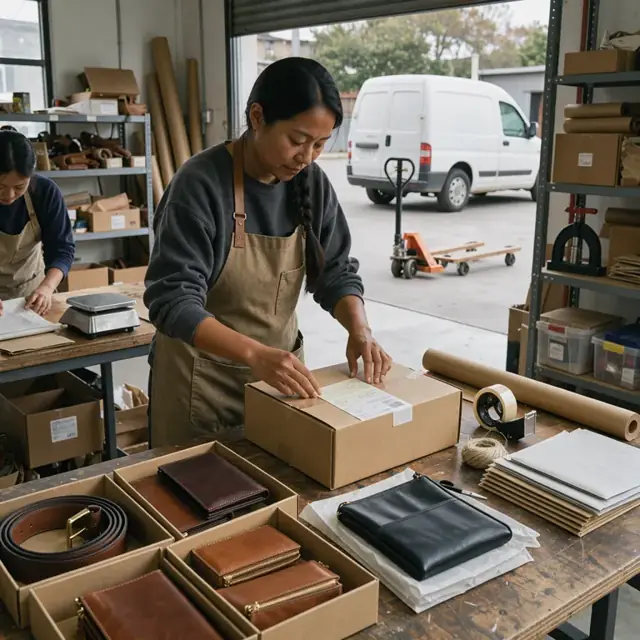
Shipping and Labeling Coordinator
Prepare packing lists, shipping labels and customer notifications once goods are inspected.
Works in: Ambitious Tasks, Ambitious Docs, Ambitious Sheets · Workflows: Shipping and labeling
Automates
- Groups orders by shipping destination and method
- Generates packing lists and labels
- Drafts shipment notification messages
- Records tracking information and special instructions
Stops for a person
- A person packs and verifies contents of each box
- The owner approves any international shipping documents

Customer Follow-up and Reorder Host
Send post-delivery messages, gather feedback and prompt repeat customers for reorders.
Works in: Ambitious Tasks, Email Buckets, Ambitious Docs · Workflows: Customer follow-up and reorders
Automates
- Drafts thank-you messages and review requests
- Reminds customers of standard product reorder cycles
- Maintains preference records for materials and styles
- Drafts seasonal offers and volume discounts
Stops for a person
- The owner reviews and approves every outbound message and offer
- Any adjustments to customer records are confirmed by the owner

Compliance and Safety-Data-Sheet Clerk
Maintain material safety data sheets, track permit and license renewals, and generate required labeling checklists.
Works in: Ambitious Tasks, Ambitious Docs, Ambitious Sheets · Workflows: Permit, license and safety-data-sheet maintenance
Automates
- Generates material-receipt checklists
- Tracks renewal dates for licenses and permits
- Matches incoming materials to their safety data sheets
- Flags changes that require updated warning labels
- Prepares renewal paperwork drafts
Stops for a person
- The maker confirms which local rules and SDS apply
- Inspections, filings and corrective actions are performed by people
- The bot never certifies compliance
Workflows
Order intake and specification
Starts when: A customer submits an order by form, email, message or purchase order
- Capture all dimensions, hardware, leather type, color, stitching, personalization and quantity
- Verify the order against available patterns, tooling and current hide stock
- Confirm lead time based on batch schedule and material lead times
- Draft order confirmation with estimated ship date
- Create a production task with complete cutting and assembly specifications
Watch for: Exact wording of personalization must be captured without assumption; Hardware and thread colors must match across all items in an order
Pattern and cutting schedule
Starts when: After order cutoff for each production batch
- Group orders by product type and leather grade
- Nest patterns or dies on available hide layouts to maximize yield
- Generate cut lists showing quantity, piece names and leather requirements
- Flag any orders needing unique tooling or hand-skiving
- Produce work tickets with piece-by-piece instructions
Watch for: Hide defects and thickness variations must be accounted for during nesting; Minimum cut quantities for efficient use of expensive leather
Material purchasing and inventory
Starts when: After cutting schedule is finalized and monthly
- Explode the cut list into total leather area, hardware packs, thread and finishes by specification
- Subtract current inventory and on-order quantities
- Draft purchase lists by supplier for hides, buckles, rivets and dyes
- Track par levels for consumables and record any hide waste or defects
- Update safety data sheets for new dye or finish batches
Watch for: Hides are purchased in sides or whole units with variable usable area; Certain specialty hardware has long lead times and minimum order quantities
Production scheduling and capacity
Starts when: Weekly and before each batch
- Compare pending orders against bench time, clicker press availability and finishing stations
- Build a weekly schedule showing cutting, assembly, tooling and finishing days
- Use the process optimizer to identify bottlenecks in stitching or drying steps
- Adjust schedule for any rush orders approved by the maker
Watch for: Leather conditioning and glue drying times create fixed calendar constraints; Hand-finishing steps cannot be parallelized beyond the number of available benches
Quality inspection and finishing
Starts when: After each item completes assembly
- Generate inspection checklist for stitch uniformity, edge finish, hardware alignment and personalization accuracy
- Record inspection results and flag any rework needed
- Track finishing steps such as edge paint, conditioning and final polishing
- Attach inspection sign-off before items move to packing
Watch for: Each leather grade has different expectations for surface marks and color consistency; Personalized items require extra verification of stamping or embroidery
Shipping and labeling
Starts when: When production batch is complete
- Group completed orders by destination and shipping method
- Generate packing lists, shipping labels and customs paperwork when required
- Draft customer notification messages with tracking information
- Record shipment details and any special handling instructions
- Update inventory with finished goods and scrap
Watch for: Certain leathers and hardware have specific shipping restrictions; Gift and retail orders require special packaging and branding inserts
Customer follow-up and reorders
Starts when: After delivery and on a regular cadence for repeat customers
- Draft thank-you messages and request for product photos or reviews
- Remind regular customers when standard items are due for reorder
- Maintain records of past custom specifications for quick reordering
- Draft seasonal or volume discount offers for approval
Watch for: Never send messages or offers without owner approval; Track preferred leather grades and hardware for each repeat customer
Permit, license and safety-data-sheet maintenance
Starts when: On receipt of new materials and on regulatory due dates
- Generate material-receipt checklist confirming safety data sheets for dyes, finishes and adhesives
- Track expiration or renewal dates for business licenses, resale permits and any required product labeling certifications
- Maintain current SDS library and match each incoming batch to its sheet
- Flag any material changes that require updated product warning labels
- Prepare renewal paperwork drafts for owner review
Watch for: Rules for chemical storage, labeling and shipping vary by jurisdiction; The maker confirms which permits and SDS apply to current materials
Bot templates for this industry
Source: U.S. Small Business Administration, Office of Size Standards, Table of Small Business Size Standards Matched to North American Industry Classification System Codes, version March 2023 (effective 2023-03-17, NAICS 2022). Size standards are shown for reference only.