

Sawmills
Sawmills receive logs, cut them into lumber according to grade and dimension orders, dry and sort the output, and ship to lumber yards or direct customers. For a mill that buys mixed hardwood and softwood logs and fills weekly dimension and grade orders, the specialists turn supplier delivery notices and customer orders into a cutting schedule, turn the cutting schedule into a drying and finishing plan, and turn finished tallies into shipping documents and reorders. Log scaling, grade rules, kiln schedules and safety calls stay with the sawyer and grader.
What makes this business different
- Log scaling and species identification that must be recorded accurately on arrival
- Weekly cutting schedules driven by current log inventory, customer orders and grade targets
- Saw kerf, blade wear and yield optimization that directly affect mill profitability
- Kiln drying cycles with strict time, temperature and moisture-content schedules
- Lumber grading under NHLA or SPIB rules with tally sheets and grade stamps
- Chain-of-custody, harvest permits, air-quality permits and OSHA safety logs
- Seasonal shifts in log supply and customer demand for green versus dried lumber
- Heavy equipment maintenance tracking and blade sharpening schedules
Specialist bots
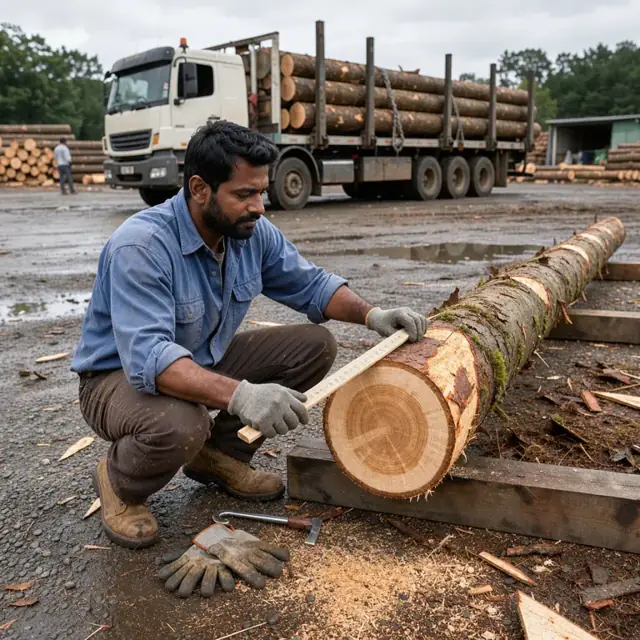
Log Scaler
Turn every arriving log load into an accurately scaled and inventoried mill ticket.
Works in: Ambitious Tasks, Ambitious Sheets, Ambitious Docs · Workflows: Log intake and scaling
Automates
- Reads supplier manifests and scale tickets
- Calculates volumes by species and class
- Updates the yard inventory sheet
- Drafts payment tickets for approval
Stops for a person
- The sawyer confirms species and defect calls
- A person physically measures questionable loads
- The owner approves payments to suppliers

Cutting Schedule Planner
Turn open orders and log inventory into an optimized daily sawing schedule.
Works in: Ambitious Sheets, Process Optimizer, Ambitious Tasks · Workflows: Cutting schedule and yield planning
Automates
- Matches orders to available logs
- Runs yield calculations for different cutting patterns
- Produces the daily saw list with cant sizes
- Updates live recovery tallies
Stops for a person
- The head sawyer adjusts the final cutting pattern
- Grade targets are set by the owner or grader
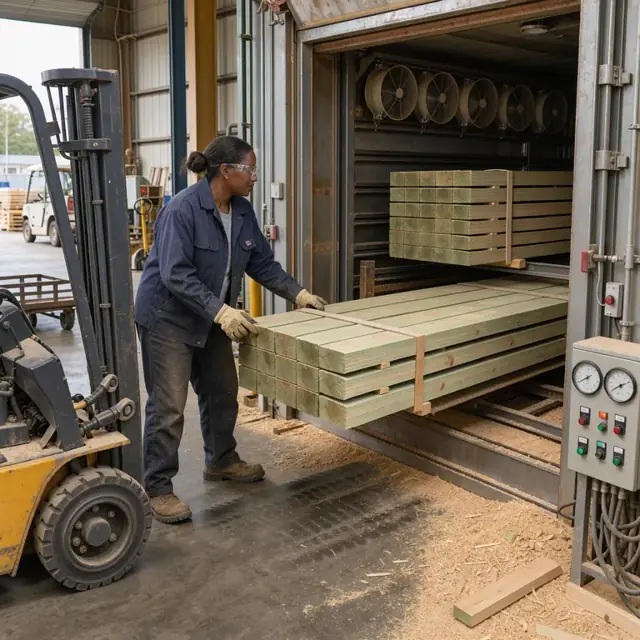
Kiln Drying Scheduler
Assign green lumber to kiln charges and track drying progress to target moisture.
Works in: Ambitious Tasks, Ambitious Sheets, Process Optimizer · Workflows: Kiln drying and inventory movement
Automates
- Groups lumber by thickness and species
- Assigns kiln schedules and load tags
- Tracks temperature and moisture readings
- Moves loads from green to dry status
Stops for a person
- The kiln operator confirms final moisture content
- The owner approves changes to drying schedules
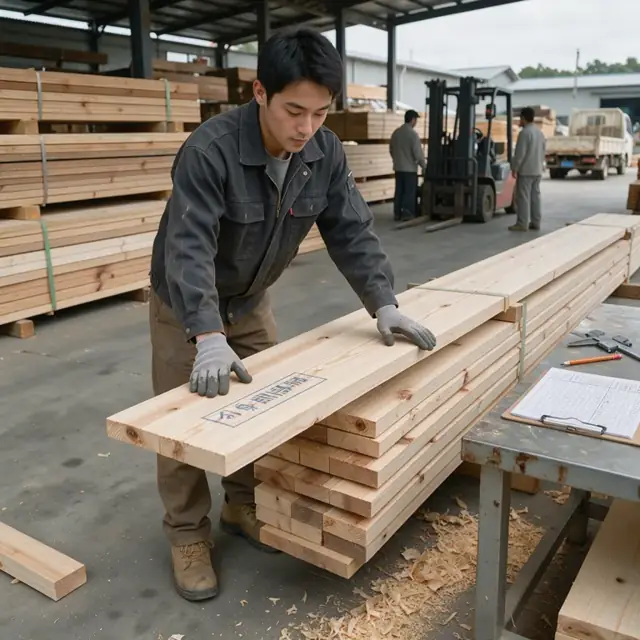
Lumber Grader and Tally Clerk
Grade dried or planed boards, create accurate tallies and prepare bundle tags.
Works in: Ambitious Tasks, Ambitious Sheets, Ambitious Docs · Workflows: Grading, tallying and stamping
Automates
- Applies grade rules to each board dimension
- Builds bundle tallies by grade and length
- Generates stamp and tag data
- Reconciles actual versus planned yield
Stops for a person
- A certified grader makes final grade decisions
- The owner reviews tallies before shipment
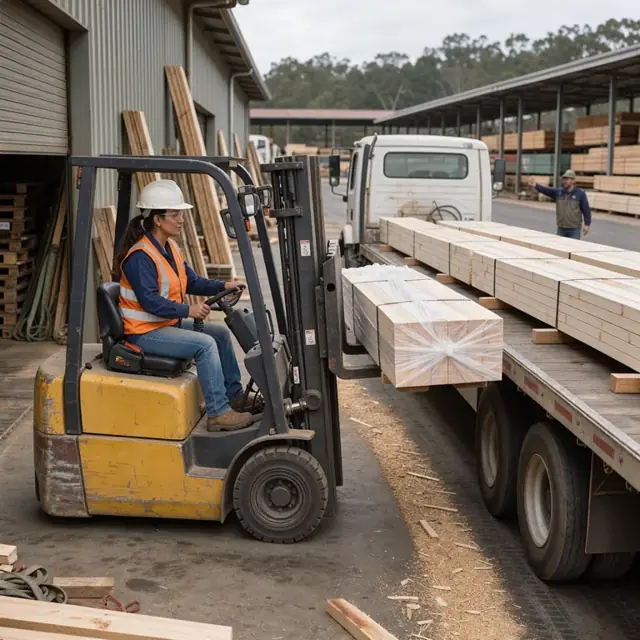
Shipping and Dispatch Coordinator
Pull completed orders, prepare shipping documents and coordinate carrier pickups.
Works in: Ambitious Tasks, Ambitious Docs, Ambitious Sheets · Workflows: Order fulfillment and shipping
Automates
- Selects bundles that fulfill each order
- Prepares bills of lading and load lists
- Drafts carrier dispatch instructions
- Creates shipment confirmation drafts
Stops for a person
- The loader confirms physical bundles match the list
- A person signs and sends all shipping documents
- The owner approves invoices

Maintenance and Blade Care Coordinator
Track equipment hours, schedule blade sharpening and maintenance tasks.
Works in: Ambitious Tasks, Ambitious Sheets · Workflows: Equipment maintenance and blade care
Automates
- Logs run hours from daily reports
- Schedules blade changes and sharpening
- Creates mechanic work orders
- Maintains service history for each machine
Stops for a person
- Mechanics perform and sign off on repairs
- The owner approves parts purchases

Compliance and Safety Clerk
Maintain daily safety checklists, permit calendars and regulatory log entries.
Works in: Ambitious Tasks, Ambitious Docs, Ambitious Sheets · Workflows: Regulatory and safety documentation
Automates
- Generates daily safety and housekeeping checklists
- Tracks permit and license renewal dates
- Logs chain-of-custody information
- Compiles summary reports for review
Stops for a person
- The mill owner confirms which regulations apply
- People perform inspections and corrective actions
- The bot never certifies compliance
Workflows
Log intake and scaling
Starts when: A log truck arrives at the yard or a supplier sends an advance manifest
- Record species, length, diameter and defect notes for each load
- Scale the load and assign a mill ticket number
- Update the log yard inventory by species and grade class
- Draft the scale ticket for supplier payment
- Flag any loads needing immediate processing to avoid degrade
Watch for: Accurate scaling determines payment to the supplier; Species and defect data drive the cutting decision
Cutting schedule and yield planning
Starts when: Weekly or when new orders arrive
- Combine open customer orders by dimension, grade and species
- Match orders against current log deck inventory
- Run yield scenarios to maximize grade recovery
- Produce a daily sawing list with target cant sizes and blade settings
- Update live tallies as boards come off the saw
Watch for: Saw kerf and taper must be accounted for in every run; Grade targets affect how cants are turned and edged
Kiln drying and inventory movement
Starts when: End of each green chain run and on a weekly cadence
- Group green lumber by thickness, species and initial moisture estimate
- Assign kiln charges with target schedules and load tags
- Track kiln temperature, humidity and moisture samples
- Move dried loads to the yard or planer when target moisture is reached
- Update inventory from green to dry status
Watch for: Drying schedules vary by species and season; Over-drying or under-drying creates degrade that must be caught early
Grading, tallying and stamping
Starts when: After drying or planing
- Apply NHLA or SPIB grade rules to each board
- Tally lengths, widths and grades into bundles
- Generate grade stamp and bundle tag data
- Reconcile actual yield against the cutting schedule
- Flag any off-grade material for secondary markets
Watch for: Grade accuracy directly affects selling price; Tally sheets must match physical bundles for shipment
Order fulfillment and shipping
Starts when: When a customer order is ready or on a set ship day
- Pull bundles that satisfy the order specifications
- Prepare bills of lading and load lists
- Draft carrier dispatch and delivery windows
- Record load weights and securement details
- Send shipment confirmation and invoice draft
Watch for: Truck and rail weight limits must be observed; Moisture content at shipment affects acceptance
Equipment maintenance and blade care
Starts when: Daily, weekly and after set hours of run time
- Log saw, edger and planer run hours
- Schedule blade changes and sharpening
- Track bearing, chain and hydraulic service intervals
- Generate work orders for mechanics
- Keep maintenance history tied to each piece of equipment
Watch for: Blade sharpness and alignment affect yield and safety; Downtime must be minimized during peak cutting season
Regulatory and safety documentation
Starts when: Every operating day and on renewal dates
- Generate daily safety and housekeeping checklists
- Log chain-of-custody and harvest permit details
- Track air-quality and wastewater permit parameters
- Remind on renewal dates for licenses and insurance
- Compile monthly summary reports for owner review
Watch for: Rules differ by state and federal jurisdiction; The mill owner confirms which permits and reports apply
Bot templates for this industry
- Sawmills (7 bots)
Source: U.S. Small Business Administration, Office of Size Standards, Table of Small Business Size Standards Matched to North American Industry Classification System Codes, version March 2023 (effective 2023-03-17, NAICS 2022). Size standards are shown for reference only.