

Wood Preservation
Wood preservation facilities pressure-treat lumber, timbers and plywood with preservatives to protect against decay, insects and fire. Incoming green or dried wood is sorted, loaded into treating cylinders, subjected to vacuum-pressure cycles, then dried, stickered and prepared for shipment. Specialists convert customer orders into treatment schedules, track chemical inventories and usage, manage treating cycles, maintain permit records, and schedule post-treatment inspections while the treating operator retains control of chemical mixing and pressure parameters.
What makes this business different
- Incoming wood must be sorted by species, size, moisture content and end-use before treatment
- Pressure-treatment cycles using waterborne or oil-borne preservatives under strict vacuum and pressure parameters
- Chemical inventory tracking with usage logs, spill containment and hazardous-material handling
- Post-treatment drying, stickering, inspection and grade-marking before shipment
- EPA, state and local permits for pesticide use, wastewater, stormwater and air emissions
- Retention testing, penetration sampling and third-party inspection requirements
- Customer-specific treatment specifications for ground-contact, above-ground or fire-retardant uses
- Seasonal demand peaks for treated decking, fencing and utility poles
Specialist bots
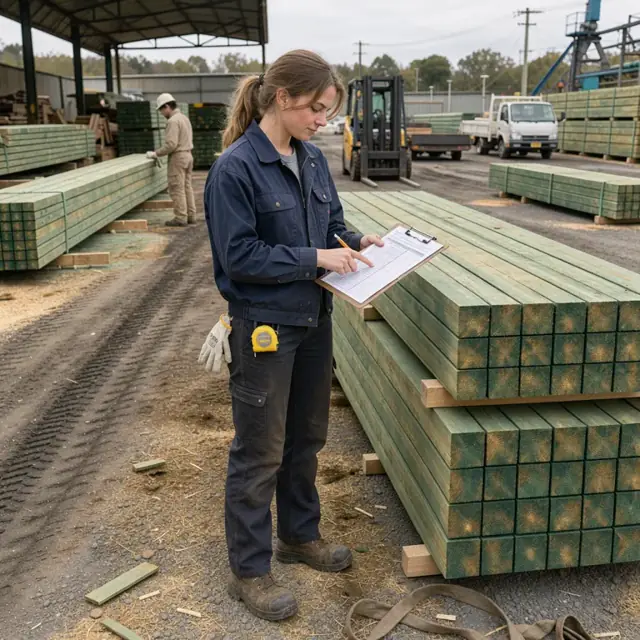
Order Specifier
Convert every customer request into a complete treatment specification and confirmed order.
Works in: Ambitious Tasks, Ambitious Docs, Contract Analyzer · Workflows: Order intake and treatment specification
Automates
- Reads incoming orders and extracts species, sizes, quantities, end-use and retention requirements
- Matches requirements to approved treating schedules and cylinder availability
- Drafts confirmations with pricing, dates and loading instructions
- Creates detailed treatment task for the yard crew
Stops for a person
- The treating operator approves any non-standard retention or process
- A person sends all customer confirmations and handles pricing exceptions
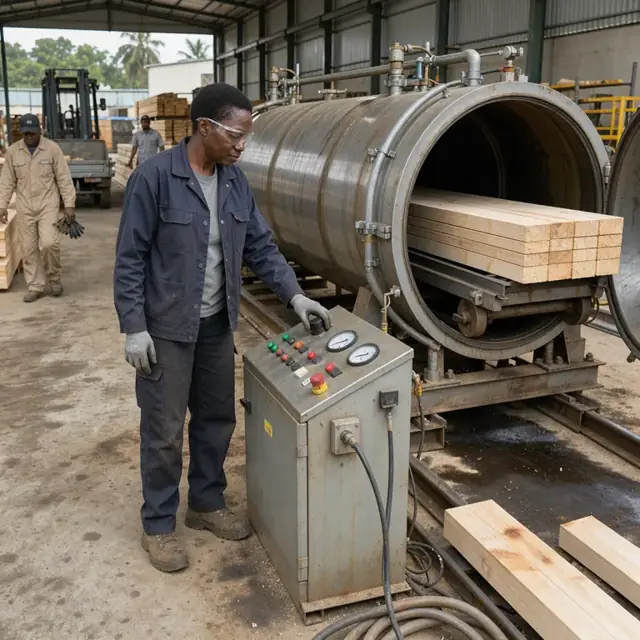
Treatment Cycle Scheduler
Build daily cylinder schedules that respect preservative compatibility and cylinder availability.
Works in: Ambitious Tasks, Ambitious Sheets · Workflows: Treatment cycle scheduling
Automates
- Groups pending orders by preservative type, retention level and wood species
- Assigns charges to available cylinders with expected cycle times
- Calculates completion windows and flags special handling requirements
- Notifies the operator of the next scheduled charge
Stops for a person
- The treating operator reviews and adjusts the schedule each morning
- Any change to chemical or pressure parameters requires operator approval

Chemical Inventory Manager
Track preservative usage, maintain tank levels and prepare chemical replenishment orders.
Works in: Ambitious Sheets, Ambitious Tasks, Ambitious Docs · Workflows: Chemical inventory and usage tracking
Automates
- Records consumption after each cycle from meter readings and gauges
- Updates current inventory, reorder points and par levels
- Drafts purchase orders for bulk chemicals and additives
- Generates usage reports for regulatory filing
Stops for a person
- The facility manager approves all chemical purchases and hazardous waste shipments
- Mixing ratios and tank adjustments are performed only by certified personnel
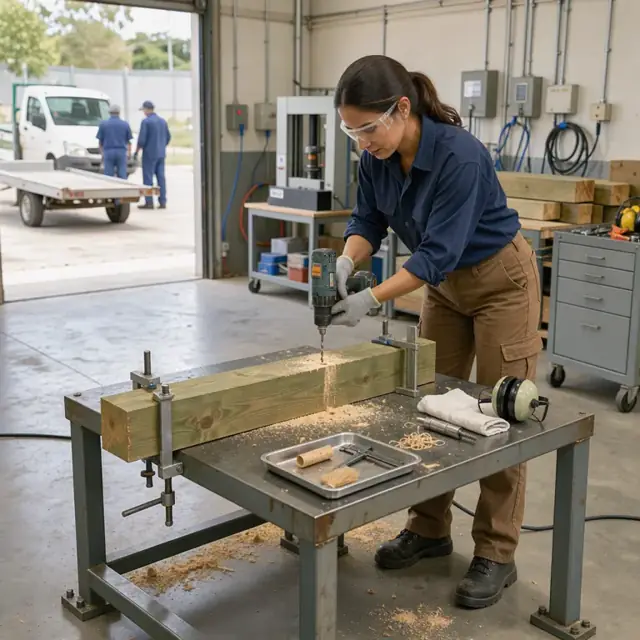
Post-Treatment Inspection Coordinator
Schedule drying, sampling, testing and marking once each charge leaves the cylinder.
Works in: Ambitious Tasks, Ambitious Docs, Ambitious Sheets · Workflows: Post-treatment processing and inspection
Automates
- Creates drying and stickering schedules based on preservative type
- Generates sampling plans and test request forms
- Prepares grade marks, tags and safety data sheets
- Records test results and flags failures for rework
Stops for a person
- The treating operator or third-party inspector performs all physical sampling
- A person reviews and approves all test results before release

Regulatory Compliance Clerk
Maintain daily operating logs, compile permit reports and track all certificate and license renewals.
Works in: Ambitious Tasks, Ambitious Docs, Ambitious Sheets · Workflows: Permit and regulatory paperwork
Automates
- Generates daily treatment, chemical-use and wastewater logs
- Compiles monthly discharge, usage and emissions reports
- Tracks expiration dates for all permits, certifications and insurance
- Keeps safety data sheets and spill prevention plans current
Stops for a person
- The facility manager confirms which local and state rules apply
- All submissions to regulatory agencies are reviewed and filed by a person
- The bot never certifies compliance
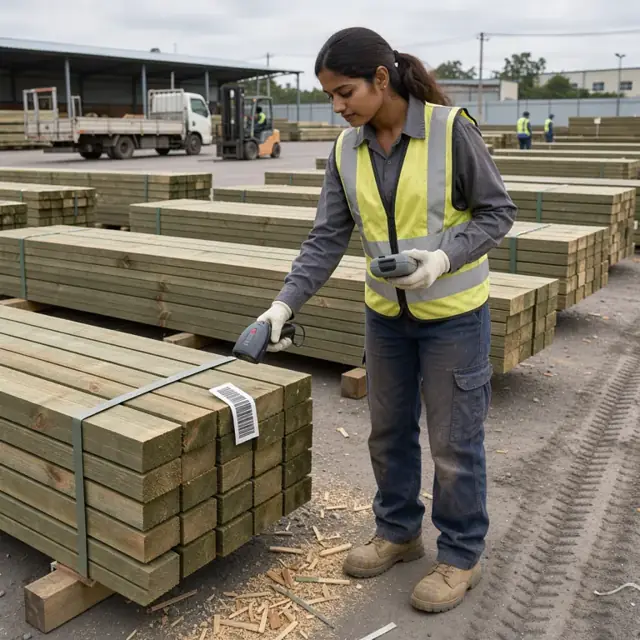
Yard Inventory Tracker
Maintain real-time records of untreated and treated wood locations and available stock.
Works in: Ambitious Sheets, Ambitious Tasks · Workflows: Yard and finished goods inventory
Automates
- Updates incoming and treated stock quantities by species and size
- Assigns yard locations to each charge and tracks stack positions
- Calculates available inventory for sales by end-use category
- Flags material nearing storage limits and drafts reorder quantities
Stops for a person
- The yard foreman confirms physical counts and locations
- A person approves any inventory adjustments
Shipping and Dispatch Coordinator
Prepare shipping documents, schedule carriers and notify customers of dispatch.
Works in: Ambitious Tasks, Ambitious Docs, Email Buckets · Workflows: Shipping and customer dispatch
Automates
- Groups orders for combined loads by customer and destination
- Drafts bills of lading, manifests and chain-of-custody documents
- Schedules loading appointments with carriers
- Prepares customer notifications and handling instructions
Stops for a person
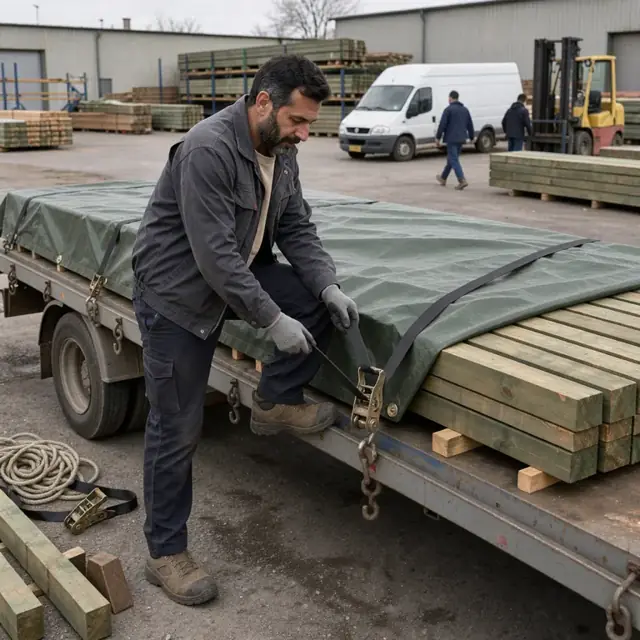
- The driver or yard foreman verifies load security and tarping
- All shipping documents are approved by a person before release
Workflows
Order intake and treatment specification
Starts when: A customer submits a purchase order or request for quote
- Capture species, dimensions, quantity, intended use, required retention level and any special markings
- Check against current treating schedules, cylinder availability and approved preservative lists
- Confirm treatment type (waterborne, oil-borne or fire retardant) and end-use category
- Draft a confirmation with price, delivery date and loading instructions
- Create a treatment task with full specifications for the yard crew
Watch for: End-use category determines required preservative retention; Green versus dry stock changes cycle parameters
Treatment cycle scheduling
Starts when: Daily at start of shift or when a cylinder becomes available
- Review pending orders grouped by required preservative, retention level and wood species
- Build a daily treating schedule showing load order, cylinder assignment and cycle types
- Assign each charge to a specific cylinder and record expected duration and completion time
- Flag any orders needing special pre-incising, incising or post-treatment drying
- Notify the treating operator of the next scheduled charge and required parameters
Watch for: Cylinder size and pressure limits constrain each charge; Different preservatives cannot share the same cylinder without thorough cleaning
Chemical inventory and usage tracking
Starts when: After each treating cycle and weekly
- Record actual chemical consumption from each cycle using meter readings and tank gauges
- Update tank levels, reorder points and par levels for each preservative and additive
- Calculate retention achieved versus target and reconcile against charge records
- Draft replenishment orders for bulk chemicals, additives and hazardous waste disposal
- Log hazardous waste volumes for disposal manifests and spill prevention records
Watch for: Chemicals are hazardous materials requiring spill kits and secondary containment; Usage must be reconciled against permit reporting thresholds
Post-treatment processing and inspection
Starts when: After each charge completes drying
- Schedule stickering, air-drying or kiln time based on preservative type
- Generate inspection and sampling plan for retention and penetration tests
- Draft grade marks, end tags, material safety data sheets and chain-of-custody forms
- Record test results from the treating operator or lab and flag any rework
- Prepare shipping paperwork once all inspections are complete
Watch for: Core samples must be taken from prescribed locations; Third-party inspectors may require witnessed sampling
Permit and regulatory paperwork
Starts when: Every treating day and on renewal dates
- Generate daily operating logs for pressure, vacuum, temperature, chemical use and wastewater
- Compile monthly chemical usage, wastewater discharge and air emissions reports
- Track expiration dates for applicator certificates, facility permits, stormwater plans and insurance
- Maintain current safety data sheets and spill prevention plans
- Prepare renewal applications and draft submissions for owner review
Watch for: Different states maintain distinct reporting formats and limits; The treating operator confirms all parameter entries
Yard and finished goods inventory
Starts when: Daily and after each shipment
- Update incoming green and dry wood inventory by species, size and moisture content
- Track location of treated stock in the yard by charge number and stack position
- Calculate current treated inventory available for sale by end-use category
- Draft reorder quantities for untreated stock based on forecast orders and par levels
- Flag material that has reached maximum storage time or shows signs of checking
Watch for: Treated wood must be separated from untreated and properly labeled; Moisture content changes during storage affect final weight
Shipping and customer dispatch
Starts when: When an order is ready for shipment
- Group orders by customer, destination and required delivery window
- Draft bills of lading, shipping manifests and any required chain-of-custody documents
- Schedule truck, rail or barge loading times with the carrier
- Draft delivery notifications and required handling instructions for the customer
- Record proof of delivery, any damage claims and update inventory
Watch for: Treated wood requires specific loading, blocking and tarping instructions; Some customers require chain-of-custody documentation
Bot templates for this industry
- Wood Preservation (7 bots)
Source: U.S. Small Business Administration, Office of Size Standards, Table of Small Business Size Standards Matched to North American Industry Classification System Codes, version March 2023 (effective 2023-03-17, NAICS 2022). Size standards are shown for reference only.