

Hardwood Veneer and Plywood Manufacturing
Hardwood veneer and plywood manufacturers receive logs or flitches, peel or slice thin face veneers, lay up alternating grain layers with core material, press into panels under heat and pressure, then trim, sand and grade the finished plywood for furniture, cabinetry and architectural use. The specialists turn incoming log and veneer supply into a production schedule, schedule the peelers and dryers, track veneer and glue inventory, manage press cycles and drying times, route panels through sanding and grading, and prepare shipments while keeping species, thickness and grade records for each run.
What makes this business different
- Logs and flitches must be tracked by species, diameter, length and moisture content upon arrival
- Veneer peeling and slicing schedules are driven by daily dryer capacity and press availability
- Core stock, glue types and face veneers must be matched to each panel grade and thickness specification
- Hot-press cycles, cooling times and moisture levels are critical to avoid delamination or checking
- Finished panels require grading for face veneer quality, sanding quality and dimensional tolerance
- Species-specific handling for oak, maple, cherry, walnut and exotics with separate inventory and dust collection
- Customer orders often specify custom layups, thicknesses, sizes and millwork or furniture maker requirements
- Waste tracking for veneer offcuts, core scraps and sanding dust for reuse or resale
Specialist bots

Order Taker
Turn every customer request into a confirmed production specification and schedule slot.
Works in: Ambitious Tasks, Ambitious Docs, Email Buckets · Workflows: Order intake and specification
Automates
- Reads incoming order messages and extracts species, sizes, grades and glues
- Checks current log and veneer availability
- Confirms lead time against press and dryer capacity
- Drafts the order acknowledgment
- Creates the production task with full layup details
Stops for a person
- The production manager approves any non-standard layups or substitutions
- A person sends the final confirmation and handles pricing questions

Log and Veneer Scheduler
Assign incoming logs and flitches to peeling and drying runs to meet the weekly production plan.
Works in: Ambitious Sheets, Ambitious Tasks · Workflows: Log and flitch scheduling
Automates
- Tracks log inventory by species and scale
- Assigns logs to upcoming veneer production days
- Schedules peeler, slicer and dryer time
- Flags conditioning requirements
- Updates the master schedule
Stops for a person
- The log buyer approves purchases and species substitutions
- The head operator reviews the daily peeling schedule
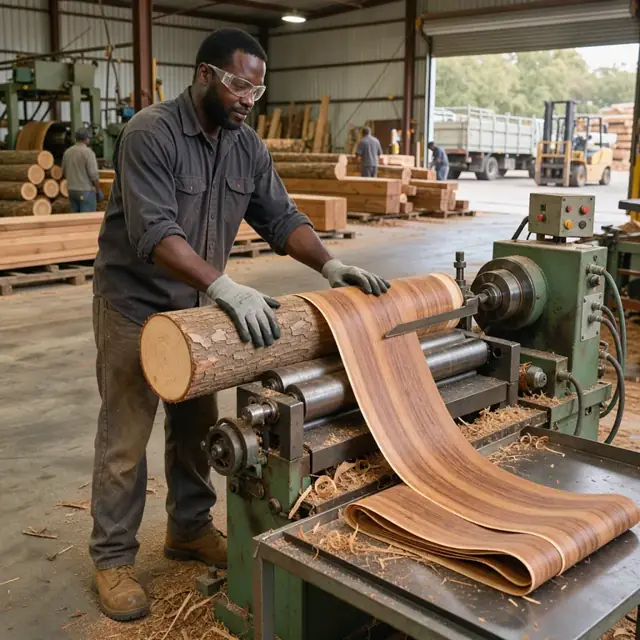
Veneer Production Manager
Convert production requirements into peeled, dried and graded veneer inventory ready for layup.
Works in: Ambitious Sheets, Ambitious Tasks, Process Optimizer · Workflows: Veneer peeling, drying and inventory
Automates
- Calculates daily veneer needs by species and thickness
- Schedules lathe and dryer runs
- Tracks dried veneer into graded inventory
- Logs yield and defects per log
- Separates face, core and crossband stock
Stops for a person
- The dryer operator confirms moisture content readings
- The veneer grader reviews quality before moving sheets to storage

Press and Layup Planner
Generate layup sheets and schedule hot-press cycles for each panel batch.
Works in: Ambitious Tasks, Ambitious Docs · Workflows: Panel layup and pressing
Automates
- Creates exact layup instructions for each thickness and grade
- Allocates veneer and glue to the job
- Calculates and schedules press time, temperature and pressure
- Tracks cooling and curing
- Records batch conditions
Stops for a person
- The press operator verifies temperature and pressure settings before starting a cycle
- The quality lead inspects first panels from each new layup
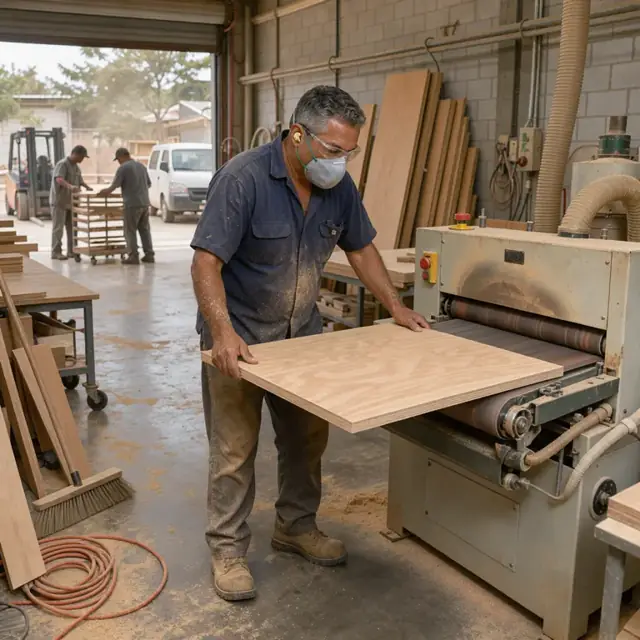
Finishing and Grading Coordinator
Route panels through trimming, sanding and grading stations and assign final quality marks.
Works in: Ambitious Tasks, Ambitious Sheets, Process Optimizer · Workflows: Trimming, sanding and grading
Automates
- Sequences panels through saws and sanders
- Applies grading rules by species and customer spec
- Tracks dimensional tolerance and sanding quality
- Generates grade stamps and labels
- Moves accepted panels into finished inventory
Stops for a person
- A person performs final visual grading on face veneers
- The quality manager reviews disputed panels

Inventory and Purchasing Clerk
Maintain accurate stock of logs, veneers, glues and supplies and draft replenishment orders.
Works in: Ambitious Sheets, Ambitious Tasks, Ambitious Docs · Workflows: Inventory and purchasing
Automates
- Updates consumption after each run
- Compares stock to par levels by species
- Drafts purchase lists for logs, veneer and resin
- Tracks offcuts and sanding dust
- Forecasts upcoming material needs
Stops for a person
- The owner approves and places all purchases
- The log buyer confirms species and quality before ordering

Shipping and Dispatch Coordinator
Match finished panels to orders, prepare loads and manage carrier handoff.
Works in: Ambitious Tasks, Ambitious Docs, Ambitious Sheets · Workflows: Order fulfillment and shipping
Automates
- Allocates graded panels to specific orders
- Builds pallet and truck load plans
- Drafts bills of lading and labels
- Schedules pickups
- Records shipment details
Stops for a person
- A person verifies load security and wrapping before trucks leave
- The owner approves freight charges and special crating
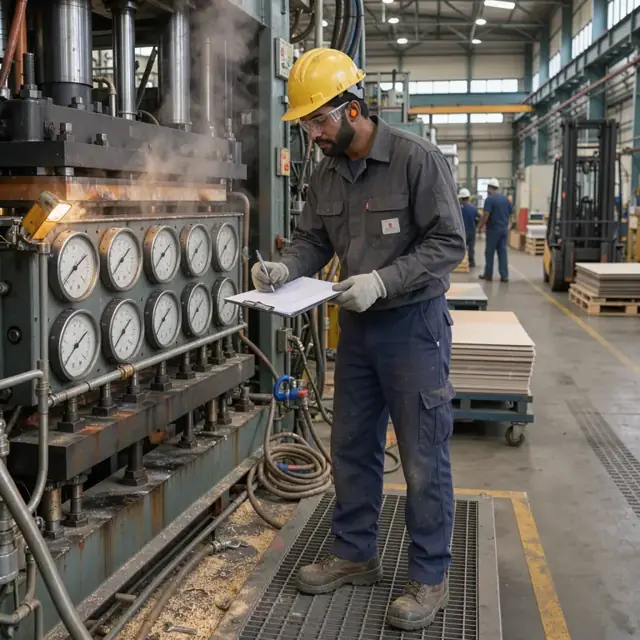
Safety and Compliance Clerk
Run daily safety checklists, equipment logs and track permit and certification dates.
Works in: Ambitious Tasks, Ambitious Docs, Ambitious Sheets · Workflows: Safety, equipment and permit compliance
Automates
- Generates daily operator safety and inspection checklists
- Logs equipment calibration and maintenance entries
- Tracks renewal dates for permits, insurance and operator cards
- Maintains dust, emissions and waste disposal records
Stops for a person
- The mill manager confirms which local rules apply
- Inspections, maintenance and corrective actions are handled by people
- The bot never certifies compliance
Workflows
Order intake and specification
Starts when: A customer order arrives by email, portal or sales call
- Capture species, panel size, thickness, veneer grade, core type, glue specification and quantity
- Check against current log and veneer inventory by species and grade
- Confirm lead time against dryer, press and sanding capacity
- Draft order acknowledgment with delivery window
- Create a production task with full layup specification
Watch for: Custom face veneers and backers must be noted exactly as ordered; Architectural or marine grades require additional verification steps
Log and flitch scheduling
Starts when: Weekly or when new logs arrive
- Inventory incoming logs by species, scale and moisture readings
- Assign logs to upcoming veneer runs based on order demand
- Schedule peeler or slicer time and prepare flitches
- Flag any logs needing steaming or conditioning
- Update the master production schedule
Watch for: Log diameter and straightness limit usable veneer yield; Seasonal moisture variation affects conditioning time
Veneer peeling, drying and inventory
Starts when: Daily at start of shift
- Pull the day's veneer requirement by species and thickness
- Schedule the lathe or slicer run and dryer queue
- Track dried veneer sheets into inventory by grade and moisture content
- Separate face, back and crossband veneers
- Log yield and defects for each log
Watch for: Drying temperature and speed must be species-specific; Veneer must be kept flat and at target moisture to prevent checking
Panel layup and pressing
Starts when: When veneer and core stock are ready for a run
- Generate the layup sheet for each panel thickness and grade
- Allocate face, core and glue to the layup station
- Schedule hot-press cycles with exact time, temperature and pressure
- Move pressed panels to cooling racks and track cure time
- Record press log with batch number and conditions
Watch for: Press platen temperature and cycle time are critical to bond quality; Alternating grain direction must be strictly followed
Trimming, sanding and grading
Starts when: After panels have cooled
- Route panels through trim saws to final dimension
- Schedule sanding sequence by grit and panel grade
- Grade each panel face for veneer quality, color and defects
- Apply grade stamp and edge seal where required
- Move graded panels into finished goods inventory
Watch for: Sanding must achieve specified thickness tolerance; Visual grading standards vary by customer and species
Inventory and purchasing
Starts when: Daily and after each production run
- Update veneer, core, glue and packaging stock levels
- Calculate consumption versus par levels by species
- Draft purchase orders for logs, face veneer or resins
- Track offcut and dust inventory for resale
- Forecast next week's log and veneer needs
Watch for: Glue and resin have limited shelf life; Exotic species may have long lead times
Order fulfillment and shipping
Starts when: When panels are graded and ready
- Match finished panels to open orders by specification
- Build pallet or truck load lists with protective wrapping instructions
- Draft bills of lading and shipping labels
- Schedule carrier pickup or truck loading
- Record shipment and notify customer
Watch for: Panels must be protected from moisture in transit; Large architectural sheets require special crating
Safety, equipment and permit compliance
Starts when: Daily before shift, after maintenance and on renewal dates
- Generate daily operator safety checklist for lathes, presses, sanders and dust collection
- Log required equipment inspections, blade changes and press calibration
- Track permit, license, insurance and operator certification renewal dates
- Record dust, emissions and waste disposal logs
- Flag any out-of-calibration equipment before production begins
Watch for: Rules differ by state and locality for air quality, dust and noise; The mill manager confirms which permits and operator qualifications apply
Bot templates for this industry
Source: U.S. Small Business Administration, Office of Size Standards, Table of Small Business Size Standards Matched to North American Industry Classification System Codes, version March 2023 (effective 2023-03-17, NAICS 2022). Size standards are shown for reference only.