

Softwood Veneer and Plywood Manufacturing
Softwood veneer and plywood mills take log and flitch orders, peel veneer, lay up panels, press, trim and ship to distributors or manufacturers. For a mill that receives custom panel orders (specific thicknesses, grades and glue types) on a weekly production cadence, the specialists turn incoming orders into confirmed specs, orders into a peeling and layup schedule with veneer inventory, and the schedule into press times, drying plans, cutting lists and shipment loads. Log grading, species mix, glue formulas and product certifications stay with the production manager.
What makes this business different
- Custom panel orders with many options (thickness, grade, core type, face veneer species, glue type and panel size) that must reach the mill exactly as ordered
- Log and flitch inventory with species, diameter, length and defect tracking
- Peeling, drying and pressing schedules limited by dryer capacity, press size and hot-press cycles
- Moisture content, glue spread and bond quality that require testing and logs
- Trimming, sanding and grading of finished panels with yield tracking and waste minimization
- Shipment loads by truck or rail with loading sequences and weight distribution
- Regulatory paperwork for formaldehyde emissions, chain-of-custody and phytosanitary requirements that the production manager confirms
Specialist bots
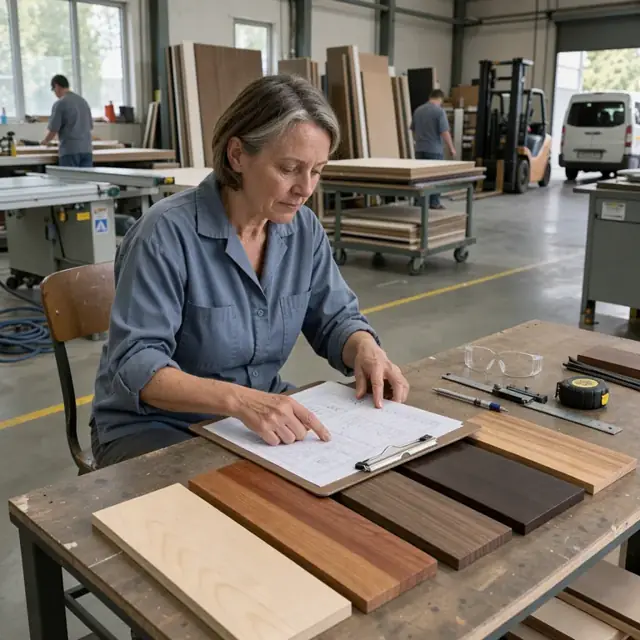
Order Taker
Turn every custom panel order into a confirmed, production-ready specification.
Works in: Ambitious Tasks, Ambitious Docs, Email Buckets · Workflows: Order intake and specification
Automates
- Reads incoming order messages and forms
- Captures thickness, grade, species, glue type and size
- Checks against current log and veneer inventory
- Drafts the order confirmation
- Creates the production task
Stops for a person
- The production manager approves non-standard species or glue requests
- Pricing exceptions require owner approval
- A person sends final confirmations
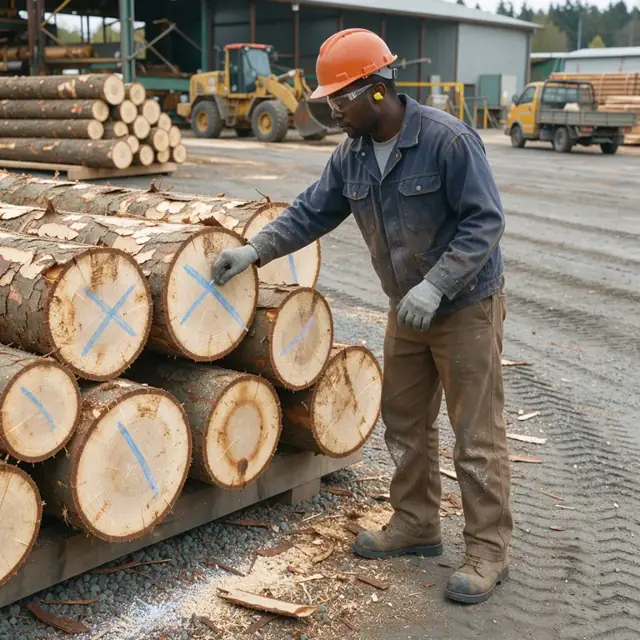
Log and Veneer Scheduler
Match customer orders to available logs and create weekly peeling and layup schedules.
Works in: Ambitious Sheets, Process Optimizer, Ambitious Tasks · Workflows: Log and flitch scheduling, Panel layup and pressing
Automates
- Reviews orders and forecasts veneer needs by species
- Assigns logs to peeling runs
- Builds daily lathe and press schedules
- Flags inventory shortages
Stops for a person
- The production manager adjusts the schedule for log quality
- Final weekly schedule is approved before release

Veneer Production Technician
Convert peeling and drying parameters into daily targets and track output quality.
Works in: Ambitious Tasks, Ambitious Sheets, Process Optimizer · Workflows: Veneer peeling and drying
Automates
- Calculates peeling thickness and clip settings
- Sets dryer temperature and speed profiles
- Tracks moisture content and dryer throughput
- Sorts veneer grades by quality
Stops for a person
- Lathe operator confirms block suitability before peeling
- Quality samples are checked by a person
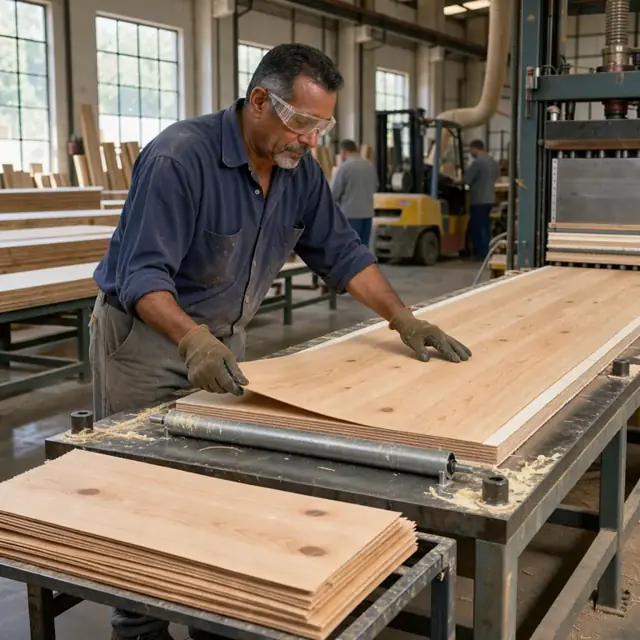
Panel Layup and Press Planner
Turn panel orders into layup sequences, glue requirements and hot-press schedules.
Works in: Ambitious Tasks, Ambitious Docs, Process Optimizer · Workflows: Panel layup and pressing
Automates
- Explodes orders into veneer and core bills
- Creates press load sequences by glue type
- Calculates cycle times and temperatures
- Schedules cooling and trimming
Stops for a person
- Production manager reviews glue spread and press settings
- Press operator makes final adjustments on the floor

Finishing and Shipping Dispatcher
Schedule trimming, grading and shipment loads and prepare all shipping documents.
Works in: Ambitious Tasks, Ambitious Docs · Workflows: Finishing, grading and shipping
Automates
- Assigns panels to trimming and sanding runs
- Builds truck or rail loads by destination
- Creates weight tickets and loading sequences
- Drafts shipping notifications
Stops for a person
- The production manager approves grade stamps and certifications
- Load securement and paperwork are verified by a person before departure
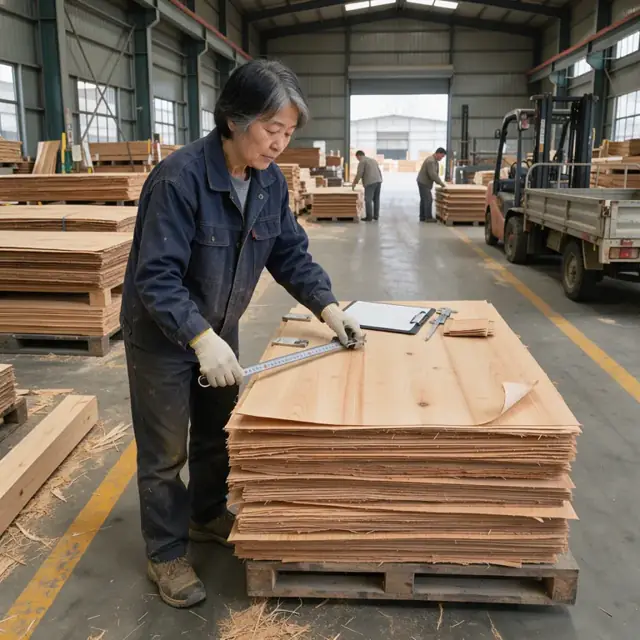
Inventory and Procurement Manager
Track log, veneer, resin and finished panel inventory and prepare reorder lists.
Works in: Ambitious Sheets, Ambitious Tasks, Ambitious Docs · Workflows: Inventory and procurement
Automates
- Updates stock after each run
- Calculates reorder points by species and grade
- Drafts purchase lists for logs and chemicals
- Tracks yield and waste
Stops for a person
- The owner places all purchases and spends money
- Log quality assessments are performed by people

Compliance and Quality Clerk
Maintain quality checklists, test records and regulatory paperwork for each run.
Works in: Ambitious Tasks, Ambitious Docs, Ambitious Sheets · Workflows: Regulatory and quality documentation
Automates
- Generates daily quality and emissions checklists
- Logs test results from samples
- Tracks certificate and permit renewal dates
- Prepares shipment-specific compliance documents
Stops for a person
- The production manager confirms which requirements apply
- All test results and filings are reviewed and signed by a person
- The bot never certifies compliance
Workflows
Order intake and specification
Starts when: A customer order arrives by form, email or portal
- Capture panel thickness, grade, face and back veneer species, core type, glue type, size and quantity
- Check the order against current log and veneer inventory and mill capability
- Confirm delivery or pickup date against the production schedule
- Record pricing and payment terms and draft confirmation
- Create a production-ready order spec task
Watch for: Veneer species and grade must be captured exactly; Orders that exceed dryer or press capacity roll to next run unless production manager approves
Log and flitch scheduling
Starts when: Weekly production planning meeting
- Review confirmed orders and forecast demand by species and grade
- Match available logs and flitches to required veneer types
- Build peeling schedule by block diameter, length and defect level
- Flag any species or grade shortages for procurement
- Create daily peeling targets for the lathe operator
Watch for: Log inventory turns over quickly to maintain freshness; Certain species require specific soaking or steaming before peeling
Veneer peeling and drying
Starts when: Daily at start of shift
- Pull assigned blocks to the lathe according to schedule
- Calculate and set peeling thickness, clip width and stacking pattern
- Route green veneer to the dryer with target moisture targets
- Track dryer throughput and energy use
- Sort and grade dried veneer by quality and species
Watch for: Veneer must be dried to precise moisture content before layup; Clipper and dryer settings directly affect yield
Panel layup and pressing
Starts when: After sufficient dried veneer is graded
- Explode orders into veneer and core requirements per panel type
- Create layup sequence by glue type and press load
- Schedule hot-press cycles with temperature, pressure and time
- Record glue spread rates and assembly times
- Move pressed panels to cooling and trimming
Watch for: Press capacity and cycle times limit daily output; Different glue types cannot share the same press load
Finishing, grading and shipping
Starts when: After panels exit the press
- Schedule trimming, sanding and grading stations
- Assign grade stamps and edge seals per order
- Build shipment loads by destination and transport type
- Create loading sequence and weight tickets
- Draft shipping notifications and paperwork
Watch for: Panel stacking and load securement must meet transport regulations; Waste and off-grade material tracked for reuse or sale
Inventory and procurement
Starts when: Weekly and after each production run
- Update veneer, core and glue stock from production usage
- Calculate reorder points for logs, flitches and resins
- Draft purchase lists by supplier for logs and chemicals
- Track yield from logs to finished panels
- Log waste, downgrade and scrap for cost analysis
Watch for: Logs must be purchased by species and quality grade; Glue and resin have shelf-life constraints
Regulatory and quality documentation
Starts when: Each production run and on renewal dates
- Generate daily quality checklists for moisture, bond and emissions testing
- Record test results from production samples
- Track chain-of-custody, formaldehyde and phytosanitary certificate renewal dates
- Maintain veneer grade and panel stamp records
- Prepare shipment-specific compliance documents
Watch for: Rules vary by destination market and species; The production manager confirms which requirements apply to each order
Bot templates for this industry
Source: U.S. Small Business Administration, Office of Size Standards, Table of Small Business Size Standards Matched to North American Industry Classification System Codes, version March 2023 (effective 2023-03-17, NAICS 2022). Size standards are shown for reference only.