

Cut Stock, Resawing Lumber, and Planing
Cut stock, resawing lumber and planing operations receive raw logs, cants or lumber, break them down into boards, resaw to thickness, plane to dimension and cut to specific lengths or patterns for further manufacturing. For a mill that receives green or dried lumber, processes custom orders for kiln-dried S4S boards, finger-joint blanks or dimensioned cut stock, the specialists turn customer specs into optimized cutting bills, schedule resaw and planer runs, maintain blade and knife inventories, track moisture content and grade yields, prepare bundles for shipment and generate required safety and maintenance records while the sawyers, graders and operators handle the physical cuts, setups, quality calls and final approvals.
What makes this business different
- Raw material variability in logs, cants and lumber that requires grade, moisture and defect assessment before processing
- Custom cutting bills with exact thicknesses, widths, lengths, tolerances and grade requirements for each order
- High-volume resawing and planing runs that must be sequenced to minimize setup changes, blade wear and species cross-contamination
- Inventory of green, dried and processed stock with yield tracking by species, grade and moisture content
- Blade, knife and abrasive maintenance schedules with sharpening, replacement and alignment cycles
- Moisture content testing, grading rules, bundle tagging and labeling that meet downstream manufacturer or buyer requirements
- Seasonal fluctuations in log and lumber supply plus coordination of truck or rail shipments
- Dust collection, noise, machine guarding and safety records that the mill owner confirms and reviews before any filing
Specialist bots

Order Engineer
Convert customer dimension, grade and tolerance requests into optimized cutting bills and production specifications.
Works in: Ambitious Docs, Ambitious Sheets, Process Optimizer · Workflows: Order intake and cutting bill creation
Automates
- Reads incoming order requests from email, forms or messages
- Builds cutting bills that maximize yield from current inventory
- Checks tolerances, required processing steps and moisture targets
- Drafts pricing and confirmation documents
- Creates detailed production tasks with quality checkpoints
Stops for a person
- The owner approves any species, grade or moisture substitutions
- A person reviews and sends all customer confirmations and pricing
- Complex tolerances are verified by the head sawyer before production
Mill Production Scheduler
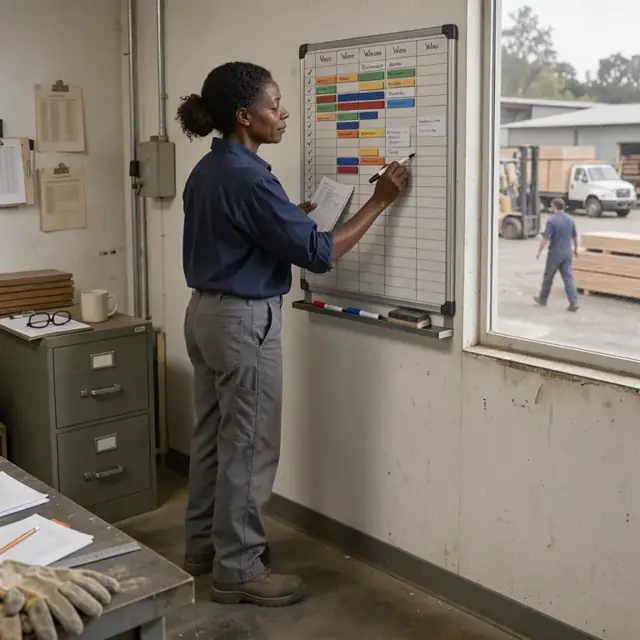
Sequence resawing, planing and cutting jobs to minimize changeovers while meeting delivery dates.
Works in: Ambitious Sheets, Ambitious Tasks · Workflows: Production scheduling and sequencing
Automates
- Combines similar cutting bills to reduce setups
- Sequences jobs by species and thickness
- Assigns work to specific machines and shifts
- Forecasts daily and weekly output
- Flags special handling or kiln requirements
Stops for a person
- The head sawyer adjusts the schedule for machine condition or log availability
- The owner sets overall production priorities and approves large changes

Lumber Inventory Specialist
Track incoming raw material, process yields and finished cut stock across the yard and sheds.
Works in: Ambitious Sheets, Ambitious Tasks, Ambitious Docs · Workflows: Raw material and finished goods inventory
Automates
- Records receipts and subtracts processed volumes
- Calculates yield loss by operation and species
- Maintains par levels for common sizes and supplies
- Suggests reorder quantities for raw logs and lumber
- Tracks moisture and grade data by lot
Stops for a person
- The yard foreman confirms physical counts and grade calls
- The owner approves purchases of new raw material

Tool Room and Maintenance Coordinator
Monitor blade, knife and abrasive usage and schedule sharpening, replacements and machine downtime.
Works in: Ambitious Sheets, Ambitious Tasks, Process Optimizer · Workflows: Blade, knife and equipment maintenance
Automates
- Logs runtime hours on each tool
- Creates sharpening tasks at appropriate intervals
- Maintains spare parts inventory
- Schedules machine downtime for maintenance
- Analyzes wear patterns across species
Stops for a person
- The saw filer decides exact sharpening specifications
- The owner approves purchase of new blades and knives
- A person performs and signs off on all lockout, alignment and maintenance work

Quality and Grading Clerk
Record moisture readings, apply grades and prepare bundle tags and packing lists.
Works in: Ambitious Docs, Ambitious Sheets, Ambitious Tasks · Workflows: Grading, moisture testing and bundling
Automates
- Logs moisture meter data by batch
- Separates material by grade according to rules
- Generates bundle tags with all required information
- Creates customer-specific packing lists
- Flags out-of-tolerance material for review
Stops for a person
- The grader makes final grade decisions on each piece
- The owner confirms which grading rules apply to each customer
- A person attaches physical tags and inspects finished bundles
Shipping and Dispatch Coordinator
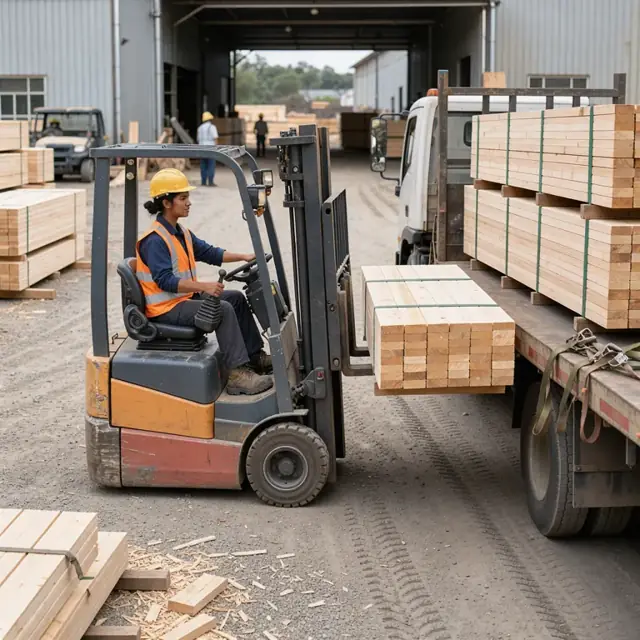
Prepare shipping documents, schedule pickups and track outbound loads of finished cut stock.
Works in: Ambitious Docs, Ambitious Tasks, Ambitious Sheets · Workflows: Shipping preparation and dispatch
Automates
- Groups orders by destination
- Drafts bills of lading and packing slips
- Schedules carrier pickup windows
- Creates delivery routes when using company trucks
- Updates inventory after shipment
Stops for a person
- The owner approves all shipping costs and carriers
- The driver or loader confirms actual weights and securement before departure
- A person signs all legal shipping documents

Compliance and Safety Records Clerk
Maintain daily safety checklists, maintenance logs and renewal tracking for permits and inspections.
Works in: Ambitious Tasks, Ambitious Docs, Ambitious Sheets · Workflows: Safety, maintenance and compliance records
Automates
- Generates daily dust collection and safety checklists
- Tracks equipment maintenance and blade hours
- Monitors renewal dates for permits and insurance
- Compiles yield, moisture and grade summary reports
- Organizes records for owner review
Stops for a person
- The owner confirms which local, state and federal requirements apply
- A person performs and documents all physical inspections and corrective actions
- The bot never certifies compliance
Workflows
Order intake and cutting bill creation
Starts when: A customer submits a request for dimensioned stock or resawn material
- Capture species, grade, target thickness, width, length, quantity, tolerances and any special finish requirements
- Check against current log, cant, dried lumber and processed inventory
- Generate an optimized cutting bill that maximizes yield from available stock
- Draft pricing based on volume, processing steps, grade and finish level
- Create a production task with full specifications, due date and quality checkpoints
Watch for: Exact tolerances must be captured as stated and never rounded; Species, grade or moisture substitutions require owner approval before any confirmation
Production scheduling and sequencing
Starts when: Daily after new orders are confirmed and weekly on Monday mornings
- Combine like cutting bills to minimize changeovers on the resaw, planer and cutoff saw
- Sequence jobs by species then by decreasing thickness to reduce setup time and blade changes
- Assign jobs to specific machines and shifts based on blade, knife and operator availability
- Forecast daily and weekly rough and finished board feet output
- Flag any orders that require special handling, kiln time or extra grading
Watch for: Machine setup times vary significantly between species and cut sizes; Green and dry material must be scheduled separately to avoid moisture cross-contamination
Raw material and finished goods inventory
Starts when: After each production run, incoming receipt and on a weekly cadence
- Record incoming log, cant and lumber receipts by species, grade, volume and moisture content
- Subtract processed volumes and add finished cut stock to inventory by dimension and grade
- Track yield loss from edging, trimming, resawing and planing by operation and species
- Maintain par levels for commonly ordered dimensions and packaging supplies
- Generate reorder suggestions for raw material when below par levels
Watch for: Moisture content must be recorded for each incoming and outgoing lot; Grade and defect tallies affect usable yield and must be logged for each batch
Blade, knife and equipment maintenance
Starts when: After each shift or run and on scheduled intervals
- Log runtime hours on each saw blade, planer knife set and abrasive belt
- Create sharpening or replacement tasks when hours approach limits
- Track inventory of spare blades, knives, grinding supplies and alignment tools
- Schedule downtime for machine cleaning, alignment checks and dust system maintenance
- Record any unusual wear or damage for pattern analysis by species
Watch for: Different species dull blades and knives at different rates; Precision alignment directly affects finished product quality and must be verified
Grading, moisture testing and bundling
Starts when: After each planing, resawing or cutoff run
- Record moisture meter readings for each batch and location within the load
- Apply grading rules to finished pieces and separate by grade and defect category
- Generate bundle tags with species, size, grade, moisture content and lot number
- Create packing lists for each customer order
- Flag any material that fails to meet specified tolerances for review
Watch for: Grading follows species-specific rules that the owner confirms; Moisture targets vary by end use and must be strictly observed
Shipping preparation and dispatch
Starts when: When orders are bundled and ready for pickup or delivery
- Group completed orders by customer and destination
- Draft bills of lading, packing slips and any required grade or moisture certificates
- Schedule truck or rail pickup windows and confirm weight limits
- Create delivery route if using company trucks
- Record shipment details, update inventory and draft customer notification
Watch for: Weight and dimension limits for each load must be respected; Weather-sensitive green material may require tarping or special handling
Safety, maintenance and compliance records
Starts when: Daily, weekly and on renewal or inspection dates
- Generate daily dust collection, machine guarding and safety checklists
- Log blade guard, emergency stop, lockout-tagout and noise monitoring checks
- Track permit, insurance, equipment inspection and operator certification renewal dates
- Maintain sharpening, runtime and alignment logs for each machine
- Compile yield, moisture and grade reports for customer or auditor review
Watch for: Local, state and federal rules differ by mill location and the owner confirms which apply; All records must be kept in a form the owner can review before any filing or submission
Bot templates for this industry
Source: U.S. Small Business Administration, Office of Size Standards, Table of Small Business Size Standards Matched to North American Industry Classification System Codes, version March 2023 (effective 2023-03-17, NAICS 2022). Size standards are shown for reference only.