

Other Millwork (including Flooring)
Other millwork shops produce custom hardwood flooring, stair parts, moldings, doors, windows, cabinets and architectural woodwork. For a shop that receives lumber, cuts to spec, machines profiles, assembles and finishes, the specialists turn customer drawings or measurements into cut lists and CNC programs, track material yield and moisture content, schedule jobs across saws, routers, sanders and spray booths, and manage delivery of finished millwork while keeping dust collection, blade maintenance and finish-room VOC logs current.
What makes this business different
- Custom dimensions, profiles, wood species, grades and finishes that must match customer samples or drawings exactly
- Material yield tracking: every board foot is measured upon receipt and after cutting to minimize waste
- Moisture content testing and acclimation requirements before machining and finishing
- Multi-stage production: rough milling, CNC machining, sanding, assembly, finishing and final inspection
- Dust collection, blade and bit sharpening schedules, spray booth filter changes and VOC records
- Stair and railing jobs requiring field measurements, shop drawings and site-specific hardware
- Seasonal swings in demand for flooring and exterior millwork tied to construction cycles
- Delivery of large or fragile pieces with protective crating and on-site installation coordination
- Permit, license and inspection records for equipment, air quality and hazardous materials
Specialist bots

Job Intake Coordinator
Convert customer drawings, measurements and specifications into complete, ready-to-schedule job packages.
Works in: Ambitious Tasks, Ambitious Docs, Ambitious Sheets · Workflows: Job intake and specification
Automates
- Reads incoming drawings and order forms
- Extracts species, dimensions, profiles and finish requirements
- Creates standardized job folders and cut list templates
- Drafts order acknowledgments with lead times
Stops for a person
- The owner or lead millworker approves off-standard profiles and species
- Field measurement requests are confirmed by the customer before production begins
- A person sends the final acknowledgment and collects payment deposits
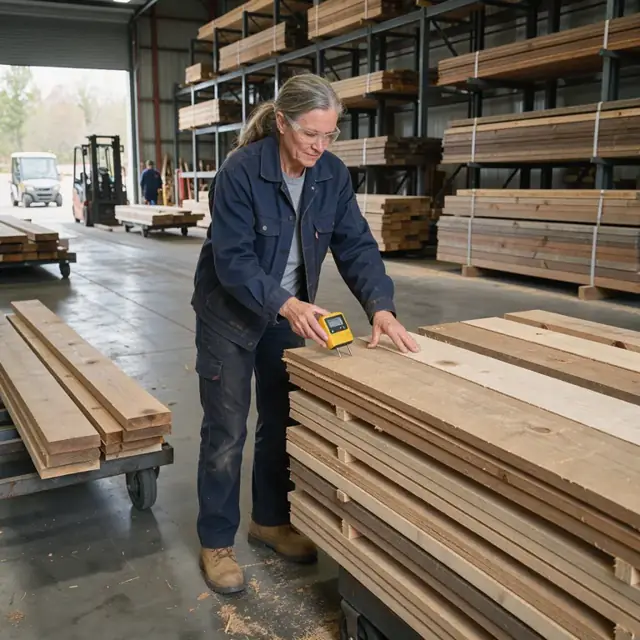
Lumber Preparation Specialist
Receive, inspect, measure and prepare lumber stock for production while tracking yield and moisture.
Works in: Ambitious Sheets, Ambitious Tasks, Ambitious Docs · Workflows: Lumber receiving and material preparation
Automates
- Records board foot quantities and defects
- Logs moisture meter readings by species
- Generates optimized cut lists from current inventory
- Creates staging tags for each job
Stops for a person
- The owner approves any substitution of wood species or grade
- Visual grading of lumber is performed by an experienced person

Production Scheduler
Sequence all jobs across milling, machining, sanding and finishing operations to maintain efficient flow.
Works in: Ambitious Sheets, Ambitious Tasks · Workflows: Production scheduling and machine loading
Automates
- Balances workload across machines and workstations
- Inserts preventive maintenance into the schedule
- Flags spray booth and finishing line time slots
- Updates live status of each operation
Stops for a person
- The shop supervisor adjusts the schedule for rush jobs or machine downtime
- A person verifies machine availability before finalizing the weekly plan

CNC Programmer
Create, simulate and load accurate CNC toolpaths for moulders, routers and machining centers.
Works in: Ambitious Tasks, Ambitious Docs, Process Optimizer · Workflows: CNC programming and tooling
Automates
- Imports drawings and generates toolpaths
- Simulates runs to detect collisions
- Optimizes feed and speed settings
- Maintains tool library and life tracking
Stops for a person
- The lead machinist verifies first-piece cut quality
- Program changes that affect critical dimensions are approved by a person
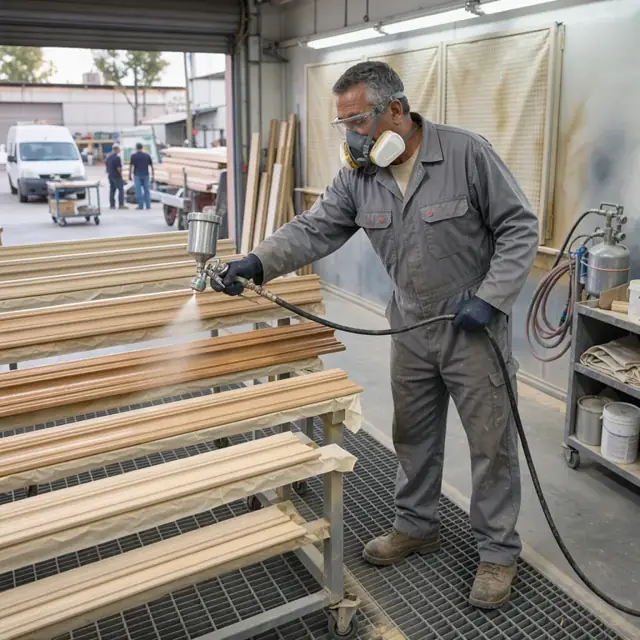
Finishing Coordinator
Track surface preparation, coating application, environmental conditions and final quality checks.
Works in: Ambitious Tasks, Ambitious Sheets, Ambitious Docs · Workflows: Finishing and quality tracking
Automates
- Logs grit sequences and coating batches
- Records temperature, humidity and cure times
- Tracks spray booth filter changes and VOC totals
- Generates final inspection checklists
Stops for a person
- The finisher confirms color matches and finish approval
- A person performs the final visual and tactile inspection before packing
- The owner reviews and approves monthly VOC summaries
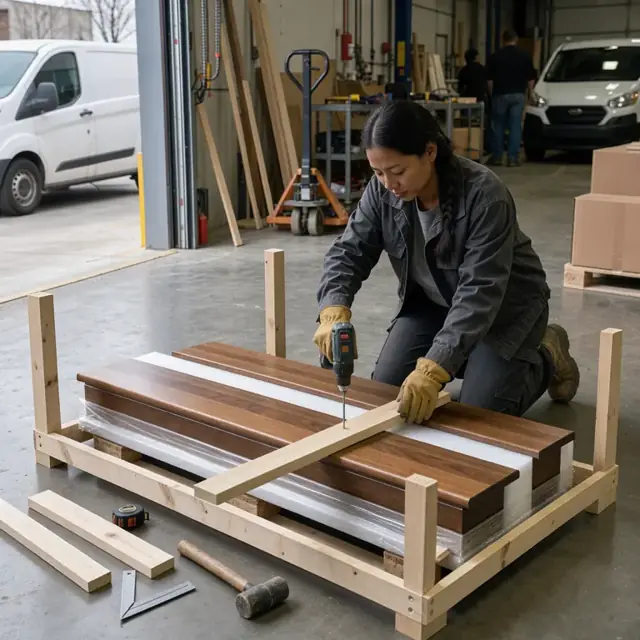
Shipping and Delivery Coordinator
Organize crating, labeling and carrier scheduling for completed millwork pieces.
Works in: Ambitious Tasks, Ambitious Docs, Ambitious Sheets · Workflows: Shipping, crating and delivery coordination
Automates
- Groups items by delivery address
- Generates packing lists and crate diagrams
- Drafts carrier instructions and manifests
- Tracks delivery confirmations
Stops for a person
- The owner approves any special crating or insurance requirements
- A person inspects crates before loading and signs off on manifests
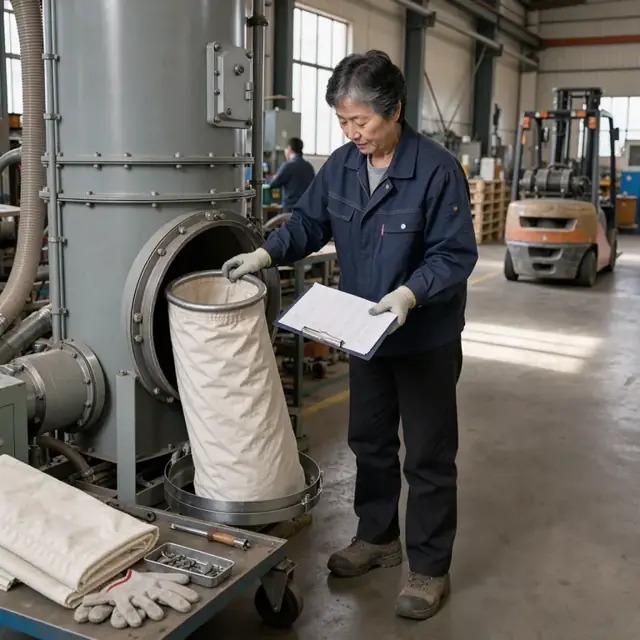
Maintenance and Compliance Clerk
Maintain equipment service logs, dust collection records, filter changes and required environmental paperwork.
Works in: Ambitious Tasks, Ambitious Sheets, Ambitious Docs · Workflows: Equipment maintenance and compliance logs
Automates
- Generates weekly blade and filter checklists
- Tracks sharpening and maintenance due dates
- Compiles VOC and filter disposal logs
- Flags upcoming permit or inspection dates
Stops for a person
- The owner confirms which local environmental and safety requirements apply
- All service work on major equipment is performed and documented by qualified people
- The bot never certifies compliance
Workflows
Job intake and specification
Starts when: Customer submits drawings, measurements or a purchase order
- Capture species, dimensions, profiles, quantities, finish type and special instructions
- Verify against standard profiles, machinery capabilities and current shop load
- Create a job folder with drawings, cut list template and material requirements
- Draft acknowledgment with lead-time estimate and required deposit
- Assign job number and move to quoting or scheduling queue
Watch for: Stair and railing jobs require field verification measurements; Exotic species or custom profiles need mill approval before acceptance
Lumber receiving and material preparation
Starts when: Lumber delivery or start of each production week
- Inspect incoming boards for defects, grade and moisture content
- Measure and record board-foot yield into inventory sheet
- Acclimate stock to shop humidity levels for required period
- Generate optimized cut list from job requirements and current stock
- Tag and stage lumber for the first cutting operation
Watch for: Moisture content must be recorded for each species and batch; Defective boards are culled before they reach the saw
Production scheduling and machine loading
Starts when: After material prep is complete
- Sequence jobs across table saw, moulder, CNC router, planer, sander and finishing line
- Balance load to avoid idle time on high-cost machines
- Insert blade and bit maintenance into the schedule
- Flag jobs needing spray booth time and ventilation
- Update real-time status for each operation
Watch for: CNC programs must be written or imported for each unique profile; Dust collection system capacity limits simultaneous operations
CNC programming and tooling
Starts when: When a job reaches the machining stage
- Import or create toolpaths from approved drawings
- Select and verify correct router bits and hold-down fixtures
- Simulate run to check for collisions and optimize feed rates
- Load program to machine and produce first-piece inspection report
- Update tool life and sharpening log
Watch for: Tooling changes must be documented to maintain repeatability; First-piece verification is always performed by a person
Finishing and quality tracking
Starts when: After sanding or assembly is complete
- Record surface preparation steps and grit sequence
- Log stain, sealer and topcoat batches with environmental conditions
- Track spray booth filter changes and VOC usage
- Perform final visual and dimensional inspection checklist
- Generate packing list and label each piece with job and sequence number
Watch for: Temperature and humidity affect finish curing times; Custom color matching requires the finisher's approval
Shipping, crating and delivery coordination
Starts when: When final inspection is passed
- Group items by job and destination
- Draft packing and crating instructions for large or fragile pieces
- Schedule carrier pickup or delivery window
- Create delivery manifest with installation notes
- Record proof of delivery and any damage notes
Watch for: Exterior millwork must be protected from weather during transit; Stair parts often require coordinated installation timing
Equipment maintenance and compliance logs
Starts when: Weekly and on scheduled dates
- Generate blade, bit and dust collector maintenance checklist
- Record filter changes, air quality readings and sharpening dates
- Track shop equipment permits and inspection due dates
- Compile monthly VOC and hazardous waste summaries for review
- Flag any equipment that requires professional service
Watch for: Local air quality rules govern spray booth and finishing operations; The owner confirms which logs and permits are required in the jurisdiction
Bot templates for this industry
- Other Millwork (including Flooring) (7 bots)
Source: U.S. Small Business Administration, Office of Size Standards, Table of Small Business Size Standards Matched to North American Industry Classification System Codes, version March 2023 (effective 2023-03-17, NAICS 2022). Size standards are shown for reference only.