

Pulp Mills
Pulp mills cook wood chips or other fiber in large digesters with chemicals or mechanical processes, then screen, wash, bleach and press the pulp into bales or rolls for shipment to paper mills or customers. For a mill running daily batches of kraft or mechanical pulp with scheduled maintenance shutdowns, the specialists turn incoming fiber and chemical deliveries into production schedules, track digester cooks and bleaching sequences, manage inventory of chips bales and liquor, generate compliance logs for effluent and air permits, and prepare shipment manifests while the operators and lab confirm all process parameters and quality tests.
What makes this business different
- Continuous or batch digester scheduling with precise cook times, temperatures and chemical charges that cannot be interrupted
- Large volume inbound raw material: wood chips, railcars, truckloads, bales of recycled fiber with moisture and species testing on arrival
- Chemical recovery cycle for black liquor, white liquor and lime with tight inventory and safety requirements
- Effluent treatment, air emissions monitoring and wastewater discharge logs that must be recorded daily for permit compliance
- Pulp quality testing for brightness, kappa number, freeness and dirt count performed in the on-site lab after each batch
- Preventive maintenance windows for digesters, washers, presses and recovery boilers that require multi-week coordination
- Rail and truck loading of wet-lap or dry bales with moisture barriers and weight certificates for each shipment
Specialist bots
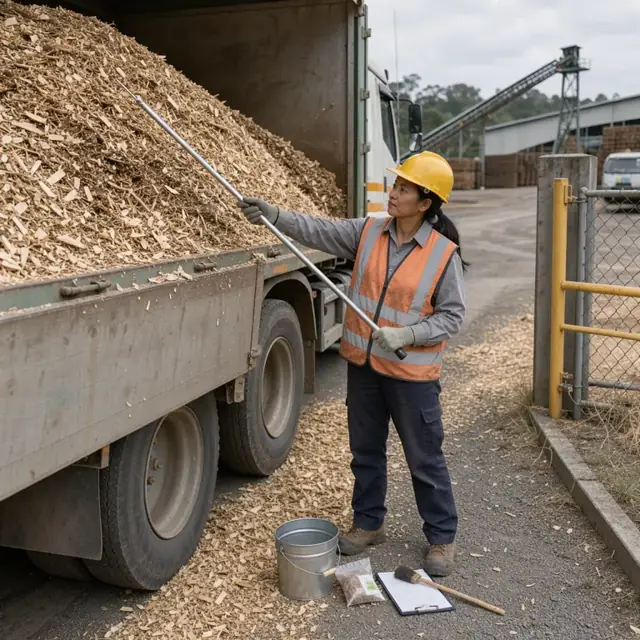
Fiber Receipt and Yard Manager
Turn every inbound fiber delivery into qualified inventory with lab verification and yard location.
Works in: Ambitious Tasks, Ambitious Sheets, Ambitious Docs · Workflows: Raw fiber receipt and qualification
Automates
- Reads scale tickets and supplier documents
- Creates sampling tasks and logs moisture and species results
- Assigns storage locations and updates real-time inventory
- Holds or releases loads based on lab checks
- Notifies procurement of rejections
Stops for a person
- The lab technician confirms test results before release
- The shift supervisor decides on any rejected loads
- A person signs off on all scale and receiving paperwork
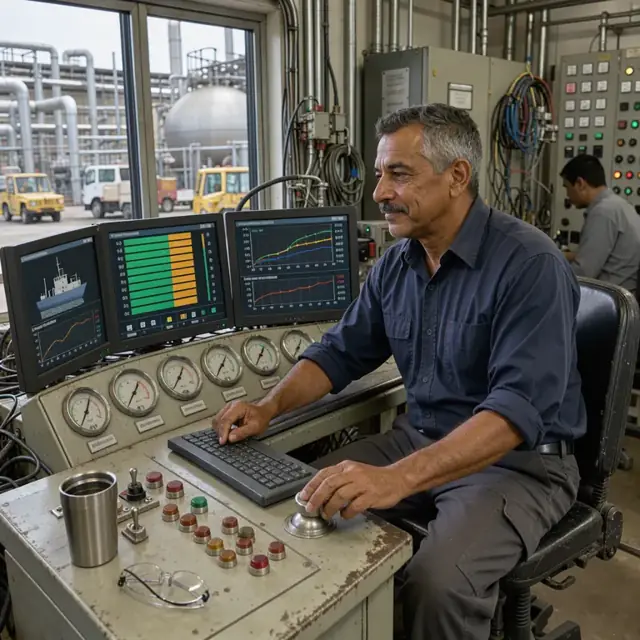
Digester Schedule Coordinator
Convert customer orders and chip inventory into a daily digester cook sequence with chemical and steam requirements.
Works in: Process Optimizer, Ambitious Sheets, Ambitious Tasks · Workflows: Digester and bleaching schedule
Automates
- Balances chip inventory against order due dates
- Calculates cook charges and projects steam demand
- Sequences cooks to maintain recovery boiler load
- Publishes the shift schedule and flags capacity conflicts
Stops for a person
- The lead operator reviews and approves the cook sequence
- Any deviation from standard charges is confirmed by the process engineer
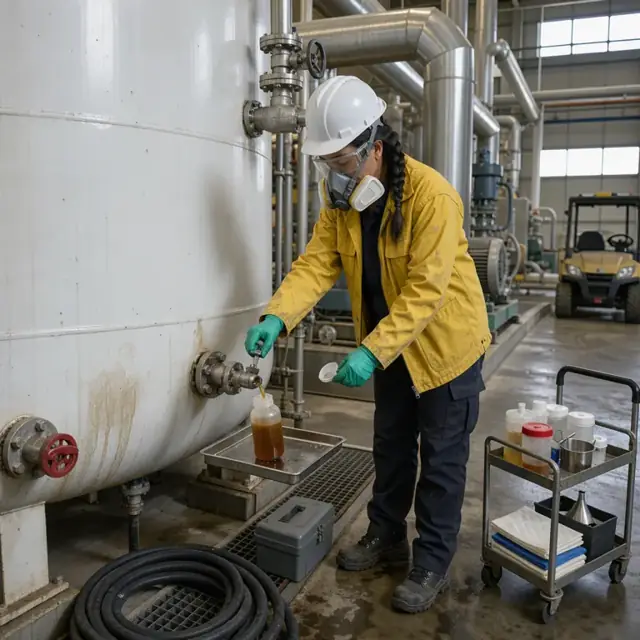
Chemical and Liquor Inventory Manager
Track black, white and green liquor flows and maintain chemical balance across the recovery cycle.
Works in: Ambitious Sheets, Ambitious Tasks, Ambitious Docs · Workflows: Chemical and liquor inventory
Automates
- Calculates liquor production and consumption per cook
- Tracks tank levels and projects reorder needs
- Flags imbalances that could affect cooking or emissions
- Generates daily liquor balance report
Stops for a person
- The recovery boiler operator confirms daily liquor totals
- Purchasing places all chemical orders after review

Pulp Quality and Lab Coordinator
Log lab test results, compare against specifications and recommend cook or bleach adjustments.
Works in: Ambitious Sheets, Ambitious Tasks, Ambitious Docs · Workflows: Pulp quality testing and adjustment
Automates
- Records kappa, brightness, freeness and dirt count from lab instruments
- Compares results to customer grade requirements
- Drafts adjustment recommendations for next cook
- Generates certificate of analysis drafts
Stops for a person
- The lab supervisor reviews all test data before batch release
- The production manager approves any process changes based on results

Environmental Compliance Clerk
Compile daily effluent, emission and permit tracking logs and prepare summary reports for regulatory review.
Works in: Ambitious Sheets, Ambitious Docs, Ambitious Tasks · Workflows: Environmental compliance and permit logging
Automates
- Pulls readings from effluent and stack monitors
- Builds daily and monthly compliance logs
- Tracks permit and reporting deadlines
- Flags any parameter outside owner-confirmed limits
Stops for a person
- The environmental manager confirms which limits and reports apply
- All submissions to agencies are reviewed and filed by people

Shipment and Loading Coordinator
Match inventory to customer orders, generate manifests and prepare rail or truck loading instructions.
Works in: Ambitious Docs, Ambitious Tasks, Ambitious Sheets · Workflows: Pulp shipment preparation and loading
Automates
- Selects bales or rolls meeting grade and moisture specs
- Creates bills of lading and weight certificates
- Schedules loading appointments
- Prints labels and loading checklists
Stops for a person
- The loader confirms weights and condition before departure
- A person reviews and signs all shipping documents
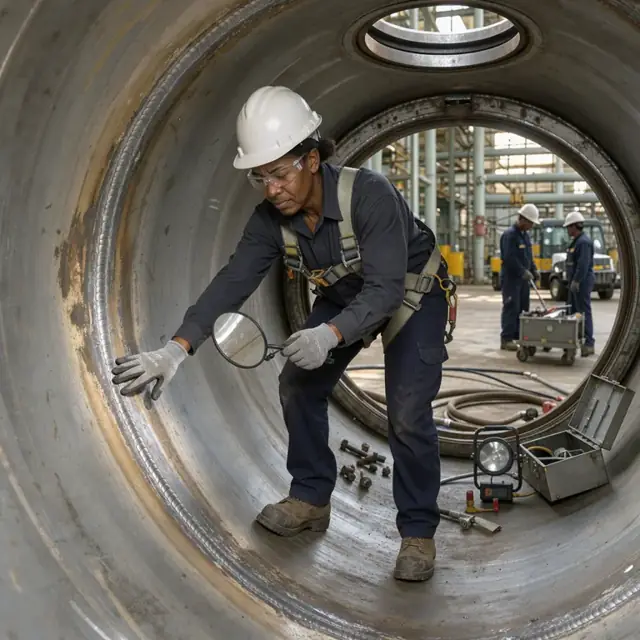
Maintenance and Outage Planner
Compile equipment run data, draft maintenance windows and adjust production schedules around outages.
Works in: Process Optimizer, Ambitious Sheets, Ambitious Tasks · Workflows: Maintenance and outage coordination
Automates
- Tracks hours and work orders for major equipment
- Suggests optimal outage windows around production demand
- Builds startup and lockout checklists
- Revises cook schedule to match maintenance plan
Stops for a person
- The maintenance superintendent approves all outage dates and work scopes
- Operators perform and sign off on all safety procedures
Workflows
Raw fiber receipt and qualification
Starts when: Truck, railcar or barge arrival with wood chips, recycled bales or alternative fiber
- Capture scale ticket, supplier certificate, species, moisture and contamination notes
- Sample and send to lab for moisture, ash and species verification
- Assign yard pile or silo location and update inventory by fiber type
- Create receiving task with hold or release status
- Notify procurement if material fails lab checks
Watch for: Species and moisture directly affect cook yield and chemical demand; Contaminated loads must be segregated or rejected on the spot
Digester and bleaching schedule
Starts when: Daily at start of shift and after each cook completion
- Review current chip inventory and customer pulp orders due
- Build sequence of cooks by grade, kappa target and fiber mix
- Calculate chemical charges, white liquor and steam requirements
- Reserve washer line and bleach plant capacity for the sequence
- Publish the 24-hour cook and wash schedule to operators
Watch for: Digester pressure, temperature and blow time must stay within tight process limits; Sequence must respect maintenance windows and chemical recovery balance
Chemical and liquor inventory
Starts when: After each cook and daily
- Track black liquor sent to evaporators and recovery boiler
- Calculate and record white liquor produced and available
- Monitor lime kiln output and lime mud recycle
- Draft reorder quantities for purchased chemicals such as sodium hydroxide and hydrogen peroxide
- Flag any imbalance that would affect next cook
Watch for: Recovery cycle must stay in chemical balance to control costs and emissions; Safety interlocks on high-pressure liquor lines require documented checks
Pulp quality testing and adjustment
Starts when: After each digester blow and after bleaching stages
- Pull samples and record lab results for kappa number, brightness, freeness and dirt
- Compare results against customer specifications
- Draft adjustments to next cook time, chemical charge or bleach sequence
- Hold or release each batch in the system
- Generate certificate of analysis draft for the bale or roll
Watch for: Brightness and cleanliness requirements differ by end use market; Lab results must be reviewed before pulp moves to drying or shipping
Environmental compliance and permit logging
Starts when: Every shift and on scheduled reporting dates
- Compile daily effluent volume, pH, BOD and TSS readings
- Record stack emissions, opacity and particulate data
- Track permit renewal dates for air, water and waste permits
- Generate monthly summary sheets for regulatory filing
- Flag any excursion that requires operator or manager review
Watch for: Permit limits are set by local, regional and federal agencies and change with renewals; All logs must be traceable to specific shifts and instruments
Pulp shipment preparation and loading
Starts when: When customer order is due or inventory reaches target
- Match inventory to order specifications for grade, brightness and bale size
- Generate manifest, weight certificate and moisture declaration
- Schedule railcar or truck loading window
- Print bale labels with batch number, grade and destination
- Record loaded weights and release the shipment
Watch for: Moisture barriers and protective wrapping required for wet-lap pulp; Railcar cleanliness certificates must be completed before loading
Maintenance and outage coordination
Starts when: Weekly and before planned shutdowns
- Compile equipment run hours and work requests from operators
- Draft next maintenance window schedule for digesters, washers and recovery areas
- Reserve parts and contractor labor for the outage
- Adjust production schedule around the outage window
- Create post-maintenance startup checklist
Watch for: Large vessels require lockout-tagout, confined-space and pressure-testing protocols; Outages must be coordinated with chemical recovery and effluent treatment
Bot templates for this industry
- Pulp Mills (7 bots)
Source: U.S. Small Business Administration, Office of Size Standards, Table of Small Business Size Standards Matched to North American Industry Classification System Codes, version March 2023 (effective 2023-03-17, NAICS 2022). Size standards are shown for reference only.