

Paperboard Mills
Paperboard mills produce coated and uncoated paperboard from pulp, recycled fiber or both on continuous paper machines. Orders specify grade, basis weight, caliper, coating, roll width, diameter and core size. The specialists convert sales orders into machine schedules, roll cutting plans, pulp and chemical requirements, inventory tracking and shipping releases while the operators and lab confirm quality, run parameters and specifications.
What makes this business different
- Large continuous production runs on paper machines that run 24/7 with grade changes requiring downtime and washups
- Custom specifications for each order including basis weight, caliper, brightness, smoothness, coating type and moisture limits
- Roll and sheet cutting optimization to minimize trim waste on large parent reels
- Inventory of work-in-process reels, finished rolls, parent stock and recovered fiber bales
- Raw material planning for pulp, recycled fiber, chemicals, starch and coatings that must arrive just in time
- Quality testing at the wet end, dry end and finishing with lab results tied to each production run
- Rail, truck and intermodal shipping coordination with load-out schedules and bills of lading
- Maintenance scheduling during planned outages and tracking of machine clothing, rolls and bearings
- Environmental and safety logs for effluent, air emissions and workplace exposure that must be recorded daily
Specialist bots

Order Reviewer
Convert incoming orders into verified production specifications ready for scheduling.
Works in: Ambitious Tasks, Ambitious Docs, Contract Analyzer · Workflows: Order intake and specification review
Automates
- Reads order emails and portal submissions
- Extracts grade, basis weight, caliper, coating and dimensional requirements
- Checks against machine capability and current schedule
- Drafts the production specification sheet
- Creates the linked order task
Stops for a person
- Technical or production manager approves any non-standard specifications
- Pricing and delivery commitments are confirmed by sales before acceptance
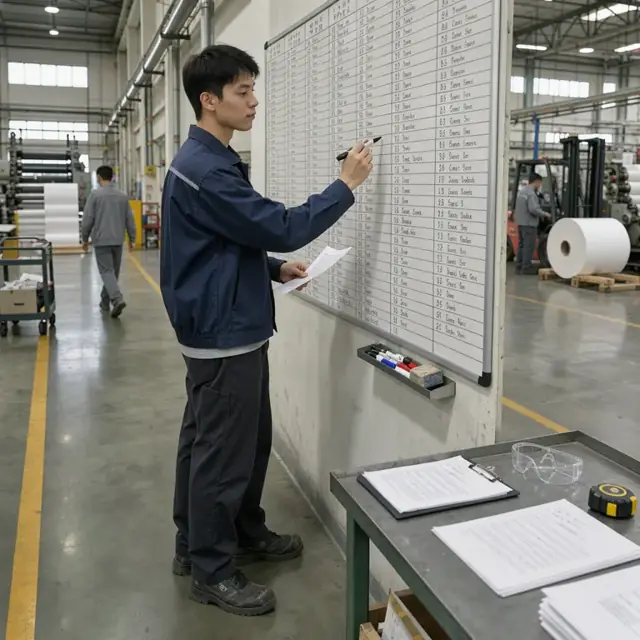
Machine Scheduler
Create efficient paper machine schedules that minimize grade change downtime and meet delivery dates.
Works in: Ambitious Sheets, Process Optimizer · Workflows: Machine scheduling and sequencing, Maintenance and outage planning
Automates
- Sequences orders by grade family and run length
- Calculates runtime and changeover requirements
- Builds the seven-day machine schedule
- Flags capacity conflicts or urgent orders
- Suggests optimal run sequences
- Inserts maintenance windows into the schedule
Stops for a person
- Production manager reviews and approves the final schedule
- Any schedule changes that affect customer dates require sales approval
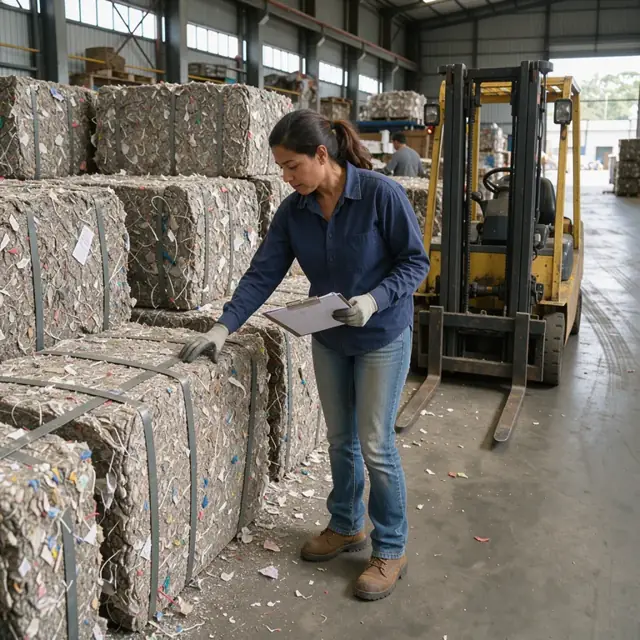
Fiber and Chemical Planner
Calculate and order the exact fiber, pulp and chemical quantities needed for the published schedule.
Works in: Ambitious Sheets, Ambitious Tasks, Ambitious Docs · Workflows: Raw material and chemical planning
Automates
- Explodes schedule into raw material requirements by grade
- Subtracts current stock and in-transit amounts
- Generates purchase requisitions by supplier
- Tracks recovered fiber quality and inventory
- Adjusts for upcoming grade changes
Stops for a person
- Purchasing manager places all purchase orders and spends money
- Technical staff approves any substitution of fiber or chemical types

Roll Finishing Optimizer
Optimize parent reel slitting patterns to fulfill orders while minimizing trim waste.
Works in: Process Optimizer, Ambitious Sheets, Ambitious Tasks · Workflows: Roll finishing and slitting optimization
Automates
- Imports order widths and diameters
- Runs cutting optimization for each parent reel
- Generates slitter setup instructions
- Creates roll labels and production tickets
- Updates inventory with finished dimensions
Stops for a person
- Finishing supervisor approves patterns before setup
- Any deviations from customer width or diameter are confirmed by sales
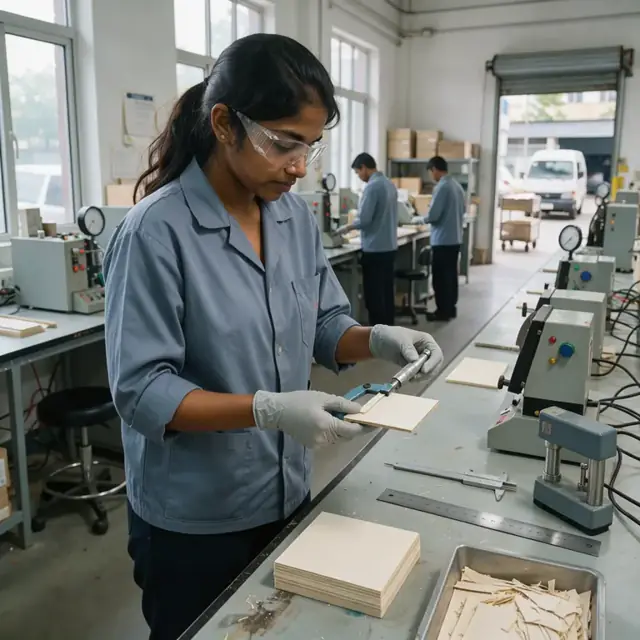
Quality Test Coordinator
Schedule and document all lab tests and maintain traceability for each production run.
Works in: Ambitious Tasks, Ambitious Docs, Ambitious Sheets · Workflows: Quality testing and run documentation
Automates
- Creates test schedules for each reel and run
- Records lab results against production numbers
- Flags out-of-spec material
- Builds traceability records
- Drafts certificates of analysis
Stops for a person
- Lab manager reviews all test results before product release
- Quality manager confirms any material that deviates from specification
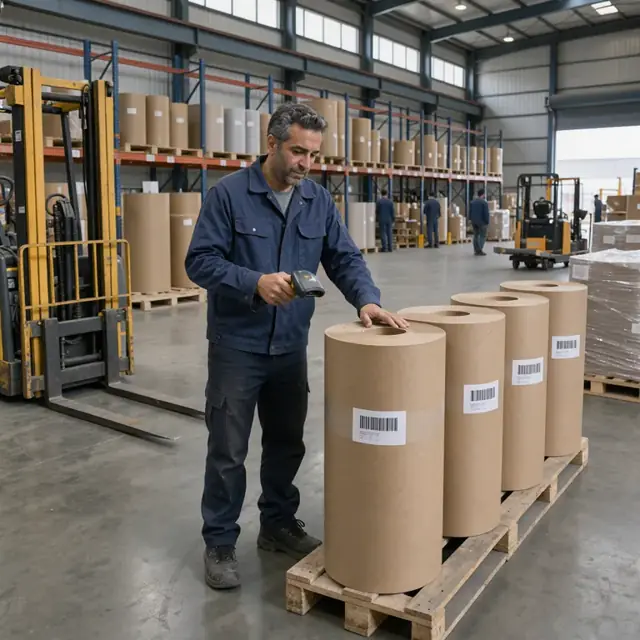
Inventory and Warehouse Coordinator
Maintain accurate records of work-in-process reels, finished rolls and warehouse locations.
Works in: Ambitious Sheets, Ambitious Tasks, Ambitious Docs · Workflows: Finished goods and WIP inventory
Automates
- Updates inventory from production and finishing data
- Assigns warehouse locations
- Monitors aging and slow-moving stock
- Generates reorder recommendations
- Prepares shipping releases
Stops for a person
- Warehouse supervisor verifies physical counts against records
- Any inventory adjustments or write-offs are approved by management

Shipping and Load-Out Coordinator
Prepare shipping documents, schedule carriers and coordinate mill load-out for completed orders.
Works in: Ambitious Tasks, Ambitious Docs, Ambitious Sheets · Workflows: Shipping and load-out coordination
Automates
- Matches rolls to customer orders and carrier
- Drafts bills of lading and packing lists
- Schedules carrier arrivals
- Generates shipment notifications
- Closes orders in the system
Stops for a person
- Shipping supervisor approves all load diagrams and carrier assignments
- Customer service confirms shipment details before release

Maintenance and Outage Planner
Plan machine outages, track work orders and ensure parts are ready before shutdown.
Works in: Ambitious Sheets, Ambitious Tasks · Workflows: Maintenance and outage planning
Automates
- Pulls preventive-maintenance tasks for the next outage
- Sequences work against the production schedule
- Tracks spare parts and consumables
- Generates shutdown and startup checklists
Stops for a person
- Maintenance manager approves the outage plan and all work orders
- Safety officer confirms lockout and permit requirements before shutdown
Workflows
Order intake and specification review
Starts when: New customer order or repeat order arrives by email or portal
- Capture grade, basis weight, caliper, coating, finish, reel width, diameter, core and quantity
- Check order against current machine capability, pending schedule and minimum run sizes
- Draft production specification sheet for lab and machine crew review
- Confirm pricing, delivery date and special testing requirements
- Create order task linked to the production schedule
Watch for: Exact specification matching required for coating, sizing and surface treatments; Orders may be revised after initial review by the technical or production team
Machine scheduling and sequencing
Starts when: Weekly and after each new order batch
- Sequence orders by grade family to minimize changeover time and washup waste
- Calculate required runtime on each paper machine based on tonnage and speed
- Incorporate planned maintenance, clothing changes and grade transition times
- Draft the seven-day machine schedule with run numbers and reel targets
- Flag any orders that cannot fit within current capacity
- Generate a draft maintenance window for the next outage
Watch for: Paper machines run continuously so schedule changes create significant downtime costs; Grade families must be grouped to reduce broke and off-spec production
Raw material and chemical planning
Starts when: After schedule is published and daily
- Explode scheduled production into fiber, pulp, chemical, starch and coating requirements
- Subtract current inventory and in-transit shipments
- Generate purchase requisitions by supplier for fiber bales, chemicals and additives
- Track recovered fiber inventory and quality specs from suppliers
- Adjust orders for upcoming grade mix changes
- Create a daily stock-level report for the storeroom
Watch for: Recycled fiber and pulp must be ordered and tested before use in specific grades; Chemical inventories are kept low due to shelf life and storage constraints
Roll finishing and slitting optimization
Starts when: When parent reels reach the winder or slitter
- Import order widths and diameters into the cutting optimizer
- Generate slitter setup patterns that minimize trim loss
- Create labels and production tickets for each finished roll
- Track each roll by run number, position and quality designation
- Update inventory with finished roll data
- Flag any parent reel that requires re-slitting
Watch for: Trim optimization directly affects mill yield and profitability; Customer-specific width and diameter tolerances are strict
Quality testing and run documentation
Starts when: Each machine reel and every production run
- Generate lab test schedule for basis weight, caliper, brightness, smoothness, stiffness and coating weight
- Record test results against each run number
- Flag any reels that fall outside customer specifications
- Maintain traceability from finished roll back to pulp batch and chemical lot
- Draft certificate of analysis for each shipment
- Log environmental test data from the wet end and effluent
Watch for: Test results must be reviewed before product release; Certain grades require additional tests for porosity, sizing or printability
Finished goods and WIP inventory
Starts when: Daily and end of each shift
- Update reel and roll inventory from production and finishing data
- Track warehouse locations for finished rolls and sheeted stock
- Monitor aging inventory and slow-moving grades
- Generate reorder recommendations based on safety stock levels
- Prepare shipping releases against open orders
- Run a daily cycle-count task list for the warehouse team
Watch for: Large reels and rolls require specific storage conditions to prevent damage; Inventory accuracy is critical for both production planning and customer shipments
Shipping and load-out coordination
Starts when: When orders are ready to ship and on customer release
- Match finished rolls to customer orders and shipping method
- Draft bills of lading, packing lists and load diagrams for rail or truck
- Schedule carrier pickups and confirm loading times
- Generate shipment notifications and tracking information
- Close completed orders and update inventory
- Create the daily outbound load schedule
Watch for: Rail cars and truckloads must be loaded to weight and height limits; Many shipments go to converters who require specific roll orientation and handling
Maintenance and outage planning
Starts when: Weekly and before each planned outage
- Pull work orders for clothing changes, roll grinding and bearing inspections
- Sequence tasks against the machine schedule to fit within the outage window
- Track spare parts and consumables required for the outage
- Draft a shutdown checklist and startup verification list
- Update the long-term maintenance calendar
Watch for: Outages must be coordinated with raw-material deliveries and customer shipments; Safety lockout and confined-space permits are required for certain tasks
Bot templates for this industry
- Paperboard Mills (8 bots)
Source: U.S. Small Business Administration, Office of Size Standards, Table of Small Business Size Standards Matched to North American Industry Classification System Codes, version March 2023 (effective 2023-03-17, NAICS 2022). Size standards are shown for reference only.