

Corrugated and Solid Fiber Box Manufacturing
Plants that convert kraft paper, linerboard and medium into corrugated sheets, then cut, score, print and fold them into shipping boxes, mailers and point-of-purchase displays. For a converter that takes custom box orders with specific flute, size, print and die-cut requirements, the specialists turn sales orders into a production schedule, raw material needs and die layouts, then track each job through corrugator, printer-slotter, die-cutter, folder-gluer and bundling. Material yield, print registration, scoring accuracy and on-time truck loading stay with the production manager.
What makes this business different
- Custom specifications for flute type (A, B, C, E), board grade, print colors, coatings, die-cut shapes and stitching or gluing
- Order-by-order production with short lead times and frequent changeovers on the corrugator and converting lines
- Raw material planning for rolls of liner, medium and ink that must be on the floor before each run
- Die and print plate inventory that must be located, inspected and returned after each job
- Quality checks for warp, print registration, slot depth, glue adhesion and bundle count on every order
- Truck scheduling, load diagrams and shipping paperwork that match each customer's dock and carrier requirements
- Repeat industrial customers who reorder the same box design on a forecast or release schedule
Specialist bots

Order Reviewer
Convert every incoming customer order into a complete, machine-ready job specification.
Works in: Ambitious Tasks, Ambitious Docs, Email Buckets · Workflows: Order intake and specification review
Automates
- Reads order emails, EDI files and portal submissions
- Extracts dimensions, flute, print colors, coatings and due dates
- Attaches artwork and die files to the job ticket
- Checks against existing tooling and machine limits
- Drafts the confirmation and job packet
Stops for a person
- The production manager approves any non-standard specifications
- A person reviews and sends all confirmations to the customer
- Artwork or sample approvals are handled by people

Production Scheduler
Sequence all open orders across the corrugator and converting equipment to minimize changeovers and meet delivery dates.
Works in: Ambitious Sheets, Process Optimizer · Workflows: Production scheduling and sequencing
Automates
- Sequences jobs by flute and ink compatibility
- Calculates run times and changeover allowances
- Builds the daily machine schedule
- Flags required tooling and material pull dates
Stops for a person
- The production manager adjusts the final schedule each morning
- Rush orders are inserted only after approval
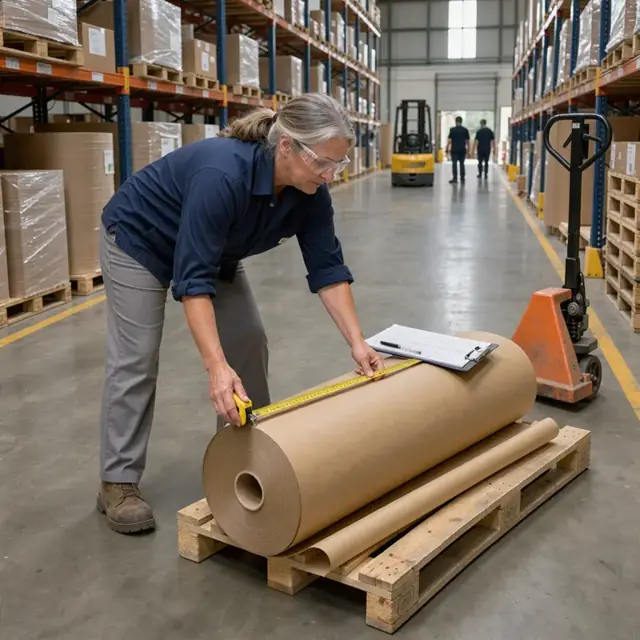
Materials and Tooling Planner
Calculate exact paper, ink and tooling needs for the production schedule and keep inventory accurate.
Works in: Ambitious Sheets, Ambitious Tasks, Ambitious Docs · Workflows: Raw material and tooling planning, Finished goods and tooling inventory
Automates
- Explodes orders into roll and consumable requirements
- Subtracts current stock and generates reorder lists
- Locates and reserves required dies and print plates
- Tracks tooling condition and return to storage
Stops for a person
- The owner approves all purchase orders before they are sent
- Physical inventory counts and adjustments are performed by people

Quality and Job Execution Clerk
Create setup sheets and quality checklists for each run and log first-article and in-process results.
Works in: Ambitious Tasks, Ambitious Docs, Ambitious Sheets · Workflows: Job execution and quality control
Automates
- Generates machine setup instructions and quality test lists
- Records production counts, waste and downtime
- Logs compression and print registration test data
- Flags any out-of-spec conditions for review
Stops for a person
- Production operators perform and sign off on all physical quality checks
- The production manager reviews and approves first-article samples

Shipping and Load Coordinator
Organize finished goods into truckloads, prepare all shipping documents and notify carriers.
Works in: Ambitious Tasks, Ambitious Docs, Ambitious Sheets · Workflows: Finishing, bundling and shipping
Automates
- Groups completed orders by customer and destination
- Creates load diagrams and pallet counts
- Generates bills of lading and shipping labels
- Drafts carrier appointment requests
Stops for a person
- The forklift operator confirms actual loaded quantities
- A person reviews and signs all final shipping paperwork
- The owner approves any special freight arrangements

Compliance and Certification Clerk
Maintain customer-required declarations, test reports and production traceability records.
Works in: Ambitious Docs, Ambitious Sheets, Contract Analyzer · Workflows: Regulatory and customer compliance paperwork
Automates
- Generates material and compliance declarations based on order type
- Tracks due dates for audits and certifications
- Organizes production and test records by job number
- Keeps SDS files current for all inks and adhesives
Stops for a person
- The production manager confirms which declarations each customer requires
- People review and sign any documents sent to customers or regulators
- The bot never certifies compliance
Workflows
Order intake and specification review
Starts when: A customer order arrives by email, EDI or portal
- Capture all dimensions, flute, board grade, print requirements, coatings, quantity and delivery date
- Check the order against current tooling, dies and ink availability
- Confirm feasibility against machine capabilities and current backlog
- Draft a job ticket with artwork files attached
- Create one production task with full specifications
Watch for: Artwork and die files must be verified exactly as supplied by the customer; Special coatings or hazardous material labels require extra review
Production scheduling and sequencing
Starts when: After order confirmation and daily at shift start
- Sequence jobs to minimize corrugator changeovers and maximize roll utilization
- Assign each order to specific machines and shifts
- Calculate required liner, medium and ink quantities
- Draft the daily run list with start and end times
- Flag rush orders and any required tooling changes
Watch for: Corrugator setups are expensive and time-consuming; Print and die jobs must follow compatible flute runs
Raw material and tooling planning
Starts when: After production schedule is released and weekly
- Explode scheduled orders into roll, ink, adhesive and staple requirements
- Subtract current inventory and on-order stock
- Draft purchase orders for paper rolls and consumables
- Locate and pull required dies, print plates and cutting dies
- Track return of tooling to storage after each run
Watch for: Paper rolls are heavy and require specific storage conditions; Tooling must be cleaned, inspected and repaired between jobs
Job execution and quality control
Starts when: At the start of each production run
- Generate machine-specific setup sheets and quality checklists
- Record first-article measurements and photos for approval
- Track production counts, waste, downtime and defects per job
- Log quality test results for compression, edge crush and print registration
- Mark completed bundles with order number, count and destination
Watch for: Every job requires a first-article sign-off before full run; Moisture, warp and glue issues must be caught immediately
Finishing, bundling and shipping
Starts when: After each converting run and daily before cutoff
- Group finished boxes by customer and destination
- Create load diagrams and pallet patterns for truck loading
- Generate bills of lading, packing lists and shipping labels
- Draft carrier notifications and appointment requests
- Record actual shipment quantities and any damages
Watch for: Boxes must be bundled square and stable for transit; Certain carriers have strict pallet height and weight rules
Finished goods and tooling inventory
Starts when: Daily and on a weekly cycle
- Update inventory of finished boxes held for release orders
- Track location and condition of all dies, plates and cutting forms
- Forecast paper roll and ink usage for upcoming weeks
- Flag low stock on standard sizes for reorder
- Reconcile physical counts against system records
Watch for: Many customers order on a just-in-time or blanket release basis; Dies and plates accumulate rapidly and must be organized
Regulatory and customer compliance paperwork
Starts when: With each new order type and on renewal dates
- Generate material certificates and compliance declarations for food-contact or hazmat boxes
- Track due dates for audit paperwork and certifications
- Maintain current SDS sheets for inks, adhesives and coatings
- Prepare customer-specific test reports and audit files
- Keep production records required for traceability
Watch for: Requirements differ by end-use industry such as food, electronics or pharmaceuticals; The production manager confirms which declarations each customer requires
Bot templates for this industry
Source: U.S. Small Business Administration, Office of Size Standards, Table of Small Business Size Standards Matched to North American Industry Classification System Codes, version March 2023 (effective 2023-03-17, NAICS 2022). Size standards are shown for reference only.