

Folding Paperboard Box Manufacturing
Folding paperboard box manufacturers produce custom and standard cartons from printed paperboard sheets. For a plant that takes orders for custom printed boxes used in food, cosmetics, electronics and retail packaging, the specialists turn customer artwork and specs into approved print-ready files, convert orders into cutting and folding die schedules, manage paperboard and ink inventory, schedule presses and die cutters, track finishing and shipping, and maintain quality and safety paperwork. Die making, press operation and quality sign-off stay with the production team.
What makes this business different
- Customer-supplied or co-created artwork and dielines that must be reviewed for printability, color accuracy and structural integrity before production
- Custom die making or adjustment for each unique box style, size and closure type
- Paperboard inventory in multiple calipers, finishes and recycled content grades with just-in-time ordering to control waste
- Multi-step production: printing, die cutting, folding, gluing, windowing and bundling with tight tolerances
- Seasonal demand spikes for holiday, promotional and retail packaging runs
- Quality inspection for print registration, scoring accuracy, glue adhesion and dimensional tolerance
- Compliance with food-contact, toy-safety or pharmaceutical packaging requirements when applicable
- Finished goods held for customer pickup or shipped via freight with proper labeling and palletizing
Specialist bots

Order and Artwork Coordinator
Convert incoming customer requests and artwork into complete, approved production specifications.
Works in: Ambitious Tasks, Ambitious Docs, Contract Analyzer · Workflows: Order intake and artwork verification
Automates
- Parses order details from emails and forms
- Checks artwork files for required specifications
- Drafts job tickets and confirmation documents
- Flags missing information for follow-up
- Creates the master order task
Stops for a person
- The owner approves pricing and custom die costs
- A person reviews and signs off on final artwork proofs
- Technical feasibility questions are answered by the prepress lead
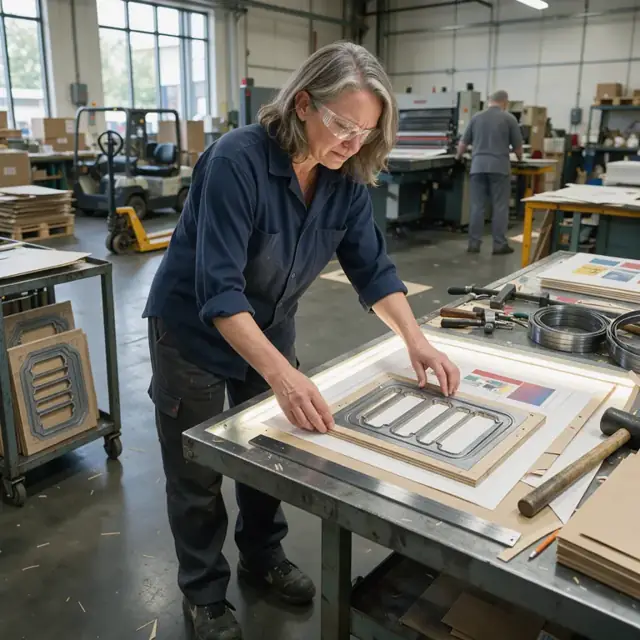
Prepress and Die Technician
Prepare print-ready files, adjust or design dies, and produce customer proofs.
Works in: Ambitious Docs, Ambitious Tasks, Process Optimizer · Workflows: Prepress and die preparation
Automates
- Converts artwork to production formats
- Generates die layouts for cutting and scoring
- Creates and routes digital proofs
- Schedules die fabrication or modification
Stops for a person
- The press operator verifies plate or file compatibility
- Customer approval of proofs is obtained by a person
- Final die adjustments are performed by the die maker

Production Scheduler
Create efficient machine schedules that respect due dates, changeovers and capacity limits.
Works in: Process Optimizer, Ambitious Sheets · Workflows: Production scheduling and capacity planning
Automates
- Sequences jobs by equipment and material
- Calculates make-ready and run times
- Forecasts material usage across the schedule
- Highlights capacity conflicts and suggests alternatives
Stops for a person
- The plant manager approves the weekly schedule
- Rush orders are inserted only after owner review
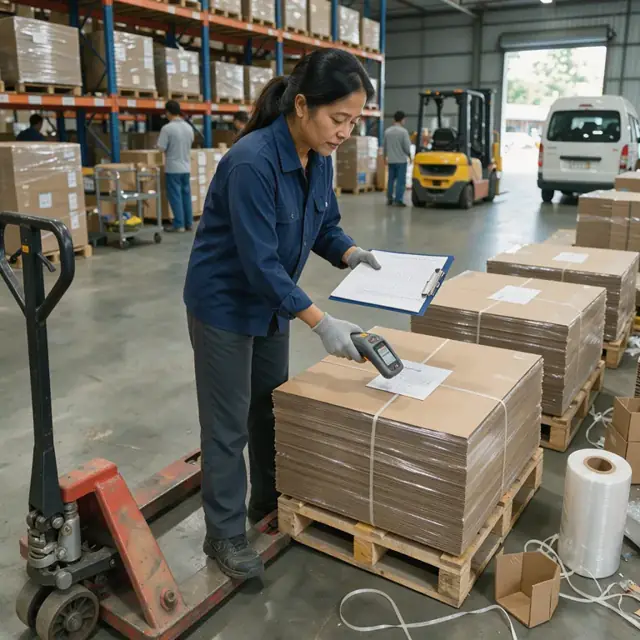
Materials and Inventory Manager
Maintain accurate paperboard, ink and supply inventory and generate timely purchase lists.
Works in: Ambitious Sheets, Ambitious Tasks, Ambitious Docs · Workflows: Paperboard and supply inventory
Automates
- Calculates exact material needs per job
- Subtracts current inventory levels
- Drafts purchase orders by supplier and grade
- Tracks waste and yield data for each run
Stops for a person
- The owner places and approves all purchases
- Physical cycle counts are performed by warehouse staff

Quality Control Inspector
Run stage-specific quality checklists and maintain inspection records for every production run.
Works in: Ambitious Tasks, Ambitious Sheets, Ambitious Docs · Workflows: In-process quality inspection
Automates
- Generates job-specific inspection lists
- Logs measurements and pass-fail results
- Flags out-of-tolerance conditions
- Compiles digital quality records
Stops for a person
- Production staff perform the physical measurements
- The quality manager reviews and signs off on all hold or rework decisions
- People confirm which regulatory tests apply

Finishing and Shipping Coordinator
Schedule final folding, gluing and bundling operations and prepare accurate shipping documentation.
Works in: Ambitious Tasks, Ambitious Docs, Ambitious Sheets · Workflows: Finishing, bundling and shipping
Automates
- Sequences finishing operations after printing
- Generates packing lists and labels
- Calculates pallet quantities and weights
- Drafts customer notifications and shipping documents
Stops for a person
- The shipping lead confirms carrier arrangements
- A person verifies final counts before shipment
- The owner approves any special packaging requirements
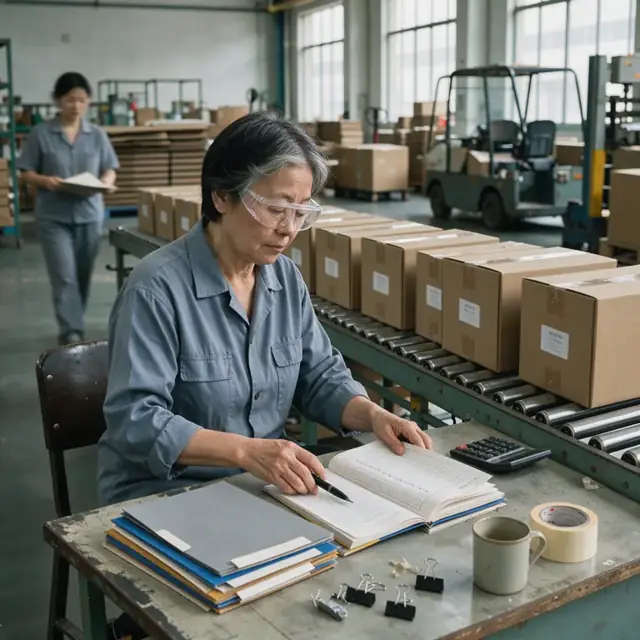
Compliance and Documentation Coordinator
Maintain production checklists, material certifications and renewal tracking for permits and insurance.
Works in: Ambitious Docs, Ambitious Sheets, Ambitious Tasks · Workflows: Regulatory and quality documentation
Automates
- Creates run-specific safety and quality checklists
- Tracks material certificates by lot
- Monitors renewal dates for licenses and certifications
- Assembles customer documentation packages
Stops for a person
- The plant manager confirms applicable requirements for each job
- All final documentation is reviewed and released by a person
- Inspections and corrective actions are performed by qualified staff
Workflows
Order intake and artwork verification
Starts when: A customer submits a request with specifications, artwork or sample
- Capture box style, dimensions, quantity, paperboard grade, print colors and finishing requirements
- Review supplied artwork or dieline against production capabilities and material constraints
- Draft a job specification sheet and pricing confirmation
- Request missing information or clarifications
- Create a production-ready order task with all details attached
Watch for: Artwork files must be checked for resolution, color mode and bleed; Structural tolerances cannot be exceeded without die changes
Prepress and die preparation
Starts when: Order confirmation and receipt of final artwork
- Convert artwork to print-ready plates or digital files
- Generate or adjust steel-rule die designs for cutting and scoring
- Produce a proof for customer approval
- Schedule the die maker or adjust existing dies
- Release approved files and dies to the production floor
Watch for: Color management and proofing must match final printed result; Die changes require physical handling and verification
Production scheduling and capacity planning
Starts when: Approved orders ready for manufacturing
- Sequence jobs by due date, paperboard grade and press compatibility
- Assign press, die cutter and finishing equipment time
- Forecast paperboard and ink consumption across the schedule
- Identify bottlenecks using the process optimizer
- Adjust schedule for rush orders or equipment downtime
Watch for: Press make-ready time varies significantly by color count and job complexity; Seasonal demand requires advance capacity reservation
Paperboard and supply inventory
Starts when: Weekly and after each order confirmation
- Explode order requirements into paperboard sheets, ink and finishing supplies
- Subtract current stock and calculate reorder quantities
- Draft purchase orders by supplier for specific grades and sizes
- Track waste percentages from each run
- Maintain minimum stock for common board grades
Watch for: Paperboard is heavy and requires specific storage to prevent damage; Certain grades have long lead times from mills
In-process quality inspection
Starts when: After printing, die cutting and gluing stages
- Generate inspection checklists for each production step
- Record measurements for print registration, score depth and glue bond
- Flag deviations and trigger rework or hold orders
- Maintain digital logs of inspection results
- Prepare samples for final customer approval when required
Watch for: Food-contact or regulated packaging requires additional testing steps confirmed by the owner; Dimensional tolerances are often plus or minus one millimeter
Finishing, bundling and shipping
Starts when: Completion of production runs
- Schedule folding, gluing, windowing and bundling operations
- Generate packing lists and shipping labels
- Prepare pallets with proper stacking patterns and stretch wrap
- Draft carrier or customer pickup notifications
- Record completed quantities and remaining inventory
Watch for: Finished boxes are bulky and require space-efficient storage; Freight classification and weight affect shipping cost
Regulatory and quality documentation
Starts when: Start of each production run and on renewal dates
- Generate job-specific checklists for safety and quality requirements
- Track material certifications for food-contact or regulated uses
- Monitor expiration of equipment permits, operator certifications and insurance
- Compile batch records and test results
- Prepare documentation packages for customer audit requests
Watch for: Requirements differ by end-use industry such as food, pharmaceutical or children's products; The production manager confirms which standards apply to each job
Bot templates for this industry
- Folding Paperboard Box Manufacturing (7 bots)
Source: U.S. Small Business Administration, Office of Size Standards, Table of Small Business Size Standards Matched to North American Industry Classification System Codes, version March 2023 (effective 2023-03-17, NAICS 2022). Size standards are shown for reference only.