

Other Paperboard Container Manufacturing
Other Paperboard Container Manufacturing plants produce custom and standard corrugated boxes, folding cartons, rigid setups and specialty paperboard packaging. For a shop that takes orders for custom-printed shipping boxes, retail display cartons and protective inserts, the specialists turn customer specs into approved artwork and die lines, die lines into cutting and printing schedules, schedules into material orders and production runs, and finished goods into staged shipments. Structural design, print quality and packaging performance tests stay with the production team.
What makes this business different
- Custom structural designs with specific dimensions, flute types, printing and coatings that must match customer drawings exactly
- Artwork and die-line approvals required before any plate or cutting die is made
- Material planning for kraft, linerboard, corrugating medium and coatings with minimum order quantities
- Scheduling of printing presses, die cutters, gluers and folder-gluers with changeover times between jobs
- Quality checks for print registration, scoring, slotting, glue adhesion and compression strength
- Inventory of work-in-process sheets, flat blanks and finished containers in various stages
- Compliance paperwork for food-contact, hazmat or export packaging certifications that the owner confirms
- Repeat industrial and retail customers with standing orders and seasonal peaks
Specialist bots

Order Intake Specialist
Convert every customer request into a complete, priced job specification ready for scheduling.
Works in: Ambitious Tasks, Ambitious Docs, Ambitious Sheets · Workflows: Order intake and specification review
Automates
- Reads incoming orders, drawings and requests for quote
- Extracts dimensions, materials, print requirements and quantities
- Checks against existing dies and capabilities
- Drafts the quotation and job folder
Stops for a person
- The estimator reviews and approves all pricing
- The production manager confirms technical feasibility
- A person sends the formal quotation to the customer

Artwork and Die-Line Coordinator
Prepare, proof and secure approval for all artwork and structural die-lines before production.
Works in: Ambitious Docs, Ambitious Tasks, Contract Analyzer · Workflows: Artwork and die-line preparation
Automates
- Reviews artwork files for print readiness
- Adjusts or creates the die-line to match specifications
- Assembles the proof with all required marks
- Routes the proof for customer sign-off
- Releases approved files for plate output
Stops for a person
- The designer checks complex structural changes
- The customer must approve the final proof
- A person releases the job to the plate room
Material Planner
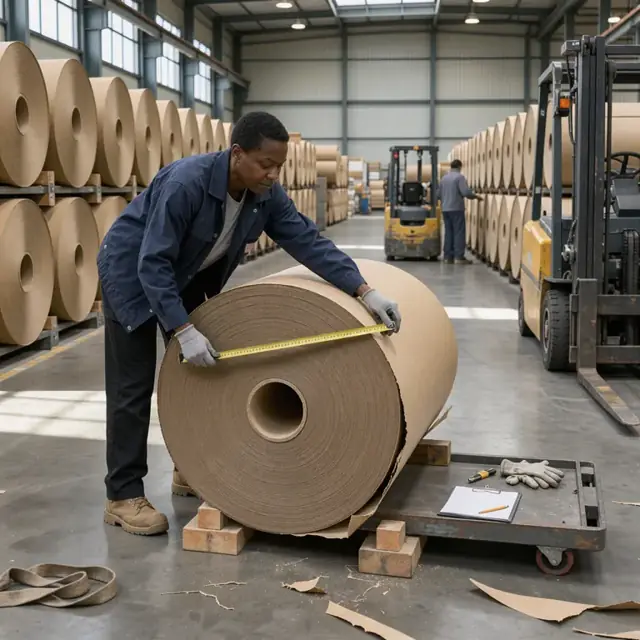
Calculate exact paperboard, ink and supply needs and maintain appropriate stock levels.
Works in: Ambitious Sheets, Ambitious Tasks · Workflows: Material purchasing and inventory
Automates
- Breaks down each job into raw material requirements
- Subtracts current inventory from needs
- Drafts purchase orders by supplier
- Tracks mill roll and sheet stock levels
- Monitors usage and waste trends
Stops for a person
- The owner approves all purchases and spends
- The production manager confirms material substitutions
Production Scheduler
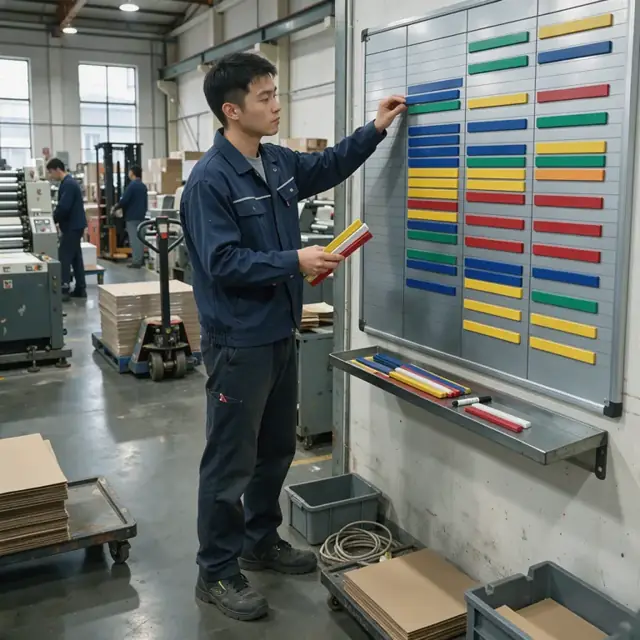
Create efficient daily and weekly schedules across presses, cutters and finishing equipment.
Works in: Ambitious Tasks, Ambitious Sheets · Workflows: Production scheduling and capacity
Automates
- Sequences jobs by equipment and due dates
- Calculates makeready and run times
- Balances workload across multiple machines
- Highlights capacity conflicts
- Generates the weekly production board
Stops for a person
- The production manager approves the final schedule
- The owner sets priorities for rush orders

Quality Verifier
Run first-article checks and record quality measurements for each production run.
Works in: Ambitious Tasks, Ambitious Docs, Ambitious Sheets · Workflows: Job production and quality control
Automates
- Generates the job-specific quality checklist
- Records print registration, score depth and glue tests
- Compares measurements against customer tolerances
- Flags any out-of-spec samples for review
- Maintains the digital job traveler
Stops for a person
- A person performs the physical first-article inspection
- The production supervisor signs off on each approved run
- The owner reviews any deviations
Shipping Coordinator
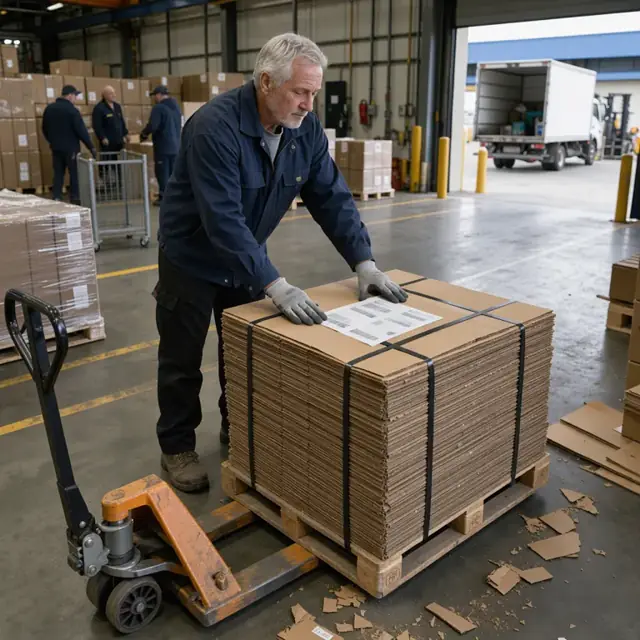
Prepare accurate shipping documents, labels and carrier instructions for completed orders.
Works in: Ambitious Tasks, Ambitious Docs, Ambitious Sheets · Workflows: Shipping, labeling and dispatch
Automates
- Calculates pallet counts and stacking patterns
- Generates labels, packing lists and bills of lading
- Drafts carrier notifications and pickup requests
- Closes the job and updates inventory records
Stops for a person
- The warehouse lead verifies physical pallet counts
- The owner approves any special freight arrangements
- A person releases the final documents to the carrier

Compliance Clerk
Assemble and track all required material certificates, test reports and customer-specific declarations.
Works in: Ambitious Docs, Ambitious Tasks, Ambitious Sheets · Workflows: Compliance and certification paperwork
Automates
- Pulls material and test records for each job
- Generates the required declarations and certificates
- Tracks renewal dates for inks, board and adhesives
- Organizes audit-ready folders by customer
- Warns before any certification approaches expiration
Stops for a person
- The owner confirms which regulatory requirements apply to each order
- A person reviews and signs all outgoing compliance documents
- People handle any third-party testing or audits
Workflows
Order intake and specification review
Starts when: A customer submits a purchase order, drawing or request for quote
- Capture all dimensions, material grade, flute type, print colors, coatings and quantity
- Compare specifications against existing tooling and capabilities
- Draft a quotation with lead time and price for approval
- Create a job folder with all customer files and notes
- Flag any missing information for immediate follow-up
Watch for: Exact match to customer-supplied drawings is required; Food-contact or regulatory requirements must be noted at intake
Artwork and die-line preparation
Starts when: After order confirmation and receipt of final artwork
- Review supplied artwork for printability and trapping
- Create or adjust the die-line to match structural specs
- Generate a proof with color targets and fold marks
- Route the proof for customer approval
- Release approved files to plate-making and die shop
Watch for: Multiple rounds of proofing are common before release; Die-lines must be precise to avoid costly cutting errors
Material purchasing and inventory
Starts when: After artwork approval and weekly for open orders
- Explode job requirements into liner, medium, ink, coating and glue quantities
- Check against current sheet stock and roll inventory
- Draft purchase orders for paperboard, inks and supplies
- Maintain minimum stock levels for common grades and sizes
- Track incoming mill rolls and sheet shipments
Watch for: Paperboard is ordered in mill minimums that affect cash flow; Moisture content and sheet quality vary by supplier
Production scheduling and capacity
Starts when: After all approvals and material availability confirmed
- Sequence jobs by press, die cutter and gluer availability
- Account for makeready, wash-up and changeover times
- Assign run quantities and target completion dates
- Use the construction scheduler to balance across equipment
- Flag any capacity conflicts for owner review
Watch for: Large format jobs tie up equipment for full shifts; Seasonal demand spikes for retail packaging
Job production and quality control
Starts when: At the start of each scheduled production run
- Pull approved die and plates to the line
- Run first-article samples and perform print, score and glue checks
- Record measurements for registration, caliper and compression
- Produce the full order once samples are approved
- Move finished goods to staging area with job traveler
Watch for: Each job requires a signed first-article approval; Scrap and setup waste must be tracked by job
Shipping, labeling and dispatch
Starts when: When production run is complete and goods are staged
- Generate pallet patterns and load counts
- Create shipping labels, packing lists and bills of lading
- Schedule carrier pickup or customer freight
- Record shipment details and send proof of delivery
- Update inventory and close the job in the system
Watch for: Special handling for printed or coated goods to prevent damage; Export orders require additional documentation
Compliance and certification paperwork
Starts when: With each new customer requirement and on renewal dates
- Assemble material certificates and test reports for the job
- Generate food-contact or performance declarations
- Track certification renewal dates for inks, adhesives and board
- File job-specific test results and owner approvals
- Prepare audit-ready folders when requested
Watch for: Different customers require different test protocols; The owner confirms which certifications apply to each order
Bot templates for this industry
Source: U.S. Small Business Administration, Office of Size Standards, Table of Small Business Size Standards Matched to North American Industry Classification System Codes, version March 2023 (effective 2023-03-17, NAICS 2022). Size standards are shown for reference only.