

Paper Bag and Coated and Treated Paper Manufacturing
Manufacturers produce paper bags, coated paper, treated paper and related converted products. For a plant that runs custom orders for printed paper bags, wax-coated wrappers and laminated roll stock, the specialists turn customer specifications into production-ready jobs, schedule press and converting runs, manage roll and ink inventory, track die and plate assets, generate shipping labels and maintain coating and safety documentation. Recipes for coatings, ink mixes and treatment parameters stay with the production manager.
What makes this business different
- Custom specifications for size, print design, paper weight, coatings, laminations and treatments that must match the customer's exact requirements
- Job tickets that combine multiple processes such as printing, coating, laminating, die-cutting and bag-making in sequence
- Roll stock inventory with parent rolls, slit widths, core sizes and remaining footage tracked precisely
- Plate, die and cylinder assets that must be stored, cleaned and scheduled for reuse
- Regulatory paperwork for food-contact materials, heavy-metal inks, VOC emissions and wastewater from coatings
- Seasonal spikes in demand for retail bags, food-service wraps and shipping materials
- Quality checks for print registration, coating weight, seal strength and treat levels on every run
- Finished goods that are palletized, labeled and staged for truckload or LTL shipment
Specialist bots

Job Ticket Engineer
Convert customer specifications into complete, press-ready production job tickets.
Works in: Ambitious Docs, Ambitious Tasks, Contract Analyzer · Workflows: Order to job ticket conversion
Automates
- Reads incoming purchase orders and specification files
- Extracts dimensions, materials, print requirements and finishing steps
- Calculates material usage and flags missing information
- Assembles the full job ticket with all parameters
- Routes the ticket for production manager approval
Stops for a person
- Production manager reviews and approves every job ticket before scheduling
- Any deviation from customer artwork or substrate must be confirmed by a person
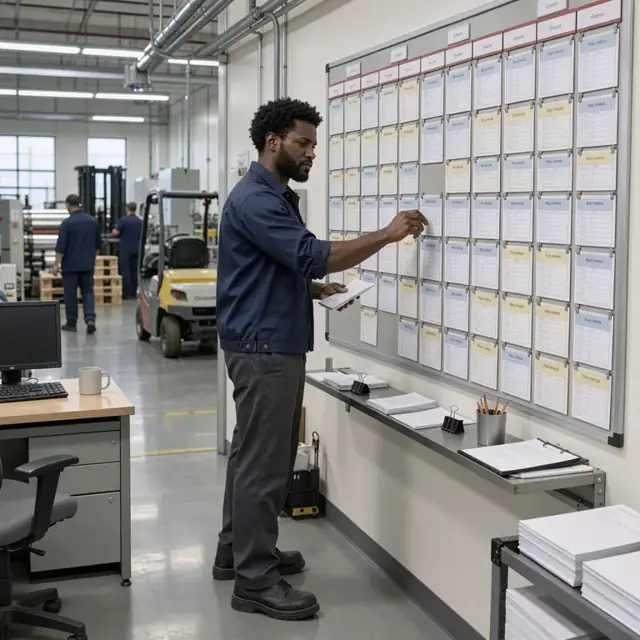
Press and Converting Scheduler
Sequence all printing, coating and converting jobs to maximize equipment utilization and minimize changeovers.
Works in: Ambitious Tasks, Ambitious Sheets · Workflows: Press and converting schedule
Automates
- Sequences approved job tickets by machine and due date
- Groups similar jobs to reduce wash-ups and setup time
- Inserts maintenance and cleaning blocks
- Generates daily shift packets with job tickets and specifications
- Adjusts schedule when jobs are added or delayed
Stops for a person
- Production manager approves the final weekly schedule
- Press operators confirm feasibility of the posted sequence

Roll and Consumables Inventory Manager
Maintain accurate stock of paper rolls, inks, coatings and adhesives and generate timely purchase needs.
Works in: Ambitious Sheets, Ambitious Tasks, Process Optimizer · Workflows: Roll stock and consumables inventory
Automates
- Calculates exact roll footage, ink and chemical requirements from job tickets
- Subtracts current inventory and flags low stock
- Creates purchase requisitions sorted by supplier
- Tracks partial rolls and suggests them for future jobs
- Logs consumption and waste after each run
Stops for a person
- Purchasing staff place all orders and negotiate with suppliers
- Inventory counts are verified by a person during cycle counts

Plate Die and Cylinder Clerk
Track, store and prepare printing plates, cutting dies and cylinders for each production run.
Works in: Ambitious Tasks, Ambitious Sheets, Ambitious Docs · Workflows: Printing plate, die and cylinder management
Automates
- Records new plates and dies with job history
- Assigns and updates storage locations
- Pulls and stages assets for upcoming jobs
- Schedules cleaning and inspection cycles
- Flags assets that need replacement
Stops for a person
- Press operators verify plates and dies before mounting
- The maintenance lead approves any refurbishment or disposal

Quality and Compliance Clerk
Generate daily quality checklists, record test results and maintain material traceability and environmental logs.
Works in: Ambitious Tasks, Ambitious Sheets, Ambitious Docs · Workflows: Quality checks and regulatory documentation
Automates
- Creates run-specific quality and test checklists
- Logs lab results and sample data
- Maintains lot traceability for food-contact materials
- Tracks VOC, solvent and wastewater volumes
- Flags any test results outside owner-defined limits
Stops for a person
- Quality technician performs all physical tests and confirms recorded values
- The compliance officer reviews and signs all regulatory reports
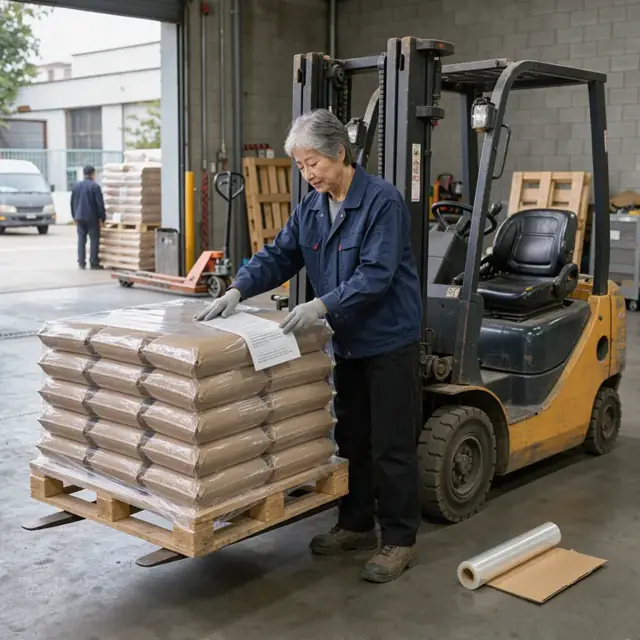
Shipping and Labeling Coordinator
Prepare finished goods labels, packing lists and shipment documentation for outbound trucks.
Works in: Ambitious Tasks, Ambitious Docs, Ambitious Sheets · Workflows: Finished goods labeling and shipment preparation
Automates
- Generates GS1- case and pallet labels
- Creates customer-specific packing lists and bills of lading
- Groups shipments by carrier and service level
- Drafts advance shipment notices for approval
- Updates warehouse locations after palletizing
Stops for a person
- Warehouse staff verify label accuracy and pallet counts before loading
- The shipping lead approves all carrier documents before release

Maintenance and Downtime Coordinator
Schedule preventive maintenance on presses and converting equipment and track all downtime events.
Works in: Ambitious Tasks, Ambitious Sheets, Process Optimizer · Workflows: Preventive maintenance and downtime tracking
Automates
- Builds preventive maintenance calendars based on run hours and impressions
- Creates work orders for lubrication, blade changes and inspections
- Records unplanned downtime reasons and duration
- Tracks spare parts usage and reorder points
- Forecasts upcoming maintenance windows
Stops for a person
- Maintenance technicians perform and sign off on all repairs
- Production manager approves any schedule changes caused by maintenance
Workflows
Order to job ticket conversion
Starts when: A customer purchase order or specification sheet arrives by email or portal
- Parse size, quantity, paper grade, print colors, coatings, treatments and special finishes
- Check against available substrates, current plate inventory and press capabilities
- Calculate required roll footage, ink volume and coating usage
- Draft the production job ticket with all specifications
- Route the job ticket for final review before scheduling
Watch for: Exact match of customer artwork and color standards is required; Food-contact or medical-grade orders trigger additional material certifications
Press and converting schedule
Starts when: Approved job tickets and weekly capacity review
- Sequence jobs by press, coating line or bag machine availability
- Group similar substrates, ink sets and treatment levels to minimize changeovers
- Insert required wash-ups, plate changes and die setups into the schedule
- Reserve time for quality sampling and test runs
- Publish the daily schedule and send shift start packets
Watch for: Press makeready time varies significantly with color count and coating type; Certain coatings require specific curing or drying intervals before next process
Roll stock and consumables inventory
Starts when: After each job is scheduled and on a weekly cadence
- Explode job requirements into parent roll, ink, coating chemical and adhesive needs
- Subtract current inventory and in-transit shipments
- Generate purchase requisitions for paper, ink and chemicals
- Track remaining linear feet on each roll and flag partial rolls for reuse
- Log usage and waste from each run
Watch for: Paper rolls must be stored at correct humidity and temperature; Certain coatings and adhesives have limited shelf life
Printing plate, die and cylinder management
Starts when: Job completion and new plate orders
- Record creation or arrival of new plates, dies and cylinders
- Assign storage locations and cleaning status
- Link assets to upcoming jobs and pull them for press setup
- Schedule inspection and refurbishment on a usage cycle
- Retire or return worn plates and dies
Watch for: Plates and dies are expensive and easily damaged if mishandled; Registration pins and cylinder specifications must match each press
Quality checks and regulatory documentation
Starts when: Start of each production run and on a daily basis
- Generate run-specific quality checklist including print registration, coat weight, seal strength and surface treat test
- Record lab results from samples taken at press side
- Maintain batch records for food-contact materials and ink lot traceability
- Log wastewater, solvent and VOC usage for environmental reporting
- Flag any out-of-specification material for rework or quarantine
Watch for: Different end-use markets require different test methods and retention periods; Coating and treatment parameters must be verified with calibrated instruments
Finished goods labeling and shipment preparation
Starts when: Completion of converting and palletizing
- Generate case and pallet labels with product description, lot number, quantity and barcodes
- Create packing lists and bills of lading
- Group orders by customer and carrier requirements
- Draft advance shipment notices
- Record pallet locations in the warehouse
Watch for: Many customers require specific label formats and GS1 barcodes; Hazardous or food-grade pallets need segregated storage and special markings
Preventive maintenance and downtime tracking
Starts when: Scheduled maintenance windows and after each major run
- Create preventive maintenance tasks for presses, coaters, slitters and bag machines
- Record meter readings and parts replaced
- Track unplanned downtime and reasons
- Forecast next service dates based on hours and impressions
- Notify when spare parts inventory needs replenishment
Watch for: Certain machines require specialized technicians and long lead-time parts; Production schedule must accommodate maintenance without missing delivery dates
Bot templates for this industry
Source: U.S. Small Business Administration, Office of Size Standards, Table of Small Business Size Standards Matched to North American Industry Classification System Codes, version March 2023 (effective 2023-03-17, NAICS 2022). Size standards are shown for reference only.