

Sanitary Paper Product Manufacturing
Sanitary paper product manufacturers convert jumbo parent rolls into finished paper towels, toilet paper, facial tissue, napkins and related goods on high-speed converting lines. For a plant that takes distributor orders with custom sheet counts, ply, embossing and packaging, the specialists turn orders into line schedules, schedules into parent-roll and material needs, output into case and pallet plans, test results into traceability records, and shipments into carrier loads. Embossing patterns, perforation specs, quality-test protocols and pricing stay with the production manager.
What makes this business different
- Customer-specific product specifications for sheet count, ply, perforation, embossing pattern, core size, wrapper and case format that must be followed exactly
- High-volume continuous converting lines that run with scheduled changeovers, minimal downtime and frequent blade or die swaps
- Parent rolls of varying basis weights, widths and grades that must be matched precisely to each job
- Finished case and pallet configurations that differ for retail, foodservice and janitorial distributors
- In-process quality testing for tensile strength, absorbency, brightness and defects at set intervals with lot traceability
- Inventory of parent rolls, cores, wrappers, cases and pallets managed with FIFO rotation, humidity control and waste tracking
- Regulatory paperwork including lot traceability records, safety data sheets, emissions logs and waste manifests
- Seasonal demand spikes for paper towels and facial tissue around holidays and flu season
- Repeat distributor customers with blanket orders and precise just-in-time delivery windows
Specialist bots

Order Reviewer
Turn every incoming customer order into a verified production-ready specification record.
Works in: Ambitious Tasks, Ambitious Docs, Contract Analyzer · Workflows: Order intake and specification review
Automates
- Reads purchase orders and release notices
- Extracts exact product specifications and packaging details
- Checks against approved standards and line capabilities
- Flags any missing or conflicting requirements
- Creates the master order record
- Drafts order acknowledgments
Stops for a person
- Production manager approves any non-standard specifications
- Sales confirms pricing and special testing requests
- A person sends order acknowledgments
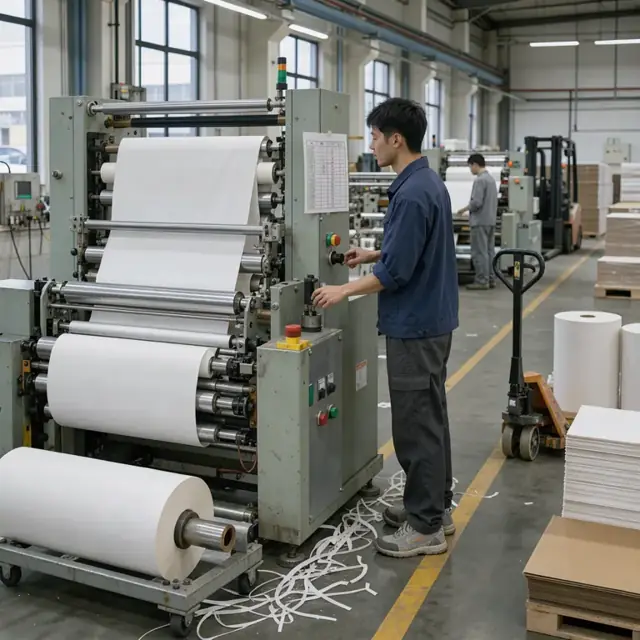
Converting Line Scheduler
Create efficient daily and weekly schedules for all converting lines while minimizing changeovers.
Works in: Ambitious Sheets, Ambitious Tasks · Workflows: Converting line scheduling
Automates
- Groups similar orders to reduce setup time
- Assigns appropriate parent rolls and materials
- Calculates expected run times and changeover windows
- Produces the rolling schedule
- Updates schedule when orders are completed or priorities change
Stops for a person
- Production manager approves the final daily schedule
- Operators confirm line readiness before start
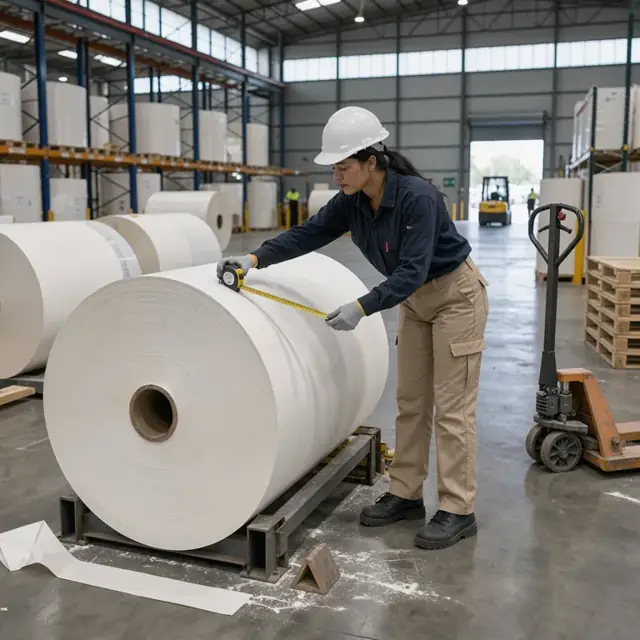
Parent Roll Planner
Forecast and order parent rolls, cores and packaging materials to match the production schedule.
Works in: Ambitious Sheets, Ambitious Tasks, Process Optimizer · Workflows: Parent roll and supply ordering
Automates
- Calculates exact parent roll needs by grade and width
- Subtracts current inventory and incoming shipments
- Drafts purchase orders by supplier
- Maintains safety stock levels and tracks waste
- Alerts when lead times are at risk
Stops for a person
- Purchasing manager places and approves all supplier orders
- Any substitution of material grade requires production approval

Quality Testing Clerk
Generate testing checklists, record results and maintain lot traceability for every production run.
Works in: Ambitious Tasks, Ambitious Sheets, Ambitious Docs · Workflows: In-process quality testing and logging
Automates
- Creates product-specific testing checklists
- Logs tensile, absorbency and visual inspection results
- Flags any results outside expected ranges
- Maintains digital traceability from parent roll to finished case
- Prepares data for customer certificates
Stops for a person
- Quality manager reviews and signs off on all out-of-spec results
- Laboratory personnel perform calibration and actual testing
- A person confirms final test reports before release
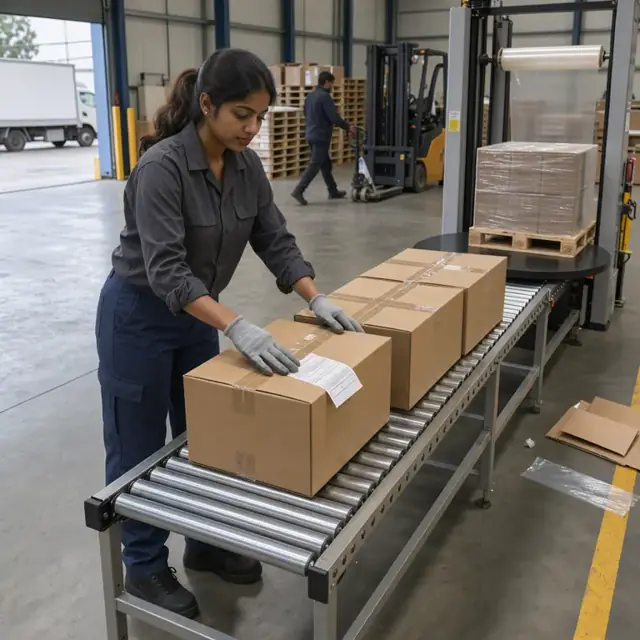
Packaging and Pallet Coordinator
Convert finished production into correct case counts, labels, pallet patterns and shipping manifests.
Works in: Ambitious Tasks, Ambitious Sheets, Ambitious Docs · Workflows: Case packing and pallet configuration
Automates
- Calculates case and pallet quantities from roll counts
- Generates case labels with lot and barcode data
- Creates customer-specific pallet patterns
- Produces advanced shipping notices
- Records yield and waste data
Stops for a person
- Warehouse supervisor verifies pallet configurations before wrapping
- A person performs final label and count verification

Shipping Dispatcher
Group completed orders, prepare shipping documents and coordinate carrier pickups.
Works in: Ambitious Tasks, Ambitious Docs, Email Buckets · Workflows: Outbound shipping and carrier coordination
Automates
- Groups orders by carrier and destination
- Prepares bills of lading and carrier labels
- Drafts pickup requests and advanced shipping notices
- Tracks shipment status and proof of delivery
- Updates customers on shipment progress
Stops for a person
- Logistics manager approves carrier selection and rates
- Warehouse team confirms load accuracy before truck departure
- A person sends all external communications

Maintenance and Compliance Clerk
Track preventive maintenance schedules, generate checklists and monitor regulatory paperwork deadlines.
Works in: Ambitious Tasks, Ambitious Sheets, Ambitious Docs · Workflows: Equipment maintenance and regulatory paperwork
Automates
- Generates daily operator maintenance checklists
- Tracks blade changes, die inspections and lubrication
- Monitors permit, insurance and certification renewal dates
- Maintains emissions and waste logs
- Keeps safety data sheets current by product
Stops for a person
- Maintenance manager schedules and signs off on all repairs
- Environmental manager confirms which regulatory requirements apply
- All filings and certifications are performed by people
Workflows
Order intake and specification review
Starts when: A customer submits a purchase order, blanket release or new quote request
- Capture product type, sheet count, ply, emboss pattern, core size, wrapper, case format and label requirements
- Verify specifications against approved product standards and current line capabilities
- Confirm quantity, due date, carrier preferences and any special testing needs
- Check credit terms and payment status
- Create a production-ready order record with all exact parameters
- Draft order acknowledgment for review
Watch for: Exact match to customer artwork or private-label requirements is mandatory; Any deviation from standard specifications must be approved before scheduling
Converting line scheduling
Starts when: Daily at the start of each shift and after every order completion
- Review open orders by due date and product family
- Group similar specifications to minimize changeovers on each converting line
- Assign appropriate parent rolls, cores, wrappers and packaging materials
- Calculate run times, expected output and required changeover windows
- Generate the rolling schedule and share with operators
- Flag any capacity or material conflicts
Watch for: Changeover time varies significantly by product family; Line speeds differ by product type and parent-roll grade
Parent roll and supply ordering
Starts when: Weekly and when inventory drops below reorder point
- Explode the production schedule into parent-roll requirements by grade, width and basis weight
- Subtract current stock, in-transit rolls and safety stock
- Draft purchase orders for parent rolls, cores, packaging and pallets by supplier
- Track supplier lead times and incoming shipment status
- Update inventory projections and flag any shortages
Watch for: Parent rolls are heavy, expensive and must be stored under controlled humidity; Certain specialty grades have long lead times
In-process quality testing and logging
Starts when: Every roll change and at set production intervals
- Generate the testing checklist for each product code including tensile, absorbency, brightness and visual defect checks
- Record test results from lab equipment and operator entries
- Flag any out-of-spec results for immediate review
- Maintain lot traceability from parent roll through finished cases
- Prepare data for customer certificates of analysis
Watch for: Testing frequency is dictated by product type and customer requirements; All test equipment must be calibrated on a fixed schedule
Case packing and pallet configuration
Starts when: After each converting run is complete
- Confirm finished roll counts and convert to exact case quantities
- Generate case labels with product code, lot number, count and barcodes
- Build pallet patterns specific to each SKU and customer
- Create shipment manifests and advanced shipping notices
- Record production yield, waste and any defects for each run
Watch for: Retail and foodservice customers require different case and pallet heights; Pallet patterns must be stable for forklift and truck transport
Outbound shipping and carrier coordination
Starts when: When pallets are ready for shipment or per customer pickup window
- Group completed orders by carrier, region and delivery window
- Prepare bills of lading, shipping labels and load sequences
- Coordinate pickup times with carriers
- Track shipments and record proof of delivery
- Draft customer status updates
Watch for: Many shipments are truckload or less-than-truckload with specific loading sequences; Temperature and humidity during transit can affect product quality
Equipment maintenance and regulatory paperwork
Starts when: Daily, weekly and on fixed preventive-maintenance dates
- Generate daily operator maintenance checklists for converting lines
- Track preventive maintenance, blade changes, die inspections and lubrication
- Monitor emissions logs, waste manifests and other regulatory paperwork
- Alert before permits, insurance or testing certifications are due
- Keep safety data sheets and product specification files current
Watch for: Converting equipment requires frequent blade and anvil changes; Local, state and federal rules for paper manufacturing waste and emissions must be followed
Bot templates for this industry
- Sanitary Paper Product Manufacturing (7 bots)
Source: U.S. Small Business Administration, Office of Size Standards, Table of Small Business Size Standards Matched to North American Industry Classification System Codes, version March 2023 (effective 2023-03-17, NAICS 2022). Size standards are shown for reference only.