

All Other Converted Paper Product Manufacturing
All other converted paper product manufacturers produce custom or short-run paper goods such as gift wrap, tissue packs, paper bags, party decorations, paper tableware and specialty envelopes from rolls or sheets. For a shop that takes custom orders for printed and folded items and ships weekly, the specialists turn customer requests into production-ready specs, specs into a cutting and printing schedule, schedule into material orders and finished-goods inventory, and orders into shipping labels and reorders. Die lines, print files and safety data sheets stay with the owner-operator.
What makes this business different
- Custom specifications for size, paper stock, print design, folds, perforations and finishes that must match the customer's artwork or sample exactly
- Weekly production runs with order cutoff before each print-and-fold day
- Batch processing of similar jobs to minimize setup and waste on shared equipment
- Raw material inventory including parent rolls, inks, adhesives and coatings purchased on a just-in-time basis with minimum order quantities
- Die cutting, scoring, folding, gluing and packaging steps with equipment changeover tracking
- Compliance with packaging and labeling regulations, material safety data sheets, and waste disposal logs for inks and solvents
- Repeat business customers who reorder seasonal designs, branded packaging and promotional items
Specialist bots

Order Taker
Turn every custom paper-product request into a confirmed, production-ready specification.
Works in: Ambitious Tasks, Ambitious Docs, Email Buckets · Workflows: Order intake and specification
Automates
- Reads incoming order messages, forms and attached artwork
- Extracts dimensions, paper grade, colors, folds and finishing details
- Checks against equipment capabilities and next run date
- Drafts the order confirmation
- Creates the production task with full specifications
Stops for a person
- The operator approves non-standard materials or artwork issues
- Printability questions are escalated to the operator
- A person sends final confirmations and handles payment
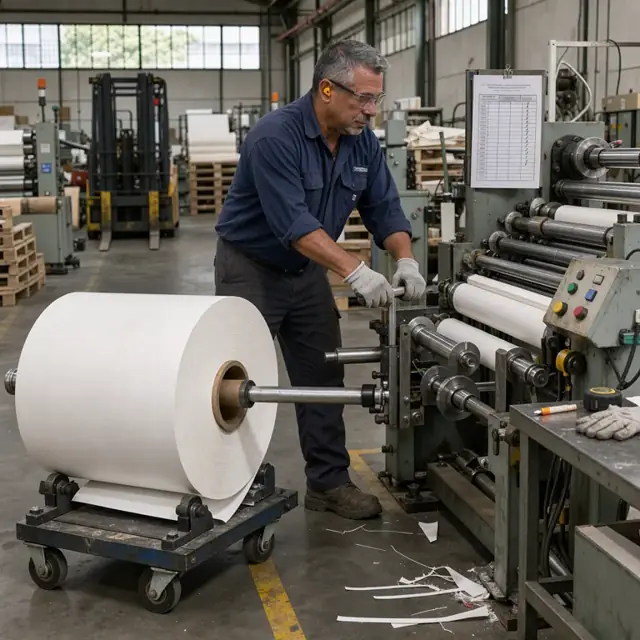
Production Batch Scheduler
Turn each weekly order list into a sequenced equipment schedule and job tickets.
Works in: Ambitious Tasks, Ambitious Docs, Process Optimizer · Workflows: Production batch scheduling
Automates
- Groups orders by paper stock and die type
- Builds the hour-by-hour schedule for cutting through packing
- Sequences high-tolerance jobs first
- Generates printed job tickets with all specifications
Stops for a person
- The operator can reorder or adjust the schedule
- Final job tickets are reviewed by a person before release to the floor
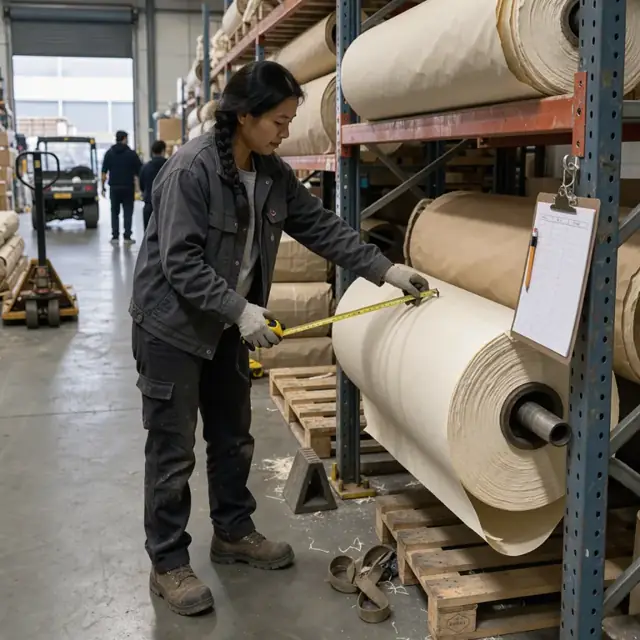
Material Buyer
Convert the production schedule into purchase orders and maintain stock levels for paper, ink and supplies.
Works in: Ambitious Sheets, Ambitious Tasks · Workflows: Raw material purchasing and inventory
Automates
- Calculates required paper, ink and adhesive quantities
- Subtracts current inventory from the bill of materials
- Drafts purchase lists by supplier
- Tracks roll waste and minimum order quantities
Stops for a person
- The owner places all material orders and approves spending
- Any material substitution that affects quality must be approved by the operator
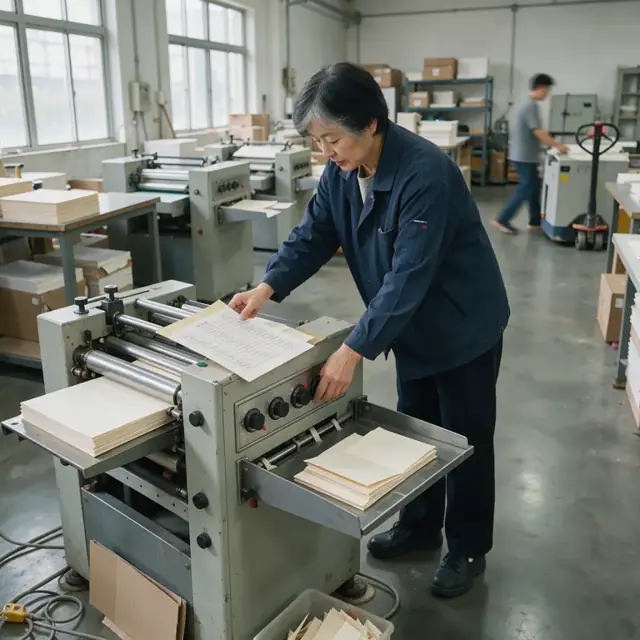
Capacity Planner
Forecast weekly production volume, identify equipment bottlenecks and recommend run limits.
Works in: Process Optimizer, Ambitious Sheets, Ambitious Tasks · Workflows: Equipment capacity planning
Automates
- Compares incoming orders to available press time and die capacity
- Suggests maximum quantities per run
- Maps the full production sequence and flags the longest step
- Recommends grouping changes to reduce setup time
Stops for a person
- The owner sets final production limits and approves schedule changes

Shipping Coordinator
Prepare finished goods for shipment, generate labels and track each delivery.
Works in: Ambitious Tasks, Ambitious Docs · Workflows: Shipping and labeling
Automates
- Groups completed orders by customer and carrier
- Creates carton labels with contents and handling notes
- Drafts carrier manifests and tracking labels
- Prepares shipment-ready notifications
Stops for a person
- The operator inspects packed goods before labeling
- A person approves all shipping documents before release
- The driver or carrier handles actual transport exceptions

Customer Reorder Host
Thank customers after shipment, gather feedback and prompt repeat orders for seasonal or standing items.
Works in: Ambitious Tasks, Ambitious Docs, Email Buckets · Workflows: Customer follow-up and reorders
Automates
- Drafts post-shipment thank-you and feedback messages
- Remembers customer preferences for paper, colors and sizes
- Drafts reorder reminders and seasonal promotion text
Stops for a person
- The owner reviews and approves every customer message before sending
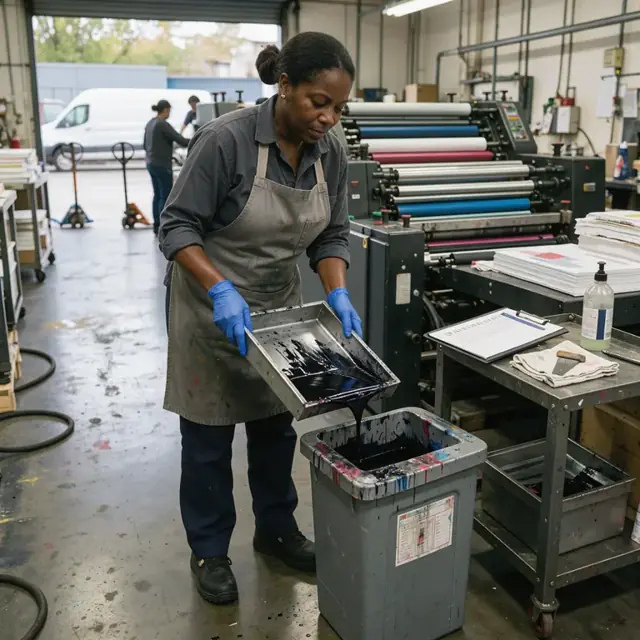
Compliance and Safety Clerk
Maintain production-run safety checklists, usage logs and track expiration of permits and data sheets.
Works in: Ambitious Tasks, Ambitious Docs, Ambitious Sheets · Workflows: Regulatory and safety recordkeeping
Automates
- Generates daily equipment and waste-disposal checklists
- Records ink, solvent and material usage from operator input
- Tracks renewal dates for permits, insurance and safety data sheets
- Keeps material specification records aligned with current inventory
Stops for a person
- The owner confirms which local regulatory requirements apply
- All inspections, corrective actions and filings are performed by people
- The bot never certifies compliance
Workflows
Order intake and specification
Starts when: A customer submits a request by email, form, drawing or sample photo
- Capture exact dimensions, paper grade, print colors, quantity, folds, perforations and finishing requirements
- Check the order against available dies, equipment capabilities and current production schedule
- Confirm ship date against the next production run and cutoff
- Record artwork status and payment terms
- Create one production-ready order task with die-line and print specifications
Watch for: Artwork or samples must be reviewed for printability before acceptance; Late orders roll to the next run unless the operator approves overtime
Production batch scheduling
Starts when: Order cutoff for each weekly production run
- Lock the order list for the run
- Group jobs by paper stock, ink set and die type to minimize changeovers
- Build a timed schedule for cutting, printing, scoring, folding, gluing and packing
- Flag rush or high-tolerance jobs to run first on clean equipment
- Generate job tickets with specifications, quantities and quality checkpoints
Watch for: Press and die capacity limit the number of jobs per run; Color matching and registration requirements dictate sequence
Raw material purchasing and inventory
Starts when: After cutoff and monthly
- Explode the production schedule into a bill of materials by job
- Subtract current stock from parent rolls, inks and adhesives
- Draft purchase orders by supplier for paper, ink and packaging supplies
- Track minimum order quantities and reorder points for each stock item
- Log waste, trim and leftover roll weights
Watch for: Paper is purchased in parent rolls that must be slit to size; Solvent and ink purchases require safety data sheet updates
Equipment capacity planning
Starts when: Weekly before scheduling
- Compare forecasted orders to press hours, die availability and drying capacity
- Suggest maximum order volume per production run
- Use the Process Optimizer to identify the longest setup or run-time bottleneck
- Recommend adjustments to grouping or sequencing
Watch for: Small shop floor space and single-operator equipment create tight capacity windows
Shipping and labeling
Starts when: After production run completion
- Generate carton labels with customer name, contents, quantity and handling instructions
- Group finished goods by customer and shipping method
- Draft shipping manifests and carrier labels
- Create 'ready to ship' notifications for approval
- Record any damage, shortages or quality notes
Watch for: Fragile folded or printed items require specific packing materials; Certain customers require custom barcodes or compliance markings
Customer follow-up and reorders
Starts when: One week after shipment and on seasonal cadence
- Draft thank-you and quality feedback request
- Remind repeat customers when their seasonal or standing order is due
- Update customer preferences for stock, colors and finishes
- Draft promotional offers for upcoming holidays or events
Watch for: All outbound messages require owner approval before sending
Regulatory and safety recordkeeping
Starts when: Every production run and on renewal dates
- Generate daily checklist for equipment lockout, solvent handling and waste disposal
- Log ink and solvent usage from operator entries
- Track expiration dates for permits, insurance and safety data sheets
- Maintain current material specification sheets for each paper and ink type
Watch for: Local air-quality and waste rules differ by jurisdiction; The operator confirms which regulatory requirements apply to each material
Bot templates for this industry
Source: U.S. Small Business Administration, Office of Size Standards, Table of Small Business Size Standards Matched to North American Industry Classification System Codes, version March 2023 (effective 2023-03-17, NAICS 2022). Size standards are shown for reference only.