

Support Activities for Printing
Support activities for printing handle prepress services, plate making, binding, finishing, and specialized print production for commercial printers and publishers. For a shop that receives customer files or orders for die-cutting, foil stamping, laminating, perforating, or binding runs, the specialists turn incoming jobs into preflight-checked specs, schedule press and bindery time, explode jobs into material lists, route jobs through finishing stations, and prepare invoices and delivery. Pricing, press approvals and quality calls stay with the owner-operator.
What makes this business different
- Customer-supplied files in multiple formats that require preflight checks for fonts, color space, bleed, resolution and trapping
- Tight turnaround windows with same-day or next-day finishing for many trade customers
- Equipment scheduling across cutters, laminators, foil stampers, die cutters, folders, stitchers and binding machines
- Inventory of paper stock, inks, foils, laminates, binding supplies and dies with lot tracking and waste percentages
- Job tracking through multiple handoffs with proofing, press checks and quality inspection stations
- Compliance paperwork including ink and chemical logs, waste disposal manifests, and equipment maintenance records
- Repeat trade customers who send standing orders for catalogs, brochures, packaging and direct mail components
Specialist bots

Preflight Technician
Examine every incoming customer file and order to create an accurate, production-ready job ticket.
Works in: Ambitious Tasks, Ambitious Docs, Contract Analyzer · Workflows: Job intake and preflight
Automates
- Reads incoming order messages and attached files
- Runs automated preflight checks on fonts, color space, bleed and resolution
- Flags missing specifications or technical problems
- Builds the complete job ticket
- Drafts confirmation of specifications back to the customer
Stops for a person
- A person reviews and approves all preflight findings before the job is scheduled
- Technical questions about customer intent are answered by the owner
- A person sends all customer communications
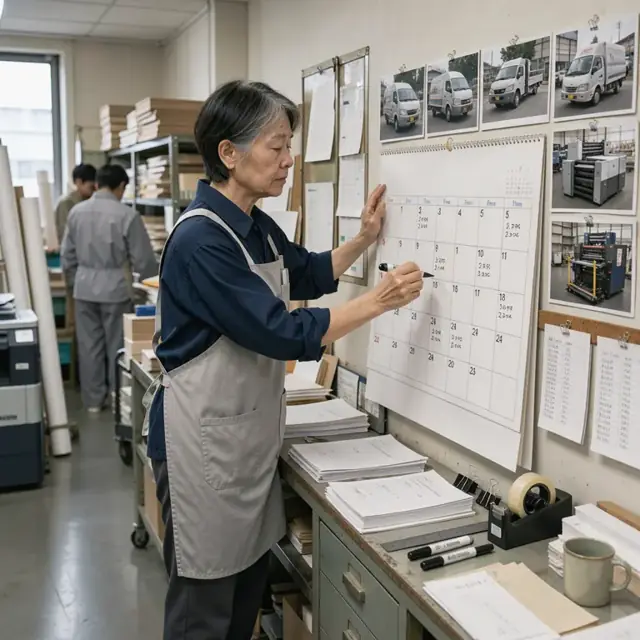
Production Scheduler
Build daily and weekly machine schedules that respect due dates, changeover times and shop capacity.
Works in: Ambitious Tasks, Process Optimizer · Workflows: Production scheduling and capacity
Automates
- Loads new jobs into the master schedule
- Assigns equipment time slots by required operations
- Identifies bottlenecks and suggests alternate routing
- Creates daily station dispatch lists
- Adjusts schedule when jobs report delays
Stops for a person
- The owner sets priority for rush or standing trade customers
- Final daily schedule is confirmed by the shop lead each morning

Materials Coordinator
Convert the production schedule into precise material orders and maintain stock of paper, foils and binding supplies.
Works in: Ambitious Sheets, Ambitious Tasks, Ambitious Docs · Workflows: Materials purchasing and inventory
Automates
- Explodes scheduled jobs into material requirements
- Subtracts current inventory levels and lot numbers
- Drafts purchase lists by supplier
- Tracks waste percentages by material type
- Logs receipt of incoming shipments against specific jobs
Stops for a person
- The owner approves and places all purchases
- Any material substitution that affects quality is confirmed by the owner

Job Router
Track each job through every finishing station and maintain accurate status for the entire shop.
Works in: Ambitious Tasks, Ambitious Docs, Process Optimizer · Workflows: Production routing and tracking
Automates
- Moves jobs to the next station when previous step reports completion
- Updates master schedule with actual times
- Flags quality issues or rework needs
- Maintains digital and physical job jacket information
- Prepares final packing instructions
Stops for a person
- Station operators confirm completion and note any problems
- The owner reviews any job that requires rework

Quality Inspector
Perform standardized checks at each critical production stage and before final shipment.
Works in: Ambitious Tasks, Ambitious Docs, Ambitious Sheets · Workflows: Quality control and inspection
Automates
- Generates job-specific inspection checklists
- Records measurements for registration, color and cut accuracy
- Logs defects and corrective actions
- Creates digital records of inspected samples
- Prepares approval for final packing
Stops for a person
- A person performs the physical measurements and visual checks
- The owner reviews and signs off on all quality records before shipment
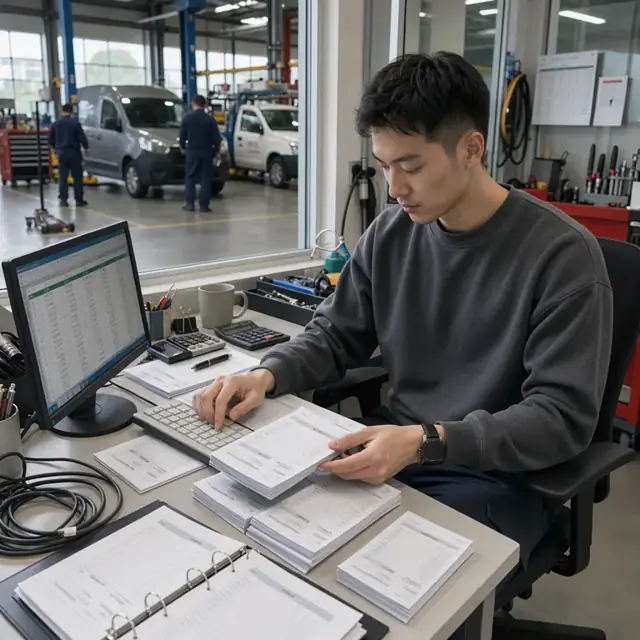
Billing Specialist
Compile actual production data to create accurate invoices and maintain customer pricing records.
Works in: Ambitious Sheets, Ambitious Docs, Ambitious Tasks · Workflows: Invoicing and customer billing
Automates
- Pulls material usage and machine hours from completed job tickets
- Calculates final pricing with any change orders
- Drafts itemized invoices
- Tracks payment status and updates customer records
- Maintains pricing agreements for repeat customers
Stops for a person
- The owner reviews and approves every invoice before it is sent
- A person sends all invoices and follows up on payments

Maintenance and Compliance Clerk
Maintain equipment service schedules, chemical logs and regulatory paperwork for the entire facility.
Works in: Ambitious Tasks, Ambitious Docs, Ambitious Sheets · Workflows: Equipment maintenance and compliance
Automates
- Generates preventive maintenance checklists by machine
- Logs completed maintenance and parts used
- Tracks chemical usage and waste disposal records
- Monitors renewal dates for permits and licenses
- Alerts before scheduled maintenance affects production
Stops for a person
- Technicians perform and document all physical maintenance
- The owner confirms which regulatory requirements apply and reviews all logs
- A person handles all official filings and inspections
Workflows
Job intake and preflight
Starts when: A customer sends a print order or file by email, portal upload or direct message
- Capture job specifications, quantity, substrate, finishing requirements and due date
- Run preflight check on supplied files for resolution, color mode, fonts, bleed and trapping
- Create a job ticket with all specifications and flagged issues
- Confirm pricing against rate sheet and any special materials
- Route the job ticket to scheduling with a clear production spec
Watch for: Files must match exact customer intent without assumptions on missing elements; High-resolution images and vector files require specific handling
Production scheduling and capacity
Starts when: After job intake and daily at shift start
- Load new jobs into the master schedule by due date and equipment needs
- Assign time slots on cutters, presses, laminators, foil machines and bindery equipment
- Balance workload across shifts and identify bottlenecks
- Flag jobs needing customer proof approval before production
- Generate daily dispatch list for each station
Watch for: Equipment changeover times between jobs with different materials; Priority jobs from long-term trade customers must be accommodated
Materials purchasing and inventory
Starts when: After scheduling and on a weekly cadence
- Explode scheduled jobs into paper, ink, foil, laminate and binding supply requirements
- Subtract current inventory and lot numbers
- Draft purchase orders by supplier for stock and special-order items
- Track waste factors by material type and update par levels
- Log incoming shipments against job tickets
Watch for: Paper and substrate must be ordered in exact sizes to minimize waste; Specialty foils and dies are costly and ordered only when jobs are confirmed
Production routing and tracking
Starts when: When a job is ready to move to the next station
- Route the physical job through prepress, printing if needed, die cutting, foiling, laminating, folding and binding
- Record completion and quality notes at each station
- Flag any rework or quality issues for immediate review
- Update the master schedule with actual versus estimated times
- Prepare the job for final inspection and packing
Watch for: Multiple finishing steps in specific sequence for each job type; Physical job jackets must travel with each piece through the shop
Quality control and inspection
Starts when: At key production checkpoints and before shipment
- Generate inspection checklist specific to each job's requirements
- Record measurements for cut accuracy, color match, registration and binding quality
- Document defects and corrective actions taken
- Create digital before-and-after records for customer disputes
- Approve job for final packing and shipment
Watch for: Color-critical jobs require standardized lighting and measurement tools; Sample pieces must be retained for each production run
Invoicing and customer billing
Starts when: When a job reaches final approval and shipment
- Compile actual materials used, machine hours and finishing steps
- Calculate final price including any change orders or rush fees
- Draft invoice with line items and supporting production records
- Send invoice for approval and record payment status
- Update customer records for standing orders and pricing agreements
Watch for: Trade customers often require specific invoice formats and job cost breakdowns; Partial shipments must be billed separately from completed runs
Equipment maintenance and compliance
Starts when: On scheduled intervals and after each major run
- Generate preventive maintenance checklists for each piece of equipment
- Log maintenance performed, parts replaced and chemical usage
- Track waste disposal manifests and environmental logs
- Monitor permit and license renewal dates for presses and hazardous materials
- Alert before maintenance windows impact the production schedule
Watch for: Chemical and solvent logs must be maintained for regulatory review; Maintenance records travel with each machine during inspections
Bot templates for this industry
- Support Activities for Printing (7 bots)
Source: U.S. Small Business Administration, Office of Size Standards, Table of Small Business Size Standards Matched to North American Industry Classification System Codes, version March 2023 (effective 2023-03-17, NAICS 2022). Size standards are shown for reference only.