

Petroleum Refineries
Petroleum refineries receive crude oil by pipeline, barge and rail, process it through atmospheric and vacuum distillation, cracking, reforming and treating units, then blend, store and ship finished fuels, lubricants and petrochemical feedstocks. Specialists turn incoming crude assays and nominations into unit run plans, convert those plans into daily operating targets and blend recipes, track tank inventories and quality specs, schedule maintenance turnarounds, and manage product movements and shipping documentation while operators and engineers remain responsible for all safety-critical decisions, permits and final approvals.
What makes this business different
- Crude oil scheduling and assay-based yield predictions that drive the entire operating plan
- Complex multi-unit operating plans with heat and material balance constraints across crude, vacuum, FCC, hydrocracker, reformer and treating units
- Continuous 24/7 production with strict product quality specifications for gasoline, diesel, jet, asphalt and petrochemicals
- Tank farm inventory management with floating-roof tanks, vapor recovery, blending and line flushing requirements
- Maintenance turnaround planning, permit-to-work systems, lockout-tagout and confined-space entry paperwork
- Product blending, certification and shipping by pipeline, barge, railcar and truck with custody transfer documents
- Regulatory reporting for emissions, benzene, sulfur and wastewater while operators confirm all compliance requirements
- Supplier crude nominations, exchange agreements and customer liftings that must be reconciled weekly
Specialist bots

Crude Scheduler
Convert crude nominations, vessel ETAs and assay data into feasible 30-day run plans.
Works in: Ambitious Sheets, Process Optimizer, Ambitious Tasks · Workflows: Crude nomination and scheduling
Automates
- Matches nominations to tank capacity and pipeline windows
- Runs preliminary yield models from assay data
- Builds the monthly crude slate and tank lineup schedule
- Creates tasks for switch procedures and heel management
Stops for a person
- The operations manager approves the final crude schedule
- Any off-spec crude purchase requires engineering sign-off
- A person confirms all vessel and pipeline nominations

Unit Run Planner
Generate daily operating targets and balanced unit plans from current inventories and constraints.
Works in: Process Optimizer, Ambitious Sheets, Ambitious Tasks · Workflows: Unit run plan and operating target generation
Automates
- Pulls latest tank and lab data
- Calculates cut points, reactor conditions and utility balances
- Flags equipment or catalyst constraints
- Produces the daily operating sheet for each unit
Stops for a person
- Shift supervisors and process engineers review and adjust targets before implementation
- Any change that affects safety systems requires operations approval

Blending Coordinator
Optimize product blend recipes and generate blend orders that meet finished fuel specifications.
Works in: Process Optimizer, Ambitious Sheets, Ambitious Docs · Workflows: Product blending and certification
Automates
- Pulls component tank qualities and inventories
- Runs linear programming blend optimizer
- Generates detailed blend orders and additive injection plans
- Drafts certificates of analysis
Stops for a person
- The blending supervisor approves every blend recipe before starting
- Laboratory confirms final batch quality before release
- A person signs all certificates of analysis

Tank Farm and Inventory Manager
Maintain accurate tank inventories, plan movements and forecast availability for crude and products.
Works in: Ambitious Sheets, Ambitious Tasks, Ambitious Docs · Workflows: Tank farm inventory and movements
Automates
- Updates levels, temperatures and water cuts from gauges and lab data
- Calculates working inventories and heel requirements
- Plans tank-to-tank transfers and pipeline displacements
- Forecasts tank availability for upcoming receipts and shipments
Stops for a person
- Operations verifies all tank measurements and lineups
- The inventory accountant reconciles daily gains and losses
- Any movement involving benzene or high-vapor-pressure products requires additional safety review

Turnaround Planner
Build integrated turnaround schedules, track materials and simulate impact on refinery operations.
Works in: Process Optimizer, Ambitious Sheets, Ambitious Tasks · Workflows: Turnaround and maintenance planning
Automates
- Compiles work scopes and critical path activities
- Builds resource-loaded Gantt schedules
- Simulates inventory and production impacts
- Tracks long-lead items and permit templates
Stops for a person
- The turnaround manager and operations leadership approve the final schedule
- All permit-to-work, lockout and confined-space plans are reviewed by safety personnel
- A person confirms contractor bids and purchase orders

Shipping and Custody Coordinator
Prepare shipping documents, coordinate liftings and close out product movements.
Works in: Ambitious Docs, Ambitious Tasks, Contract Analyzer · Workflows: Product shipping and custody transfer
Automates
- Generates bills of lading and certificates of analysis
- Coordinates with pipeline and marine schedulers
- Tracks demurrage and laytime
- Adjusts inventories after each lifting
Stops for a person
- The loading supervisor confirms product quality and quantity before release
- All custody transfer documents are signed by authorized personnel
- The accounting team approves final reconciliation
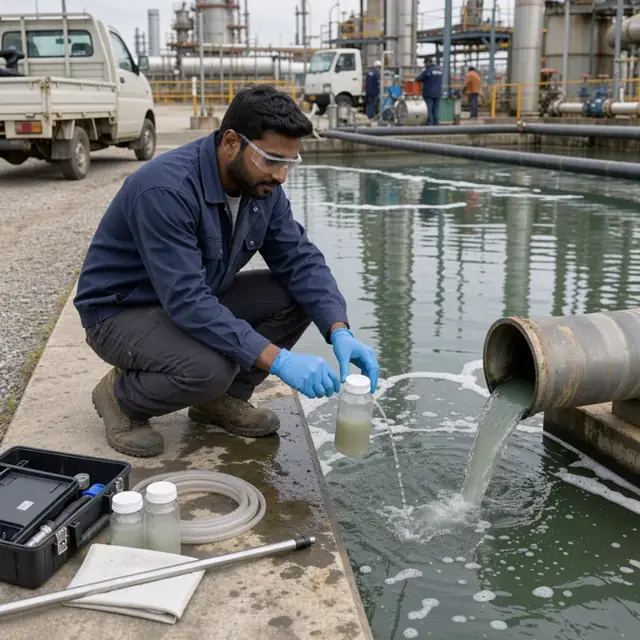
Regulatory Compliance Clerk
Collect process data, draft emissions and discharge reports, and track permit renewal dates.
Works in: Ambitious Sheets, Ambitious Docs, Ambitious Tasks · Workflows: Regulatory and emissions tracking
Automates
- Compiles daily flare, sulfur and wastewater data
- Drafts monthly and quarterly regulatory reports
- Tracks permit and license renewal dates
- Maintains chemical inventory records
Stops for a person
- Environmental engineers review every report before submission
- The refinery manager confirms which requirements apply at this location
- All final filings and certifications are performed by licensed staff
Workflows
Crude nomination and scheduling
Starts when: Monthly nomination window or new crude arrival notice
- Capture incoming crude nominations, vessel ETAs and pipeline schedules
- Match nominated crudes to available storage tanks and assay data
- Run preliminary yield predictions against current unit capacities
- Draft the 30-day crude run plan for engineering review
- Create tasks for tank lining up and crude switch procedures
Watch for: Crude switches require specific tank heel management and line flushing; Assay variability can significantly change unit yields and operating targets
Unit run plan and operating target generation
Starts when: Daily at shift change and after any crude change
- Pull latest tank inventories, crude assays and product quality data
- Generate targets for crude charge, cut points, reactor temperatures, severities and catalyst additions
- Balance hydrogen, steam and utility demands across units
- Flag any constraints from maintenance or catalyst life
- Produce a daily operating sheet for each process unit
Watch for: Heat and material balance must stay within equipment limits; Any change to one unit affects downstream units and blending
Product blending and certification
Starts when: When blend tanks are ready or on customer lifting schedule
- Pull current tank qualities and available component inventories
- Optimize blend recipes to meet finished product specifications
- Generate blend orders and line-up sequences
- Draft certificates of analysis and shipping documents
- Track additives and dye injection requirements
Watch for: Gasoline, diesel and jet must meet strict ASTM, EPA and customer specs; Re-blends are expensive and must be minimized
Tank farm inventory and movements
Starts when: Every shift and after any receipt or shipment
- Update all tank levels, temperatures and water cuts
- Calculate available working inventory by product
- Plan tank-to-tank movements, line displacements and heel management
- Forecast tank availability for incoming crude or product lifts
- Generate daily inventory reconciliation report
Watch for: Floating roof tanks require minimum heel and maximum fill limits; Product interfaces during pipeline movements must be managed
Turnaround and maintenance planning
Starts when: Annual planning cycle and 90 days before each event
- Compile equipment inspection and repair scopes from reliability engineers
- Build integrated schedule for all units and offsites
- Track long-lead materials, contractor bids and permit templates
- Simulate impact on crude runs and product availability
- Produce critical-path Gantt and resource loading
Watch for: Every vessel entry, hot work and confined space activity needs permits; Turnaround must align with product inventory build and customer agreements
Product shipping and custody transfer
Starts when: Customer lift nomination or pipeline schedule confirmation
- Confirm product quality against specification
- Generate bill of lading, certificate of analysis and customs paperwork
- Coordinate with pipeline, barge or rail schedulers
- Track demurrage and laytime
- Close out lifting with inventory adjustment
Watch for: Custody transfer measurements are legally binding; Different customers require different additive packages and documentation
Regulatory and emissions tracking
Starts when: Daily logs, monthly reports and renewal dates
- Collect process data for flare, sulfur recovery, benzene and wastewater reports
- Track permit conditions and upcoming renewal dates
- Draft emissions and discharge summaries
- Maintain chemical inventory and Tier II reporting data
- Flag any deviations for engineering review
Watch for: Local, state and federal rules differ by refinery location; All final reports and certifications are confirmed and filed by licensed staff
Bot templates for this industry
- Petroleum Refineries (7 bots)
Source: U.S. Small Business Administration, Office of Size Standards, Table of Small Business Size Standards Matched to North American Industry Classification System Codes, version March 2023 (effective 2023-03-17, NAICS 2022). Size standards are shown for reference only.