

Petroleum Lubricating Oil and Grease Manufacturing
Plants that blend base oils with additives to produce motor oils, hydraulic fluids, gear lubricants and industrial greases operate on batch or continuous schedules driven by customer orders, distributor forecasts and seasonal demand peaks. Specialists convert incoming orders and forecasts into blend sheets and production schedules, manage base oil and additive inventory with strict FIFO and compatibility rules, generate batch records and certificates of analysis, schedule tank cleaning and line changeovers, handle drum and bulk filling, and prepare shipping papers and waste manifests. All regulatory, safety and quality sign-offs remain with licensed personnel.
What makes this business different
- Precise blending formulas that must be followed exactly to meet viscosity, additive treat rates and performance specifications
- Strict FIFO rotation of base oils and additives with segregation by API group and compatibility to prevent cross-contamination
- Frequent tank and line cleaning between incompatible products with documented flush and purge procedures
- Batch traceability from raw materials through finished product including retain samples and certificate-of-analysis generation
- Bulk tank truck, tote and drum filling with calibrated meters, vapor recovery and spill containment
- Hazardous material labeling, SDS updates, waste-oil disposal manifests and EPA, OSHA and state reporting
- Seasonal demand swings for motor oil in spring and fall and steady industrial grease orders year-round
- Distributor and fleet contracts that require on-time delivery, quality records and audit readiness
Specialist bots

Order Intake Clerk
Convert incoming orders and forecasts into confirmed production tasks with exact specifications.
Works in: Ambitious Tasks, Ambitious Docs, Email Buckets · Workflows: Order and forecast intake
Automates
- Reads purchase orders and forecast files
- Matches product codes to approved formulas
- Checks tank and production availability
- Creates production task with formula link
- Drafts order acknowledgment
Stops for a person
- Production manager approves rush orders and capacity overrides
- Sales confirms any non-standard packaging or specifications
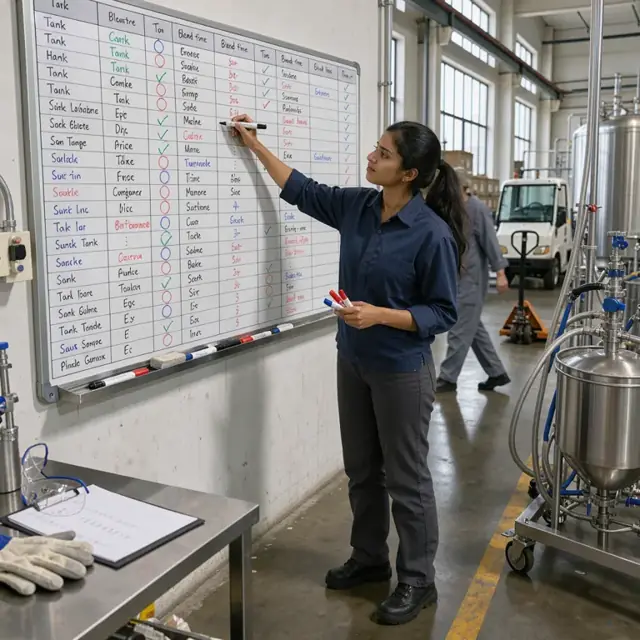
Blend Scheduler
Create daily blend schedules, assign tanks and generate precise blend sheets.
Works in: Ambitious Sheets, Ambitious Tasks · Workflows: Blend schedule and tank allocation
Automates
- Aggregates orders by product family
- Sequences tanks using compatibility rules
- Produces exact base-oil and additive quantities per batch
- Inserts required cleanout steps between batches
Stops for a person
- The plant manager reviews and approves the daily schedule
- Any change to tank assignment requires engineering sign-off
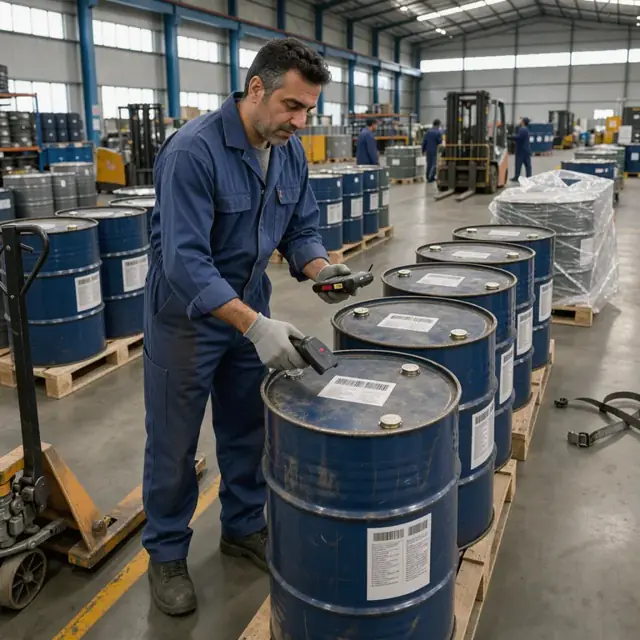
Inventory Manager
Maintain accurate base oil, additive and packaging inventory with FIFO tracking and replenishment lists.
Works in: Ambitious Sheets, Ambitious Tasks, Ambitious Docs · Workflows: Base oil and additive inventory management
Automates
- Explodes blend requirements into raw materials
- Applies FIFO aging to current stock
- Generates purchase lists by supplier
- Tracks tote and drum returns
Stops for a person
- Purchasing places all orders and spends money
- Owner approves any material substitution

Batch Technician
Guide each blend through metering, mixing, sampling and lab release steps.
Works in: Ambitious Tasks, Ambitious Sheets, Process Optimizer · Workflows: Batch blending and quality testing
Automates
- Pulls exact formula and mixing instructions
- Records metered quantities from pumps
- Creates lab sample tasks with required tests
- Holds or releases batch based on entered lab results
Stops for a person
- Lab technician enters actual test values
- Quality manager approves any batch rework or deviation

Fill and Ship Coordinator
Schedule filling lines, generate labels and prepare all shipping and quality documentation.
Works in: Ambitious Tasks, Ambitious Docs, Ambitious Sheets · Workflows: Filling, packaging and shipping
Automates
- Assigns filling equipment and calibrates targets
- Creates batch-specific labels and hazard statements
- Compiles bills of lading and certificates of analysis
- Updates inventory after filling is complete
Stops for a person
- Forklift operator confirms actual filled quantities
- Shipping manager reviews and signs all outbound documents

Compliance and Records Clerk
Assemble batch records, maintain regulatory logs and track permit and calibration dates.
Works in: Ambitious Docs, Ambitious Sheets, Ambitious Tasks · Workflows: Regulatory, safety and quality recordkeeping
Automates
- Compiles batch records and lab results
- Generates certificates of analysis
- Tracks waste manifests and disposal records
- Alerts before permits and calibrations expire
Stops for a person
- The plant manager confirms which regulatory requirements apply
- Quality and EHS personnel review and sign all official records
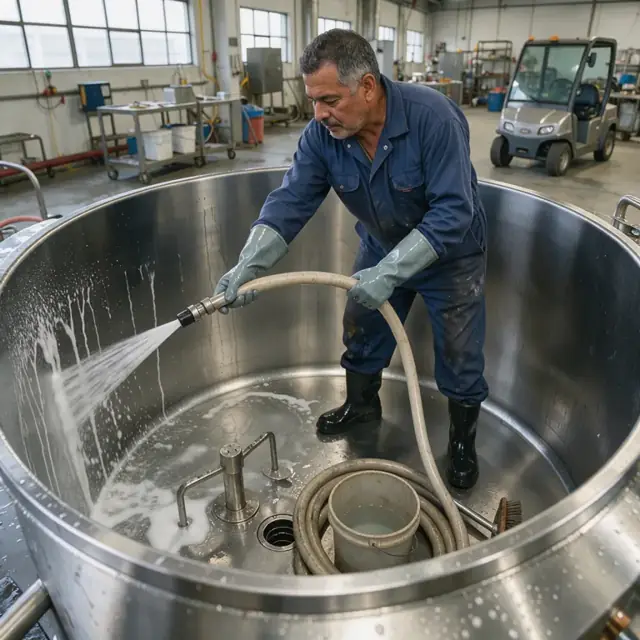
Maintenance and Changeover Coordinator
Create cleanout checklists, schedule preventive maintenance and track equipment readiness.
Works in: Ambitious Tasks, Process Optimizer, Ambitious Sheets · Workflows: Equipment cleaning and preventive maintenance
Automates
- Generates tank and line flush checklists
- Schedules meter calibrations and pump inspections
- Logs findings from each changeover
- Prepares equipment status for next run
Stops for a person
- Maintenance technicians perform and document the actual work
- The owner approves any major repair spending
Workflows
Order and forecast intake
Starts when: New customer purchase order, distributor forecast update or standing contract release
- Parse product code, volume, packaging type and required specifications
- Check against current production schedule and tank availability
- Confirm lead time against blend and fill capacity
- Create production task with exact formula and test requirements
- Draft order acknowledgment for approval
Watch for: Certain products require specific additive packages that are on allocation; Rush orders must be flagged for production override only after manager review
Blend schedule and tank allocation
Starts when: Daily at start of shift or when new orders are locked
- Aggregate orders and forecasts by product family
- Assign blend tanks considering compatibility, volume and next product in queue
- Generate detailed blend sheet with base oil percentages, additive treat rates and mixing order
- Schedule line flush or cleanout between incompatible batches
- Reserve retain-sample containers and lab test slots
Watch for: Viscosity and additive compatibility rules dictate tank sequencing; Heated tanks required for certain high-viscosity products
Base oil and additive inventory management
Starts when: After each blend schedule is published and on a weekly cadence
- Explode blend sheets into raw material requirements by tank
- Subtract current tank and warehouse inventory with FIFO aging
- Generate purchase lists for base oils by API group and additives by supplier
- Track drum and tote returns from customers
- Flag slow-moving or expired additives for review
Watch for: Base oils must be segregated by API group to avoid mixing; Additives are often purchased in totes or bulk with minimum order quantities
Batch blending and quality testing
Starts when: Start of each scheduled blend
- Pull and verify raw materials against the blend sheet
- Record metered quantities of base oils and additives into the tank
- Run prescribed mixing cycle and sample for lab tests
- Hold batch until lab results meet all specifications
- Release or rework the batch and update inventory
Watch for: In-process temperature, agitation time and shear must be logged; Any deviation from the formula requires engineering and quality sign-off
Filling, packaging and shipping
Starts when: After batch is released by lab
- Assign filling lines for drums, totes or bulk load-out
- Calibrate meters and set fill targets
- Generate package labels with batch number, date, specifications and hazard warnings
- Prepare bills of lading, shipping manifests and certificates of analysis
- Record filled quantities and update inventory
Watch for: Vapor recovery and spill containment required during bulk loading; Drum labels must include exact hazard and handling statements
Regulatory, safety and quality recordkeeping
Starts when: End of each batch, monthly and on renewal dates
- Compile batch records, lab results and retain sample log
- Generate certificates of analysis and customer-specific test reports
- Track waste oil, used filters and rinse water for disposal manifests
- Monitor expiration dates for permits, insurance and calibration certificates
- Maintain current SDS library for all products and raw materials
Watch for: Different states and customers require specific reporting formats; All records must be kept for the owner-specified retention period
Equipment cleaning and preventive maintenance
Starts when: After each incompatible product run and on a scheduled cadence
- Create tank and line cleanout checklist with flush volumes and purge steps
- Schedule pump, meter and tank inspection per maintenance plan
- Track calibration due dates for scales, meters and thermometers
- Log any mechanical issues discovered during changeover
- Prepare equipment for next scheduled product
Watch for: Cross-contamination prevention is critical for certain additive packages; Cleanout materials become hazardous waste requiring proper disposal
Bot templates for this industry
Source: U.S. Small Business Administration, Office of Size Standards, Table of Small Business Size Standards Matched to North American Industry Classification System Codes, version March 2023 (effective 2023-03-17, NAICS 2022). Size standards are shown for reference only.