

All Other Petroleum and Coal Products Manufacturing
Manufacturers of specialized petroleum and coal products such as lubricating oils, greases, petroleum waxes, coke oven products and asphalt paving mixtures produce in batches against custom formulations and standing orders. For a plant that blends custom lubricants or mixes asphalt to project specifications and ships on set production days, the specialists turn incoming orders into batch formulas and raw material needs, schedule production runs around tank and reactor availability, track hazardous materials and emissions paperwork, and manage delivery of finished product while the plant manager keeps formulation recipes, safety data sheets and regulatory calls.
What makes this business different
- Custom formulations with precise percentages of base oils, additives, coal tar, asphalt binders or waxes that must be mixed exactly as specified
- Batch production in reactors, kettles or mixers with strict changeover and cleaning protocols between incompatible products
- Hazardous material inventory tracking, safety data sheets, spill prevention and emissions reporting that follow federal, state and local rules
- Production scheduling around tank farm availability, heating and cooling cycles, and maintenance windows
- Raw material procurement of base stocks, additives, aggregates and coal derivatives with just-in-time delivery to minimize storage of flammables
- Finished product testing, certification against customer specs or industry standards, and labeling before shipment
- Delivery coordination for bulk tankers, drums or bags with temperature control and chain-of-custody documentation
- Standing orders from paving contractors, industrial customers and distributors that repeat on seasonal or project-based cadences
Specialist bots
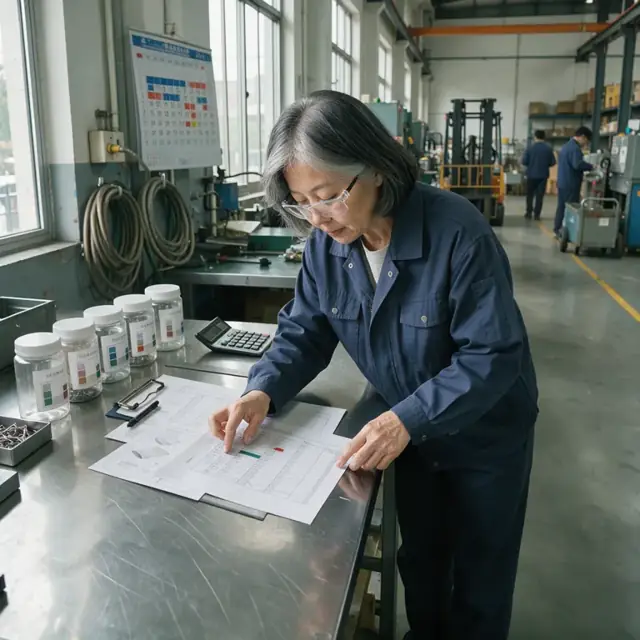
Order Intake Specialist
Turn every custom product order into a confirmed, plant-ready batch specification.
Works in: Ambitious Tasks, Ambitious Docs, Email Buckets · Workflows: Order intake and formulation confirmation
Automates
- Reads incoming order messages, forms and portal submissions
- Captures exact formulation, volume, packaging and delivery requirements
- Checks availability against current inventory and production calendar
- Drafts order acknowledgment
- Creates the production batch task
Stops for a person
- The plant manager approves any formulation deviations or off-menu requests
- A person reviews and sends all confirmations and handles credit or pricing questions

Batch Production Scheduler
Turn confirmed orders into an optimized timed production schedule and batch tickets.
Works in: Ambitious Tasks, Process Optimizer · Workflows: Batch production scheduling
Automates
- Groups orders by base formulation and equipment type
- Builds the hour-by-hour schedule including heating, mixing, cooling and cleanup
- Sequences batches to minimize changeover time
- Generates batch tickets with precise weights and temperatures
Stops for a person
- The plant manager adjusts the final schedule and approves changeover plans
- Operators review batch tickets before starting production
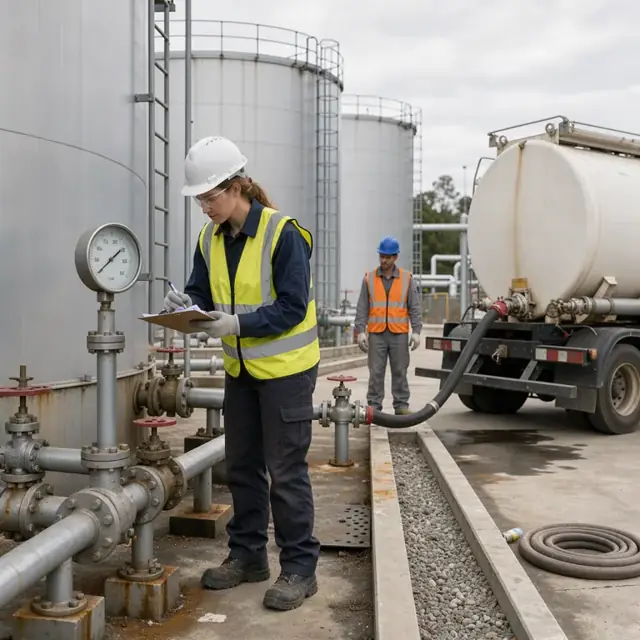
Raw Materials Coordinator
Convert the production schedule into precise raw material orders and maintain safe inventory levels.
Works in: Ambitious Sheets, Ambitious Tasks, Ambitious Docs · Workflows: Raw material purchasing and inventory
Automates
- Explodes schedule into base oils, additives and aggregates needed
- Subtracts current tank and warehouse stock
- Drafts purchase orders by supplier
- Tracks minimum levels for hazardous materials
- Logs receipts and certificates of analysis
Stops for a person
- The owner or plant manager approves and places all purchases
- Any substitution of raw materials requires technical review and approval
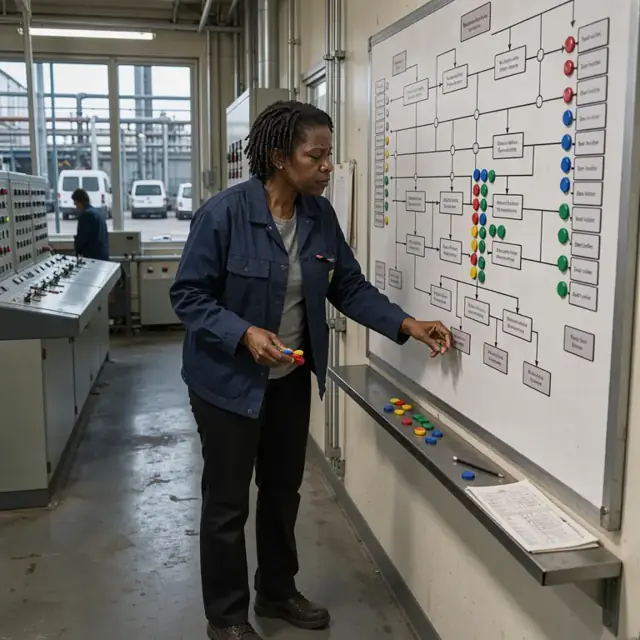
Production Process Optimizer
Analyze capacity, identify bottlenecks and recommend sequencing to improve throughput.
Works in: Process Optimizer, Ambitious Sheets, Ambitious Tasks · Workflows: Production capacity and process optimization
Automates
- Compares orders against reactor, tank and line capacity
- Maps historical cycle times and maintenance impact
- Tests alternate sequences to reduce cleaning time
- Highlights upcoming capacity constraints
Stops for a person
- The plant manager sets final production limits and approves overtime or schedule changes

Compliance and Safety Clerk
Maintain daily safety checklists, emissions logs and track all permit and regulatory renewal dates.
Works in: Ambitious Tasks, Ambitious Docs, Ambitious Sheets · Workflows: Regulatory compliance and safety documentation
Automates
- Generates daily hazardous operations checklists
- Logs operator-entered emissions, wastewater and temperature data
- Tracks renewal dates for permits and insurance
- Keeps safety data sheets synchronized with current formulations
Stops for a person
- The plant manager confirms which rules apply to each product and operation
- All regulatory filings, inspections and corrective actions are performed by people
- The bot never certifies compliance

Quality Testing Coordinator
Create testing protocols for each batch, record results and prepare certificates of analysis.
Works in: Ambitious Tasks, Ambitious Docs, Ambitious Sheets · Workflows: Quality testing and batch release
Automates
- Generates batch-specific testing requirements
- Records lab results against specifications
- Drafts certificates of analysis
- Flags batches that fail any checked requirement for review
Stops for a person
- Laboratory personnel or the plant manager review and approve all test results and certificates before release
- Third-party testing is arranged by people

Shipping and Dispatch Coordinator
Organize approved batches into shipments, prepare all shipping documents and track deliveries.
Works in: Ambitious Tasks, Ambitious Docs, Ambitious Sheets · Workflows: Finished product shipping and dispatch
Automates
- Groups shipments by customer and transport method
- Prepares bills of lading, manifests and chain-of-custody forms
- Drafts carrier and customer notification messages
- Records delivery confirmations and exceptions
Stops for a person
- The plant manager or shipping lead approves all documents before they are sent or filed
- Drivers and carriers handle actual loading and transit decisions
- A person signs all final shipping papers
Workflows
Order intake and formulation confirmation
Starts when: A customer submits an order by form, email, portal or direct message
- Capture product type, exact formulation requirements, volume, packaging and delivery date
- Check the order against approved recipes, current raw material availability and production calendar
- Confirm any required testing, certification or special labeling
- Draft order acknowledgment and record payment or credit terms
- Create a production-ready batch task with complete specifications
Watch for: Formulation details must be captured exactly and never altered without plant manager approval; Orders for incompatible products must be scheduled with adequate changeover time
Batch production scheduling
Starts when: After order cutoff or weekly production meeting
- Lock the order list for the next production window
- Group orders by base formulation, reactor type and packaging
- Build a timed schedule accounting for heating, mixing, cooling, testing and cleanup cycles
- Flag any products requiring dedicated lines or special cleaning between batches
- Generate batch tickets with exact weights, temperatures and hold times
Watch for: Reactor, kettle and tank capacity limit each run; Changeover and cleaning times vary significantly between product families
Raw material purchasing and inventory
Starts when: After batch schedule is locked and on a weekly cadence
- Explode the production schedule into a detailed raw material and additive list
- Subtract current tank and warehouse inventory
- Draft purchase orders by supplier for base oils, coal derivatives, aggregates and additives
- Track minimum stock levels for critical flammables and hazardous materials
- Log incoming receipts, certificates of analysis and any variances
Watch for: Many materials are flammable or regulated and cannot be stored in excess; Supplier lead times and freight for bulk tankers affect production dates
Production capacity and process optimization
Starts when: Weekly and before any major production period
- Compare confirmed orders to reactor, tank farm and packaging line capacity
- Identify bottlenecks using historical cycle times and current maintenance status
- Use the process optimizer to test alternate sequencing that reduces changeover waste
- Suggest production caps or overtime needs for the coming period
Watch for: Seasonal demand spikes for paving and roofing products require advance planning; Maintenance shutdowns of key equipment must be coordinated with customer deliveries
Regulatory compliance and safety documentation
Starts when: Every production day and on regulatory or renewal dates
- Generate daily pre-start checklists for hazardous operations, lockout-tagout and personal protective equipment
- Log emissions, wastewater, spill prevention and waste disposal data from operator entries
- Track renewal dates for operating permits, air permits, hazardous waste generator status and insurance
- Maintain current safety data sheets and batch-specific labels for all finished products
Watch for: Requirements differ by jurisdiction and product type; The plant manager confirms which federal, state and local rules apply to each operation
Quality testing and batch release
Starts when: After each batch completes mixing and cooling
- Create a testing task with required viscosity, flash point, penetration or other specification checks
- Record lab results against customer or industry requirements
- Draft certificate of analysis for each batch
- Release only batches that have been reviewed and approved
Watch for: Certain products require third-party lab verification; Non-conforming batches must be quarantined and documented
Finished product shipping and dispatch
Starts when: When batches are approved for release and on customer-requested ship dates
- Group shipments by customer, delivery location and transport type
- Prepare bills of lading, manifests, temperature logs and chain-of-custody documents
- Draft carrier instructions and customer notification messages
- Record proof of delivery and any discrepancies or returns
Watch for: Bulk tankers, drums and bags each require different documentation and labeling; Some products must be kept within temperature ranges during transit
Bot templates for this industry
Source: U.S. Small Business Administration, Office of Size Standards, Table of Small Business Size Standards Matched to North American Industry Classification System Codes, version March 2023 (effective 2023-03-17, NAICS 2022). Size standards are shown for reference only.