

Synthetic Dye and Pigment Manufacturing
Synthetic dye and pigment manufacturers produce colorants used in textiles, plastics, inks, paints and coatings. For a plant that receives custom shade orders and manufactures in batches, the specialists turn customer specifications into verified formulas, formulas into production schedules and raw-material orders, schedules into batch records and quality tests, and completed batches into packaged shipments and certificates of analysis. Recipes, safety data sheets and regulatory filings stay with the chemist and operations manager.
What makes this business different
- Custom shade matching with precise spectral and fastness requirements that must be reproduced exactly
- Batch production with scale-up from lab to production vessels and strict change control
- Hazardous raw materials requiring controlled storage, handling and disposal tracking
- Regulatory paperwork including safety data sheets, batch certifications and environmental emissions logs
- Inventory of pigments, intermediates and solvents with strict lot traceability and expiration
- Quality testing at multiple stages with retained samples and instrument calibration records
- Shipment documentation with certificates of analysis, labeling and transport hazard classifications
- Permit and license tracking for chemical manufacturing, air and water emissions, and waste handling
- Equipment cleaning validation and cross-contamination prevention between pigment types
Specialist bots

Order and Specification Verifier
Turn every custom shade request into a verified production order with locked specifications.
Works in: Ambitious Tasks, Ambitious Docs, Contract Analyzer · Workflows: Order and specification verification
Automates
- Reads incoming order messages and specification sheets
- Extracts color targets, substrates, fastness and quantity requirements
- Checks against existing formulas and capabilities
- Drafts lab sample requests and confirmation documents
- Creates the locked production order task
Stops for a person
- The chemist approves any new shade or non-standard requirement
- Customer must sign off on the shade card before production begins
- A person sends all external communications and handles deviations

Formula Development Chemist
Convert approved shades into precise scalable formulas and manufacturing instructions.
Works in: Ambitious Docs, Ambitious Sheets, Process Optimizer · Workflows: Formula development and scale-up
Automates
- Retrieves or builds formulas with exact component ratios
- Calculates scaled batch quantities
- Generates step-by-step manufacturing instructions
- Flags hazardous materials and critical process parameters
- Creates the laboratory batch card
Stops for a person
- The lead chemist reviews and approves every new or modified formula
- Any scale-up adjustments are confirmed by a person
- The operations manager authorizes use of the formula in production

Raw Materials Planner
Turn production schedules into accurate raw material orders while maintaining lot traceability.
Works in: Ambitious Sheets, Ambitious Tasks, Ambitious Docs · Workflows: Raw material purchasing and inventory
Automates
- Explodes formulas into raw material requirements
- Subtracts current inventory by lot number
- Drafts purchase orders by supplier
- Tracks expiration and retest dates
- Maintains the traceability matrix
Stops for a person
- The purchasing manager places all orders and spends money
- Incoming certificates of analysis are verified by a person before acceptance
- Any material substitution requires chemist approval
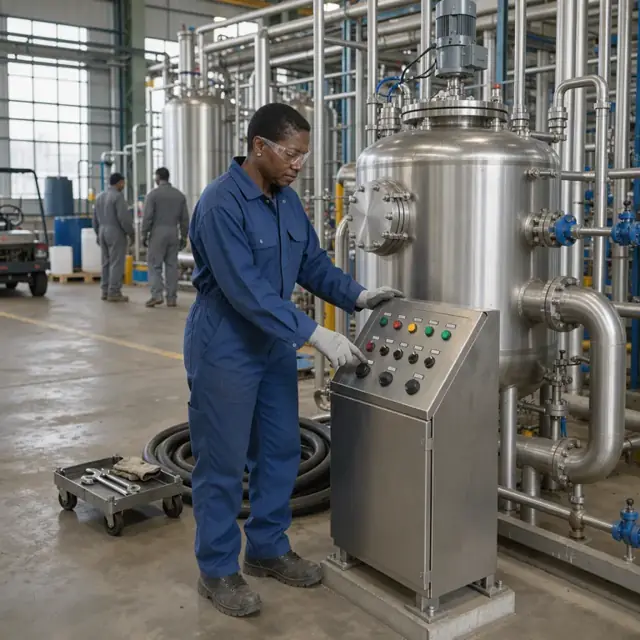
Production Batch Scheduler
Sequence and schedule batches across vessels to maximize efficiency and prevent cross-contamination.
Works in: Ambitious Tasks, Process Optimizer · Workflows: Batch production scheduling
Automates
- Groups compatible chemistries to reduce cleaning cycles
- Assigns vessels based on capacity and process needs
- Builds the detailed timed production schedule
- Reserves laboratory testing windows
- Generates the complete batch manufacturing tickets
Stops for a person
- The production manager approves the final schedule
- Any vessel or sequence changes are made by a person
- Cleaning validation status is confirmed before each run

Quality Testing Coordinator
Generate test protocols, record results and prepare certificates of analysis for each batch.
Works in: Ambitious Tasks, Ambitious Sheets, Ambitious Docs · Workflows: In-process and final quality testing
Automates
- Creates test requests matched to each specification
- Logs instrument results and compares to limits
- Flags any deviations for review
- Prepares retained sample labels
- Drafts the certificate of analysis document
Stops for a person
- Laboratory technicians perform all physical tests
- The quality manager reviews and signs every certificate of analysis
- All out-of-specification results are investigated by people

Packaging and Shipping Coordinator
Prepare packaging, labeling, manifests and all required shipping documentation for completed batches.
Works in: Ambitious Tasks, Ambitious Docs, Ambitious Sheets · Workflows: Packaging, labeling and shipping
Automates
- Calculates package quantities and container types
- Generates all hazard labels and batch markings
- Compiles bills of lading and manifests
- Assembles certificate of analysis and safety data sheet packets
- Records shipment details and tracking
Stops for a person
- A person verifies all hazard classifications and labels
- The operations manager approves every shipment
- Carriers are selected and paperwork is signed by people

Regulatory Compliance Clerk
Maintain safety data sheets, emissions logs, permit trackers and batch history files.
Works in: Ambitious Docs, Ambitious Sheets, Ambitious Tasks · Workflows: Regulatory and safety documentation
Automates
- Updates emissions and waste data from batch records
- Tracks changes to formulas that require safety data sheet updates
- Monitors renewal dates for permits and registrations
- Compiles data for inventory and release reports
- Organizes audit-ready batch documentation
Stops for a person
- The operations manager confirms all regulatory requirements for each chemical
- People review and file all official submissions
- The bot never certifies compliance with any regulation
Workflows
Order and specification verification
Starts when: A customer submits a new shade request or repeat order by email, portal or form
- Capture the target color, substrate, fastness requirements, quantity and delivery date
- Check against existing formulas and production vessel capabilities
- Draft a lab sample request with exact specifications
- Record customer approval of the shade card or drawdown
- Create a production order task with locked formula parameters
- Flag any special packaging or labeling needs from the customer
Watch for: Spectral data and lightfastness requirements must be captured exactly; Any deviation from an approved formula requires chemist review
Formula development and scale-up
Starts when: Approved lab sample or repeat order confirmation
- Retrieve or create the base formula with precise component percentages
- Calculate scaled quantities for the production batch size
- Draft the manufacturing instructions including addition order, temperature and mixing times
- Flag any hazardous intermediates or special handling steps
- Generate the laboratory batch card for initial testing
- Update the master formula database with any approved changes
Watch for: Formulas are proprietary and must remain locked; Scale-up factors must preserve exact color and performance
Raw material purchasing and inventory
Starts when: After formula approval and weekly
- Explode the production schedule into a raw material list by formula
- Check current inventory and lot numbers against requirements
- Draft purchase orders for dyes, intermediates, solvents and packaging
- Track shelf life and retest dates for critical materials
- Maintain traceability matrix for each lot used
- Check against current chemical storage permit limits
Watch for: Many raw materials are hazardous and have strict storage limits; Supplier qualification and certificate of analysis requirements apply to every incoming lot
Batch production scheduling
Starts when: Weekly and after each new order confirmation
- Sequence batches by compatible chemistry and color to minimize cleaning
- Assign vessels based on volume, temperature and agitation needs
- Build a timed schedule including charging, reaction, filtration and packaging
- Reserve testing equipment and laboratory time for in-process checks
- Generate batch tickets with step-by-step instructions
- Check against current operating permit capacity limits
Watch for: Vessel availability and cleaning validation limit daily output; Cross-contamination prevention requires dedicated equipment for certain pigments
In-process and final quality testing
Starts when: Each batch reaches a test point
- Generate test requests for color strength, hue, dispersion and fastness
- Record instrument readings and compare to specification
- Flag out-of-specification results for rework or rejection
- Create retained sample labels and storage instructions
- Draft certificate of analysis for customer approval
- Update calibration log for each instrument used
Watch for: Multiple test methods and instruments must be calibrated and logged; All test data must be traceable to the exact batch and lot
Packaging, labeling and shipping
Starts when: Batch passes final quality testing
- Generate package counts and container types based on customer order
- Create hazard labels, batch numbers and handling instructions
- Draft bills of lading and shipping manifests
- Compile the certificate of analysis and safety data sheet packet
- Record shipment date, carrier and tracking information
- Confirm waste and emissions logs are updated from the batch
Watch for: Hazardous materials require specific UN packaging and documentation; Customer-specific labeling and pallet requirements must be followed exactly
Regulatory and safety documentation
Starts when: End of each batch, monthly and on renewal dates
- Update emissions and waste manifests from batch data
- Review and renew safety data sheets when formulas change
- Track permit, license and registration renewal dates
- Compile data for inventory and release reports
- Maintain audit-ready batch history files
- Generate checklist for next required inspection or filing
Watch for: Rules differ by federal, state and local environmental agencies; Operations manager confirms which reporting requirements apply to each chemical
Bot templates for this industry
Source: U.S. Small Business Administration, Office of Size Standards, Table of Small Business Size Standards Matched to North American Industry Classification System Codes, version March 2023 (effective 2023-03-17, NAICS 2022). Size standards are shown for reference only.