

Ethyl Alcohol Manufacturing
Ethyl alcohol manufacturers produce fermentation-grade and fuel-grade ethanol from feedstocks such as corn, sugarcane or cellulosic material. For a mid-scale plant that receives daily feedstock deliveries, runs continuous fermentation and distillation, and ships tanker loads on a set schedule, the specialists turn feedstock test results and production orders into a daily run plan, monitor yields and quality specs, manage tank inventory and schedule outbound loads while the operators keep fermentation, distillation and dehydration parameters within spec.
What makes this business different
- Feedstock quality testing for starch, sugar, moisture and contaminants before unloading
- Continuous or batch fermentation and distillation cycles with strict temperature, pH and yeast management
- High-volume tank farm inventory of incoming mash, beer, distillate, fuel ethanol, denaturant and co-products
- Production yields, alcohol proof, purity and denaturant blending that must meet exact customer or regulatory specs
- Scheduled tanker truck or railcar loading with bills of lading, seals and chain-of-custody paperwork
- Permit, emission, wastewater, fire-safety and alcohol-tax reporting requirements tracked on set cadences
- Preventive maintenance windows on cookers, fermenters, stills, molecular sieves and boilers coordinated with production
- Repeat bulk customers who reorder on contracts with price indexing and quality certificates
Specialist bots
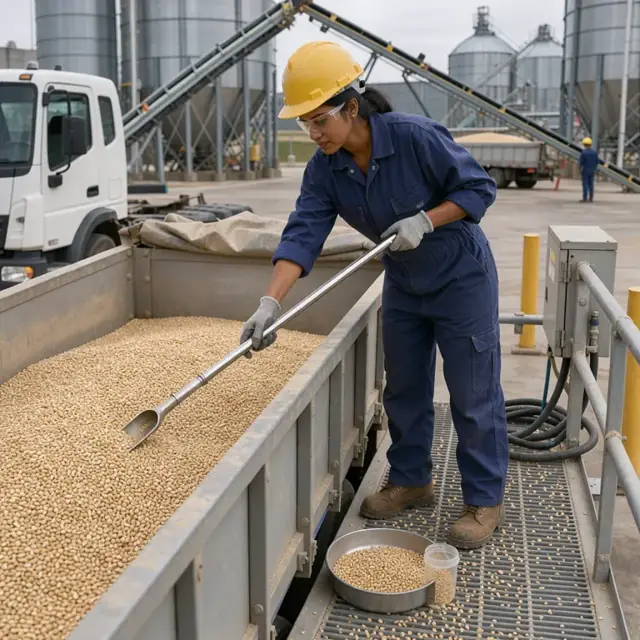
Feedstock Verifier
Turn every inbound feedstock delivery into approved inventory with quality test results.
Works in: Ambitious Tasks, Ambitious Sheets, Ambitious Docs · Workflows: Feedstock receiving and quality verification
Automates
- Reads scale tickets and supplier certificates
- Records lab test results for starch, moisture and contaminants
- Calculates expected yield contribution
- Rejects or routes off-spec loads
- Updates silo inventory
Stops for a person
- The operator visually inspects each load before unloading
- The lab technician confirms test results
- Management approves any rejected or discounted loads

Production Run Planner
Convert customer orders, tank levels and maintenance windows into a daily fermentation and distillation schedule.
Works in: Ambitious Sheets, Process Optimizer, Ambitious Tasks · Workflows: Daily production scheduling
Automates
- Balances open orders against current inventory
- Builds the 48-hour run sequence
- Sets target throughput and proof setpoints
- Flags special blending or denaturing runs
Stops for a person
- The lead operator reviews and adjusts the schedule each shift
- Any change affecting customer delivery dates requires owner approval
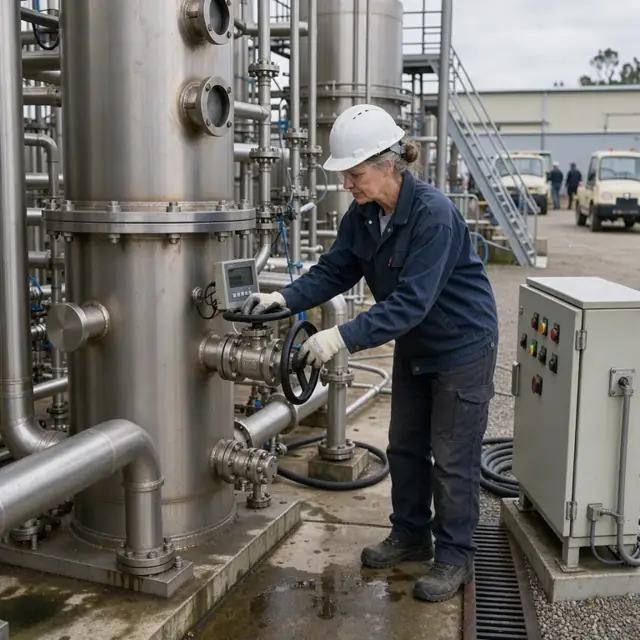
Process Optimizer
Monitor live process variables and recommend adjustments to keep fermentation and distillation inside target ranges.
Works in: Process Optimizer, Ambitious Tasks, Ambitious Sheets · Workflows: Process monitoring and adjustment
Automates
- Compares real-time pH, gravity and temperature readings to recipe setpoints
- Calculates recommended enzyme or temperature corrections
- Logs deviations and suggested actions
- Generates shift-end yield reports
Stops for a person
- The operator makes all actual control changes
- The supervisor reviews major deviations before they are logged as accepted
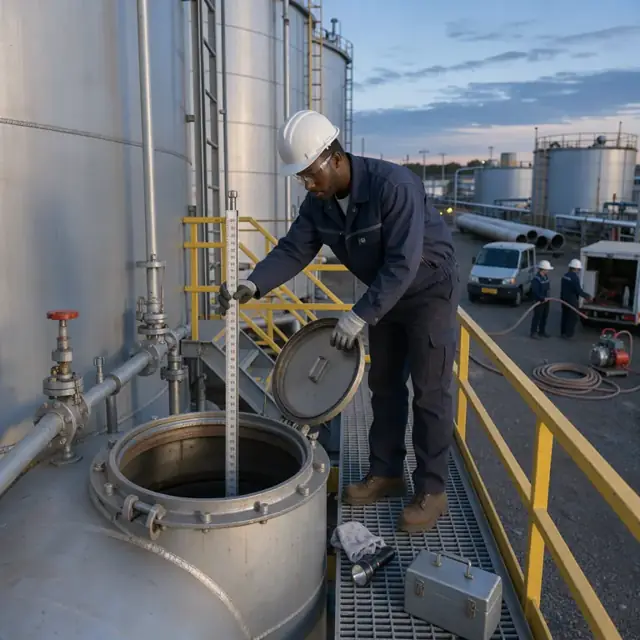
Tank Inventory Manager
Reconcile tank levels, track proof gallons and project forward inventory for production and shipments.
Works in: Ambitious Sheets, Ambitious Tasks, Ambitious Docs · Workflows: Tank farm and product inventory
Automates
- Reconciles gauge and dip readings daily
- Calculates current and projected ethanol volumes by tank
- Flags tanks ready for loading or blending
- Maintains loss and yield tracking
Stops for a person
- The gauger performs physical dip checks
- Any inventory discrepancy that affects tax reporting is investigated by the owner

Shipment Coordinator
Prepare bills of lading, certificates of analysis and loading instructions for each outbound ethanol shipment.
Works in: Ambitious Docs, Ambitious Tasks, Contract Analyzer · Workflows: Outbound shipment preparation
Automates
- Matches order to available product and proof
- Generates bill of lading and seal list
- Pulls lab results into the certificate of analysis draft
- Schedules carrier arrival
Stops for a person
- The loader confirms the tanker is clean and properly placarded before filling
- A person reviews and signs every certificate of analysis and bill of lading
- The owner approves any deviation from contract specifications

Compliance and Reporting Clerk
Assemble daily logs, draft monthly regulatory reports and track permit and license renewal dates.
Works in: Ambitious Docs, Ambitious Sheets, Ambitious Tasks · Workflows: Regulatory and permit tracking
Automates
- Compiles production, emission and wastewater logs
- Pre-fills monthly tax and inventory reports
- Lists upcoming permit and insurance due dates
- Keeps safety data sheets current
Stops for a person
- The plant manager reviews and certifies every report before filing
- The owner confirms which local, state and federal requirements apply each year
- All official submissions and payments are performed by people

Maintenance Coordinator
Align preventive maintenance and repair work with production windows while tracking parts and contractor schedules.
Works in: Ambitious Tasks, Ambitious Sheets, Process Optimizer · Workflows: Maintenance and downtime scheduling
Automates
- Reviews run-hour alerts and maintenance schedules
- Finds the next safe downtime window
- Generates lock-out and cleaning checklists
- Tracks spare parts inventory
Stops for a person
- The maintenance supervisor approves all work orders and lock-out procedures
- The operator verifies equipment is safe to return to service after repairs
Workflows
Feedstock receiving and quality verification
Starts when: Truck or railcar arrival with inbound feedstock
- Capture delivery paperwork, scale tickets and supplier COA
- Sample and test for moisture, starch or sugar content, contaminants and foreign material
- Approve or reject the load and record results in the inventory sheet
- Schedule unloading into the correct silo or tank
- Update daily feedstock inventory and reorder triggers
Watch for: Contaminated or off-spec loads must be isolated immediately; Moisture and starch content directly affect yield calculations
Daily production scheduling
Starts when: End of previous shift or weekly planning meeting
- Review open customer orders, tank inventory and maintenance calendar
- Build the 24-48 hour run plan for milling, cooking, fermentation and distillation
- Assign target throughput, proof targets and co-product splits
- Flag any special denaturing or blending requirements
- Export the plan to the control-room task list
Watch for: Fermentation tanks have fixed cycle times that cannot be overlapped beyond capacity; Distillation columns run most efficiently at steady state
Process monitoring and adjustment
Starts when: Continuous during operation or shift change
- Pull live data from fermenter pH, temperature, gravity and still temperatures
- Compare readings against recipe setpoints using the process optimizer
- Generate adjustment recommendations for yeast pitch, enzyme addition or reflux ratio
- Log deviations and operator actions
- Alert when any parameter moves outside the confirmed operating window
Watch for: Small deviations in temperature or pH can collapse a fermentation batch; Alcohol loss must be minimized at every transfer point
Tank farm and product inventory
Starts when: Daily at 6 am and after every major transfer
- Reconcile tank levels from gauges and dip sticks
- Calculate current proof gallons of ethanol, denatured product and co-products
- Project forward inventory based on the production schedule
- Flag tanks ready for shipment or blending
- Maintain running yield and loss tracking by batch
Watch for: Tanks must be segregated by proof, denatured status and intended customer; Evaporation and heel losses must be accounted for in tax and inventory records
Outbound shipment preparation
Starts when: Customer release order or standing delivery schedule
- Confirm order volume, proof and denaturant requirements
- Schedule tanker or railcar arrival and generate bill of lading
- Pull sample for lab certification of proof, purity and any contract specs
- Coordinate loading with the operator and record seal numbers
- Transmit shipping documents and certificate of analysis draft
Watch for: Alcohol shipments require specific hazmat paperwork and placarding; Each load must be sampled and approved before release
Regulatory and permit tracking
Starts when: Daily logs, monthly reports and renewal dates
- Compile daily fermentation, distillation and emission logs
- Draft monthly production, inventory and tax reports
- Track permit, license and insurance renewal dates
- Maintain current versions of safety data sheets and operating procedures
- Generate draft wastewater, air permit and fire-inspection checklists
Watch for: Exact record-keeping is required for federal alcohol and fuel-tax purposes; Local, state and federal agencies have overlapping but different reporting deadlines
Maintenance and downtime scheduling
Starts when: Weekly or when equipment reaches run-hour limits
- Review predictive maintenance alerts from pumps, heat exchangers and boilers
- Find the lowest-impact window in the production schedule
- Create a lock-out and cleaning checklist for each asset
- Track parts inventory and contractor arrival
- Return equipment to service with post-maintenance verification steps
Watch for: Distillation and dehydration equipment cannot be opened without proper purging and permits; Any downtime must be coordinated with customer delivery commitments
Bot templates for this industry
- Ethyl Alcohol Manufacturing (7 bots)
Source: U.S. Small Business Administration, Office of Size Standards, Table of Small Business Size Standards Matched to North American Industry Classification System Codes, version March 2023 (effective 2023-03-17, NAICS 2022). Size standards are shown for reference only.