

Synthetic Rubber Manufacturing
Synthetic rubber manufacturers produce polymers such as SBR, EPDM, nitrile and polybutadiene through polymerization, coagulation, drying and baling. For a plant that runs batch and continuous reactor lines to make custom-grade rubber for tire, automotive and industrial customers, the specialists convert sales orders into reactor schedules, track raw monomers and catalysts, manage quality-test results against specifications, coordinate tank-truck and rail shipments, and maintain process-safety and environmental paperwork. Recipes, reaction parameters and final product certifications stay with the chemists and plant operators.
What makes this business different
- Batch and continuous polymerization runs with precise monomer ratios, catalysts, temperature and pressure profiles
- Raw material inventory of butadiene, styrene, acrylonitrile and other monomers kept under strict temperature and inhibitor controls
- Coagulation, washing, drying and baling steps that must meet tight polymer-specification limits on Mooney viscosity, tensile and cure rate
- Hazardous process safety management including pressure-relief systems, flammable limits and emergency shutdown procedures
- Quality testing at multiple stages with results recorded against customer and internal specifications
- Bulk shipment by tank truck, railcar or ISO container with cleaning certificates and chain-of-custody paperwork
- Environmental permits for air emissions, wastewater, hazardous waste and storm-water runoff that require regular reporting
- Repeat industrial customers who reorder specific grades on quarterly or annual contracts
Specialist bots
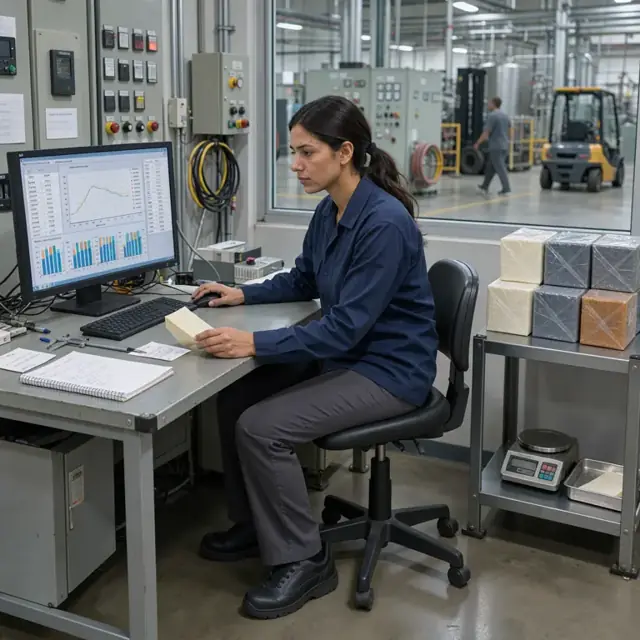
Order Verifier
Convert incoming customer orders into confirmed production orders with full specification details.
Works in: Ambitious Tasks, Ambitious Docs, Contract Analyzer · Workflows: Order intake and specification review
Automates
- Reads order emails, portal releases and contract documents
- Extracts grade, quantity, specification limits and delivery requirements
- Checks against current product portfolio and reactor availability
- Drafts order acknowledgment for approval
- Creates the production task with complete recipe and test plan
Stops for a person
- Technical manager approves any non-standard grade or specification
- A person reviews and sends all customer acknowledgments
- Payment terms and credit are confirmed by the owner

Production Scheduler
Build weekly reactor and line schedules that respect changeover rules and capacity limits.
Works in: Ambitious Tasks, Ambitious Sheets · Workflows: Reactor and production line scheduling
Automates
- Loads confirmed orders into the scheduling tool
- Sequences grades to minimize cleaning time
- Balances reactor, coagulation, drying and baling loads
- Highlights orders needing special handling
- Publishes the rolling seven-day plan
Stops for a person
- The production manager reviews and adjusts the schedule each week
- Any schedule that changes a customer delivery date requires owner approval
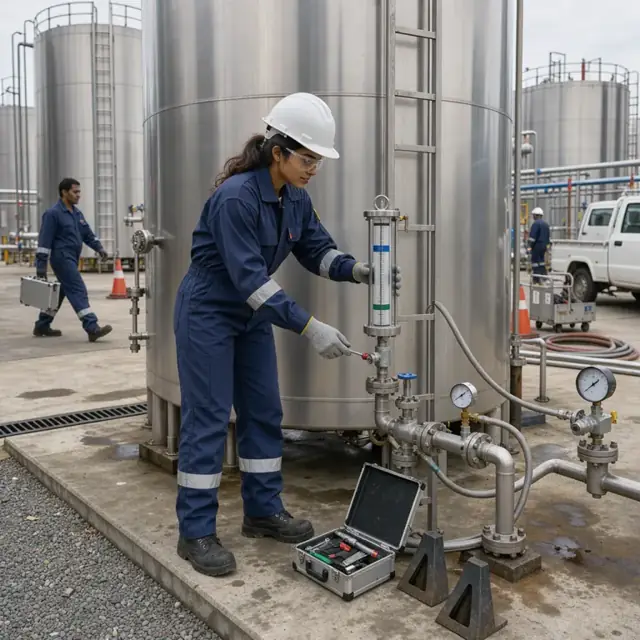
Raw Materials Coordinator
Convert production schedules into precise raw-material orders and maintain safe storage conditions.
Works in: Ambitious Sheets, Ambitious Tasks, Ambitious Docs · Workflows: Raw material ordering and inventory control
Automates
- Calculates monomer and additive needs from the schedule
- Subtracts current tank and warehouse inventory
- Drafts purchase orders by supplier
- Monitors temperature and inhibitor alarms
- Tracks usage of drums and totes
Stops for a person
- Purchasing manager places all orders and spends money
- Any deviation from standard raw materials is approved by the chemist

Quality Testing Coordinator
Generate test plans, record lab results and release only batches that meet all specifications.
Works in: Ambitious Tasks, Ambitious Sheets, Ambitious Docs · Workflows: In-process and final quality testing
Automates
- Creates sampling and testing instructions per batch
- Logs results for viscosity, tensile, cure and other properties
- Compares values against specification limits
- Flags nonconforming material
- Prepares certificates of analysis for released batches
Stops for a person
- Laboratory manager reviews all out-of-spec results
- Final batch release decision is made by the plant chemist
- Test equipment calibration is verified by a qualified technician

Shipment Dispatcher
Prepare all shipping documents, coordinate carriers and track each bulk rubber load to receipt.
Works in: Ambitious Tasks, Ambitious Docs, Email Buckets · Workflows: Shipment preparation and dispatch
Automates
- Confirms carrier and equipment availability
- Generates bills of lading, safety data sheets and certificates of analysis
- Schedules loading appointments
- Records seal numbers and departure times
- Tracks shipments until customer confirmation
Stops for a person
- Loading supervisor verifies tank cleanliness and product identity before transfer
- All shipping documents are reviewed and signed by a person before release
- The owner approves any special freight arrangements

Compliance and Reporting Clerk
Compile operating data, prepare regulatory reports and track all permit and PSM deadlines.
Works in: Ambitious Sheets, Ambitious Docs, Ambitious Tasks · Workflows: Process safety and environmental compliance
Automates
- Assembles daily readings into monthly report templates
- Tracks permit, insurance and PSM element due dates
- Maintains the master list of operating procedures
- Prepares draft TRI and emission reports
- Organizes records for audits
Stops for a person
- Environmental manager confirms which requirements apply to the site
- All reports and filings are reviewed, corrected and signed by the responsible person before submission
- The bot never certifies compliance

Customer Account Specialist
Send shipment confirmations, gather performance feedback and prepare contract renewal proposals.
Works in: Email Buckets, Ambitious Docs, Ambitious Tasks · Workflows: Customer follow-up and contract renewal
Automates
- Drafts shipment confirmation packages with test results
- Sends feedback request forms after delivery
- Reminds customers of upcoming contract windows
- Prepares draft pricing and volume proposals
- Archives lot-specific test data
Stops for a person
- Sales manager reviews and approves every communication sent to customers
- Technical content in proposals is confirmed by the chemist before release
Workflows
Order intake and specification review
Starts when: A customer order arrives by email, portal or contract release
- Capture grade, quantity, packaging, delivery date and any special test requirements
- Compare requested specifications against current product portfolio and reactor capability
- Check raw-material availability and production slot against the master schedule
- Draft order acknowledgment with confirmed specifications
- Create a production order task with full recipe and test limits
Watch for: Custom grades may require recipe adjustments that only the technical manager can approve; Tight specification windows on viscosity and cure characteristics must be captured exactly
Reactor and production line scheduling
Starts when: Weekly and after each new order confirmation
- Load confirmed orders into the construction-scheduler tool
- Sequence batches by grade family to minimize changeover and cleaning time
- Balance reactor, coagulation, drying and baling capacities
- Flag any orders needing special additives or post-treatment
- Publish the seven-day rolling schedule for operations
Watch for: Reactor campaigns run for multiple days; changeovers require full cleaning and purge; Prevent cross-contamination between oil-extended and non-oil grades
Raw material ordering and inventory control
Starts when: After schedule is published and on a weekly cadence
- Explode production schedule into monomer, catalyst, emulsifier and additive requirements
- Subtract current tank and warehouse inventory
- Draft purchase orders for butadiene, styrene and other feedstocks
- Monitor inhibitor levels and temperature alarms for stored monomers
- Track drum and tote usage for specialty chemicals
Watch for: Monomers must be ordered just in time because of short shelf life and storage hazards; Safety stock levels are set by process safety and procurement rules
In-process and final quality testing
Starts when: Each batch reaches sampling points and upon completion
- Generate sampling instructions and test requirements for each batch
- Record lab results for Mooney viscosity, tensile, elongation, cure rate and other specifications
- Compare results against customer and internal limits
- Flag out-of-spec material for rework or downgrade
- Release batches that pass all checks to finished-goods inventory
Watch for: Multiple physical and rheological tests must be completed before shipment; Test equipment calibration records must be current
Shipment preparation and dispatch
Starts when: When a batch is released and customer requests pickup or delivery
- Confirm tank-truck or railcar availability and cleaning status
- Generate bill of lading, certificate of analysis and safety data sheet package
- Schedule loading window and coordinate with carrier
- Record seal numbers and departure time
- Track in-transit status and confirm customer receipt
Watch for: Tank trucks and railcars must be dedicated or properly cleaned to prevent contamination; Hazardous materials shipping papers must be exact
Process safety and environmental compliance
Starts when: Daily for operating logs, monthly for emissions and on permit renewal dates
- Compile daily pressure, temperature and emission readings
- Prepare monthly air, water and waste reports using recorded data
- Track permit, PSM and insurance renewal dates
- Maintain process safety information and operating procedures
- Generate annual TRI and other regulatory filings for review
Watch for: Local, state and federal requirements vary by site and change over time; All reports and logs must be reviewed and signed by the responsible person
Customer follow-up and contract renewal
Starts when: After shipment and on quarterly or annual cadence
- Draft shipment confirmation and certificate of analysis package
- Request customer feedback on product performance
- Remind contract customers of upcoming reorder windows
- Draft updated pricing and volume commitment proposals
- Archive test data for each delivered lot
Watch for: Technical data and certificates must match the exact grade shipped; All external communications require approval before sending
Bot templates for this industry
- Synthetic Rubber Manufacturing (7 bots)
Source: U.S. Small Business Administration, Office of Size Standards, Table of Small Business Size Standards Matched to North American Industry Classification System Codes, version March 2023 (effective 2023-03-17, NAICS 2022). Size standards are shown for reference only.