

Compost Manufacturing
Compost manufacturers collect green and brown feedstocks, monitor active piles for temperature and moisture, turn windrows on schedule, screen finished product, and sell in bulk or bags. Specialists convert inbound supply messages and lab reports into pile recipes, turn pile data into turning and watering schedules, track regulatory testing and permit paperwork, and convert orders into loading and delivery routes while the operator keeps decisions on feedstock ratios, pathogen reduction and product quality.
What makes this business different
- Variable inbound feedstocks (food scraps, yard waste, manure, wood chips) with different carbon-nitrogen ratios that must be recorded on arrival
- Active composting process requiring temperature logs, turning schedules, moisture checks and pathogen reduction documentation
- Regulatory testing for metals, pathogens and maturity before product can be sold or distributed
- Seasonal supply surges in spring and fall plus steady year-round demand from farms, landscapers and garden centers
- Bulk loading into trucks or bagging lines with inventory of finished product by grade and pile
- Local, state and federal permits, nutrient management plans and water runoff controls that differ by site
- Repeat bulk customers who schedule regular pickups or deliveries and expect consistent product analysis
Specialist bots

Feedstock Receiver
Turn every inbound feedstock delivery into a logged recipe contribution and receipt.
Works in: Ambitious Tasks, Ambitious Sheets, Ambitious Docs · Workflows: Feedstock intake and recipe building
Automates
- Reads supplier messages and weigh tickets
- Calculates estimated carbon-nitrogen contribution
- Assigns material to windrows
- Drafts intake logs and receipts
- Creates incorporation tasks
Stops for a person
- The operator approves acceptance of unusual or high-risk feedstocks
- A person physically inspects loads for contamination
- The operator confirms recipe changes

Pile Monitor and Turner Scheduler
Convert daily temperature and moisture readings into turning, watering and aeration schedules.
Works in: Ambitious Tasks, Ambitious Sheets, Process Optimizer · Workflows: Active pile monitoring and turning schedule
Automates
- Logs probe data from multiple windrow locations
- Compares readings to target ranges
- Builds daily turning schedule
- Flags piles ready for curing
- Tracks cumulative heat units
Stops for a person
- The operator reviews and adjusts the turning schedule
- A person records actual turning times and observations

Testing and Compliance Clerk
Prepare sampling paperwork, track lab results and maintain permit and test records.
Works in: Ambitious Docs, Ambitious Sheets, Ambitious Tasks · Workflows: Lab testing and regulatory compliance
Automates
- Generates chain-of-custody and sample labels
- Records incoming lab results
- Compares results against the requirements the operator confirms
- Tracks permit and plan renewal dates
- Assembles test summary packets
Stops for a person
- The operator confirms which results meet requirements
- People handle regulatory submissions and inspections
- The bot never certifies compliance
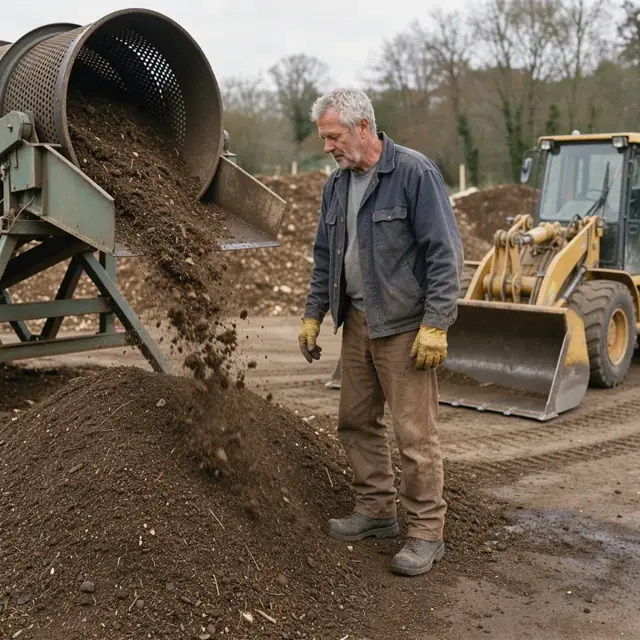
Screening and Inventory Coordinator
Schedule screening runs and maintain inventory of finished compost by grade and origin.
Works in: Ambitious Sheets, Ambitious Tasks, Process Optimizer · Workflows: Screening and inventory grading
Automates
- Calculates volumes ready for screening
- Builds screening schedule around equipment availability
- Updates inventory by grade after each run
- Flags material needing reprocessing
- Generates storage location tags
Stops for a person
- The operator sets quality standards and approves grade assignments
- A person verifies screen settings and output quality
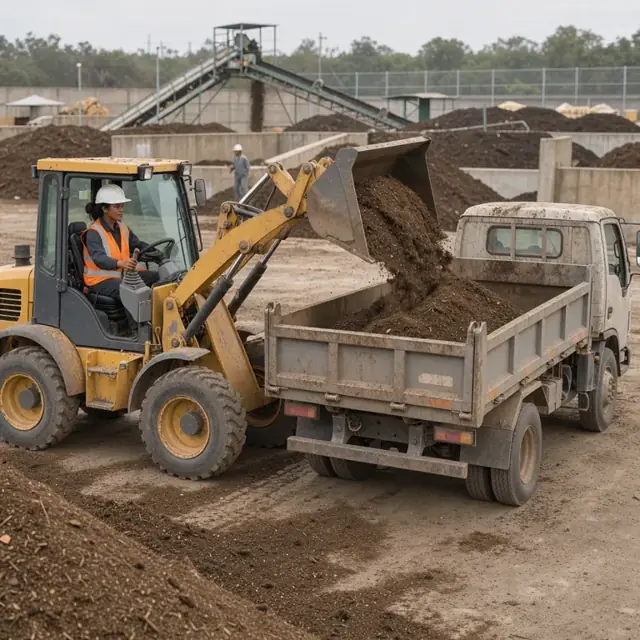
Order and Loading Handler
Convert customer orders into loading schedules and product tickets with analysis data.
Works in: Ambitious Tasks, Ambitious Sheets, Ambitious Docs · Workflows: Order intake and loading schedule
Automates
- Captures order details and required grade
- Checks against current inventory
- Builds daily loading schedule
- Drafts tickets with attached test summaries
- Updates inventory post-loading
Stops for a person
- The operator approves pricing and any substitutions
- A person confirms loaded weights and signs tickets

Dispatch and Route Planner
Group orders and build delivery or pickup routes with customer notifications.
Works in: Ambitious Tasks, Ambitious Sheets, Ambitious Docs · Workflows: Delivery and pickup routing
Automates
- Groups stops by area and truck capacity
- Sequences routes considering load times
- Drafts arrival window messages
- Records completed transactions and weights
- Updates inventory and order status
Stops for a person
- The driver adjusts routes for road or weather conditions
- All customer messages are approved before sending
- A person handles billing and payment

Seasonal Capacity Planner
Forecast feedstock supply and market demand then identify capacity bottlenecks.
Works in: Ambitious Sheets, Process Optimizer, Ambitious Tasks · Workflows: Seasonal capacity and feedstock planning
Automates
- Projects incoming volumes by season
- Compares against pad space and equipment hours
- Highlights turning or screening bottlenecks
- Suggests recipe or inventory adjustments
- Drafts supplier request lists
Stops for a person
- The operator makes all decisions on accepting surges or changing recipes
- A person reviews and approves the final seasonal plan
Workflows
Feedstock intake and recipe building
Starts when: New load of green or brown material arrives or is announced by supplier
- Capture source, weight, visual characteristics, moisture estimate and any lab data
- Check against current pile recipe needs for carbon-nitrogen balance
- Assign the load to an active or new windrow and update the running recipe
- Draft a receipt and log for permit records
- Create a task for immediate incorporation or storage
Watch for: Accurate carbon-nitrogen ratios are critical to avoid anaerobic conditions; Contaminated loads must be rejected or quarantined immediately
Active pile monitoring and turning schedule
Starts when: Daily temperature and moisture readings or fixed cadence
- Collect probe readings from multiple points in each windrow
- Compare readings to target temperature and moisture ranges
- Generate turning, watering or aeration schedule for the day or week
- Flag piles that have reached required time-temperature for pathogen reduction
- Update cumulative heat units and days in process
Watch for: Turning equipment and labor availability limit daily moves; Cold weather slows biological activity and changes the schedule
Lab testing and regulatory compliance
Starts when: End of active phase, quarterly or on permit schedule
- Draft chain-of-custody forms and sample labels for each pile
- Track sample results for pathogens, heavy metals and maturity
- Compare results against regulatory thresholds the operator has confirmed
- Update product approval status and generate test summary sheets
- Track renewal dates for operating permits, water permits and nutrient plans
Watch for: Only the operator confirms which test results meet local requirements; Records must be kept for multiple years and produced on demand
Screening and inventory grading
Starts when: After curing phase or when a pile is ready for market
- Schedule screening run with available equipment
- Separate into fine, medium and oversize fractions
- Update inventory sheets with new volumes by grade and pile origin
- Flag any material that fails visual or test criteria for reprocessing
- Generate labels or tags for bulk storage areas
Watch for: Screen size and throughput vary with moisture content; Oversize material is often reused as bulking agent
Order intake and loading schedule
Starts when: Customer order for bulk or bagged compost
- Capture volume, grade, delivery or pickup date and any certification needs
- Check against current inventory by pile and grade
- Draft loading or bagging schedule and required truck or trailer assignments
- Create delivery or pickup ticket with product analysis summary
- Update inventory after loading
Watch for: Moisture content affects weight and must be noted on tickets; Some customers require specific test reports attached
Delivery and pickup routing
Starts when: Morning of each scheduled delivery or pickup day
- Group orders and pickups by geographic area
- Build route sequence considering truck capacity and load times
- Draft customer notifications with estimated arrival windows
- Record completed loads, weights and any rejections
- Update inventory and billing status
Watch for: Heavy trucks have weight limits and route restrictions; Site access can change with weather or construction
Seasonal capacity and feedstock planning
Starts when: Monthly and before peak spring and fall seasons
- Forecast incoming feedstock volumes and market demand
- Compare against available pad space, equipment hours and labor
- Use process optimization to identify bottlenecks in turning or screening
- Suggest adjustments to pile recipes or inventory targets
- Draft supplier outreach for needed browns or greens
Watch for: Space on the composting pad is limited and must be rotated; Operator makes final decisions on accepting large seasonal surges
Bot templates for this industry
- Compost Manufacturing (7 bots)
Source: U.S. Small Business Administration, Office of Size Standards, Table of Small Business Size Standards Matched to North American Industry Classification System Codes, version March 2023 (effective 2023-03-17, NAICS 2022). Size standards are shown for reference only.