

Pesticide and Other Agricultural Chemical Manufacturing
Pesticide and other agricultural chemical manufacturers produce custom and standard batches of herbicides, insecticides, fungicides and adjuvants. Orders arrive with specific active-ingredient percentages, target crops, carrier preferences and regulatory labels. The specialists convert incoming specs into batch formulas and production schedules, turn schedules into raw-material purchases and equipment cleanouts, track label approvals and safety data sheets, and manage delivery of drums, totes and bags while maintaining chain-of-custody and batch traceability records. Formulation chemists and licensed applicators keep final sign-off on every mix and label.
What makes this business different
- Custom formulations with precise active-ingredient concentrations, carrier solvents, surfactants and stabilizers that must match customer-submitted specs
- Strict batch traceability from raw materials through finished product, including lot numbers and retention samples
- EPA, state and local product registrations, label approvals and safety data sheet updates that change by jurisdiction and crop
- Cross-contamination prevention requiring documented equipment clean-out and rinseate disposal between batches
- Hazardous material storage, spill response plans, personal protective equipment logs and waste manifests
- Seasonal demand peaks tied to planting, growing and harvest windows that drive production forecasting
- Bulk, mini-bulk, drum and packaged deliveries with temperature-controlled transport and chain-of-custody paperwork
- Supplier qualification, certificate-of-analysis verification and raw-material quarantine until tested
Specialist bots

Order Formulator
Convert every customer specification into an approved, production-ready batch formula.
Works in: Ambitious Tasks, Ambitious Docs, Contract Analyzer · Workflows: Order intake and formulation specification
Automates
- Reads incoming order documents and extracts active-ingredient targets, carriers and packaging needs
- Matches requested formula against current registered labels and concentration limits
- Builds the initial batch record template with exact weights and mixing instructions
- Creates the production task with all supporting documents attached
Stops for a person
- The formulation chemist confirms any non-standard blend or deviation from registered label
- A person reviews and approves the final batch record before production begins

Production Scheduler
Build weekly batch sequences that respect equipment clean-out rules and delivery deadlines.
Works in: Process Optimizer, Ambitious Sheets · Workflows: Batch production scheduling and sequencing
Automates
- Groups orders by compatible active ingredients and carriers
- Sequences batches to minimize cleaning steps between products
- Assigns reactors and packaging lines with required hold times
- Calculates total raw material requirements and flags shortages
Stops for a person
- The plant manager adjusts the schedule for maintenance or urgent orders
- Final production schedule is approved by the licensed applicator before release

Raw Material Procurement Coordinator
Turn the production schedule into accurate purchase orders and manage incoming raw material approvals.
Works in: Ambitious Sheets, Ambitious Tasks, Email Buckets · Workflows: Raw material purchasing and receiving
Automates
- Explodes the schedule into ingredient and packaging requirements
- Subtracts current inventory and open orders
- Drafts purchase orders by supplier with required documentation
- Tracks certificates of analysis and quarantine status
Stops for a person
- The purchasing manager places and approves all purchases
- Technical staff reviews certificates of analysis before releasing materials from quarantine

Batch Execution Technician
Guide each production batch through weighing, mixing, sampling and release using the approved record.
Works in: Ambitious Tasks, Ambitious Docs, Process Optimizer · Workflows: Production execution and in-process checks
Automates
- Pulls the exact batch record and displays step-by-step instructions
- Calculates and records precise ingredient weights
- Logs in-process measurements and flags out-of-spec conditions
- Creates the quality control sample request after batch completion
Stops for a person
- A second person verifies all critical additions and measurements
- The quality control chemist approves batch release after lab results are reviewed

Label and Regulatory Compliance Clerk
Generate accurate product labels, maintain safety data sheets and track all required registrations.
Works in: Ambitious Docs, Ambitious Tasks, Contract Analyzer · Workflows: Labeling, SDS and regulatory compliance
Automates
- Creates batch-specific labels with correct lot numbers and regulatory statements
- Updates safety data sheets with current formulation data
- Tracks registration and renewal dates by state and product
- Maintains the master label file with revision history
Stops for a person
- The regulatory specialist confirms every new or revised label before printing
- A person reviews and files all submissions to agencies
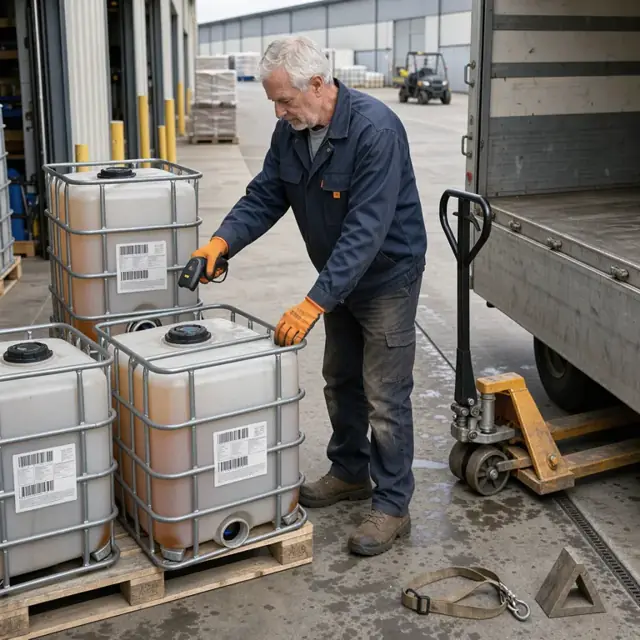
Shipping and Logistics Coordinator
Manage finished goods storage, prepare all shipping documents and track deliveries.
Works in: Ambitious Tasks, Ambitious Docs, Ambitious Sheets · Workflows: Finished goods inventory and shipping
Automates
- Moves released batches into inventory with full traceability
- Generates bills of lading, manifests and hazardous material declarations
- Builds delivery schedules and carrier instructions
- Records chain-of-custody transfers
Stops for a person
- The warehouse supervisor verifies hazardous material packaging and placarding
- A person approves and signs all shipping paperwork before departure

Quality and Retention Specialist
Schedule laboratory testing, retain samples and monitor product stability over time.
Works in: Ambitious Tasks, Ambitious Sheets, Ambitious Docs · Workflows: Quality control and sample retention
Automates
- Creates testing schedules for retained samples
- Tracks retention periods and archive locations
- Logs stability test results and flags trends
- Prepares summary reports for periodic regulatory review
Stops for a person
- The quality manager reviews all test data and decides on any corrective action
- Laboratory staff perform and certify all analytical results
Workflows
Order intake and formulation specification
Starts when: A customer submits a purchase order, specification sheet or request for custom blend via email, portal or direct message
- Extract active-ingredient percentages, target pests or crops, carrier type, volume and packaging requirements
- Check the requested formula against current registered labels and approved concentration ranges
- Confirm production slot against tank and reactor availability for the requested delivery window
- Draft the batch record template with exact ingredient weights and mixing order
- Create a production task with the customer-approved specification attached
Watch for: Active-ingredient concentrations must match exactly what is on the approved label; Any deviation from a registered formula requires review before acceptance
Batch production scheduling and sequencing
Starts when: After order cutoff or on a weekly cadence
- Aggregate confirmed orders by similar active ingredients and carrier types
- Sequence batches to minimize clean-out time between incompatible products
- Assign reactors, mixing tanks and packaging lines with required hold times
- Calculate total raw-material needs and flag any items under minimum order quantity
- Generate the master production schedule with start and finish times for each step
Watch for: Incompatible active ingredients cannot share the same equipment without validated cleaning; Temperature and agitation parameters are specific to each formulation
Raw material purchasing and receiving
Starts when: After batch schedule is locked and on a monthly cadence
- Explode the production schedule into a detailed ingredient and packaging list
- Compare needs against current inventory and open purchase orders
- Draft purchase orders for technical actives, solvents, surfactants, drums and labels
- Record incoming certificates of analysis and place materials on quarantine until approved
- Update inventory records and adjust reorder points for seasonal items
Watch for: Technical-grade active ingredients must come from qualified suppliers with current regulatory documentation; Hazardous raw materials require special storage and handling paperwork upon receipt
Production execution and in-process checks
Starts when: Start of each scheduled batch
- Pull the pre-approved batch record and verify equipment cleanliness sign-off
- Weigh and add ingredients in the exact order and quantities listed
- Record in-process measurements such as pH, density, viscosity and temperature
- Sample the finished batch for quality control testing
- Release the batch for packaging only after lab results meet specification
Watch for: All additions and measurements must be double-checked and documented by a second person; Any deviation requires a formal deviation report before proceeding
Labeling, SDS and regulatory compliance
Starts when: Before each new batch and on label renewal dates
- Generate batch-specific labels with lot number, EPA registration number, signal word and required statements
- Update safety data sheets to reflect current formulation and supplier data
- Track state registrations and notify when renewals or supplemental labels are needed
- Maintain the master label file with all approved versions and revision dates
- Prepare export documentation when orders ship outside the country
Watch for: Every label must match the exact registered product and current EPA or state approvals; Changes to hazard statements or directions for use require regulatory review
Finished goods inventory and shipping
Starts when: After batch release and when customer requests shipment
- Move approved product into finished-goods storage with lot traceability
- Prepare shipping manifests, bills of lading and hazardous materials declarations
- Draft delivery schedules and carrier instructions for temperature-sensitive or time-critical loads
- Record chain-of-custody transfers at each handoff
- Close the order and trigger invoice generation
Watch for: Certain products must be stored and shipped within specific temperature ranges; Hazardous material transport requires certified drivers and placarding
Quality control and sample retention
Starts when: Daily and on a quarterly cadence
- Schedule and document laboratory testing of retained samples
- Maintain physical and digital archives of batch samples for the required retention period
- Monitor stability trends and flag any batches showing degradation
- Prepare annual product quality reports for regulatory review
- Coordinate third-party lab testing when internal capacity is exceeded
Watch for: Retention periods are dictated by EPA and state regulations and vary by product type; All test methods must be validated and documented
Bot templates for this industry
Source: U.S. Small Business Administration, Office of Size Standards, Table of Small Business Size Standards Matched to North American Industry Classification System Codes, version March 2023 (effective 2023-03-17, NAICS 2022). Size standards are shown for reference only.