

In-Vitro Diagnostic Substance Manufacturing
In-vitro diagnostic substance manufacturers produce reagents, calibrators, controls, test kits and assay components used in clinical, point-of-care and laboratory testing. For a facility that receives custom assay development requests, scales pilot batches and ships time-sensitive kits, the specialists convert incoming specifications into verified production orders, production orders into validated batch records and material requirements, batch records into scheduled manufacturing runs with quality checkpoints, and completed runs into release documentation, stability protocols and reorder triggers. Formulation, validation protocols and regulatory filings remain with the quality and regulatory teams.
What makes this business different
- Custom assay requests with exact analyte targets, matrix compatibility, shelf-life and performance specifications that must be translated without alteration
- Strict lot traceability for every raw material, intermediate and finished kit component
- Validated manufacturing processes with change control and deviation documentation
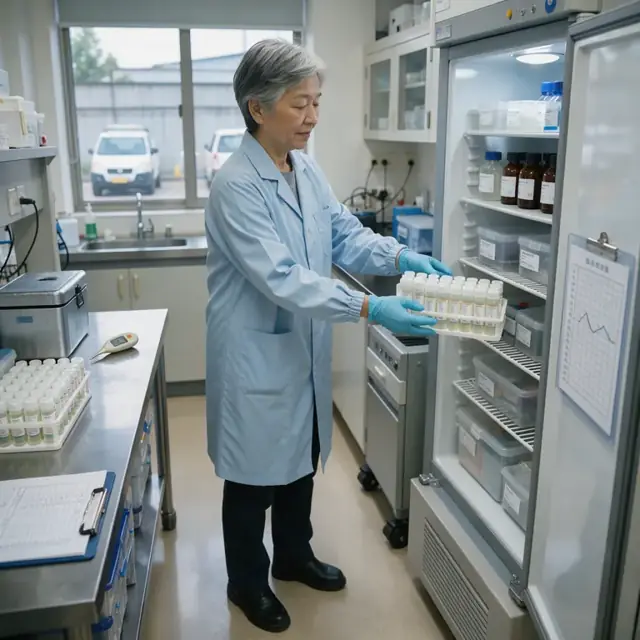
- Temperature-controlled and light-protected storage for reagents and calibrators
- Stability studies, expiration dating and real-time monitoring of retained samples
- Quality control testing, certificate of analysis generation and release by authorized personnel only
- Compliance paperwork including batch production records, equipment logs and audit trails
- Customer-specific labeling, kit configurations and documentation packages
- Cleanroom qualification, equipment calibration and environmental monitoring logs that must be current before any run
- Supplier qualification records and incoming material inspection reports required for every lot
Specialist bots

Specification Intake Specialist
Convert every incoming custom assay request into a verified, traceable order specification.
Works in: Ambitious Tasks, Ambitious Docs, Contract Analyzer · Workflows: Custom assay and kit order intake
Automates
- Reads incoming specification messages and forms
- Extracts analyte targets, performance requirements and kit format details verbatim
- Creates a standardized specification sheet with unique project identifier
- Drafts acknowledgment and routes technical questions to formulation
- Generates the initial order task with full traceability identifier
Stops for a person
- The formulation scientist reviews and approves technical feasibility
- Any deviations from standard offerings are confirmed by the technical lead
- A person sends final order confirmations and handles contract terms

Batch Record and Materials Planner
Transform approved specifications into master batch records, bills of materials and purchase requisitions.
Works in: Ambitious Docs, Ambitious Sheets, Ambitious Tasks · Workflows: Batch record and material requirements planning
Automates
- Generates master batch record templates from approved formulas
- Calculates exact material quantities required
- Subtracts current validated inventory
- Drafts purchase requisitions for needed raw materials
- Flags materials requiring requalification or new supplier approval
- Attaches equipment qualification status to each batch record
Stops for a person
- The quality unit reviews and approves all batch records before use
- Purchasing decisions and supplier selections are made by authorized personnel
- Any change to a master formula is reviewed through the change control process

Manufacturing Scheduler
Create weekly production schedules that respect equipment qualification, cleanroom availability and quality testing windows.
Works in: Process Optimizer, Ambitious Sheets, Ambitious Tasks · Workflows: Manufacturing schedule and capacity planning
Automates
- Sequences manufacturing runs to minimize changeovers and cleaning validation
- Checks against qualified equipment, cleanroom and personnel availability
- Incorporates quality control, stability testing time and environmental monitoring requirements
- Identifies required validation or calibration activities
- Generates the weekly production calendar with assigned resources
- Flags conflicts with audits or preventive maintenance
Stops for a person
- The production manager approves the final schedule
- Any schedule changes that affect validation status are reviewed by quality
- Personnel gowning and training status is confirmed by the manufacturing lead

Quality Release Coordinator
Compile quality control results, generate certificates of analysis and prepare release documentation packages.
Works in: Ambitious Docs, Ambitious Sheets, Ambitious Tasks · Workflows: Quality control testing and product release
Automates
- Generates testing protocols from master records
- Organizes test results against acceptance criteria
- Compiles certificate of analysis templates and batch review checklists
- Prepares complete release documentation packages
- Updates retained sample and stability schedules after release
Stops for a person
- Only the quality unit can approve final product release
- All deviations and investigations are reviewed and closed by quality personnel
- A person confirms that all test methods are current and validated
Inventory and Stability Manager
Track lot-specific inventory, monitor stability samples and trigger reorders and expiration notifications.
Works in: Ambitious Sheets, Ambitious Tasks, Ambitious Docs · Workflows: Inventory, stability and reorder management
Automates
- Updates inventory after each release and consumption
- Schedules stability pull dates and testing
- Calculates reorder points and drafts purchase requisitions
- Tracks kit expiration and generates internal alerts
- Maintains temperature logs and retained sample inventory
Stops for a person
- Purchasing and spending decisions are made by authorized staff
- Stability data interpretation and trending are performed by the stability scientist
- Quarantine or rejection of material is decided by quality personnel only

Shipping and Documentation Preparer
Generate customer-specific labels, inserts, certificates and cold-chain shipping documentation.
Works in: Ambitious Docs, Ambitious Tasks, Ambitious Sheets · Workflows: Shipping, labeling and customer documentation
Automates
- Creates approved labeling and package inserts from controlled templates
- Compiles customer documentation packages with lot traceability
- Generates temperature-controlled shipping instructions and chain-of-custody forms
- Prepares final customer documentation and records shipment details
- Schedules any contract-required post-shipment stability testing
Stops for a person
- All final labels and inserts are approved by the quality unit before printing
- A person reviews and approves every shipment package and carrier selection
- Cold-chain packaging configuration is validated by the quality team
Compliance and Records Coordinator
Maintain batch records, track regulatory renewal dates and prepare audit readiness materials.
Works in: Ambitious Docs, Ambitious Sheets, Ambitious Tasks · Workflows: Regulatory and compliance documentation
Automates
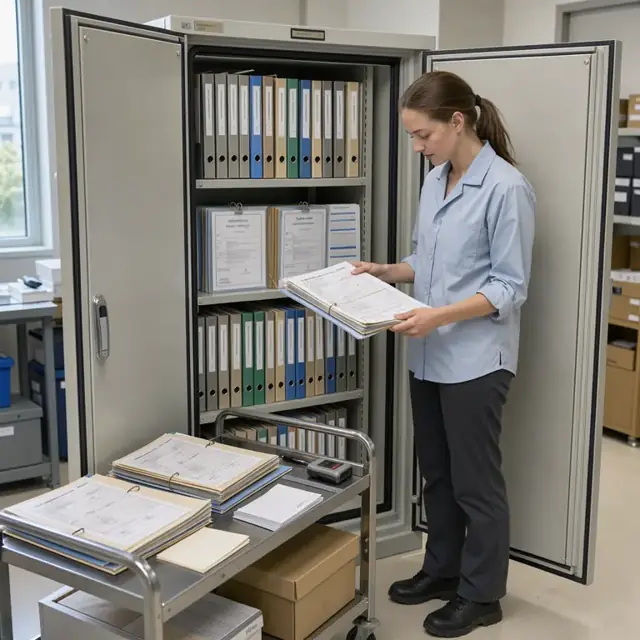
- Compiles complete batch production records with all supporting data
- Tracks renewal dates for licenses, supplier qualifications and calibrations
- Generates annual product review summaries from released batches
- Maintains change control, validation and deviation indexes
- Creates audit readiness checklists and compiles requested document sets
Stops for a person
- The quality unit confirms which requirements apply to each product and process
- All filings, certifications and audit responses are handled by qualified personnel
- A person reviews and approves all records before they are considered complete
Workflows
Custom assay and kit order intake
Starts when: A customer submits specifications by secure form, email or portal
- Capture analyte targets, matrix, required sensitivity, shelf-life, kit format and labeling requirements verbatim
- Check the request against current validated offerings, manufacturing feasibility and cleanroom availability
- Assign a unique lot-traceable project identifier
- Draft acknowledgment with next review timeline
- Create a verified order task with full specification sheet attached
- Route any technical or feasibility questions to the formulation team
Watch for: Specifications must be captured verbatim and never summarized; Requests for new analytes trigger feasibility review before acceptance; Allergen or biocompatibility requirements for clinical use must be flagged immediately
Batch record and material requirements planning
Starts when: After order verification and on a weekly cadence
- Explode the order specification into a detailed bill of materials referencing only approved master formulas
- Generate a master batch record template with in-process controls, acceptance criteria and sampling points
- Calculate required quantities of raw materials, buffers, packaging components and labels
- Subtract current validated and released inventory
- Draft purchase requisitions for shortfalls and flag any materials needing requalification or new supplier approval
- Attach equipment and cleanroom qualification status to the batch record
Watch for: All calculations must reference approved master formulas; Material traceability requirements apply to every component; Change control documentation is required for any deviation from the master formula
Manufacturing schedule and capacity planning
Starts when: Weekly and after new order confirmation
- Compare pending orders against qualified equipment availability, cleanroom capacity and personnel certification status
- Sequence production runs to minimize changeover, cleaning validation and cross-contamination risk
- Incorporate quality control testing windows, stability chamber availability and environmental monitoring requirements
- Draft the weekly production schedule with assigned personnel, equipment and gowning protocols
- Identify any required process validation, revalidation or equipment calibration activities before the run
- Flag any schedule conflicts with upcoming audits or preventive maintenance
Watch for: Cleanroom and equipment qualification status must be current; Dedicated equipment may be required for certain high-sensitivity assays; Environmental monitoring data must be reviewed and cleared before production begins
Quality control testing and product release
Starts when: Completion of each manufacturing run
- Generate in-process and final quality control testing protocols from the master batch record
- Record test results against predefined acceptance criteria and retain raw data
- Compile certificate of analysis, batch review checklist and deviation investigation summary
- Flag any deviations or out-of-specification results for investigation and corrective action
- Prepare complete release documentation package once all criteria are confirmed
- Update retained sample inventory and stability study schedule
Watch for: Only authorized quality personnel can approve release; Deviations and out-of-specification results require documented investigation; All test methods must be validated and current
Inventory, stability and reorder management
Starts when: Daily for critical items and after each release
- Update lot-specific inventory for finished kits, reagents, components and retained samples
- Monitor stability samples, schedule pull dates and trigger real-time stability testing
- Calculate reorder points based on lead times, demand forecast and safety stock for critical reagents
- Draft purchase requisitions for raw materials approaching minimum stock levels
- Track kit expiration dates and generate internal alerts for nearing-expiry stock
- Maintain temperature and light-exposure logs for all controlled storage areas
Watch for: Cold-chain and light-sensitive materials require continuous monitoring; Retained samples must be stored for the required retention period; Inventory status must clearly distinguish released, quarantined and rejected material
Shipping, labeling and customer documentation
Starts when: After quality release and upon customer request
- Generate customer-specific labeling, package inserts and instructions using only approved artwork and text
- Prepare shipping documentation including certificates of analysis, handling instructions and chain-of-custody forms
- Draft temperature-controlled shipping protocols and validate cold-chain packaging configuration
- Create final customer documentation package with lot numbers and expiration dates
- Record shipment details, carrier information and lot numbers sent to each customer
- Schedule post-shipment stability pull if required by contract
Watch for: Cold chain validation documentation must accompany temperature-sensitive shipments; Labeling must match the exact approved artwork and regulatory text; Customer-specific configuration and documentation must be verified against the purchase order
Regulatory and compliance documentation
Starts when: On production completion, audit schedule and renewal dates
- Compile batch production records, equipment use logs, environmental monitoring data and calibration certificates
- Track renewal dates for facility licenses, supplier qualifications, equipment calibrations and personnel certifications
- Generate annual product review data summaries from released batches
- Maintain change control, validation and deviation logs with full traceability
- Prepare audit readiness checklists and compile requested document sets
- Flag any upcoming preventive maintenance or requalification that could affect production
Watch for: All records must be complete, legible and traceable to specific lots; The quality unit confirms which regulatory requirements apply to each product; Supplier and raw material qualification records must be current before use
Bot templates for this industry
Source: U.S. Small Business Administration, Office of Size Standards, Table of Small Business Size Standards Matched to North American Industry Classification System Codes, version March 2023 (effective 2023-03-17, NAICS 2022). Size standards are shown for reference only.