

Adhesive Manufacturing
Adhesive manufacturers produce custom and standard adhesive formulations in batches for industrial, packaging, construction and consumer use. For a plant that mixes solvent-based, water-based and hot-melt adhesives to specific viscosities, cure times and bond strengths, the specialists turn customer specifications into batch formulas, raw-material purchase orders and production schedules, then track mixing, testing, packaging and shipment while maintaining safety data sheets and regulatory paperwork. Chemists keep exact formulas and test methods.
What makes this business different
- Custom formulations with precise requirements for viscosity, open time, cure speed, substrate bonding and regulatory needs that must be recorded exactly
- Batch production runs that combine multiple customer orders sharing the same base chemistry
- Hazardous raw materials such as solvents, resins and isocyanates requiring special storage, handling and disposal tracking
- Inventory of temperature-sensitive and shelf-life-limited ingredients with strict FIFO rotation
- Quality testing at multiple stages including viscosity, solids content, pH and bond strength
- Safety data sheets, batch records, VOC tracking, hazardous waste manifests and facility permits that must stay current
- Repeat industrial customers who reorder the same formula with minor adjustments for new applications
Specialist bots
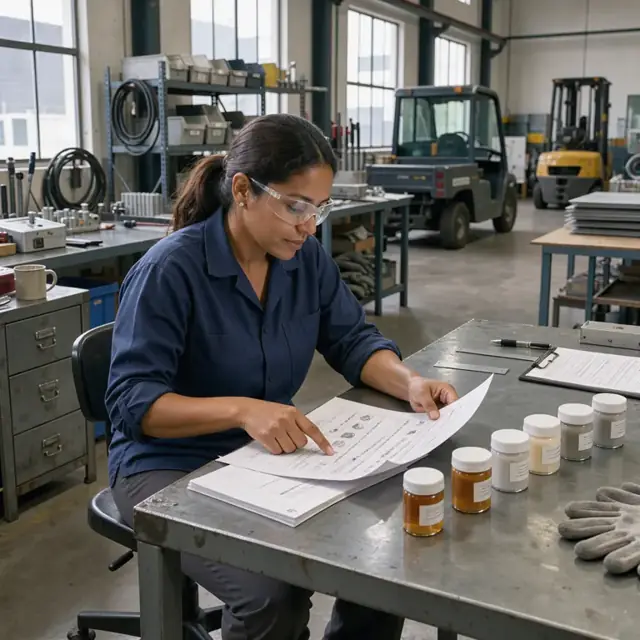
Specification Intake Specialist
Convert every customer specification into a complete, production-ready order record.
Works in: Ambitious Tasks, Ambitious Docs, Email Buckets · Workflows: Order intake and specification review
Automates
- Reads incoming order emails and attached specification sheets
- Extracts all technical requirements and special instructions
- Checks against existing formulas and equipment capability
- Drafts order acknowledgment
- Creates the master production task
Stops for a person
- The chemist reviews and approves all new or modified formulas
- A person sends final order confirmations and negotiates lead times
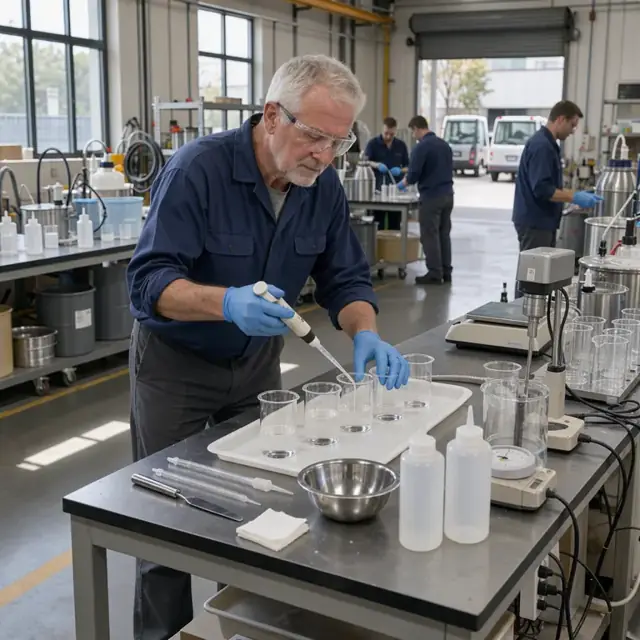
Formula Development Chemist
Develop and scale lab formulas that meet exact customer performance requirements.
Works in: Ambitious Docs, Ambitious Sheets, Process Optimizer · Workflows: Formula development and scale-up
Automates
- Searches existing formula library for similar products
- Calculates initial ingredient ratios for new specifications
- Generates lab-scale mixing instructions
- Tracks scale-up adjustments from lab to production
- Updates the master formula database
Stops for a person
- The lead chemist approves every formula before production use
- Performance test results are reviewed by a person before scale-up

Production Scheduler
Create efficient multi-day batch schedules that respect equipment, cleaning and material constraints.
Works in: Ambitious Sheets, Ambitious Tasks · Workflows: Batch production scheduling
Automates
- Groups orders by compatible chemistry families
- Builds reactor and mixer schedules with cleaning time between batches
- Calculates total raw material needs
- Flags special cleaning or sequencing requirements
Stops for a person
- The production manager approves the final weekly schedule
- Changes to equipment availability are entered by people

Raw Materials Planner
Convert production schedules into accurate raw material orders while tracking hazardous material requirements.
Works in: Ambitious Sheets, Ambitious Tasks, Ambitious Docs · Workflows: Raw material purchasing and inventory
Automates
- Explodes formulas into precise ingredient quantities
- Subtracts current stock and accounts for shelf life
- Drafts purchase orders by supplier
- Tracks certificates of analysis and safety data sheets
Stops for a person
- Purchasing decisions and spending are handled by people
- The safety officer reviews hazardous material orders

Batch Record Technician
Generate detailed batch tickets, capture process data and maintain complete production records.
Works in: Ambitious Docs, Ambitious Sheets, Ambitious Tasks · Workflows: Production execution and in-process testing, Quality testing and batch release
Automates
- Creates batch-specific mixing instructions with exact weights
- Builds digital forms for real-time process data entry
- Schedules quality test points
- Compiles complete batch records with all test results
Stops for a person
- Operators record actual process values and observations
- The quality manager reviews and releases each batch

Quality Testing Coordinator
Organize testing schedules, compile results and prepare certificates of analysis for released batches.
Works in: Ambitious Sheets, Ambitious Docs, Ambitious Tasks · Workflows: Quality testing and batch release
Automates
- Generates test schedules based on batch requirements
- Compares test results against specification limits
- Drafts certificates of analysis
- Maintains historical test data for each formula
Stops for a person
- Laboratory personnel perform all physical tests
- The technical manager approves batch release decisions

Compliance and Documentation Coordinator
Maintain safety data sheets, regulatory reports and customer documentation packages.
Works in: Ambitious Docs, Ambitious Sheets, Contract Analyzer · Workflows: Regulatory compliance and documentation, Packaging, labeling and shipping
Automates
- Updates safety data sheets when formulas change
- Compiles monthly regulatory tracking reports
- Generates customer-specific labeling and shipping documents
- Tracks permit and manifest renewal dates
Stops for a person
- The regulatory manager confirms which requirements apply
- All documents sent to customers or agencies are approved by a person
- The bot organizes records but people confirm requirements are met
Workflows
Order intake and specification review
Starts when: A customer submits a purchase order, specification sheet or request for quote by email or portal
- Capture required viscosity, cure time, substrates, bond strength, color, packaging size and any regulatory needs
- Match against existing formulas or flag as new development
- Confirm production feasibility against current equipment and raw material availability
- Draft order acknowledgment with estimated lead time
- Create a production task with complete specification sheet attached
Watch for: Technical specifications must be captured verbatim and never approximated; New formulations require chemist review before acceptance
Formula development and scale-up
Starts when: New or modified adhesive specification received
- Review customer requirements against existing library
- Draft small-batch lab formula with exact ingredient ratios
- Schedule lab mixing and testing sequence
- Scale successful lab batch to production size
- Update master formula record with final instructions
Watch for: Chemist must approve every new or changed formula; Scale-up factors must preserve performance characteristics
Batch production scheduling
Starts when: Confirmed orders reach production threshold or on weekly cadence
- Group compatible orders by chemistry type and equipment requirements
- Build multi-day mixing schedule based on reactor availability and cleaning time between incompatible batches
- Calculate total raw materials required for the run
- Reserve tank and packaging line time
- Flag any batches needing special cleaning or changeover procedures
Watch for: Cross-contamination prevention between different chemistries requires thorough cleaning protocols; Reactor and mixer capacity limits batch sizes
Raw material purchasing and inventory
Starts when: After batch schedule is locked and on monthly review
- Explode scheduled batches into precise raw material requirements by formula
- Subtract current inventory and shelf-life considerations
- Draft purchase orders by supplier for solvents, resins, fillers and additives
- Track hazardous material certificates of analysis and safety data sheets
- Monitor minimum stock levels for critical ingredients
Watch for: Many raw materials have limited shelf life and strict storage temperature requirements; Hazardous materials require special vendor documentation
Production execution and in-process testing
Starts when: Start of each scheduled batch
- Generate detailed batch ticket with exact weights and mixing instructions
- Record actual weights, temperatures, mix times and observations
- Schedule in-process quality tests at specified intervals
- Flag any deviations for immediate review
- Update inventory with completed batch quantities
Watch for: Precise weighing and addition order are critical to final product performance; All process parameters must be documented in real time
Quality testing and batch release
Starts when: Completion of each production batch
- Create testing schedule for viscosity, solids, pH, cure time and bond strength
- Record all test results against specification limits
- Draft certificate of analysis for each batch
- Hold or release batch based on test results
- Update batch record with final test data and release status
Watch for: Test methods must follow exact ASTM or internal standards; Failed batches require documented rework or disposal instructions
Packaging, labeling and shipping
Starts when: Batch release for shipment
- Generate packaging instructions by container type and size
- Draft labels including product name, batch number, hazard warnings and expiration
- Create shipping documents and bills of lading
- Schedule carrier pickup for hazardous or non-hazardous loads
- Track shipment status to customer
Watch for: Hazard communication labeling must match current safety data sheet; Certain adhesives require temperature-controlled transport
Regulatory compliance and documentation
Starts when: Monthly, quarterly and on renewal dates
- Update safety data sheets when formulas change
- Compile VOC emissions, hazardous waste and chemical inventory reports
- Track facility permits, air permits and waste manifests
- Maintain master batch records for traceability
- Generate customer-required compliance documentation
Watch for: Regulations vary by product type, volume and destination market; The technical manager confirms which requirements apply to each formula
Bot templates for this industry
- Adhesive Manufacturing (7 bots)
Source: U.S. Small Business Administration, Office of Size Standards, Table of Small Business Size Standards Matched to North American Industry Classification System Codes, version March 2023 (effective 2023-03-17, NAICS 2022). Size standards are shown for reference only.