

Polish and Other Sanitation Good Manufacturing
Polish and sanitation goods manufacturers produce batches of floor polish, furniture polish, glass cleaner, disinfectants, drain cleaners and related chemical products. For a plant that runs weekly batch runs of custom and standard formulas, the specialists turn customer orders or forecasts into production schedules, raw-material purchase lists, batch sheets with exact weights and mixing instructions, quality-test logs, labeling and SDS documents, and finished-goods inventory updates. Formulas, safety data sheets, EPA and OSHA requirements stay with the chemist and plant manager.
What makes this business different
- Precise chemical formulas that must be weighed and mixed in exact sequence and temperature
- Batch production with lot tracking for every raw material and finished container
- Hazardous raw materials requiring special storage, PPE and spill procedures
- Regulatory paperwork including safety data sheets, EPA registration numbers, VOC limits and labeling rules
- Quality testing at multiple points in the batch with recorded results
- Inventory of volatile or unstable ingredients bought just in time with strict FIFO rotation
- Customer-specific labeling, private-label runs and varying container sizes
- Seasonal demand spikes for certain cleaners and polishes
- Equipment cleaning validation and dedicated vessels for incompatible chemistries
- Hazardous-material shipping papers and spill response records
Specialist bots

Order Coordinator
Convert incoming orders and forecasts into scheduled production tasks with correct formula assignments.
Works in: Ambitious Tasks, Ambitious Docs, Email Buckets · Workflows: Order intake and formula assignment
Automates
- Reads order emails, portals and forecast files
- Matches products to formulas and flags custom requests
- Checks material availability and delivery dates
- Creates detailed production tasks
Stops for a person
- The chemist approves any new or modified formula
- The plant manager confirms schedule feasibility
- A person sends order acknowledgments and handles payment

Production Scheduler
Build weekly batch schedules that respect equipment, changeover and capacity constraints.
Works in: Process Optimizer, Ambitious Tasks · Workflows: Batch production scheduling
Automates
- Groups compatible formulas into largest efficient batches
- Sequences runs to reduce cleaning time
- Assigns mixers, fillers and packaging lines
- Generates detailed batch sheets with weights and process steps
Stops for a person
- The plant manager approves the final schedule
- The chemist reviews any new sequence that could affect stability
Raw Materials Planner
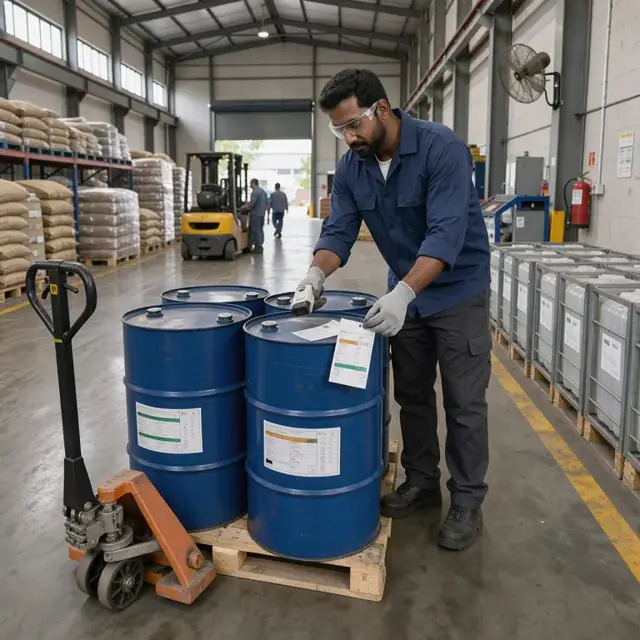
Convert batch requirements into accurate purchase orders and maintain strict inventory records for hazardous ingredients.
Works in: Ambitious Sheets, Ambitious Tasks, Ambitious Docs · Workflows: Raw material purchasing and inventory
Automates
- Calculates exact raw material needs from batch sheets
- Adjusts for current stock and minimum orders
- Drafts purchase orders with required documentation
- Tracks shelf life and storage requirements
Stops for a person
- The owner approves and places all purchases
- The chemist verifies chemical specifications on incoming certificates

Batch Technician
Guide each production run with exact instructions, record process data and manage in-process quality tests.
Works in: Ambitious Tasks, Ambitious Sheets, Process Optimizer · Workflows: Batch execution and quality testing
Automates
- Issues pre-weigh sheets and lot numbers
- Records actual weights, temperatures and mixing times
- Logs test results for pH, viscosity and other parameters
- Holds batch until all checks are complete
Stops for a person
- The operator performs and initials every addition and test
- The chemist reviews and releases any out-of-spec batch
- A person signs off on rework or disposal decisions

Labeling and SDS Specialist
Generate lot-specific labels, safety data sheets and shipping documents that match each finished batch.
Works in: Ambitious Docs, Contract Analyzer, Ambitious Tasks · Workflows: Labeling, packaging and SDS generation
Automates
- Creates container labels with all required elements
- Updates and formats safety data sheets
- Prepares hazardous material shipping papers
- Records packaging and lot movement
Stops for a person
- The plant manager verifies label claims and regulatory text
- A person approves every document before it is printed or sent
Inventory and Replenishment Manager
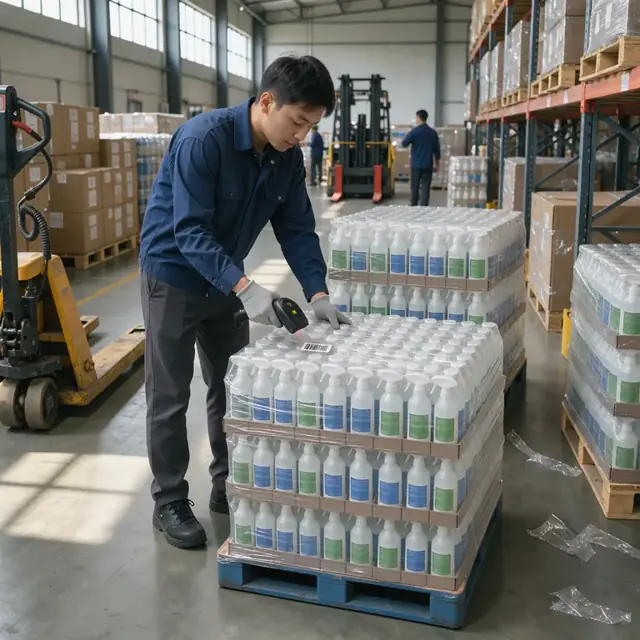
Maintain accurate finished-goods inventory, track lot locations and recommend production quantities.
Works in: Ambitious Sheets, Ambitious Tasks · Workflows: Finished goods inventory and replenishment
Automates
- Updates inventory after each packaging run
- Calculates reorder points and suggested batch sizes
- Flags expiring or slow-moving stock
- Reconciles physical counts with system records
Stops for a person
- The plant manager reviews suggested production quantities
- A person performs and signs off on physical inventory counts
Compliance and Records Coordinator
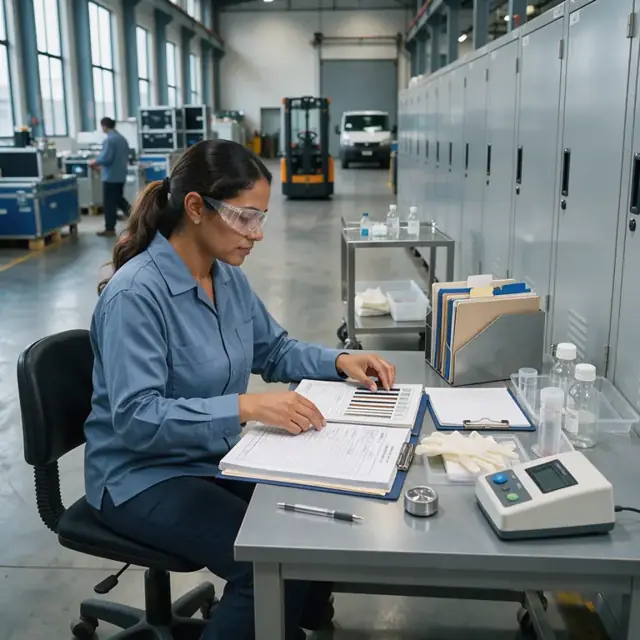
Organize batch records, track regulatory deadlines and maintain current safety and formulation documentation.
Works in: Ambitious Docs, Ambitious Sheets, Ambitious Tasks · Workflows: Regulatory compliance and record keeping
Automates
- Compiles complete batch records from all steps
- Tracks registration and reporting dates
- Keeps safety data sheets synchronized with formulas
- Prepares summary reports from production data
Stops for a person
- The plant manager confirms applicable regulations for each product
- People review and approve all records before archiving or submission
- The bot never certifies compliance
Workflows
Order intake and formula assignment
Starts when: A customer order arrives by email, portal or forecast upload
- Capture product type, quantity, container size, label requirements and any custom formula notes
- Match order to existing formula or flag for chemist review
- Check against current production schedule and raw-material availability
- Confirm delivery or pickup date against plant capacity
- Create a production task with complete batch specifications
Watch for: Custom formulas must be approved by the chemist before scheduling; Private-label artwork and claims must be verified against regulatory limits
Batch production scheduling
Starts when: Weekly forecast or after order cutoff
- Combine like-formula orders into efficient batch sizes
- Sequence batches to minimize changeover and cleaning between incompatible chemistries
- Assign mixing vessels, fill lines and packaging equipment
- Generate batch sheets with exact ingredient weights, mixing times, temperatures and order of addition
- Schedule in-process quality tests and hold points
Watch for: Vessel and line dedication rules for certain acids or solvents; Changeover cleaning validation between batches; Equipment capacity and shift limits constrain total output
Raw material purchasing and inventory
Starts when: After production schedule is locked and on a weekly cadence
- Explode batch sheets into a complete raw-material requirements list
- Subtract current inventory and open purchase orders
- Draft purchase orders by supplier with required certificates of analysis
- Track FIFO dates, shelf-life and special storage conditions for each lot
- Flag low-stock items that will affect the next run and generate reorder alerts
Watch for: Certain solvents and actives must be ordered with hazardous-material shipping papers; Inventory must reflect exact drum, tote or bag quantities on hand; Hazardous materials require segregated storage tracking
Batch execution and quality testing
Starts when: Start of each scheduled production run
- Pull the pre-weigh sheet and issue raw materials from inventory with lot numbers
- Record actual weights, mixing parameters, temperatures and operator observations
- Perform in-process pH, viscosity, specific gravity and active-ingredient tests at each hold point
- Log results against formula specifications and hold batch until all tests pass review
- Release batch for filling or initiate rework and update lot traceability
Watch for: Every addition and test must be documented with operator initials and timestamp; Out-of-spec batches require documented rework or disposal instructions signed by the chemist
Labeling, packaging and SDS generation
Starts when: After batch is released for filling
- Generate lot-specific labels with product name, ingredients, directions, warnings and registration numbers
- Create or update the corresponding safety data sheet for the exact formulation
- Draft pallet and case labels with lot and expiration dates
- Prepare shipping papers for hazardous materials if required
- Record quantities filled, packaged and moved to finished goods with lot numbers
Watch for: Label claims and signal words must match the approved formula and regulatory filings; SDS must reflect the exact formulation and be current before any shipment
Finished goods inventory and replenishment
Starts when: After each batch is packaged and on a weekly basis
- Update inventory with new lot quantities, locations and expiration dates
- Reconcile any discrepancies from the production run against physical counts
- Forecast reorder points based on sales velocity and seasonal patterns
- Draft replenishment production quantities for the next schedule
- Flag slow-moving or expiring stock for review and possible rework
Watch for: Strict FIFO picking for finished goods with limited shelf life; Warehouse segregation of incompatible or hazardous finished products; Lot traceability must be maintained through shipment
Regulatory compliance and record keeping
Starts when: Every production day and on fixed review dates
- Compile batch records, test results, calibration logs and operator sign-offs
- Track registration, reporting and renewal deadlines for EPA, OSHA and state agencies
- Maintain current safety data sheets and ingredient disclosure lists synchronized to formulas
- Generate required regulatory summaries from production data
- Archive all records with clear lot traceability for audits
Watch for: The plant manager confirms which federal, state and local rules apply to each formula; People review and approve all documents before filing or submission
Bot templates for this industry
Source: U.S. Small Business Administration, Office of Size Standards, Table of Small Business Size Standards Matched to North American Industry Classification System Codes, version March 2023 (effective 2023-03-17, NAICS 2022). Size standards are shown for reference only.