

Surface Active Agent Manufacturing
Surface active agent manufacturers produce surfactants, emulsifiers, wetting agents and detergents used in cleaning, personal care, industrial processing and agricultural formulations. For a plant that blends custom surfactant packages from base chemistries, the specialists turn incoming specifications into batch formulas, schedule production runs around reactor availability and tank cleaning, manage raw material inventory with strict purity and safety requirements, generate labels and safety data sheets, and track regulatory paperwork. Chemists and operators keep final formulation, reaction parameters and hazard reviews.
What makes this business different
- Custom formulations with precise active percentages, pH, viscosity and performance specs that must be reproduced exactly
- Multi-step batch reactions in stainless or glass-lined reactors with strict sequencing and cleaning between incompatible chemistries
- Hazardous raw materials requiring controlled storage, PPE, spill containment and compatibility matrices
- Inventory of bulk drums, totes and tank trucks with lot traceability, shelf-life monitoring and FIFO usage
- Production scheduling that accounts for reaction times, cooling, filtration, drumming and tank washouts
- Generation and updating of safety data sheets, product labels, VOC reports and regulatory filings
- Repeat industrial customers who reorder standard packages on contract with quarterly adjustments
- Wastewater treatment logs, air permits and hazardous waste manifests that must be maintained
Specialist bots

Formula Intake Specialist
Convert customer specifications into accurate master batch records ready for production.
Works in: Ambitious Tasks, Ambitious Docs, Contract Analyzer · Workflows: Specification intake and formula creation
Automates
- Parses incoming specifications and purchase orders
- Matches against existing formula database
- Calculates ingredient weights for target batch size
- Builds the step-by-step master batch record
- Creates the linked production task
Stops for a person
- The chemist reviews and approves all new or modified formulas
- Any off-spec or special test requirements are confirmed by technical staff
- A person sends the final order confirmation

Production Scheduler
Create efficient weekly batch schedules that respect reactor availability, cleaning requirements and operator coverage.
Works in: Ambitious Tasks, Process Optimizer · Workflows: Batch production scheduling
Automates
- Sequences batches to reduce cleaning steps
- Accounts for reaction and cooling durations
- Generates daily operator work instructions
- Flags special handling or environmental steps
Stops for a person
- The production manager approves the final schedule
- Changes to cleaning validation procedures are decided by the chemist
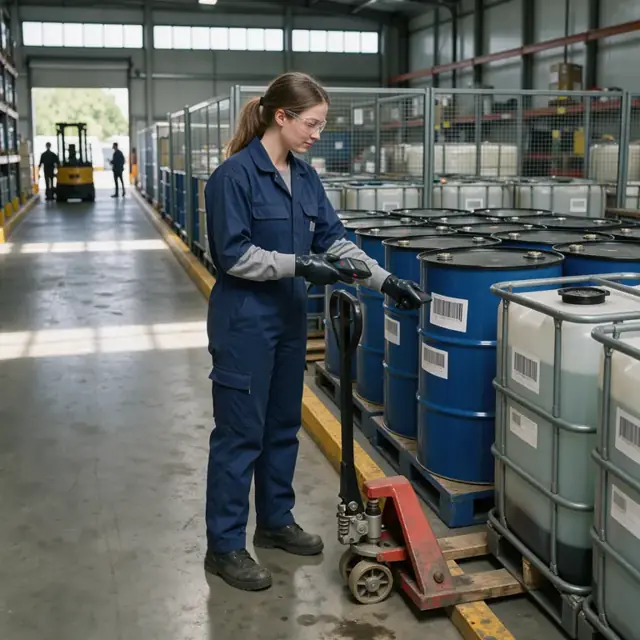
Raw Material Inventory Manager
Maintain accurate stock levels of hazardous raw materials and packaging while ensuring lot traceability.
Works in: Ambitious Sheets, Ambitious Tasks, Ambitious Docs · Workflows: Raw material purchasing and inventory control
Automates
- Calculates exact raw material needs from the production schedule
- Compares against current inventory and shelf life
- Drafts purchase requisitions by supplier
- Records incoming lot certificates and assigns internal numbers
Stops for a person
- Purchasing and spending decisions are made by the owner or manager
- Compatibility and storage location changes are approved by the safety officer

Batch Execution Verifier
Monitor batch records, capture actual process data and flag deviations for review.
Works in: Ambitious Tasks, Ambitious Docs, Ambitious Sheets · Workflows: Batch execution and quality checks
Automates
- Loads the master batch record for the operator
- Records measured weights, temperatures and times
- Triggers in-process quality checkpoints
- Highlights any values outside the specified ranges
Stops for a person
- The plant chemist reviews and signs off on all batch deviations
- Lab test results are entered and approved by laboratory staff
- Final batch release is performed by authorized personnel

Labeling and Documentation Clerk
Generate accurate product labels, safety data sheets and shipping documentation for each batch.
Works in: Ambitious Docs, Ambitious Tasks, Ambitious Sheets · Workflows: Packaging, labeling and documentation
Automates
- Creates batch-specific labels with composition and hazard information
- Assembles customized safety data sheets
- Prepares bills of lading and customer certificates
- Updates finished goods inventory records
Stops for a person
- The chemist confirms the accuracy of hazard classifications and statements
- All documents sent to customers are approved before release
- A person performs the final visual label inspection
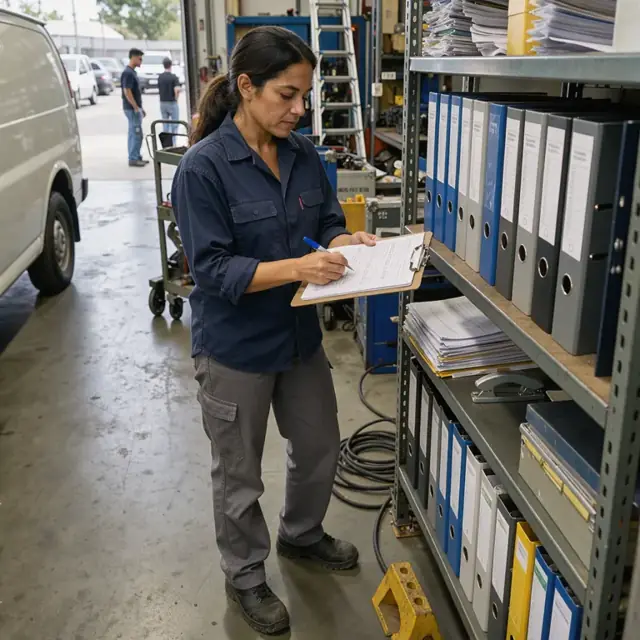
Regulatory Compliance Coordinator
Track and compile regulatory reports, maintain permit calendars and keep safety documentation current.
Works in: Ambitious Tasks, Ambitious Docs, Ambitious Sheets · Workflows: Regulatory and safety documentation
Automates
- Compiles batch data for monthly environmental reports
- Tracks renewal dates for permits and certifications
- Maintains the master safety data sheet files
- Prepares draft regulatory submission packages
Stops for a person
- The plant manager or environmental officer confirms which requirements apply
- All reports and filings are reviewed and signed by responsible persons
- The system never certifies compliance on its own
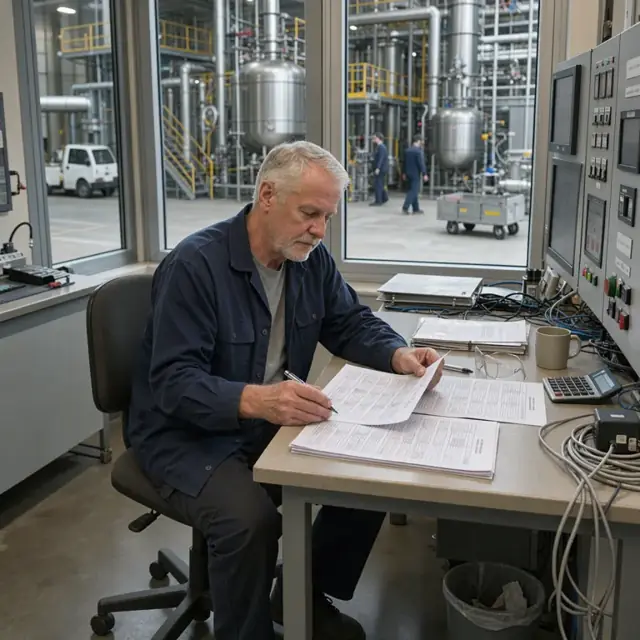
Customer Reorder Specialist
Manage follow-up communications, track customer preferences and prompt contract renewals.
Works in: Email Buckets, Ambitious Tasks, Ambitious Docs · Workflows: Customer reorder and feedback
Automates
- Drafts delivery confirmations and survey requests
- Reminds customers of upcoming reorder dates
- Maintains records of past formulation adjustments
- Prepares draft specification updates
Stops for a person
- All technical or pricing communications are approved by the chemist or sales manager
- The owner reviews and sends every customer message
Workflows
Specification intake and formula creation
Starts when: A customer submits a purchase order, specification sheet or request for custom blend
- Capture required active content, pH target, viscosity, cloud point and performance tests
- Match against existing formulas or flag for chemist review
- Calculate batch size based on order volume and minimum run quantity
- Draft the master batch record with exact raw material weights and addition order
- Create a production task with linked safety and compatibility checks
Watch for: Incompatible raw materials must never share the same reactor without full cleaning; Exact percentages and order of addition are critical to performance
Batch production scheduling
Starts when: After order confirmation or on a weekly cadence
- Review reactor availability, tank cleaning status and operator shifts
- Sequence batches to minimize cleaning time between incompatible products
- Build a timed schedule for charging, reaction, cooling, filtration and drumming
- Flag any special safety or environmental steps
- Generate daily operator instructions and log templates
Watch for: Reaction exotherms and cooling times vary significantly by chemistry; Cleaning validation required between certain surfactant types
Raw material purchasing and inventory control
Starts when: After production schedule is locked and on a weekly basis
- Explode all scheduled batches into raw material requirements by lot and weight
- Check current inventory against minimum stock and shelf-life limits
- Draft purchase orders for bulk chemicals, drums and packaging
- Track incoming certificates of analysis and assign lot numbers
- Update usage and waste logs for each material
Watch for: Many raw materials are reactive or flammable and require segregated storage; Certificates of analysis must be matched before use
Batch execution and quality checks
Starts when: Start of each scheduled production run
- Load the master batch record into the operator station
- Record actual weights, temperatures, pH and reaction times
- Perform in-process quality tests at specified hold points
- Generate the batch ticket with all measured values
- Flag any deviations for chemist review before release
Watch for: Critical process parameters must stay within defined ranges; Samples are pulled for lab verification before drumming
Packaging, labeling and documentation
Starts when: After batch completion and lab approval
- Generate product labels with exact composition, lot number, hazard statements and barcode
- Assemble safety data sheets customized to the batch
- Prepare shipping documents, bills of lading and customer certificates
- Update inventory with finished goods quantities and locations
- Archive the complete batch record
Watch for: Labeling must reflect current regulatory hazard classifications; Drum and tote labeling must be durable and weather resistant
Regulatory and safety documentation
Starts when: End of each batch, monthly and on renewal dates
- Compile batch data for VOC, wastewater and hazardous waste reports
- Track expiration of permits, facility registrations and operator certifications
- Maintain the master safety data sheet library
- Generate customer-specific compliance summaries
- Prepare files for annual regulatory submissions
Watch for: Different jurisdictions have distinct reporting thresholds and formats; The plant chemist confirms which requirements apply to each product
Customer reorder and feedback
Starts when: After delivery and on contract cadences
- Draft delivery confirmation and quality survey
- Remind contract customers of upcoming reorder windows
- Track historical formulation preferences and adjustments
- Draft proposed specification updates for next quarter
- Log any performance feedback for chemist review
Watch for: Technical adjustments require chemist approval before quoting; All communications with technical content must be reviewed
Bot templates for this industry
- Surface Active Agent Manufacturing (7 bots)
Source: U.S. Small Business Administration, Office of Size Standards, Table of Small Business Size Standards Matched to North American Industry Classification System Codes, version March 2023 (effective 2023-03-17, NAICS 2022). Size standards are shown for reference only.